
As an Amazon Associate we earn from qualifying purchases. This article contains affiliate links; we may earn a small commission at no extra cost to you.
Chicken coop space requirements are the most overlooked factor for flock health, egg production, and day-to-day sanity—especially for suburban and rural homeowners new to keeping chickens.
Key Takeaways
- Proper coop and run sizing prevents stress, disease, and predator losses—always plan by breed and climate, not arbitrary numbers.
- Ventilation and moisture control aren’t just “extras”—they directly impact egg yields and respiratory health.
- Most prefab or DIY coops fit guidelines only if you confirm square footage, perch length, and nesting box ratios.
- How Much Space Do Chickens Really Need? (Coop & Run)
- Critical Coop Features: Roosts, Nesting, and Floor Plans
- DIY vs Prefabricated Coops: Cost Ranges & Space Compliance
- The Real Pain Points: Crowding, Ventilation, Ammonia & Predators
- 3 Critical Details Most Chicken Coop Guides Miss
- Quick Reference Table: Breed, Climate & Coop Size Scenarios
- FAQs: Sizing Mistakes and Upgrade Tips
How Much Space Do Chickens Really Need? (Coop & Run)
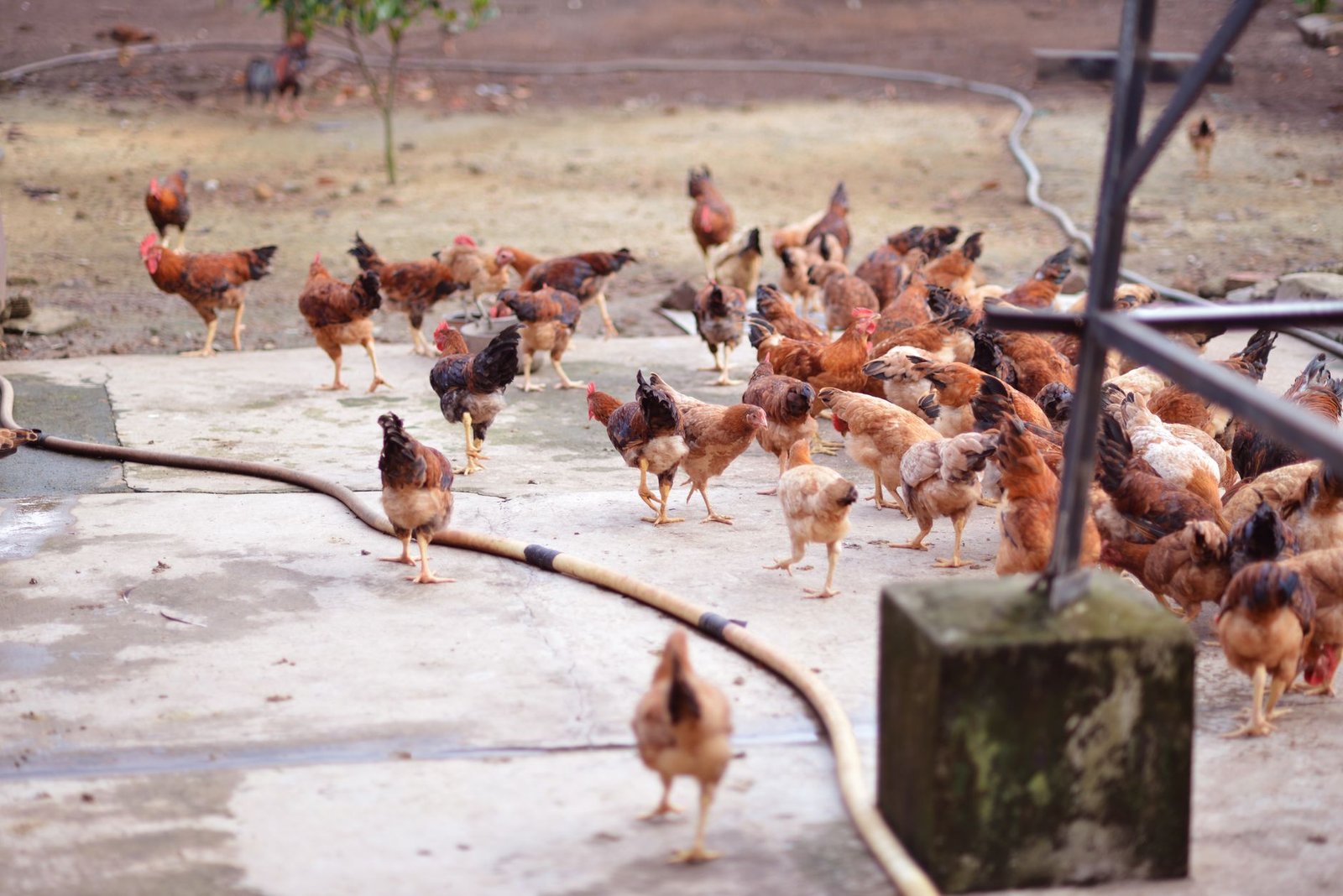
If you want thriving hens that lay reliably and don’t peck each other bald, coop and run size are non-negotiable. For most standard breeds, the accepted range is 3–4 square feet of indoor coop floor per chicken and at least 8–10 square feet in the covered run. Larger breeds like Orpingtons or Brahmas need closer to 4–5 square feet inside and 10–12 square feet of run, while bantams can manage with 2–3 square feet inside and 5–6 square feet outside.
Climate matters too. In cold zones, aim for the high end of indoor square footage since hens spend more time inside. In hot climates or those with year-round ranging, slightly less is reasonable, but “safe” does not mean crammed—chickens per square foot must always match actual usage, not marketing claims.
More space virtually eliminates stress pecking, crowd diseases, and winter ammonia. Relying on the right chicken coop space requirements sets the stage for every other element of successful, low-drama chicken keeping.

Need more detailed help for harsh winters? See our full guide on best chicken coop for cold weather.
For flock security, see our deep dive on predator proof chicken coop.
For larger flocks or year-round outdoor use, our guide to the best chicken run will help you scale up safely.
External source for further reading: How Much Space Do Chickens Need?
Critical Coop Features: Roosts, Nesting, and Floor Plans
Space alone doesn’t keep birds happy—layout details matter. Here’s how to get your coop setup right from the start, avoiding the most common new-owner pitfalls.
Roost Bars
- Provide 8–10 inches of roost length per standard chicken.
- Large breeds need 10–12 inches per bird.
- Set bars 2–4 inches wide for comfort, at least 12 inches from the wall and 18–24 inches off the floor.
Roost spacing affects feather health and peck-pecking. If birds have to cuddle for space, expect trouble when nighttime temps soar—or drop fast.
Nesting Boxes
- One box per 3–4 hens averts egg pecking and broken shells.
- Raise boxes 18–24 inches above ground and shield from drafts but keep below the lowest roost bar to discourage roosting in the nest.
Avoid overstuffing with excess boxes—unused nests become ammonia pits and attract broodies.
Coop Flooring & Bedding
- Wood: Cheap, easy for DIY, insulating, but absorbs moisture and can rot.
- Concrete: Durable, rodent-proof, easy to sanitize—ideal for permanent setups but can chill feet in winter.
- Dirt: Free and natural, but muddy, hard to disinfect, and easier for predators to dig through.
- Vinyl/Linoleum over wood: Waterproof, fast to clean, but only as durable as the subfloor below.
Pair the right base with good bedding—pine shavings, hemp, or sand (avoid straw, which can mold)—to keep ammonia low and shoes clean.
Find more nesting box ideas in best nesting boxes for chickens.
For waste-free feeding, check out our best chicken feeder no waste picks.
See more floor and bedding options: Complete Coop Requirements Guide
DIY vs Prefabricated Coops: Cost Ranges & Space Compliance
Choosing between a DIY build and a prefab kit requires honest math, not just up-front price tags. Budget coops can be space-compliant and sturdy if you confirm interior and run square footage matches the guidelines. Too many prefab kits “for up to 6 hens” barely offer 2 square feet per bird, shorting hens on vital space and airflow.
| Coop Type | For 6 Birds: Typical Cost Range | Space Provided | Fits Coop Space Requirements? |
|---|---|---|---|
| DIY (plywood, reclaimed lumber) | $200–$400 | Varies by builder but often meets 3–4 sq ft per bird if plans followed | Yes, if built to spec |
| Midrange Prefab | $500–$900 | Many meet minimums; some exaggerate flock sizes—always confirm interior/run dimensions | Yes/Maybe |
| Premium Prefab | $1,200+ | Most meet or exceed guidelines; often better hardware, doors, and insulation | Usually |
Don’t forget to budget for predator-proofing supplies—not all prefab kits are secure. For automatic doors (an upgrade that adds both convenience and predator defense), see best automatic chicken coop door.
Read more on low-cost coop ideas at Oregon Backyard Buildings.
The Real Pain Points: Crowding, Ventilation, Ammonia & Predators
Size guides miss critical reality checks. If space, airflow, or bedding gets shorted, you’ll see:
- Crowding: Even a half-foot less per bird leads to feather picking, peck wounds, and long-term drops in egg production.
- Poor Ventilation: With humidity over 50 percent and ammonia over 5 ppm (common in under-ventilated coops), hens develop irritated eyes, poor appetite, and chronic respiratory problems. Source
- Bad Bedding/Water Placement: Wet or caked litter breeds ammonia and mold. Leaking waterers near bedding make nests unusable and can cause frostbite in winter.
- Predator Breaches: Chicken wire isn’t enough for persistent raccoons, foxes, or snakes—unprotected vent and run gaps are the #1 trigger for carnage.
Effective run size and hardware cloth barriers reduce nocturnal losses dramatically. For tips on keeping hens safe through winter, see our guide to keep chickens warm in winter.
Bedding and ammonia management tips: Managing Moisture and Ammonia in the Chicken Coop
3 Critical Details Most Chicken Coop Guides Miss
- Ventilation Formulas: Don’t guess—install at least 1 square foot of vent per 10 square feet of floor; specific CFM targets per bird are not universally standardized, but adequate high airflow to prevent ammonia buildup is essential. Higher isn’t always better if cold drafts hit roosting hens.
- Quantitative Bedding/Moisture Monitoring: Use a digital hygrometer—if coop humidity stays above 50 percent, clean or swap bedding immediately. The “mirror condensation test” (hold a small mirror near floor level overnight—if it fogs, it’s time to ventilate and dry out).
- Predator-Proofing Best Practices: Install half-inch hardware cloth over every non-door opening. Add a 2-inch roof overhang to fend off climbers and rain. Field data on exact loss reduction percentages for this specific hardware combo is not publicly verified; using half-inch hardware cloth and roof overhangs is widely recommended to significantly reduce predator losses. Learn more about fencing options in our breakdown of the best hardware cloth for chickens.
Social proof: Backyard chicken keepers regularly cite hardware cloth, correct venting, and effective bedding management as night-and-day improvements in both health and owner peace of mind.
Detailed ventilation info: Ventilation Essentials: How Much Airflow Does Your Coop Really Need?
Quick Reference Table: Breed, Climate & Coop Size Scenarios
| Scenario | Breed/Size | Climate | Minimum Indoor (Coop) Space | Minimum Outdoor (Run) Space | Roost Length/Box Ratio |
|---|---|---|---|---|---|
| 6 standard hens | Rhode Island Red | Cold | 24 sq ft (4 sq ft per bird) | 60 sq ft (10 sq ft per bird) | 8–10″ per bird; 2 boxes |
| 3 bantams | Silkie | Temperate | 6–9 sq ft (2–3 sq ft per bird) | 15–18 sq ft (5–6 sq ft per bird) | 8″ per bird; 1 box |
| 4 large breeds | Orpington | Hot | 16–20 sq ft (4–5 sq ft per bird) | 40–48 sq ft (10 sq ft per bird) | 10–12″ per bird; 1 box |
| 10 mixed flock | Standard/bantam | Temperate | 30–40 sq ft (mix based on size) | 80–100 sq ft | 8–10″ per bird; 2–3 boxes |
Want simplified calculations for your setup? Try our chicken coop calculator (coming soon). Bookmark our chick brooder setup guide if starting with young birds.
FAQs: Sizing Mistakes and Upgrade Tips
Can I shrink the chicken coop space requirements if my birds free-range daily?
If your birds have all-day access to a secure yard, you can usually use the low end of coop space guidelines (but still no less than 2–3 sq ft per bird). If severe weather, predator threats, or local laws sometimes force confinement, use the “full time inside” minimum instead.
How do I tell if my coop is under-ventilated?
Notice condensation, “barnyard” or ammonia odors, moldy bedding, or hens roosting with their beaks open—these are signs of low airflow. Confirm with a hygrometer (humidity should be below 50 percent) or try the overnight mirror condensation test.
Prefab kits say “up to 6 chickens”—is that really enough space?
Many prefab kits round up capacity to sound appealing. Always check actual floor space: count out 3–4 sq ft per bird inside and 8–10 sq ft in the run, regardless of packaging claims.
What happens if I overcrowd my coop?
Overcrowding leads to feather pecking, stress fights, elevated disease risk, ammonia buildup, and reduced egg production. Space issues get worse in cold, wet, or confined conditions.
Can I combine standard, bantam, and large breeds in the same coop?
Yes, if you base your space calculation on the largest birds. Also provide extra perch, run space, and adjustable nest box heights for integrated flocks. Monitor for bullying or resource guarding.
Conclusion
There are no shortcuts: following accurate, breed- and climate-adjusted chicken coop space requirements is the best insurance for flock health, egg yield, and your own peace of mind. Invest in good ventilation, predator-proofing, and flexible layouts from the start for years of hassle-free keeping. Ready to upgrade or fix your setup? Explore our full equipment guides or ask questions below—we’re here to help you keep smart chickens, not just crowded ones.
—
Sources
- Complete Coop Requirements Guide
- SPACE ALLOWANCES IN HOUSING FOR SMALL AND BACKYARD POULTRY FLOCKS
- How Many Square Feet Per Chicken Do I Need?
- How Many Square Feet Per Chicken?
- Optimizing Chicken Coop Space: A Complete Guide to Meeting Your Flock’s Needs
- How Big Should A Chicken Coop Be? (Chart + Expert Tips)