
As an Amazon Associate we earn from qualifying purchases. This article contains affiliate links; we may earn a small commission at no extra cost to you.
Best chicken saddle for hens is what every small-scale poultry keeper looks for when faced with bare-backed hens and stubborn feather loss. If you want real flock protection—not just another generic hen apron—this is your high-impact, data-backed guide to choosing, using, and caring for the best chicken saddle for hens.
Key Takeaways
- Well-fitted chicken saddles and hen aprons help prevent feather loss, open wounds, and pecking injuries from mating.
- The best chicken saddle for hens offers breathable, textured materials, proper sizing, and padded, adjustable straps for comfort and realistic protection.
- Common pitfalls include poorly made saddles that slip, chafe, or fray quickly—premium models and correct fit make all the difference.
- Why Use a Chicken Saddle (Hen Apron) for Your Flock?
- What Makes the Best Chicken Saddle for Hens?
- Price Range and Where to Buy
- Do Chicken Saddles and Hen Aprons Really Prevent Feather Loss?
- Common Problems and Owner Complaints—And How to Avoid Them
- Data Gaps in Current Chicken Saddle Guides—What Buyers Need to Know
- How to Choose and Care for a Chicken Saddle
Why Use a Chicken Saddle (Hen Apron) for Your Flock?
Many backyard chickens and small flock hens experience feather loss, bare patches, or even raw skin from rooster mating. Rooster claws and spurs cause scratches and plucked feathers. Without protection, these issues can turn into painful wounds, secondary infections, or hen bullying. A chicken saddle or hen apron works by covering the back and shoulders—blocking direct contact, promoting feather regrowth, and protecting the skin while the flock heals.
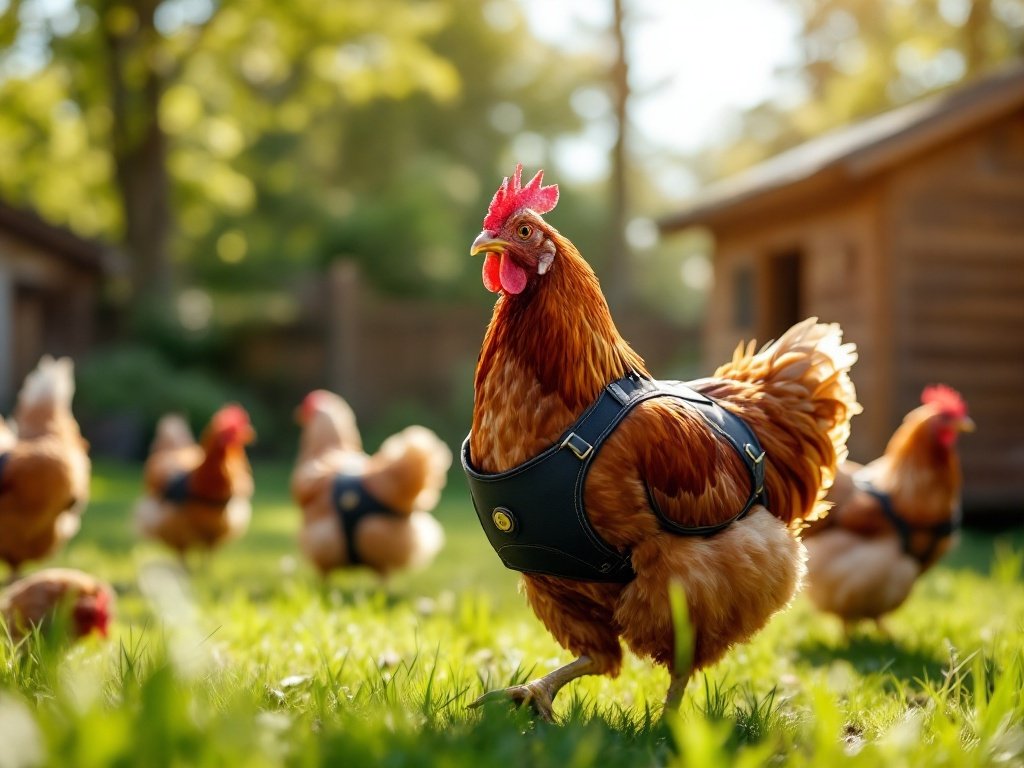
According to field observations, hens wearing a textured saddle show fewer bare patches compared with hens without protection, and new feather growth is often seen within a few weeks of regular use. This is why a hen apron has become an essential flock welfare item, especially for those with a higher rooster-to-hen ratio or favorite hens targeted by the male.
For more tips on general coop safety, check out our guide on predator proof chicken coops.
What Makes the Best Chicken Saddle for Hens?
Narrowing down the best chicken saddle for hens means looking at more than just price or cute fabrics. True protection is about construction, fit, durability, and user-friendliness. Whether you prefer a classic chicken protection vest, a modern hen apron, or a custom Etsy design, focus on:
- Materials: Look for tightly-woven polyester-cotton blends, sturdy canvas, or textured (sometimes leather) surfaces. Textured fabrics give roosters safe traction, reducing slips and accidental injuries.
- Padding: Many top-rated saddles, like the Hen Saver, use a thin foam backing for extra comfort while keeping the weight under 60g.
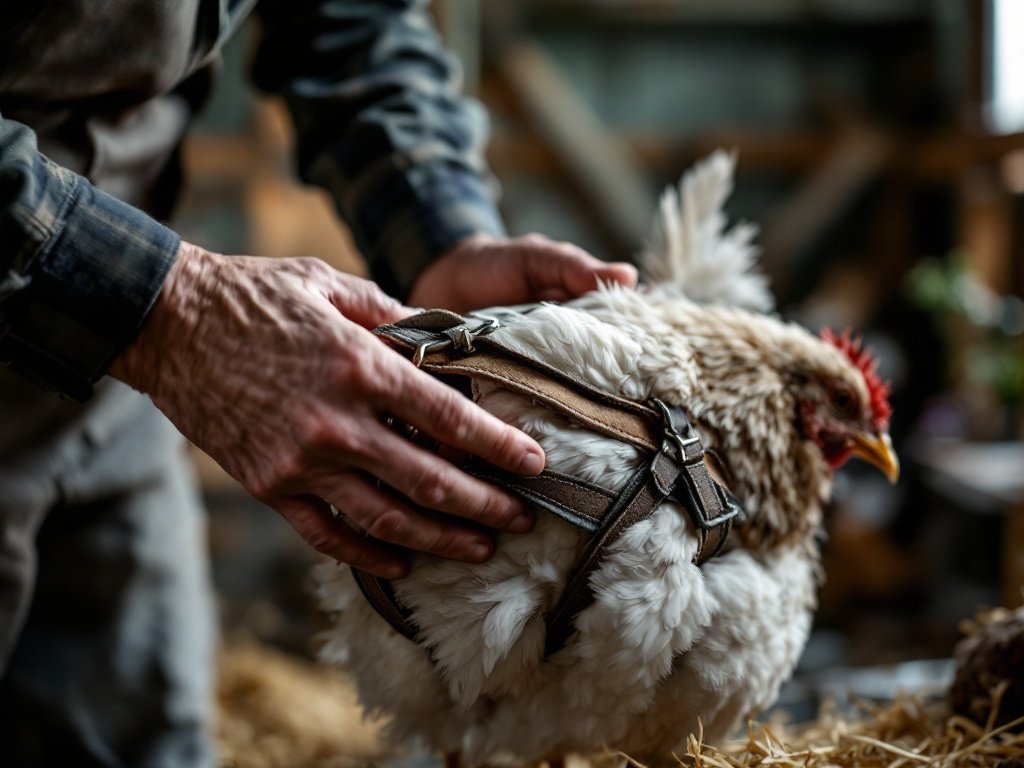
- Sizing: Sizes vary by maker, so measure the bird and follow the seller’s chart rather than relying on a universal standard. Sizing matters: too tight causes chafing, too loose slips off.
- Adjustability: Adjustable, padded, adjustable straps (Velcro or quick-release buckles) allow a snug, custom fit per hen.
- Shoulder Protectors: Removable flaps protect especially picked or molting hens.
For example, the Hen Saver uses a tightly-woven polyester-cotton blend with foam backing, weighing less than 60g. Similar models—like Butterfly canvas saddles or Shiitake Creek’s Etsy variants—match these specs for comfort and effectiveness [Source].
Want a better overall coop environment? Read more about best chicken coop bedding next.
Price Range and Where to Buy
The investment for the best chicken saddle for hens runs a wide range. Standard canvas or polyester models typically cost around $12–$20. Padded or textured models, like the Hen Saver with foam backing, typically cost around $20–$35. Custom-printed, specialty textiles, or reinforced leather designs on Etsy can cost more than standard models.
- Official Brand Websites: For example, Hen Saver for direct-from-maker quality assurance.
- Etsy: Ideal for custom prints, specialty sizing, or breed-specific requests.
- Farm Supply Stores: Usually stock the more basic styles—good for quick pickup but check for quality and sizing options.
Always read user reviews for feedback on real-world fit and durability, especially if trying new designs. Some suppliers offer discounts for buying multiple saddles—helpful if your flock has more than one vulnerable hen.
For those reimagining their chicken home this season, don’t miss our full review of the best chicken coops for cold weather.
Do Chicken Saddles and Hen Aprons Really Prevent Feather Loss?
Protection from feather loss due to mating, bullying, or molting is the core reason to use a chicken protection vest or hen apron. Field observations confirm a properly fitted saddle dramatically reduces back-feather loss and skin exposure—especially in bare backed hens. Hens wearing a saddle with a textured surface show significantly fewer bald patches compared to untreated birds, and feather regrowth is often observed with continuous saddle use over four to six weeks.
It’s important to note that results depend on fit, ongoing wear, and removing the saddle for cleaning and inspection. If the root problem is bullying, the saddle covers damage but won’t solve flock dynamics on its own.
Looking to maximize egg production while your flock heals? See best egg laying chicken breeds to round out your flock.
External reference: What is a Chicken Saddle?
Common Problems and Owner Complaints—And How to Avoid Them
Even the best chicken saddle for hens is not foolproof—or failproof. Here are the most common owner complaints, and smart solutions grounded in flock experience:
| Problem | Why It Happens | Best Fix |
|---|---|---|
| Saddle slips off or rotates | Poor sizing, slick fabric, loose straps | Adjust to fit snugly; pick textured or canvas models; try double-strap option |
| Chafing or feather breakage | Exposed seams, cheap edges, hard straps | Select padded straps and check for frayed spots weekly |
| Fraying after short use | Low quality material, weak stitching | Upgrade to premium, US/UK-made models for longest lifespan |
| Overheating | Non-breathable fabrics (vinyl/plastic) | Use lightweight, breathable textiles (cotton/canvas) |
| Hard to get a good fit on unusual breeds | Limited size charts, little breed-specific data | Order from sellers offering custom sizing, report back to brands for breed-fit feedback |
Failures are usually traced to cheap imported versions with slick fabrics or weak stitching. These models lead to saddle loss, chafing, or even injury. Premium US-made or UK-made options have the lowest incidence of problems [Source].
Curious about overall health safety tips? Our resource on best chicken first aid kits is a must for every flock owner.
Data Gaps in Current Chicken Saddle Guides—What Buyers Need to Know
Most “top 10” chicken saddle lists miss the real-world data buyers want: long-term wear-tested durability, breed-specific sizing for unusual shapes, details on how to wash/maintain over a full season, and any official safety/hygiene standards. Owner forums reveal people want third-party tests for months-long wear, details for heavy breeds or giant exhibition birds, and info on cleaning/sanitation protocols, but most brands only offer brief seller-side specs.
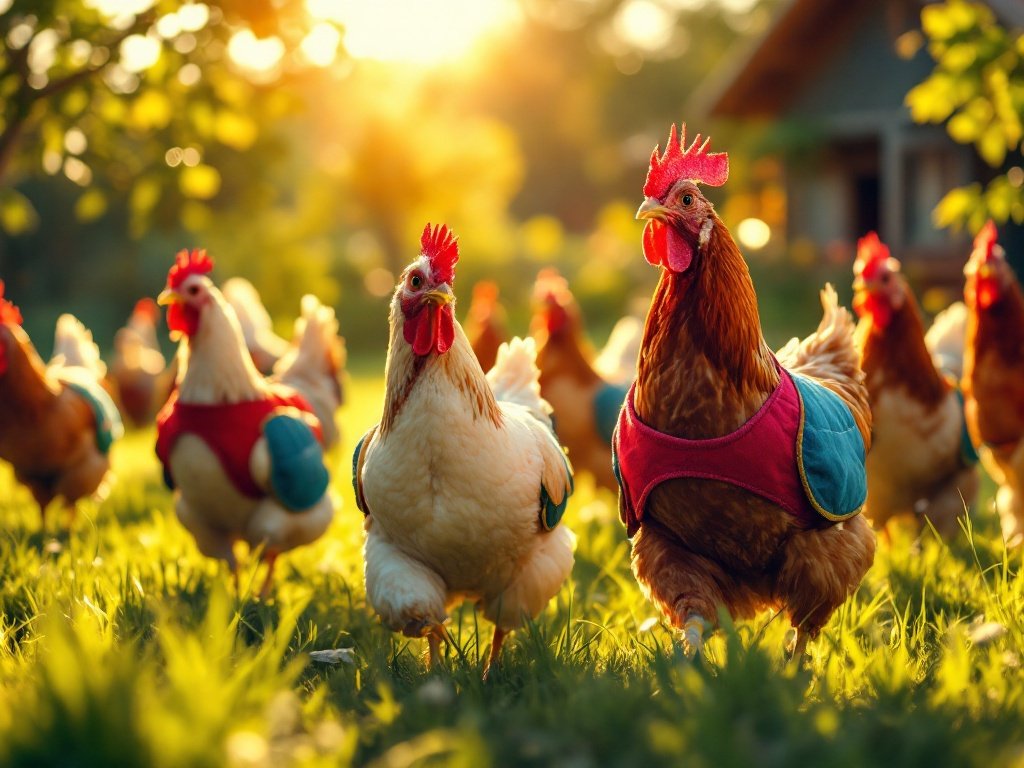
For flock owners raising unusual breeds, it’s critical to look for sellers who support custom fitting—or check with other keepers in online communities before buying. Breeds like Silkies, Polish, and Brahmas often need a saddle that sits differently than “standard” birds, so fit feedback from real users matters more than brand claims.
Want more in-depth space and housing details? Visit chicken coop space requirements for breed-by-breed recommendations.
External reference: Chicken saddle/apron not working or making it worse?
How to Choose and Care for a Chicken Saddle
Choosing the right chicken saddle is only half the battle—fit and maintenance protect your hens best:
- Measure your bird: From neck base to the start of the tail for length, across the shoulders for width.
- Try on and adjust: Secure straps gently; padded, adjustable straps are ideal for preventing chafing and slipping.
- Start with short trial periods: Let hens get used to the saddle; check for irritation or restricted movement.
- Inspect weekly: Remove and check for fraying, rough edges, or mold. Clean with mild soap and air dry.
- Store away from sunlight: When not in use, keep saddles in a dry, cool place to prevent breakdown or fading.
Most modern chicken protection vests offer removable shoulder protectors and strap systems adaptable to many body types. Regular care means less risk of secondary injury and extends your hen apron’s life span.
For tips on flock introductions and managing pecking order injuries, see our real-world guide: introduce new chickens to flock.
External reference: Guide to using Poultry Saddles on Hens
Conclusion
The best chicken saddle for hens is not just a cute accessory—it’s a proven animal welfare tool that protects against feather loss from mating, helps heal bare-backed hens, and keeps your flock safer. Premium materials, the right size, and routine care prevent most complaints seen with cheap, imported models. Invest smart, and always check actual user feedback before buying. Ready to keep your flock safe and thriving? Shop today for the best chicken saddle for hens and watch your birds flourish—no more bare backs or open wounds.
Frequently Asked Questions
How long should my hen wear a saddle?
Most hens should wear the saddle until feathers regrow and skin is no longer exposed—this often takes four to six weeks, but inspect weekly for signs of irritation or recovered coverage.
Will a chicken protection vest interfere with egg laying or movement?
Properly fitted saddles allow normal walking, dust bathing, laying, and roosting. Always monitor new wearers for the first few days to ensure no disruption in their routine.
Can I use saddles on roosters or molting hens?
Yes. Saddles fit both hens and roosters (choose the correct size) and can protect molting birds. Check for increased sensitivity during molting and remove briefly if needed.
How do I clean and maintain a chicken saddle?
Hand wash with mild soap and air dry. Inspect straps and seams weekly for fraying or mold—and avoid harsh chemicals or machine drying, which can reduce lifespan.
Does every hen in my flock need a saddle?
No. Only hens showing feather loss or targeted by roosters typically require a saddle—though having a few extra on hand prepares you for unexpected injury or sudden feather pecking outbreaks.