
As an Amazon Associate we earn from qualifying purchases. This article contains affiliate links; we may earn a small commission at no extra cost to you.
Best chicken leg bands are essential for backyard poultry keepers who want to effortlessly track, identify, and care for their birds—without risking leg injuries or lost IDs.
Key Takeaways
- Poultry identification bands help owners track health, age, genetics, and behavior in their flock when chosen and used correctly.
- Selection of the best chicken leg bands depends on bird age, growth rate, and required durability—spiral plastic for chicks, numbered metal for adults.
- Most leg band failures are caused by sizing mistakes or material fatigue, but regular checks and proper fit minimize risk and discomfort.
- Why Use Chicken Leg Bands?
- Types of Chicken Leg Bands: Numbered vs Spiral
- Leg Band Sizing: Getting it Right for Every Bird
- Durability, Comfort, and Common Failure Modes
- What Buyers Complain About—And How to Fix It
- Quick Reference Guide: Band Selection by Bird Age & Size
- Conclusion: Choosing the Right Band for Your Flock
- FAQ
Why Use Chicken Leg Bands?
Poultry identification bands are a simple, reliable tool for anyone keeping chickens—whether you’re a small flock keeper, a breeder, or hatching chicks for the first time. A leg band gives each bird a unique “ID,” making it possible to record age, behavior, health treatments, or even egg production accurately. The best chicken leg bands do more than just color-code your flock—they can help prevent mix-ups at breeding time, track genetic lines, and respond quickly to illness or injury. But picking the right band is critical. A poor fit can risk injury or band loss, while the right band can last through a bird’s life stage and make flock management dramatically easier.

Flexible plastic spirals work for hatchlings, while permanent numbered metal bands are best for mature birds. Flock management gets a major boost with dependable bands and a system you’ll actually use.
Want more practical chicken care gear tips? Check out our guides on best egg incubator for beginners and how to keep chickens warm in winter.
Types of Chicken Leg Bands: Numbered vs Spiral
There are three main contenders for the best chicken leg bands: spiral plastic bands, numbered plastic bands, and numbered metal bands. Each has a specific sweet spot for age, durability, price, and ease of use.
- Spiral Plastic Bands: The go-to ID for chicks and young birds. Made from soft, elastic polymer, they’re cheap, stretch by hand, and simple to color-code. These are best applied before two weeks old and are safe for small chicks when properly sized. They typically last 6–12 months but may slip off or turn brittle over time. According to the National Band and Tag Company, plastic spirals cost $0.03-0.10 each.
- Numbered Metal Bands: The choice for permanent, foolproof identification. Available in stamped aluminum, brass, or steel, these are best for birds older than two weeks and weighing over 150g. They can last a long time with routine checks, but lifespan varies by material, climate, and fit. Their cost ranges from $0.05-0.35 per band. Adjustable Atlas-style bands offer a secure fit at three different diameters before sealing, reducing the risk of injury if properly installed (source).
- Numbered Bandettes and Atlas Bands: Bandettes are thicker, plastic coil bands (often numbered), preferred by many hobby breeders for ease of reapplication and better comfort. The Atlas adjustable aluminum band is popular for its three-size versatility before crimping—making it suitable for various breeds as birds mature.
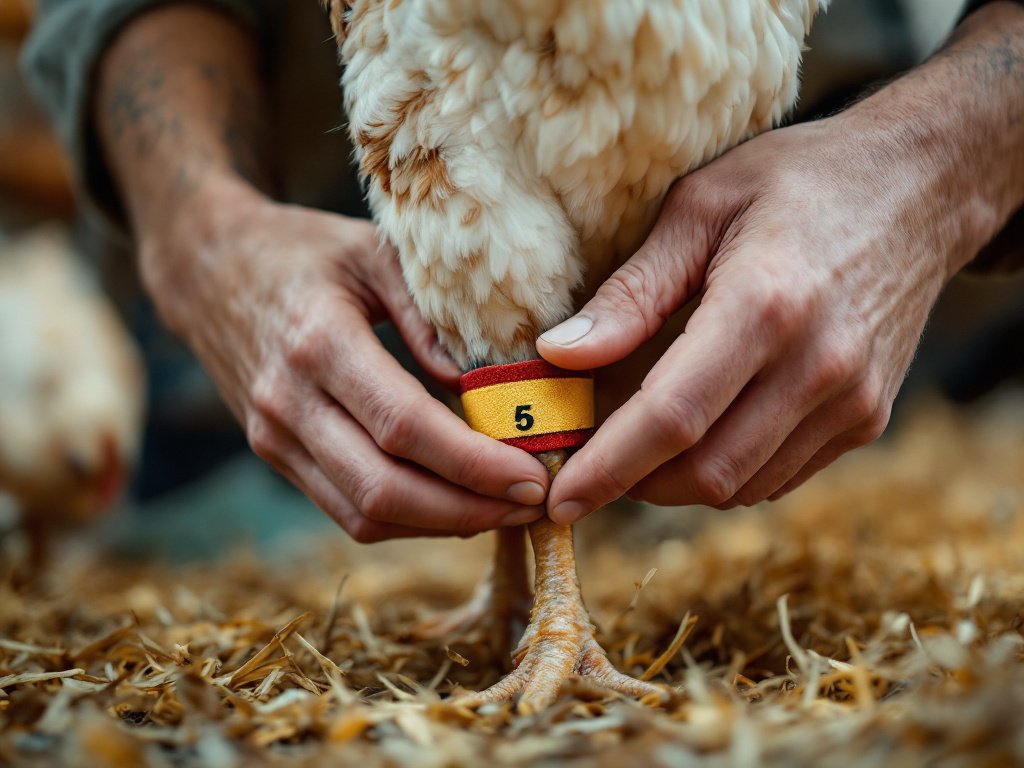
Quick side-by-side: Plastic spirals cost less up front and go on easiest; metal and Atlas bands give longer-term ID and suit adult birds best. Many breeders switch from spirals to metal after the first growth surge. For a hands-on step-by-step, check out this practical guide from Silver Homestead.
Stepping up your infrastructure? Consider safer feed with our best chicken feeder no waste solutions or predator safety in predator proof chicken coop designs.
Leg Band Sizing: Getting it Right for Every Bird
Choosing the correct band size sounds simple—yet it’s the top reason bands fail or cause harm. Most brands size by number (corresponding to internal diameter) or in millimeters/inches. Sizing mistakes happen for two key reasons: flock owners underestimate how fast chicks grow, or assume all birds in a group need the same band size. Growth surges can cause even a well-fitted spiral to pinch or a metal band to become dangerously tight.
Here’s a research-backed sizing breakdown:
- Use size 4 (¼-inch) spiral bands for standard newly hatched chicks (medium force), as recommended by experienced small-scale breeders (source).
- Opt for size 5 (5/16-inch) bands for heavier chicks or birds at two weeks old.
- Sizes 7–12 are for older and larger breeds; size 9–11 covers most backyard flock needs.
- Plastic spirals are best applied to birds under 2 weeks and less than 100g; metal and Atlas bands suit older, heavier birds over 150g.
Regularly check—at least every week in the first month—that each band moves freely on the leg but cannot slip over the foot. If the bird can scratch it off, it’s too loose. If you can’t easily rotate it, it’s too tight.
| Bird Age/Size | Recommended Band Type | Typical Size (Spiral/Metal) |
Replace/Upgrade Interval |
|---|---|---|---|
| Newly hatched chicks <100g |
Spiral plastic | 4 (¼”) / 5–6mm | 2 weeks |
| 2–7 weeks / juvenile | Spiral or numbered plastic, upgrade to Atlas/metal | 5–7 / 7–9mm | Change size as needed |
| Mature hens / roosters >150g |
Numbered metal (Atlas, bandette, or stamped) | 9–12 / 9–12mm | 1–2 years Regular checks |
For further advice on matching coop features to your flock’s needs, see how to calculate chicken coop space requirements.
Durability, Comfort, and Common Failure Modes
Even the best chicken leg bands aren’t “set and forget.” Material matters as much as sizing. Here’s what real small-scale keepers report:
- Plastic bands may slip off or harden to the point of cracking in as little as 6–12 months (source).
- Metal bands can trap moisture or induce frostbite in cold weather if left too tight—rust and sharp edges are real safety concerns (source).
- Spiral and cheaper bands are notorious for “digging,” especially if the cut end rubs against skin or if the band isn’t checked as the bird grows.
- Oversized bands may slide off, especially during the energetic weeks when chicks are sprouting feathers and exploring the brooder.
- For metal bands, improper application with basic pliers instead of the correct tool leads to sharp “burrs” that can scratch or get caught on bedding.
Numbered bands help with record-keeping but can cause confusion if the size/color chart isn’t clear, leading to accidental mix-ups.
Plastic spirals are praised for easy application and visual coding but fall short for lifetime tracking. Metal bands, while permanent, require more skill and regular monitoring—don’t set and forget.
Practical side note: Owners of backyard chicken coops in cold climates should keep a closer eye on metal band fit and bird comfort. For more on winter prep, see best chicken coop for cold weather.
What Buyers Complain About—And How to Fix It
Nothing is more frustrating than investing in the best chicken leg bands—only to watch them break, dig into legs, or slip off unnoticed. Here are the most common poultry identification bands pain points (and research-backed solutions):
- Incorrect sizing: Avoid by following size charts exactly and double-checking weekly for the first month of wear. Don’t guess—measure!
- Hard to apply (especially metal): Warming spirals for easier stretching; using proper Atlas-style adjustable metal bands and the correct tool for sealing metal bands.
- Broken or lost bands: Switch to triple-spiral or “bandette” types for stubborn chicks or when birds continually lose single spirals (source).
- Leg injuries or irritation: Round off any sharp ends on spirals; for metal, double-check there are no burrs or overlaps. Never leave a resizing check for “next weekend.”
- Color/number confusion: Buy mixed packs with varied colors and clear, printed size charts; document which color/number goes with which pen or hatch date in a notebook or flock management app.
According to real flock owners, the most requested fix is a band that is easy to apply, doesn’t dig, is available in clear sizes, and is easy to visually check at a glance. Regular field checks beat even the best chicken leg bands if your birds are changing size or the environment is harsh.

Quick Reference Guide: Band Selection by Bird Age & Size
This at-a-glance chart sums up when to use each type of band (full guide above):
- Plastic spiral bands: Apply to birds under 2 weeks old and up to 100g; replace by two weeks or when the band no longer spins easily.
- Numbered plastic or Atlas bands: For birds up to several months old or during rapid growth; swap for adult size when crossing 150g.
- Numbered metal bands: For birds older than 2 weeks and over 150g—check every few months and replace at the first sign of tightness, rust, or discomfort.
- Plastic spirals last 6–12 months; metal bands last two years or more if checked regularly.
Maintaining the right system lets you track health, breeding, and behavior efficiently. Always use proper tools for application and removal—never force a band on or off. Matching band type to bird age, size, and use case is the secret to long-term success.
Conclusion: Choosing the Right Band for Your Flock
The right choice of the best chicken leg bands comes down to fit, safety, and flock management needs—not just price or color. Spiral plastic bands are the favorite for young chicks thanks to easy stretching and application, but must be swapped out before chicks outgrow them. Numbered metal bands, especially adjustable Atlas types, are unmatched for permanent ID in adult birds—so long as you monitor for comfort, rust, and injury risk.
Regularly monitor fit and replace bands at the first sign of tightness, brittleness, or injury risk. A little time spent inspecting legs weekly pays back in healthy, trackable birds—and fewer mistakes at hatching, selling, or breeding. Ready to optimize your entire setup? Get more practical tips in our guides to best chicken coop bedding and best chicken run.
Choose reliable bands, keep records, check band fit often, and your flock will thrive with simple, stress-free identification. Try a mixed pack and keep extras at hand for rapid swaps—your chickens will thank you, and you’ll thank yourself come breeding season or health checks.
FAQ
What is the best chicken leg band type for chicks?
Flexible plastic spiral bands are best for chicks up to two weeks old and under 100g. They are soft, stretch easily, and are safe if checked regularly as the chick grows.
How do I know if a leg band is too tight or too loose?
If the band can’t be rotated or easily slid on the leg, it’s too tight. If it slips over the chick’s foot or falls off with active movement, it’s too loose. Weekly checks will prevent both problems.
How often should I inspect or replace chicken leg bands?
Check fit every week for growing birds (especially in the chick and juvenile phase). Replace bands at the first sign of tightness, slippage, brittleness, or discomfort. Adult birds with metal bands should be checked every few months.
Can leg bands hurt my chickens?
If mis-sized or left unchecked, yes. Injuries can include digging, swelling, frostbite, or even infection. Choosing the correct size and regular monitoring reduces all risks.
Are numbered or color-coded bands better for backyard flocks?
Both work—but color-coded bands are best for small, visually organized flocks. Numbered bands are essential if tracking genetics, egg production, or complying with show or breeding rules.
—