
As an Amazon Associate we earn from qualifying purchases. This article contains affiliate links; we may earn a small commission at no extra cost to you.
Scaly leg mites in chickens are a frustrating and recurring chicken foot problem for many backyard flock owners. If you’ve noticed rough, scabby leg scales, or your birds seem uncomfortable on their feet, you’re not alone—and there are data-backed steps you can take to identify, treat, and prevent these mites before they cause permanent damage or extra expense.
Key Takeaways
- Early detection and timely, consistent treatment are essential for curing scaly leg mites in chickens and preventing permanent lameness or toe loss.
- Messy daily reapplication and long healing times frustrate many owners—but strict environmental cleaning is what prevents costly relapses.
- Budget treatments like petroleum jelly work if applied properly and paired with coop cleaning, avoiding higher vet costs for most cases.
- Scaly Leg Mites in Chickens — Symptoms and Disease Progression
- Diagnosing Scaly Leg Mites: What to Expect and the Regional Costs
- Proven Leg Mites Treatment Options (With Dosages and Timelines)
- Owner Pain Points and Why Treatments Sometimes Fail
- The Guide Most Owners Miss — Prevention, Environment, and Long-Term Recovery
- Frequently Asked Questions (Hard Evidence & Owner Experience)
Scaly Leg Mites in Chickens — Symptoms and Disease Progression
Scaly leg mites (Knemidocoptes mutans) burrow under the leg and foot scales of chickens, causing discomfort, swelling, and—if untreated—permanent deformity or even toe loss. Early symptoms often appear as slightly raised, lifted, or missing leg scales. Owners may also spot feather loss on the legs and feet, or a whitish, scabby appearance. If mites are not treated within the first few weeks, the scaling thickens, cracks, and becomes rough, while swelling and uneven toes may develop. In advanced cases, birds can become lame or lose toes altogether due to severe skin damage and deformity. This rapid worsening happens because the mite life cycle is roughly 10–14 days, so entire infestations can build up within weeks and often recur if not thoroughly treated and cleaned (source).
Diagnosing Scaly Leg Mites: What to Expect and the Regional Costs
Many owners successfully diagnose scaly leg mites at home by observing obvious symptoms: lifted or crusty scales, feather loss, and scabby legs. For total certainty, some vets may perform a skin scraping for microscopic examination, especially if another foot problem is suspected. While physical signs are usually clear, some early cases are mistaken for pecking injuries or age-related scale changes. Professional diagnosis adds significant cost, especially if you’re in the US, UK, or Australia. Here’s what owners typically spend:
- US: Veterinary consult $50–$100, over-the-counter (OTC) treatments like Scalex $10–$15, petroleum jelly $3–$5.
- UK: Vet visit £40–£80, scaly leg lotions £5–£8, Vaseline £2–£4.
- Australia: Vet visit $70–$120 AUD, OTC creams $12–$18 AUD, petroleum jelly $4–$7 AUD.
For most small flocks, DIY visual diagnosis followed by immediate treatment is the fastest and most budget-friendly option (source). However, severe cases or non-responsive infections require a vet to rule out more serious disease.
Proven Leg Mites Treatment Options (With Dosages and Timelines)
The most practical leg mites treatments balance cost, safety, and owner time. Here’s what works, step by step:
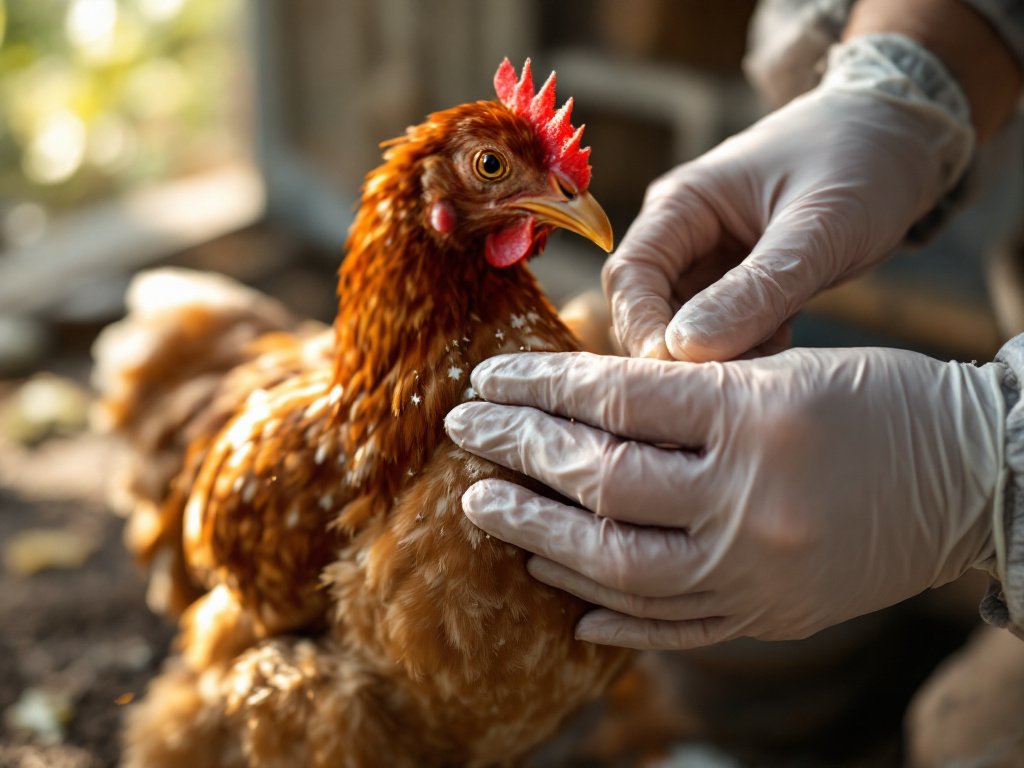
- Soak and Clean: Gently soak affected feet and legs in warm, soapy water to soften scales and loosen debris.
- Apply a Physical Barrier: Coat legs completely with petroleum jelly (or a sulfur-petroleum mix powdered sulfur to ½ cup jelly for extra mite-killing effect). This smothers mites and protects healing tissue.
- Repeat Daily: Reapply petroleum jelly (or combo) daily for at least 2–3 weeks. Don’t stop even if scales still look rough—mites and eggs can survive under scales for the whole 10-day cycle.
- Ivermectin and moxidectin (Advanced): When infestations are severe or repeated, veterinarians may recommend oral or topical ivermectin at about 0.2 mg/kg, with a second treatment often given 10–14 days later. This method has been reported as effective in some cases. Single-dose moxidectin at the same dosage is also sometimes used.
- Monitor Progress: Old scales may not slough off for 2–3 weeks or longer. Look for reduction in swelling, smoother new growth, and improvement in your bird’s movement.
Budget options like petroleum jelly, sulfur mix, or paraffin oil are safe for layers and readily available. Commercial scaly leg creams are easier to apply but more expensive per use. Oral/topical ivermectin or moxidectin should only be used under professional advice, especially if you sell or eat your hens’ eggs: check egg withdrawal times.
Throughout treatment, disinfecting the entire coop—including perches, nesting boxes, and bedding—is critical to prevent mite return. Diatomaceous earth or heat can also be used as a part of environmental mite management. See our guide to deep cleaning your chicken coop for best results.
Owner Pain Points and Why Treatments Sometimes Fail
Scaly leg mite treatments are rarely “quick fix” solutions, and owner frustration is common. Here’s what usually goes wrong and why:
| Pain Point | Details | Ways to Overcome |
|---|---|---|
| Messy, Time-Consuming Reapplication | Petroleum jelly must be smeared all over the legs daily for weeks. It’s sticky, gets on feathers, and can be tricky with feisty birds. | Use gloves and have a helping hand; double-check that the layer is thick and covers all scales. |
| Slow Visible Results | Owners get discouraged as rough scales persist 2–3 weeks or longer before healthy new growth appears. | Keep a calendar; don’t stop treatment early. Healing means fully slouched scales and reduction in swelling, not instant cosmetic improvement. |
| Reinfestation and Recurrence | Skipping bedding and coop cleaning means mites linger, causing repeated outbreaks and wasted effort. | Treat the entire environment alongside the birds. Replace bedding, dust baths, and disinfect perches every session. |
| Hidden Costs for Severe Cases | If the problem is advanced, vet intervention (and resulting bills) may become unavoidable. | Act early, treat promptly, and prevent instead of waiting for lameness. |
Owners who skip even one day of treatment or delay cleaning the coop often find mites come back fast. Relief is possible, but only with stubborn consistency and strict biosecurity.
If you struggle with unhealthy bedding, check out our guide to the best chicken coop bedding for effective odor and parasite control.
The Guide Most Owners Miss — Prevention, Environment, and Long-Term Recovery
Most scaly leg mites in chickens guides skip systematic prevention and environment management—yet these are the steps that break the cycle for good. Here’s what works:
- Quarantine New Birds: Any new addition to the flock should be isolated and checked for 2–3 weeks before mixing.
- Regular Leg Inspections: Inspect all birds’ legs at least monthly for dryness, lifted scales, or early signs of scabbiness.
- Environmental Treatment: Clean and disinfect all perches, nests, and bedding. Dust baths with diatomaceous earth and rotating run areas also help limit soil-transmitted mites (source).
- Deep Clean Regularly: Swap bedding, scrub surfaces, and sun-dry outdoor areas to kill hidden mites. See practical tips on cleaning your chicken coop effectively.
- Follow-Up: After finishing treatment, keep monitoring scale regrowth, gait, and weight every 2 weeks to spot relapses early.
Establish strict routine checks and biosecurity. If keeping birds in winter, check out ways to keep chickens warm and strengthen their immunity. For tips on safe, natural dust treatments, see our diatomaceous earth guide (source).
If you regularly add to your flock, never skip the quarantine and inspection step. For details on flock integration, see how to introduce new chickens to your flock safely.
Frequently Asked Questions (Hard Evidence & Owner Experience)
How long does it take to cure scaly leg mites in chickens?
If treatment is started promptly, visible improvement takes 2–3 weeks or sometimes longer, as damaged scales slough and new ones grow. Do not expect overnight changes—persistence is key.
Is petroleum jelly really as effective as prescription treatments?
When applied thoroughly and consistently for 2–3 weeks, petroleum jelly or sulfur-petroleum mixes have shown cure rates similar to prescription ivermectin or moxidectin for mild to moderate cases (source). Severe infestations may need vet intervention.
How can I verify my flock is cured?
Scales appear smooth and flat, swelling subsides, and no new crusting appears after several weeks. Monitor at 2-week intervals; absence of roughness and improved comfort are good signs of recovery.
How can I prevent scaly leg mites from coming back?
Quarantine new birds, do regular leg checks, and treat all coop areas (including bedding and perches) during and after bird treatment. Avoid bringing in used coop materials, and routinely deep clean. For more, see our bedding guide.
Are there faster or less messy options if I hate daily petroleum jelly applications?
Ivermectin and moxidectin (oral or topical) from a veterinarian may require fewer applications (every two weeks), but still must be paired with environmental cleaning. Always follow withdrawal times if you consume or sell eggs.
—