
As an Amazon Associate we earn from qualifying purchases. This article contains affiliate links; we may earn a small commission at no extra cost to you.
Best hardware cloth for chickens is the most critical upgrade a new or experienced flock owner can make for real protection against predators, weather, and wasted money. If you’re balancing security, cost, and longevity for your backyard coop, this no-nonsense guide will help you avoid the mistakes most chicken keepers regret—and pick fencing that actually keeps chickens safe night after night.
Key Takeaways
- Hardware cloth far outperforms chicken wire for predator prevention. Opt for ¼‑inch mesh and 19‑gauge (or thicker) wire whenever possible.
- Hot‑dip galvanized (after welding) or PVC-coated hardware cloth lasts longer and resists rust better, especially if installed on coop exteriors or damp ground.
- Many owner failures stem from weak gauge, poorly secured or pre-weld galvanized cloth—high-quality materials and careful install save money and flock loss long term.
- Why Hardware Cloth is Essential for Chickens
- What Defines the Best Hardware Cloth for Chicken Coops?
- Comparing Your Options: Hardware Cloth vs Welded Wire Mesh vs Chicken Wire
- Typical Prices & Sizing for Galvanized Hardware Cloth
- Common Complaints and How to Avoid Failure
- Conclusion
- FAQ
Why Hardware Cloth is Essential for Chickens
Hardware cloth is the top choice for anyone serious about predator-proofing a chicken coop. While chicken wire is cheap and easy to install, it has major security flaws. Chicken wire’s large openings let in rats, snakes, and even small weasels—and its thin wire rusts quickly and can be torn or chewed by common suburban predators, like foxes and raccoons. In fact, many keepers lose entire flocks to predators after relying on chicken wire.
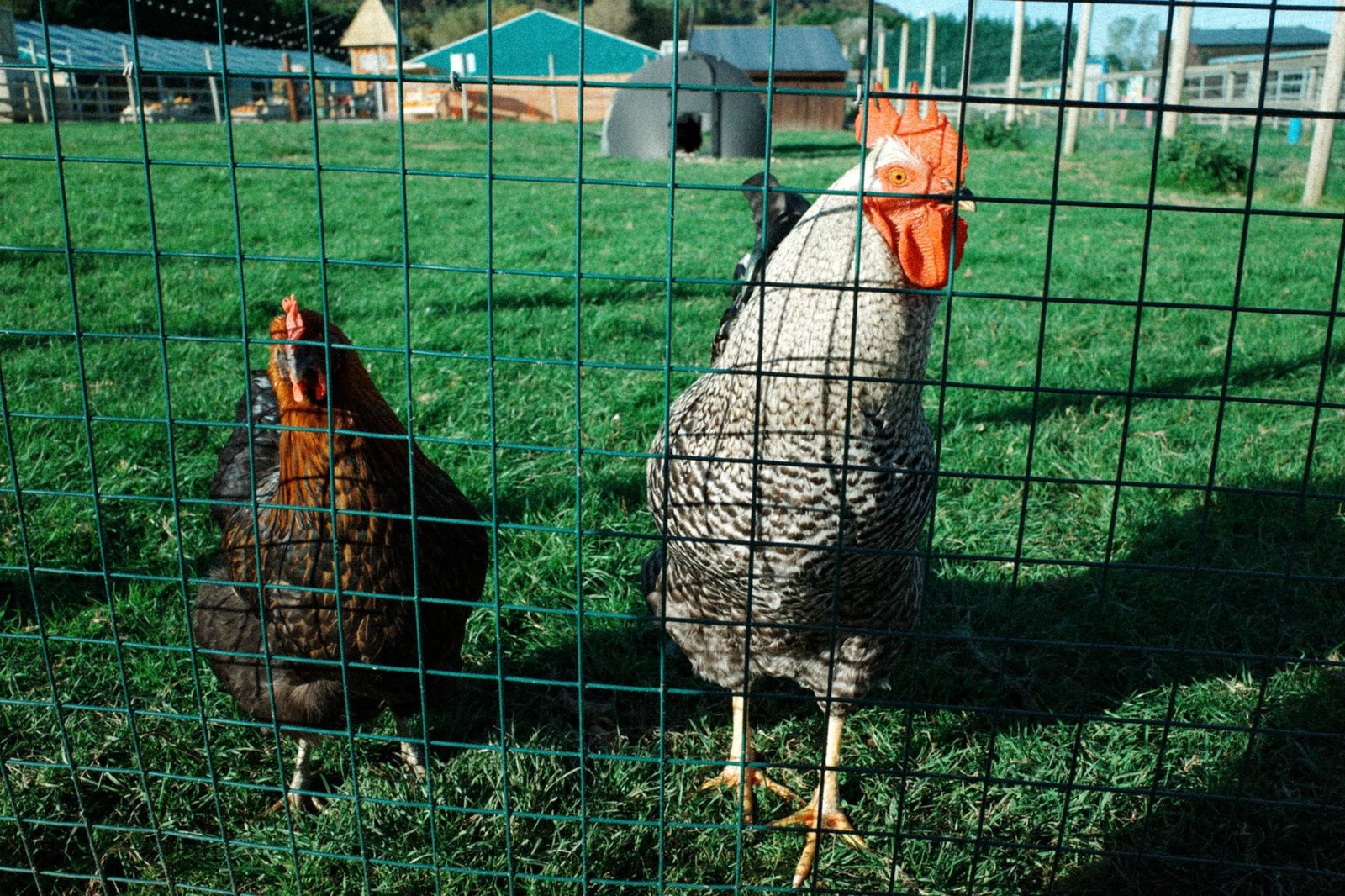
On the other hand, hardware cloth consists of stiffer, stronger welded wire. When sized and installed correctly, it creates a barrier that raccoons can’t rip, snakes can’t slither through, and rodents can’t gnaw apart. Compared to chicken wire, hardware cloth resists rust much longer and seriously reduces losses. For most backyard keepers, that difference means years of dependable service and far fewer heartaches.
If you’re also considering winter-proofing, check out our detailed advice on the best chicken coop for cold weather and tips to keep chickens warm in winter for truly year-round safety.
What Defines the Best Hardware Cloth for Chicken Coops?
So, what makes the best hardware cloth for chickens? The answer depends mostly on three technical features: mesh size, wire gauge, and coating.
- Mesh Size: The safest is ¼‑inch (6 mm), which blocks mice, rats, and snakes. Many coops use ½‑inch (12 mm) mesh since it’s cheaper and easier to source, but it may not stop smaller threats.
- Wire Gauge: Choose 19‑gauge (~0.9 mm thick) or heavier. Lower gauge numbers equal thicker, stronger wire—thin mesh is easier for predators to bend or break.
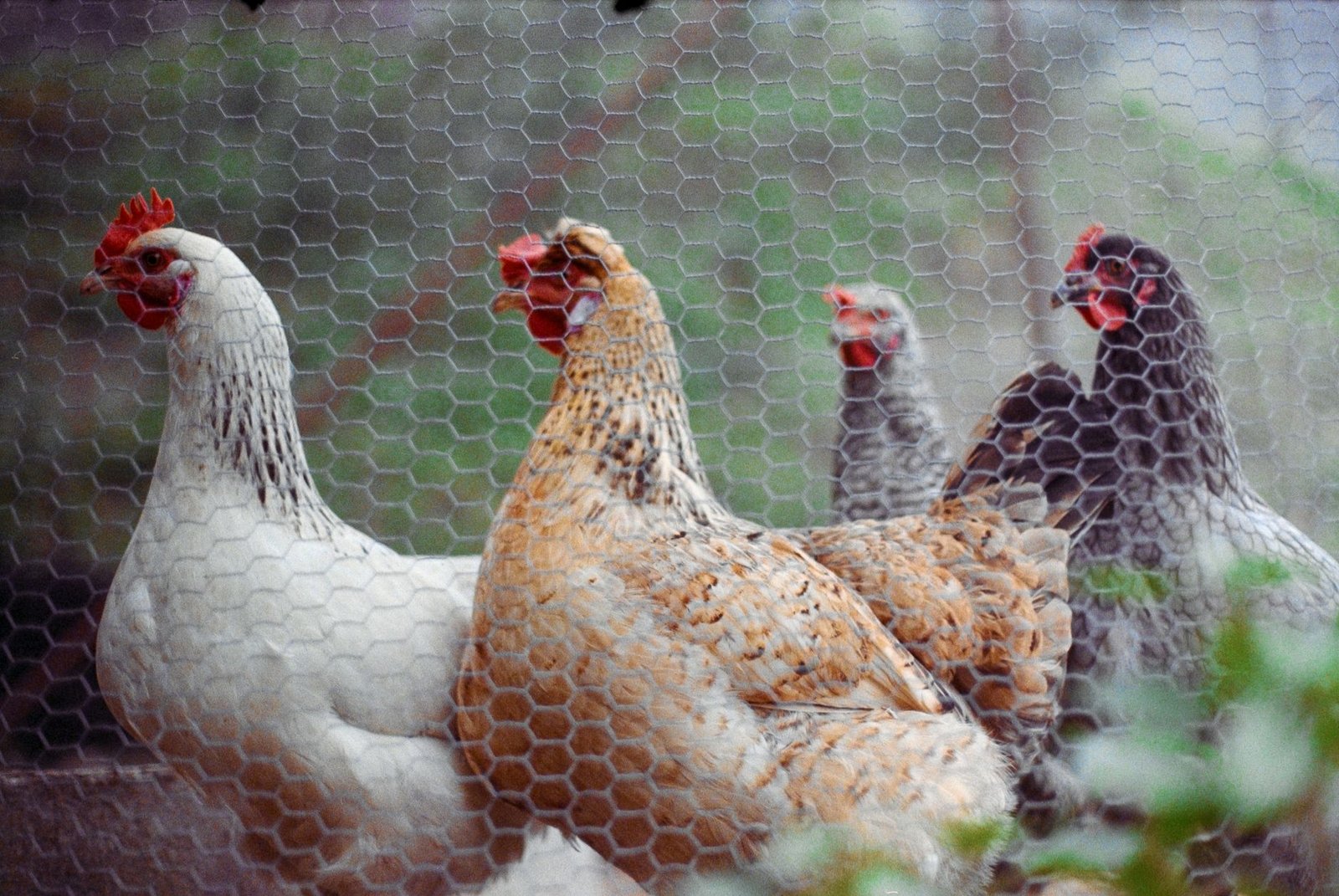
- Coating and Finish: Look for galvanized hardware cloth where the wire is hot-dip galvanized after welding (abbreviated GAW). This process coats even the welded joints—where rust usually starts. A PVC or double-galvanized overlay further extends its service life, with many reports of 20 years or more before major rust appears. Some owners prefer the extra moisture resistance of PVC-coated mesh for runs or panels set directly on wet or muddy ground.
For a simple breakdown:
- Quarter-inch mesh keeps out nearly all pests (including snakes and mice)—the gold standard for safety.
- Half-inch mesh is a budget-friendly compromise but doesn’t stop every rodent.
- 19-gauge or thicker wire is critical; thinner mesh may sag or be torn by raccoons.
Products that are galvanized before welding (not after) do not last as long, especially if exposed to rain or buried in the soil.
If maximizing predator resistance is your main goal, explore the options covered in predator proof chicken coop as well.
Comparing Your Options: Hardware Cloth vs Welded Wire Mesh vs Chicken Wire
Plenty of new owners ask whether welded wire mesh, chicken wire, or hardware cloth is right for their coop fencing plan. Here’s how they stack up in the real world:
| Material | Predator Security | Durability | Ease of Install | Cost | Common Failures |
|---|---|---|---|---|---|
| Quarter-inch Hardware Cloth | Excellent (stops all rodents, snakes) | Long (typically 10–15 years when hot-dip galvanized in outdoor soil contact) | Medium (can be stiff to cut and shape) | Moderate | Rust if low-quality; possible sag without support |
| Half-inch Hardware Cloth | Good (large enough to let in mice/small snakes) | Long (typically 10–15 years with best finish in outdoor soil contact) | Medium | Lowest per square foot | Sag, possible rodent entry, rust if cheap |
| Welded Wire Mesh (Cattle Panel) | Very High (16‑gauge is nearly rigid) | Very Long | Hard (need heavy tools & strong posts) | High | Very rare unless poor install |
| Chicken Wire | Poor (raccoons and foxes easily breach) | Short (rusts quickly, sags) | Easy (flexible, simple to staple) | Lowest | Total flock loss from predators, rapid rust |
Owner reports and many external sources warn that chicken wire quickly fails against determined raccoons or even strong wind and snow. Many people say welded wire panels are “overkill,” but if you’re in a high-predator area or want the coop absolutely bombproof, heavy wire mesh or cattle panels (16‑gauge and up) remove almost all risk—at a significant cost.
Still unsure? Check out the best chicken run designs to see how different fencing options are used in actual suburban and rural setups.
Typical Prices & Sizing for Galvanized Hardware Cloth
For budgeting, it’s important to know what you’ll actually spend on the best hardware cloth for chickens. Prices vary by mesh, finish, and whether you buy large rolls or small panels.
- 36‑inch by 100‑foot rolls of half‑inch, 19‑gauge hot-dip galvanized hardware cloth: general price is between $35 and $55 per roll.
- Quarter‑inch mesh rolls run more—typically $45 to $65 for the same length and gauge.
- Panels (like 4 x 8 foot) fall in the $60 to $90 range.
Going with rolls over panels can save money, especially if you have a large area to secure. However, don’t cut corners by buying lower-quality, thinner, or pre-weld galvanized wire. Those short-term savings are often wiped out with early rust or a single predator breach.
Local farm stores and hardware suppliers sometimes offer bulk discounts, but be cautious of unfamiliar brands online. When in doubt, check product reviews for rust, stiffness, and true gauge consistency. Read real owner reviews here to compare features and durability before buying.
For other key equipment upgrades that maximize your coop value, browse guides on the best automatic chicken coop door and best chicken feeder no waste.
Common Complaints and How to Avoid Failure
Even owners who buy good hardware cloth sometimes run into issues. Here are the most frequent complaints—and the fixes:
- Rust: Cheaper mesh that’s galvanized before welding often rusts in wet, humid, or soil-contact spots. Mold and weakened wire soon follow. Solution: Always use hot-dip galvanized after welding or PVC-coated mesh, especially for buried sections or exterior runs.
- Sagging or Warping: Hardware cloth that’s not stretched tight or properly fastened will droop, kink, or develop gaps. Solution: Use plenty of heavy-duty staples, screws with washers, or fencing clips at short intervals, and add wooden or metal supports for spans over 2 feet wide.
- Weak Gauge or Poor Install: Thin mesh—higher than 19‑gauge—bends easily. Poorly fastened mesh lets raccoons, foxes, and even large rats chew, claw, or pry their way in. Solution: Choose at least 19‑gauge or thicker, and reinforce every edge and corner securely.
- Access Points Around Doors or Vents: Many break-ins occur at the coop’s weakest links. Solution: Secure all openings with the same quality cloth, install hardware with overlapping seams, and inspect for weak spots each season.
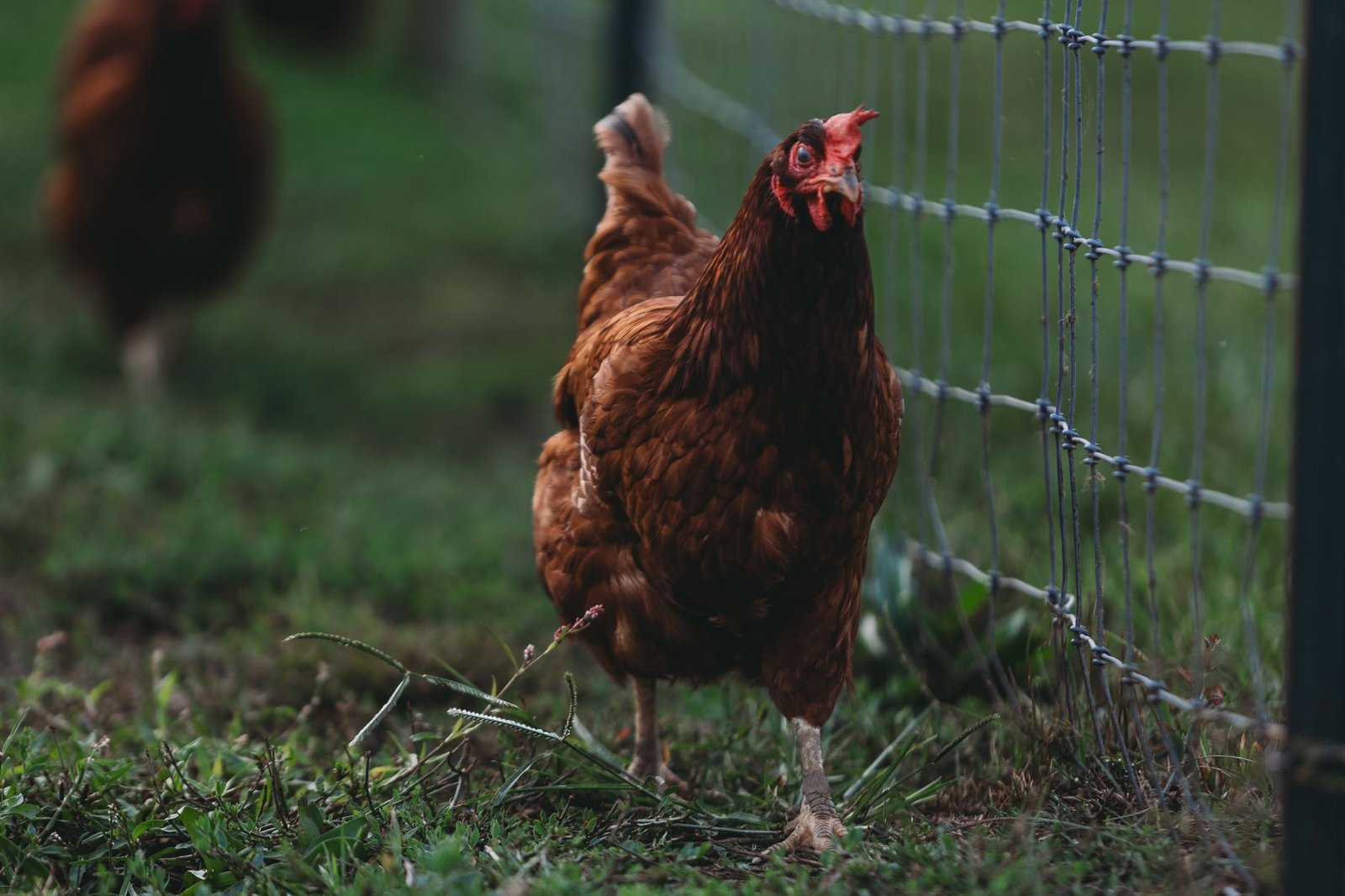
For new keepers, these frustrations often lead to costly repairs—or tragic flock loss—after a season or two. If you’ve had failures before, or are just starting out, investing in high-quality predator proof chicken coop supplies means fewer headaches in the long run.
Conclusion
Learning from other keepers’ real experiences is the fastest way to avoid regret. The best hardware cloth for chickens is always a compromise between cost, safety, and longevity—but hot-dip galvanized after welding (or PVC-coated), ¼‑inch or ½‑inch mesh, and 19‑gauge or heavier wire has proven results and owner satisfaction for all climates and flock sizes. Skip the cheapest chicken wire to save money and heartbreak. Ready to upgrade? Assess your coop and start securing those exposed openings today. For more practical advice and reviews, visit our detailed guides above.
FAQ
What size hardware cloth is best for chicken coops?
Quarter-inch (6 mm) mesh hardware cloth offers the most protection, blocking rats, mice, and snakes. Half-inch (12 mm) mesh is adequate for most coops if a budget is important, but may not stop all pests.
Is galvanized hardware cloth safe for chickens?
Yes, hot-dip galvanized after welding or PVC-coated hardware cloth is safe and highly recommended due to corrosion resistance and smooth edges, minimizing injury and rust risk.
Can I use chicken wire instead of hardware cloth for my coop?
Chicken wire is not recommended for predator-proofing. Its large holes and thin gauges mean raccoons, foxes, and other predators can tear through, and it rusts fast. Use hardware cloth for all access points and fencing.
How do I prevent rust and sagging in hardware cloth?
Choose hot-dip galvanized after welding (GAW) or PVC-coated mesh, and support the wire with proper framing and frequent staples, screws, or fencing clips. Avoid cheap, pre-galvanized mesh.
What gauge should I look for in hardware cloth for chickens?
Use 19-gauge (roughly 0.9 mm thick) or heavier mesh for strength and predator resistance. Avoid thinner gauges as they’re easier for animals to chew or bend.