
As an Amazon Associate we earn from qualifying purchases. This article contains affiliate links; we may earn a small commission at no extra cost to you.
best heated chicken waterer upgrades are one of the smartest investments for backyard flock owners dealing with tough winters. No one enjoys returning to the coop at dusk only to find their birds’ water frozen solid. Yet, picking a truly reliable, low-hassle heated poultry waterer isn’t nearly as simple as it looks—and even highly rated ‘no freeze waterer’ models can disappoint in subzero temperatures. This complete guide covers the market’s latest trends, what to watch for, and how to make the right decision for your birds and your budget.
Key Takeaways
- Even the best heated chicken waterers can suffer freezing at nipples or cups, power outage failures, and insulation issues in extreme cold.
- 2025–2033 market trends show a projected CAGR of 7% with seasonal winter demand peaks for heated waterers, more premium features, and big growth in North America and Europe—so there are more choices, but also new pitfalls.
- Energy use, base compatibility, and real maintenance needs are often skipped in reviews—plan for ongoing upkeep costs beyond just the price tag.
- Why You Need a Heated Chicken Waterer for Winter
- 2024 Market Insights: Heated Chicken Waterer Trends & Pricing
- Top 5 User Pain Points & What Actually Fails
- What Most Reviews Miss: Energy Use, Base Compatibility & Maintenance
- 2025–2027: What’s Changing in Heated Poultry Waterers?
- Buying Guide: How to Pick the Best Heated Chicken Waterer
- FAQ
Why You Need a Heated Chicken Waterer for Winter
If you’ve ever owned chickens in a cold climate, you know that regular waterers freeze fast on subzero days. Even so-called ‘no freeze waterer’ options may ice up at the drinker nipples or inside small cups, especially during long cold snaps. This isn’t just an inconvenience—frozen water puts your flock at risk for dehydration, reduced egg production, and even deadly health problems. User reports make it clear: the top causes of winter chicken water trouble are ice blockages at the nipples or inside accessible cups, loss of electricity that turns heaters off, and poor insulation that lets wind or cold seep into the water supply. In short, winter chicken water needs special protection—not only from air temperature but from wind paths, poor heater design, and unpredictable weather swings.
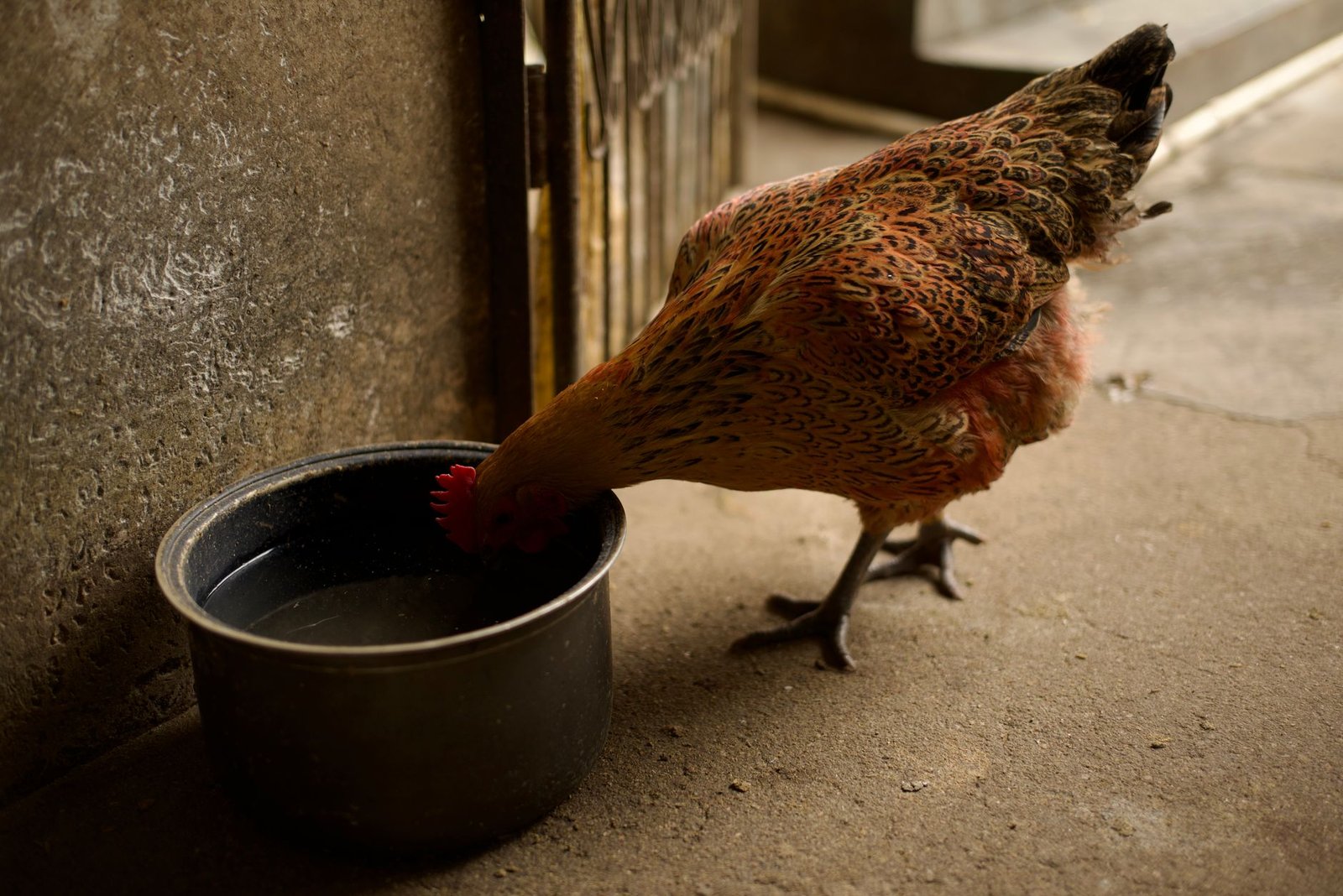
Even headline models labeled ‘no freeze waterer’ can leave you frustrated if the thermostat drifts or if water sits in exposed nipples. Owners in places like Minnesota and Ontario report that frozen parts or leaking seals are consistent winter headaches. Choosing a heated poultry waterer that tackles these real-world hazards is essential for healthy birds and peace of mind.
For coop insulation strategies that complement your waterer upgrade, see our in-depth guide on best chicken coop for cold weather.
2024 Market Insights: Heated Chicken Waterer Trends & Pricing
The heated chicken waterer market has gained major momentum through 2024. Asia-Pacific is expected to be the fastest-growing region in the livestock waterer market forecast period, with heated waterers accounting for 18.2% market share and a fast-growing Asia-Pacific region makes up the balance. You’ll find everything on shelves from entry-level, battery-powered 2-gallon drinkers to premium 5-gallon heated poultry waterer models with built-in thermostats and insulated bases. Heated automatic poultry waterers with 60W–100W heaters and built-in thermostats are the top recommendation for maintaining egg production below 40°F, while farm bulk kits can run higher. New entrants are rushing to meet demand from new chicken keepers—especially after recent cold winters forced many to upgrade their setups.
Expect more options but also higher prices for tech-forward waterers between 2024 and 2027. Smart sensors, digital thermostats, and better-insulated bases are making their mark. For current market trends and detailed pricing, external resources like Future Market Insights provide a broad industry perspective. If you’re expanding your flock or building an all-season coop, understanding these price ranges is crucial for budgeting.
Related: keep chickens warm in winter for full-system tips beyond just waterers.
Top 5 User Pain Points & What Actually Fails
Every winter, flock owners post about a set of recurring heated waterer breakdowns. According to direct user experience and buyer feedback, here’s what you’re most likely to face with a ‘no freeze waterer’ or heated poultry waterer:
| Pain Point | What Happens | Real-World Impact |
|---|---|---|
| Freezing nipples/cups | Water locks up even though base is heated | Birds denied water, possible health crisis |
| Power outage failures | Heater stops, water freezes rapidly | Manual thawing or emergency backup needed |
| Leaks and spills | Poor seals or cracked elements let water escape | Wet bedding, wasted energy, dangerous ice |
| Thermostat drift | Water gets too cold or overheats | Freezes anyway, higher utility costs |
| Insulation failures | Cold seeps in around base or supply lines | Inconsistent heating, higher risk of freezing |
One real user from Meyer Hatchery described consistent freezing of a vertical nipple system even with a heater present. Other flock keepers in very cold states reported that waterers sometimes leak, overflow, or develop ice above the heating element itself. Not all products are equally durable—base fit and insulated design matter as much as wattage or price.
Be sure to check the heated poultry waterer’s base compatibility before buying. If you want to minimize mess year-round, our best chicken feeder no waste guide is worth a look for an easier routine.
What Most Reviews Miss: Energy Use, Base Compatibility & Maintenance
When choosing the best heated chicken waterer, there are some big details most reviews barely touch:
- Energy Use: Most heated water bases draw 40–80 watts, translating to about $0.04–$0.12 per day at average US power rates. If your winter is long, that adds up. Smart thermostats and insulated bases save money over time.
- Base Compatibility: Not all heated water bases fit every waterer or bucket. Most options require standard 2–5 gallon plastic or metal models with level, insulated platforms to avoid heat loss.
- Maintenance: Cleaning cycles every 2–4 weeks help prevent slime buildup and mineral scale. Seal replacement frequency varies by model and usage; check manufacturer guidelines for specific maintenance intervals. Some waterers take add-on anti-scale cartridges, which can add $10–$25 to your cost of ownership.
| Feature | Typical Details | Hidden Costs |
|---|---|---|
| Energy Use | 40–80 watts $0.04–$0.12/day |
Annual electricity bill |
| Cleaning | Every 2–4 weeks | Time and sanitation products |
| Seal Replacement | Every 1–2 years | New gaskets/seals |
| Anti-scale Cartridges | Optional | $10–$25 each, lasts a season |
| Base Fit | Needs flat insulated platform | May require separate purchase |
When calculating the true cost of any heated water base or poultry waterer, factor in ongoing cleaning, future part costs, and the extra few cents each day for electricity. Even a moderate flock can make maintenance a weekly chore in winter. For full protection (feeds, water, and automated doors), check out our best automatic chicken coop door guide.
2025–2027: What’s Changing in Heated Poultry Waterers?
Looking ahead, the heated poultry waterer market is expected to expand further, especially in regions hit hardest by unpredictable cold snaps and longer winters. Forecasts predict strong growth through 2027, with new owners and bigger flocks driving demand for smarter, more energy-efficient, and maintenance-light products. Look for these likely shifts:
- Increased focus on lower-watt, thermostatically controlled heated water base models to cut energy costs
- Better insulation and modular bases for easier fitment in smaller coops
- Improved anti-freeze design—less risk of frozen drinker nipples or spillage
- Greater availability of smart and remote-monitoring options as premium upgrades
Climate change is one reason—winters are getting more volatile in North America and Northern Europe, so waterers need to cope with both deep freezes and sudden thaws. Backyard keepers want gear that holds up to the unexpected. See the broader poultry equipment trends in this external research for more context on chicken care product growth.
To learn how to secure your coop overall, see our report on predator proof chicken coop.
Buying Guide: How to Pick the Best Heated Chicken Waterer
Making a smart purchase starts with matching your flock’s size, climate, and maintenance tolerance to the right model. Here’s your decision checklist:
Your best heated chicken waterer should score high in:
- Correct size: Minimum 2 gallons for small flocks, 5 gallons or more for larger setups
- Base compatibility: Confirm your waterer fits your base or comes as a complete system
- Maintenance: Look for units with easy-clean features and replaceable seals or filters
- Price: Expect $45–$120 for most backyard units, more for multiple coops or premium digital thermostat options
- Energy Efficiency: Lower wattage and smart controls save money—look for adjustable thermostats and insulated designs
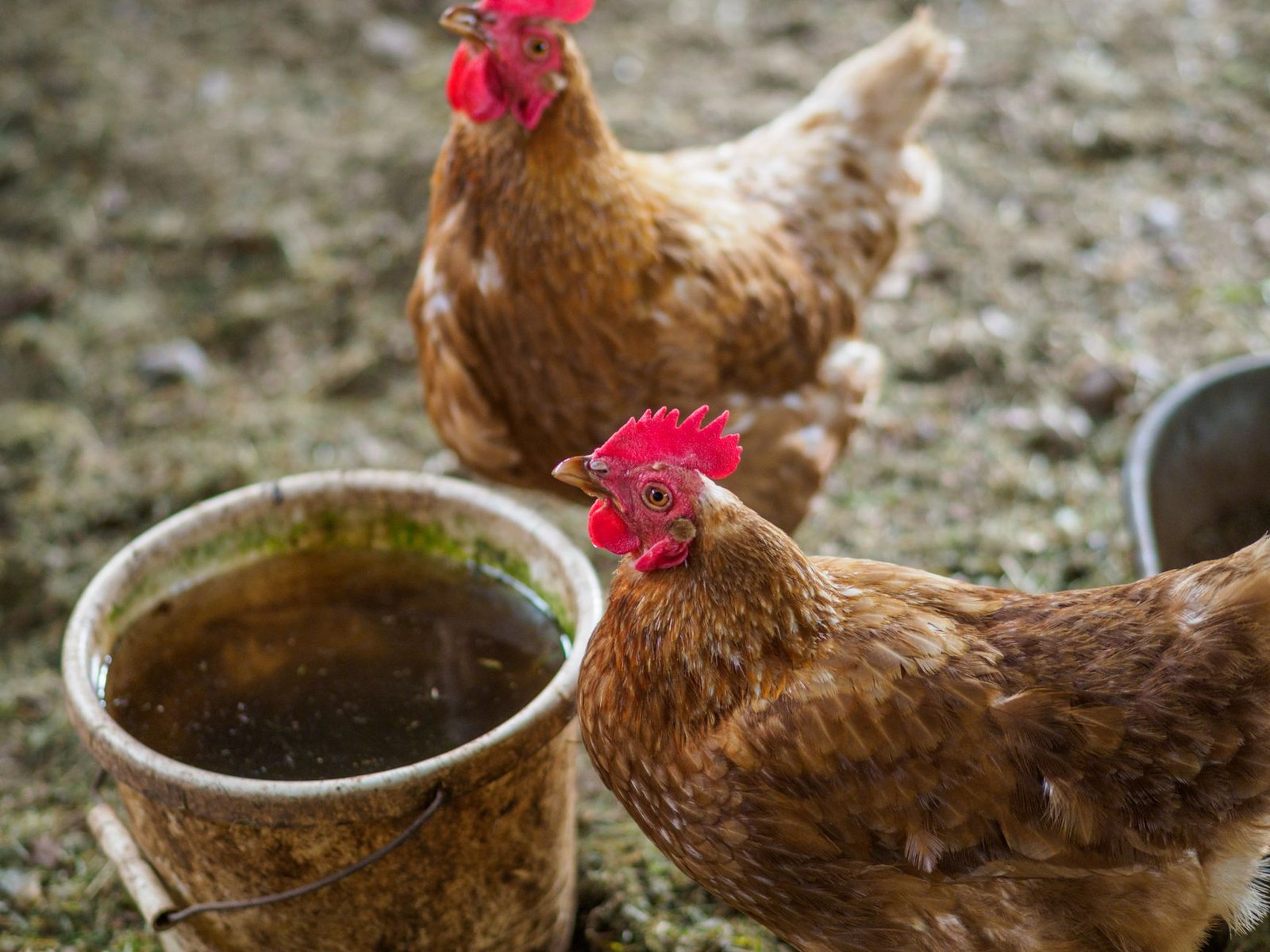
For hatchlings, check our recommendations for best egg incubator for beginners—the right start pays off for future flocks. And if you’re re-evaluating your winter flock management, combine heated waterers with a draft-free coop build for best results.
Quick Decision Checklist:
- How many birds? Size up to 5 gallons for 6+ hens.
- Will it fit your coop’s platform/base?
- How easy to clean in winter gloves?
- Are replacement seals and anti-scale cartridges available?
- Does price reflect built-in insulation and thermostatic control?
Advanced Analysis & Common Pitfalls
Dig beneath the advertising, and a few major pitfalls appear—especially with newer, budget, or imported heated chicken waterers:
- Underpowered heaters: Bases that draw too little power or lack a thermostat often can’t keep up during multi-day deep freeze.
- Non-replaceable parts: Units without removable seals or filter cartridges tend to fail earlier and are hard to repair.
- Poor insulation: Thin plastic or metal allows cold to bypass the heater, leaving the water just above freezing—or even much colder in wind.
- Bad base fit: If the unit wobbles or tips, leaks and rapid cooling are likely. Always check compatibility and level installation.
- Neglected cleaning: Owners who leave cleaning too long may face algae, frozen valves, or scale buildup that blocks heating entirely.
Comparing several top models, notice how premium brands boost insulation, use reliable thermostats, and offer simple part swapping. These upgrades reduce the headache risk year after year. If you ever want to further winterize your setup, see our round-up on cold weather chicken care for a full preventive checklist.
Conclusion
Winter-ready waterers are not simply a luxury—they’re a vital link to your flock’s health in any frosty climate. Market trends show continued evolution in design and rising prices, but skipping on insulation, energy controls, or routine maintenance often costs more in the long run. Whether your birds are backyard pets or part of a hobby farm, planning for real-world maintenance, base compatibility, and actual running costs will save you work and protect your investment. Browse carefully, compare the options above, and choose the best heated chicken waterer that matches your climate and flock needs. Ready to upgrade your setup? Take action—your chickens (and your peace of mind) will thank you.
FAQ
Will a heated poultry waterer still work during a power outage?
No. Most heated chicken waterers require continuous electricity. If your area is prone to outages, keep a backup plan like insulated bottles or manual water changes in case of emergency.power outage
Do heated water bases fit all chicken waterers?
No. Heated water bases are designed for specific bucket styles and sizes. Always check if your waterer is compatible with the base before purchasing.
How often should I clean a heated chicken waterer in winter?
Most heated poultry waterers should be cleaned every 2 to 4 weeks, or more often if you notice slime or discoloration. Regular cleaning helps prevent scale and freezing issues.
Can chicken water nipples freeze even with a heated base?
Yes. Even with a heated water base, the chicken water nipples or drinking cups on some waterers can freeze in extreme cold, especially if poorly insulated or if the heater does not reach those points.
What is the most energy-efficient heated chicken waterer?
Energy-efficient waterers typically feature built-in thermostats and extra insulation. Look for models rated in the 60 to 100 watt range with built-in thermostats for optimal performance below 40°F with smart controls for the best balance of power savings and performance.
Sources
- https://www.accio.com/business/trend-of-chicken-water-drinker
- https://www.accio.com/business/automatic-chicken-waterer
- https://marketintelo.com/report/livestock-waterer-market
- https://www.researchandmarkets.com/reports/5735065/poultry-brooders-feeders-waterers-market-report
- https://www.youtube.com/watch?v=FthW4EnL5Bs