
As an Amazon Associate we earn from qualifying purchases. This article contains affiliate links; we may earn a small commission at no extra cost to you.
Best nesting boxes for chickens are essential for anyone who wants dependable egg collection, easy coop maintenance, and healthy, happy backyard hens. Whether you’re buying your first chicken nesting box or optimizing an existing setup, understanding what really works (and what doesn’t) saves you money and time—and keeps your flock laying clean, unbroken eggs.
Key Takeaways
- The best nesting boxes for chickens are sized for comfort, easy to clean, and built for your climate.
- Drainage, insulation, and proper padding keep eggs unbroken and nest boxes pest free.
- Roll away nesting box designs and external access features reduce cleaning/collection hassles.
- What Makes the Best Nesting Boxes for Chickens?
- Exact Specs Buyers Should Look For (Dimensions, Materials, Insulation)
- Getting Drainage and Moisture Control Right
- Roll Away Nesting Boxes: Features and Benefits
- Choosing the Right Nesting Pads for Clean, Safe Eggs
- Price Guide: From DIY to Premium Nesting Boxes
- Common Problems—and Unique Fixes the Big Guides Miss
- Maintenance Tips for Happy Hens and Clean Eggs
- Frequently Asked Questions about Chicken Nesting Boxes
What Makes the Best Nesting Boxes for Chickens?
The best nesting boxes for chickens provide a safe, clean, and inviting spot for hens to lay eggs. A proper chicken nesting box should strike the right balance between comfort, cleanliness, privacy, and accessibility, reducing stress in your flock and minimizing broken or dirty eggs.
Research and experienced keepers agree: a minimum interior size of 12 × 12 × 12 inches (30 cm × 30 cm × 30 cm) per box suits most standard hens, though some sources recommend 12″ wide × 12″ deep × 16″ tall for adequate depth[12][13], while at least one box per 3–4 chickens prevents crowding, with some experts recommending 1 per 2–3 hens for optimal comfort[4][9]. Chicken nesting box openings should be 4–6 inches wide and boxes should be mounted 18–24 inches (1½–2 ft) off the coop floor, but lower than roosting bars[1][2], so hens enter easily without jumping or getting injured (source, source).
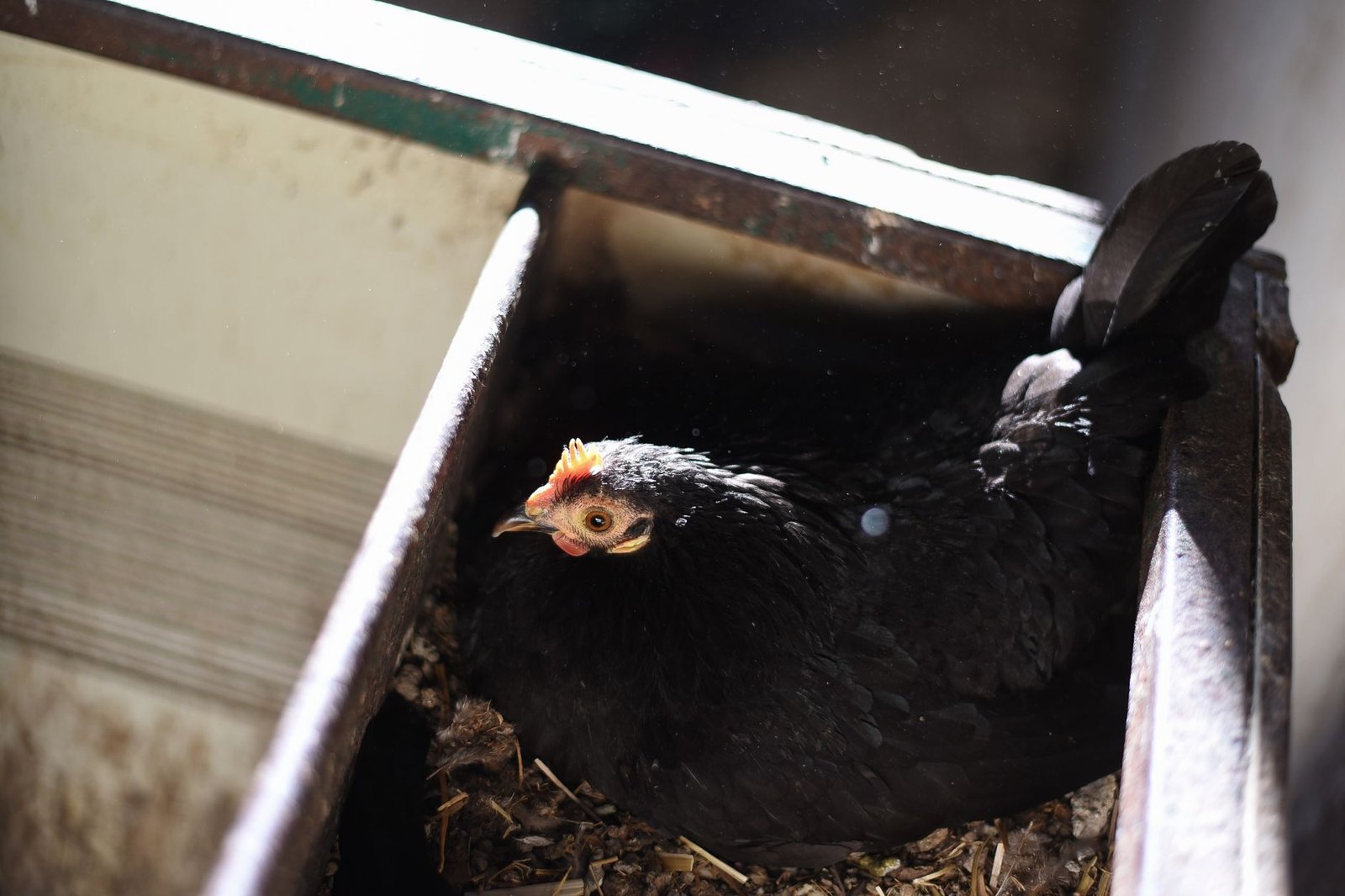
Well-designed boxes connect directly with hen behavior: hens prefer private, cozy spaces with soft bedding. Features that prevent roosting on top—such as sloped roofs—reduce mess, while easy access and smooth interiors make for faster daily cleaning. The right nesting box also discourages egg-eating and deters pests by limiting excessive moisture and soiled bedding.
For more ways to keep your flock comfortable year-round, check out our guide to the best chicken coop for cold weather.
Exact Specs Buyers Should Look For (Dimensions, Materials, Insulation)
Finding the best nesting boxes for chickens means matching your setup to your climate, chicken breed, and maintenance preferences. Here’s what to look for:
- Dimensions: For most standard breeds, go for 12 × 12 × 12 inches. Larger hens (or winter insulation) do well with 14 × 14 × 14 inches. Bantams can use 10-inch (25 cm) boxes, as they require less space than standard breeds[4] (source).
- Materials: Untreated pine, cedar, or plywood are classics, but rot-resistant hardwoods and painted metals last longer—especially in humid areas. Heavy-duty plastic chicken nesting boxes are easy to wash and don’t absorb odors, but can get hot in direct sun.
- Insulation and Climate: For harsh winters, thicker wood (or foam board lining) helps prevent frozen eggs and keeps hens comfortable—as does a larger box. In hot climates, use ventilated, lighter-colored boxes to avoid heat buildup.
- Interior Features: Rounded corners, recessed entryways, and smooth floors stop eggs getting caught or broken.
- Mounting: Keep boxes low (1½ ft off floor for most breeds) and stable. Add a perch or ramp for heavy or less mobile hens.
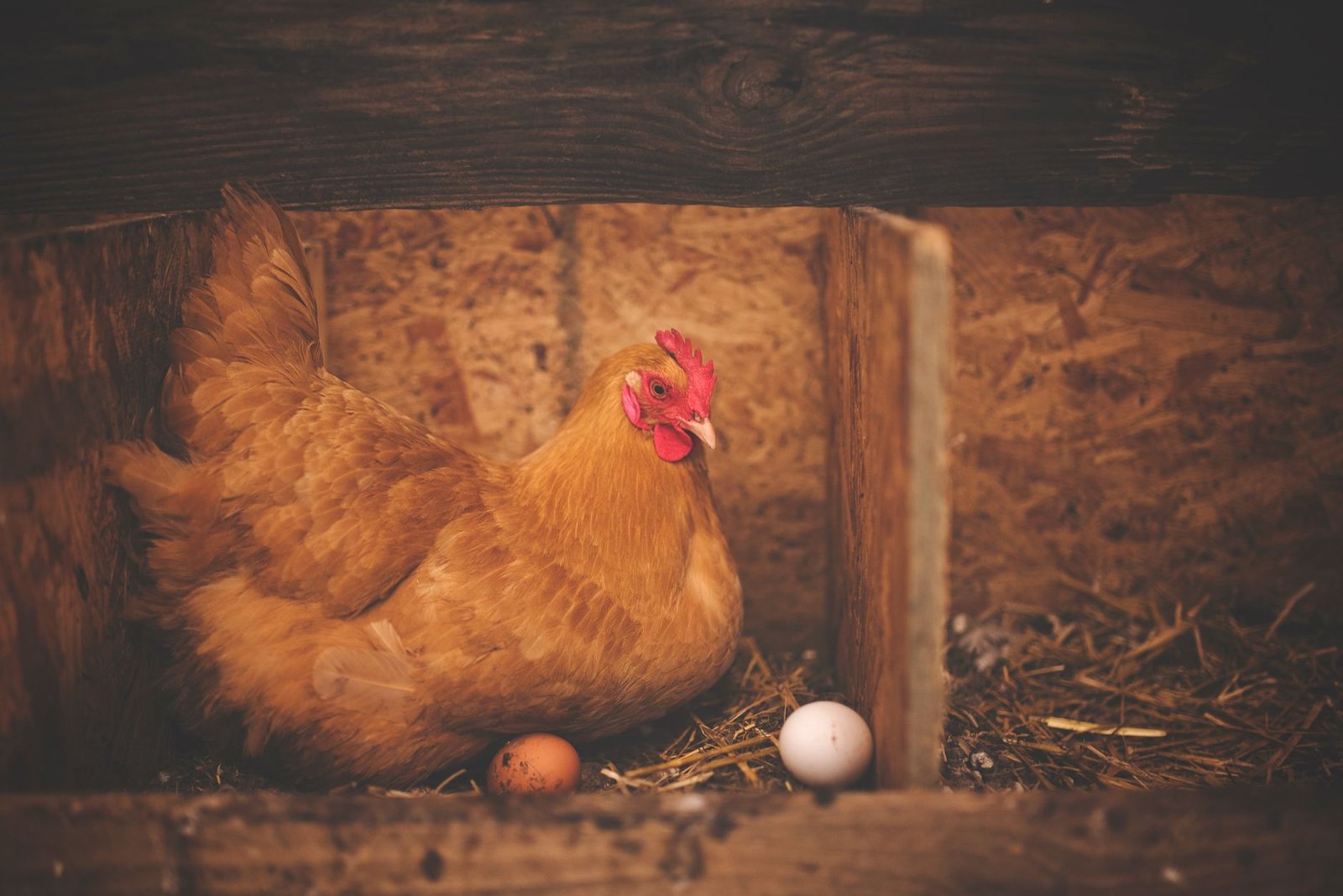
When choosing materials, remember: wood insulates best but can hold moisture (and bacteria). Painted or sealed wood chicken nesting boxes last longer with less scent. Metals and plastics are low maintenance, with plastic offering fast clean-up, but metal boxes may sweat in cold weather, creating unwanted condensation. If you live in extremely cold climates, visit our tips for keeping chickens warm in winter.
Don’t forget ventilation—this can be a small gap or mesh near the top of the box, as long as it stays draft-free for the birds inside.
Getting Drainage and Moisture Control Right
Wet, soggy nesting boxes are the number one culprit behind cracked or dirty eggs, pest infestations, and bacterial growth. Even the best nesting boxes for chickens fail without proper drainage and moisture control.
- Floor slope: A slightly angled floor lets condensation or rainwater flow toward a small drain hole or pull-out tray, so bedding stays dry.
- Drain holes/trays: Removable trays placed below the bedding make cleaning easier—no stuck-on muck and fewer odors. Tiny drain holes (less than ¼ inch) let moisture escape but keep shavings in.
- Roof design: Sloped or overhanging lids prevent chickens from roosting (and pooping) on top, and also shed rain away from the entrance.
Owners say leaks and condensation are frequent sources of frustration—especially in wooden boxes exposed to rain, or plastic/metal boxes without ventilation (source).
For additional drainage strategies or year-round climate advice, read about cold weather coops and best heated chicken waterers.
Roll Away Nesting Boxes: Features and Benefits
Roll away nesting boxes are designed with a sloped floor so eggs gently roll away into a covered tray the moment they’re laid. This simple egg laying box innovation offers two major benefits:
- Reduces egg breakage and pecking: Hens don’t step or peck at freshly laid eggs, minimizing both breakage and egg-eating habits.
- Makes collection faster and cleaner: Eggs roll into a protected covered tray, often accessible from outside the coop via a hinged lid, so owners can gather eggs without disturbing the flock or stepping into the coop.
For ease of use, mount a roll away nesting box about 18–24 inches (1½–2 ft) off the ground, ensuring it remains lower than roosting bars to prevent hens from roosting in nests[1][2] and to limit exposure to ground moisture (source).
Egg laying box models designed for roll away use work best with artificial turf or rubber pads. This setup reduces the risk of cracked eggs compared to hard plastic or bare wood. If you’re upgrading your overall egg collection, consider using a best automatic chicken coop door in sync with your external roll away boxes for true hands-off morning routines.
Choosing the Right Nesting Pads for Clean, Safe Eggs
Nesting pads are the unsung heroes of the best nesting boxes for chickens. Well-chosen pads cushion eggs, wick away moisture, and guard against shell cracks.
- Aspen shaving liners: These provide excellent cushioning, absorb odors, and are often available in convenient 13 × 13 inch replacements (source).
- Straw: Common, affordable, but less absorbent and breaks down fast. Refresh straw often for best hygiene and fewer pests.
- Commercial rubber/turf pads: Extremely easy to wash and designed for roll away box setups (also great in humid or muddy climates).
Why does the right pad matter? Freshly laid eggs cool rapidly after leaving the hen, making them vulnerable to bacteria. Clean, dry nesting pads shrink contamination risks and keep your eggs safe (source).
Best practice: Replace nesting pads (or bedding) often—daily if soiled. To further avoid mess, use a roll away design so eggs don’t linger with droppings or debris. For more tips on reducing feed waste and mess, see our best chicken feeder no waste solutions.
Price Guide: From DIY to Premium Nesting Boxes
Chicken nesting box prices vary widely, depending on material, build complexity, insulation, and features like roll away trays or built-in padding:
- DIY plywood box: Many keepers build serviceable boxes from scrap wood for just a few dollars each.
- Basic pre-made wood/metal/plastic boxes: Mid-level options offer smooth interiors and sturdy build quality.
- Insulated roll away nesting box: You pay more for cold climate insulation and secure roll away trays but get cleaner eggs and less work.
- Premium boxes: These include built-in weather protection, ergonomic handles/latches, and replaceable nesting pads (great for anyone short on time or with a larger flock).
If you want to save money upfront and don’t mind occasional repairs, DIY may fit your needs. But if you’re after speed and simplicity, a premium chicken nesting box is a low-mess, low-maintenance investment. Pair high-end boxes with other automated gear (like the best automatic chicken coop door), and daily chores barely take five minutes.
Common Problems—and Unique Fixes the Big Guides Miss
Owners often run into the same frustrations with chicken nesting boxes: broken eggs, leaking roofs, pest infestations, and hard-to-clean corners. Here’s what most mainstream advice leaves out—and how to fix it quickly:
| Problem | Typical Cause | Actionable Fix |
|---|---|---|
| Eggs break or get dirty | Boxes are too large, too high, or lack soft padding; eggs roll back into flock area | Use proper size for your flock; add aspen shavings or rubber pads; test roll away design |
| Leaks, condensation, or soggy bedding | No roof slope, missing drain hole, or improper sealing | Ensure floor is sloped toward drain/tray; overhang roof; weatherproof seams; use only rot-resistant wood/plastic |
| Pests (mites, rodents) | Soiled pads, uncollected eggs, gaps/holes in construction | Collect eggs daily; use fitted pads; seal gaps; avoid rough interiors where mites hide |
| Cleaning takes too long | Box interior is rough/splintery, bedding sticks, or trays can’t be removed | Choose smooth-finish boxes, line bottom with fitted rubber pads or trays, avoid squared corners |
| Difficult egg collection | Boxes only accessed from inside, or are mounted too high/low | Go for external hinged lids or slide-out trays; mount roll away boxes 18–24 inches (1½–2 ft) from ground, keeping them lower than roosting bars to discourage roosting in nests[1][2]; add ergonomic handles |
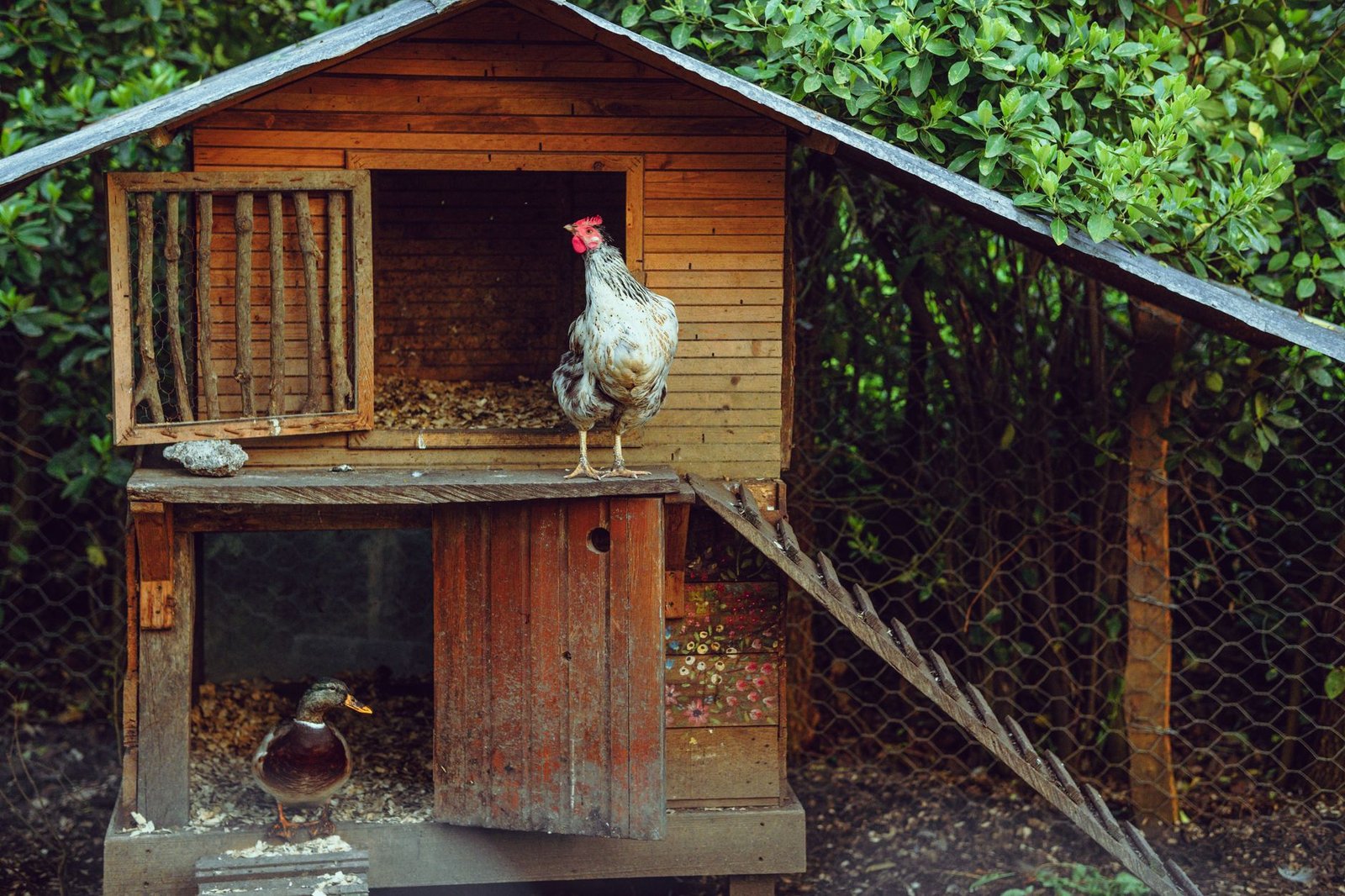
These overlooked features save hours over a season and directly impact egg quality and daily maintenance. For full pest-prevention and predator-proofing, learn about predator proof chicken coops.
Maintenance Tips for Happy Hens and Clean Eggs
The best nesting boxes for chickens aren’t just about design—they stay functional thanks to daily routines:
- Collect eggs every day. Prompt collection prevents breakage, deters rodents and pests, and keeps eggs clean.
- Replace soiled nesting pads promptly. Dirty pads are magnets for mites, flies, and bacteria. Even a single dirty pad can contaminate the day’s eggs (source).
- Weekly wipe-down: Remove all bedding/pads; scrub smooth interiors with hot, soapy water; let dry before resetting with fresh pads.
- Seasonal deep cleaning: Hose out removable trays/pads; inspect for hidden droppings, pest buildup, or rotting corners; air dry in sun when possible (source).
Pro tip: Use linseed oil or non-toxic sealant on bare wood interiors to increase lifespan and make cleaning painless. For more high-quality flock care tips, visit our best egg incubator for beginners guide.
Frequently Asked Questions about Chicken Nesting Boxes
How high off the floor should the chicken nesting box be?
The bottom of the lowest nest should be about 1½ feet from the coop floor for most breeds, especially heavier hens.
How many nesting boxes do I need for my small flock?
Plan for at least one nesting box per 3 to 5 hens. More boxes help reduce crowding and egg breakage.
What is the easiest nesting box setup to clean?
Roll away nesting box designs with removable trays or plastic interiors are the easiest to wash and require less daily effort.
How do I fix leaks or prevent moisture problems in my chicken nesting box?
Ensure your box has a sloped roof, a slightly angled floor, and a small drain hole or removable tray to catch condensation. Use only weather-resistant materials.
What’s the best nesting pad material for clean eggs?
Aspen shaving liners or commercial rubber pads offer the best cushion and are easy to change out regularly.
Sources
- https://thehomesteadingrd.com/chicken-nesting-box-size/
- https://www.flockguide.com/articles/chicken-nesting-boxes-guide
- https://poultrykeeper.com/keeping-chickens/nesting-boxes/
- https://www.backyardchickens.com/articles/nesting-boxes-everything-you-need-to-know-about-these-coop-essentials.72484/
- https://www.aosom.com/blog-how-big-should-a-chicken-nest-box-be-for-healthy-hens.html
- https://audreyslittlefarm.com/chicken-nesting-boxes/