
As an Amazon Associate we earn from qualifying purchases. This article contains affiliate links; we may earn a small commission at no extra cost to you.
Droppings board for chicken coop is one of the most effective upgrades you can make for a cleaner, healthier, and easier-to-maintain backyard flock. If you’re tired of scrubbing dried manure, battling odors, or finding warped “poop boards” that just don’t last, identifying the right solution for your coop—and climate—saves time and energy from day one.
Key Takeaways
- A well-fitted droppings board for chicken coop design simplifies cleaning and minimizes flock odors by capturing the majority of overnight manure.
- Material choices and tray systems matter: go for sealed composite, vinyl sheeting, or removable trays for best longevity and odor control—especially in humid or wet climates.
- Poor sizing, leaky designs, and complicated removal are common pitfalls; compare specs and review real-world failures before you buy or build.
- Why You Need a Droppings Board for Your Chicken Coop
- Buyer-Ready Specs: Sizing and Mounting by Coop Type
- Materials and Removable Tray Systems: What Works and What Fails
- Solve the Top 3 Coop Owner Pain Points (Warping, Rust, Odor)
- Failure Modes & What Competitors Miss: Gaps to Avoid When Buying
- Price Comparison and Smart Picks by Setup & Budget
- Quick Setup & Maintenance Steps For Maximum Coop Hygiene
- FAQs
Why You Need a Droppings Board for Your Chicken Coop
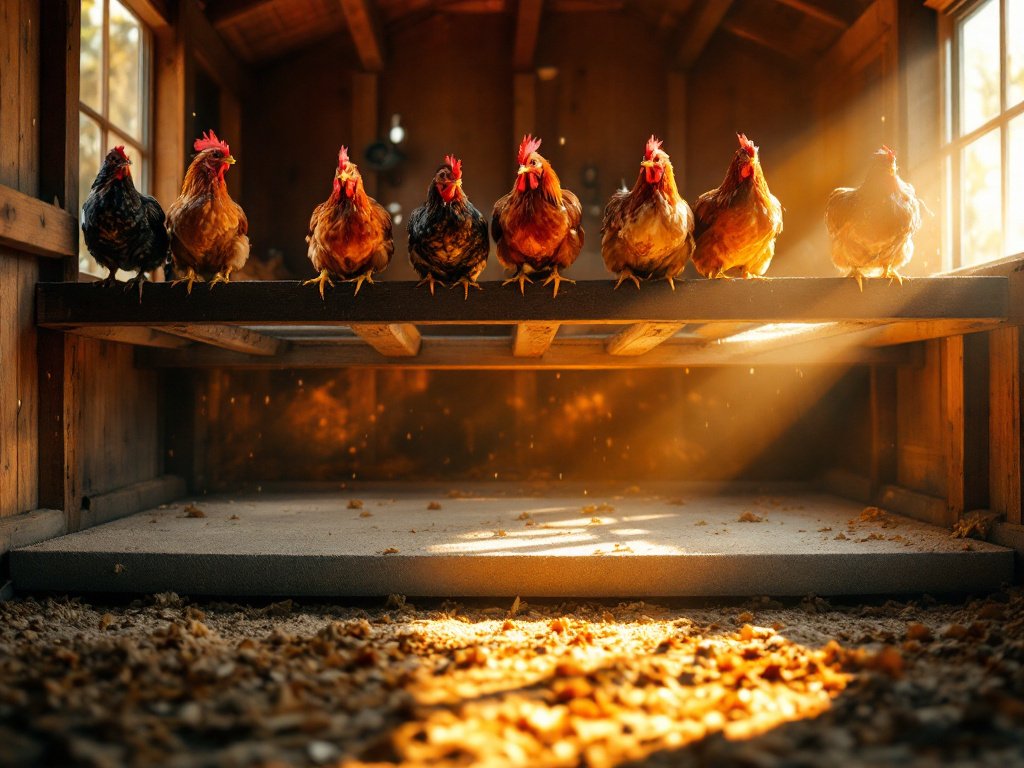
A droppings board for chicken coop setups is a platform (or tray) installed just beneath your chickens’ roost bars. Its core function is to catch most of the manure your hens produce while sleeping—dramatically reducing the mess that accumulates below, making daily coop cleaning almost effortless compared to basic dirt or wood floors.
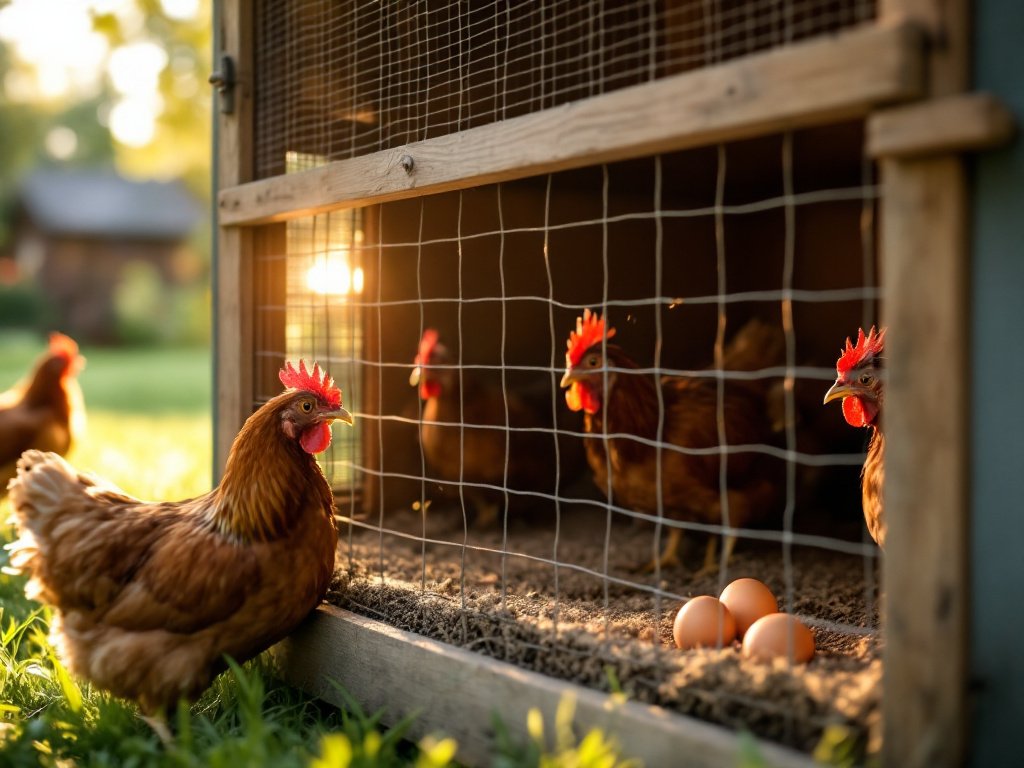
Most boards are set approximately 8 inches beneath the roost; the board should extend at least 6–8 inches past the edges of the bars. This simple design can capture a significant amount of overnight droppings. When used correctly, weekly cleaning often takes just minutes and keeps your coop smelling fresher with less ammonia, fewer flies, and reduced bedding changes.
This efficiency not only improves coop bedding longevity but also supports better chicken health by minimizing exposure to manure buildup and moisture issues. If you’re struggling with messy floors, a droppings board delivers immediate, tangible improvements in everyday hygiene.
Buyer-Ready Specs: Sizing and Mounting by Coop Type
Getting the right size and mount for your coop is essential. The best droppings board for chicken coop use is matched to flock size, roost layout, and floor plan for full coverage and easy access.
For small backyard flocks, size the board to the coop and roost layout so it covers the area beneath the roosts. Larger setups may require a longer board or multiple boards, depending on the roost layout and available coop space., especially if using a walk-in coop with multiple roosts. Many keepers place the board approximately 8 inches below the roosts, adjusting the distance to avoid interfering with birds’ movement.
- Depth matters: 2–3 feet typically provides enough area to catch droppings from chickens on higher bars and gives room for nesting box overhang if your setup combines both features.
- Mount securely: Use brackets or support beams attached to coop studs for heavy boards. Removable trays should slide smoothly and have side lips to prevent waste spillage when pulling out.
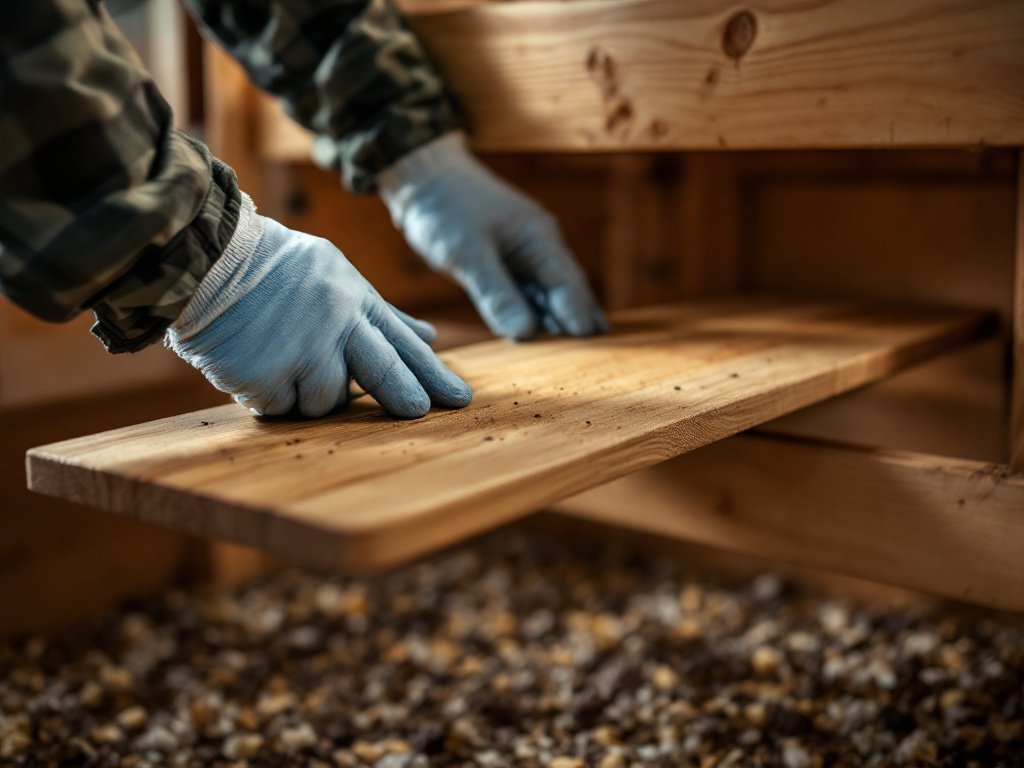
If you’re upgrading or building from scratch, review your coop’s existing layout and roost spacing. Poor fit leaves manure falling into deep litter, leading to more cleaning—not less. See this detailed droppings board build for layout inspiration.
Materials and Removable Tray Systems: What Works and What Fails
The material you choose for your droppings tray or poop board chicken coop solution impacts not only cleaning effort but also how long it lasts and how much odor you’ll deal with. Here’s how they stack up:
- Plywood: Affordable and easy to source, but warps quickly in humid climates unless sealed. Untreated wood absorbs stains and smells; pressure-treated lasts longer but still may need annual repainting or sealing.
- Vinyl or Plastic Sheet: Extremely easy to clean and highly resistant to moisture and rot. Slightly pricier up front, but seldom warps or holds odor—ideal for wet regions or coops without solid weatherproofing.
- Laminated or Painted Wood: A middle ground: smooth and somewhat water-resistant, but quality depends on the finish. Many “removable” wood boards lack true waterproofing.
- Removable Trays: Sliding plastic or metal trays work well—if properly sized and supported. Trays that are too shallow or lack a front “lip” often spill droppings back into the coop during cleaning.
- Fabric Slings: Sometimes used in low-cost or DIY coops—but most owners report they sag, trap moisture, and are hard to clean without full removal.
According to multiple coop guides, small cut wood boards might run about $30, basic trays and mid-size sealed boards reach toward $50–$70, and the largest vinyl or composite options easily climb to $75–$90. Custom-fabricated or hinged systems go higher, particularly if built for an extra-large walk-in chicken coop or with premium hardware.
When you’re deciding, focus on:
- Odor Resistance: Nonporous plastics or sealed composites are clearly easier to keep fresh.
- Weight & Sturdiness: Lightweight trays or panels are far less hassle to remove and clean. Oversized boards may require extra supports or brace.
- Drainage: Panels with an angled shape or slight lip at one end allow liquids to collect for easy removal, preventing leaks onto coop bedding.
For examples of removable tray systems, see these sliding tray ideas with various materials in action.
Solve the Top 3 Coop Owner Pain Points (Warping, Rust, Odor)
No matter the model, most droppings board for chicken coop systems fail for the same reasons: boards warp, hardware rusts, and odor creeps in. Here’s how to prevent those issues:
- Warping in Humid Climates: Many wood boards will bow or delaminate after one season outdoors. To beat this, choose pressure-treated or composite lumber, or cover with heavy vinyl sheeting and a waterproof sealer. Support boards with rigid brackets to prevent sagging from moisture and weight.
- Rust and Corrosion: Damp coops quickly rust standard steel screws and brackets. Use all galvanized or stainless-steel fasteners, or plastic mounting hardware to avoid crumbly flakes and degraded structural strength over time.
- Odor Buildup: Manure not cleaned promptly ferments and stinks—especially on porous materials. Removable trays make it easy to dump waste and start fresh; add a shallow layer of Sweet PDZ, wood shavings, or even natural deodorizer for extra odor absorption and fly control. Always clean weekly—more often in summer heat or wet weather.
These fixes are simple but pay off with cleaner air, less bedding waste, and fewer flies or pests.
Failure Modes & What Competitors Miss: Gaps to Avoid When Buying
Even commercial designs for droppings tray and coop cleaning board sets often leave owners with the same frustrations. Here’s what to watch for before buying or building your own system:
| Pitfall | What It Looks Like | Best Fix |
|---|---|---|
| Board/tray too small or misaligned | Droppings land outside tray, defeating purpose | Measure from roost edge to edge plus 6–8 inches |
| Leakage due to missing drainage/lip | Wet bedding underneath, ammonia smell | Add angled board or tray lip toward one end |
| Difficult tray removal | Board too heavy, gets stuck, requires total coop disassembly | Go with slide-out or hinged tray design; test movement before full install |
| Poor material selection | Warping, cracking, foul odor trapped | Choose composite, sealed vinyl, or pressure-treated wood—avoid fabrics |
| No odor control system | Ammonia, flies, extra cleaning needed | Add Sweet PDZ, wood shavings, or install a sealed surface tray |
Most competitors—for example, cheap Amazon trays or even some large coop kits—overlook integrated odor control, true full-length removal, or durable hardware. Inspect product specs closely and check user reviews highlighting problems with smell, leaks, or lost time in cleaning. More tips on catching early warning signs are at this owner’s thread.
Price Comparison and Smart Picks by Setup & Budget
Most backyard flock keepers shopping for a poop board chicken coop upgrade or droppings tray quickly find prices vary by size and material:
- Budget small wood board: around $30
- Mid-size laminated/painted board: between $50–$70
- Large vinyl or composite board: $75–$90
- Custom-fabricated solutions: can cost over $100, especially if using specialty hardware or made-to-measure for large walk-in coops
Keep in mind: going too cheap often results in a warped, stained mess after the first wet season, and buying too large or heavy makes removal miserable. For many small coops, a sealed, removable tray made from vinyl or composite can be a practical choice; compare current prices for the dimensions and features required.
If you keep a larger flock or want long-term durability, invest in full composite with stainless hardware or a reinforced pull-out tray. Shop smart by cross-referencing real-world feedback and checking which models allow single-person tray removal and weekly rinsing—key for year-round coop space needs and happy flock maintenance.
Quick Setup & Maintenance Steps For Maximum Coop Hygiene
Here’s a step-by-step approach to ensure your droppings board or tray system performs its best:
- Install the board or tray about 8 inches below the lowest roost, ensuring it spans the entire width (plus 6–8 inches margin).
- Anchor using galvanized brackets or sturdy rails. Test removal or sliding action before first use.
- Seal wood boards thoroughly, or opt for vinyl/composite trays for maximum longevity and easy wipe-downs.
- Add a thin layer of Sweet PDZ, sand, or fine wood shavings as a deodorizing, absorbent top layer.
- Clean or dump waste weekly—simply scrape solids into your compost or trash, and wipe or rinse down the surface as needed (more often in warm, humid months).
- Regularly inspect for cracks, odors, or water leaks; reseal or replace as soon as wear appears to prevent larger issues.
For step-by-step cleaning, see this droppings board cleaning video or read our deep-dive on how to clean a chicken coop for advanced scheduling and troubleshooting.
FAQs
How often should I clean a droppings board or tray?
Most backyard keepers clean their droppings board for chicken coop setups weekly. In hot or wet weather, check every few days to control odor and flies. Regular cleaning prevents buildup and protects both birds and boards from moisture damage.
Can I just use a piece of plywood as a droppings board?
You can, but unsealed plywood warps and absorbs odors quickly. At minimum, use pressure-treated wood and apply several coats of exterior sealer or cover with a removable vinyl sheet for easy cleaning.
What’s the best bedding or material to layer on a droppings board?
Many owners use a shallow layer of Sweet PDZ, sand, or fine wood shavings. These absorb liquid, reduce smell, and make cleaning as easy as a quick scoop or sift. Avoid straw or thick bedding, which trap moisture and make cleaning harder.
Should my droppings board be angled?
Some owners add a slight angle or a small lip at the end to help manure and liquids roll to one side for easier collection. This can help in bigger coops and with heavier flocks, but is not essential in small backyard setups.
How do I keep the space under the board clean?
If possible, block off or close off the space beneath your droppings board to prevent stray eggs and wandering chickens from using it as a hiding or pooping zone. If you keep ducks, definitely close it to avoid hidden messes.
Conclusion
Whether you manage a handful of hens or a larger flock, the right droppings board for chicken coop use is a game-changer for hygiene, cleaning efficiency, and long-term coop health. Prioritize smart sizing, quality materials, and easy-to-clean removable trays to avoid the usual frustrations of warped, stinky, or hard-to-remove boards. For more advice on coop upgrades, see our guides on cold weather coops, no waste chicken feeders, and bedding solutions. Ready to minimize chores and keep your flock healthy? Compare your options and upgrade your coop’s droppings board or tray today.
—