
As an Amazon Associate we earn from qualifying purchases. This article contains affiliate links; we may earn a small commission at no extra cost to you.
What to feed chickens during molt is one of the most critical questions for flock owners who care about both hen recovery and post-molt egg quality. The right high-protein diet―backed by hard evidence―not only accelerates feather regrowth but also ensures your birds bounce back healthier and more productive than ever. If you’re tired of vague “extra protein” tips and want a specific, affordable feeding plan built for real backyard flocks, read on.
Key Takeaways
- Molting chickens need a precise balance of protein (20%), calcium, and amino acids for strong feather regrowth and optimal post-molt egg quality.
- Commercial “molt-starter” feeds and DIY high-protein mixes vary in cost and nutrient profiles; the best option combines affordable price with correct nutrition.
- Most molt guides lack actionable numbers, cost analysis, or evidence-based steps—our plan fixes these critical gaps for small flock success.
- Understanding the Molt – Why Nutrition Matters
- Step-by-Step Guide: What to Feed Chickens During Molt
- Advanced Analysis & Common Pitfalls for Molting Chickens
- Conclusion
- FAQ: Chickens and Molt Feeding
Understanding the Molt – Why Nutrition Matters
Molting is one of the most nutritionally demanding phases in a hen’s annual cycle. When your chickens start losing feathers, their bodies channel nutrients from egg-laying into feather regrowth and vital tissue repair, leading to a temporary pause in laying. If hens don’t get the exact nutrients they need―especially protein, specific amino acids, and the right calcium balance―you risk slow feather regrowth, unhealthy birds, and a sluggish return to quality egg production. Neglecting these needs also means higher stress, increased risk of disease, and poor eggshell quality down the line.
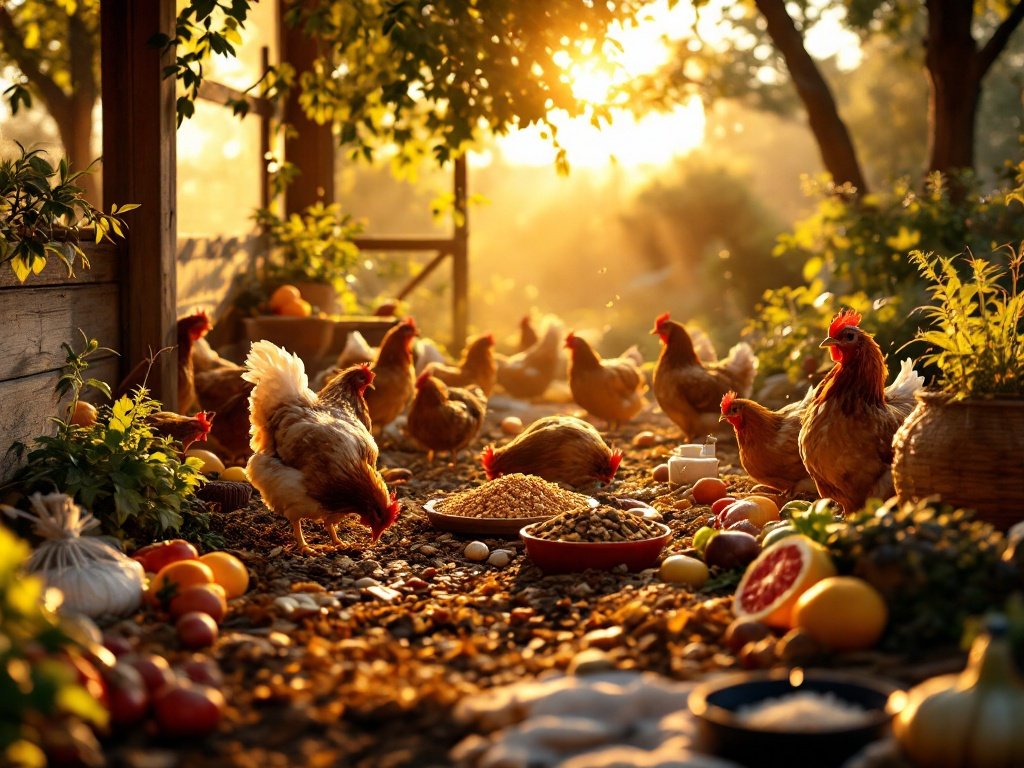
According to Kalmbach Feeds, “Molting is one of the most nutritionally demanding stages of a hen’s annual cycle. Feather regrowth requires significant amounts of protein and amino acids.” A balanced, high-protein molt diet is absolutely essential for small flocks aiming for healthy, reliable layers.
Step-by-Step Guide: What to Feed Chickens During Molt
If you want efficient feather regrowth and strong post-molt laying, transition your hens using this data-backed four week plan. These steps address both nutrition and day-length management to optimize outcomes.
Week 1: Diet and Photoperiod Reset
- Switch all hens to a 20% protein high-protein molt ration (commercial or balanced DIY).
- Keep calcium low during molt and offer oyster shell free-choice; phosphorus should follow the feed label
- Reduce coop lighting to 8 hours/day to signal molting mode (source).
- Feed the molt diet free-choice; always provide fresh water.
Week 2: Amino Acids & Calcium Adjustments
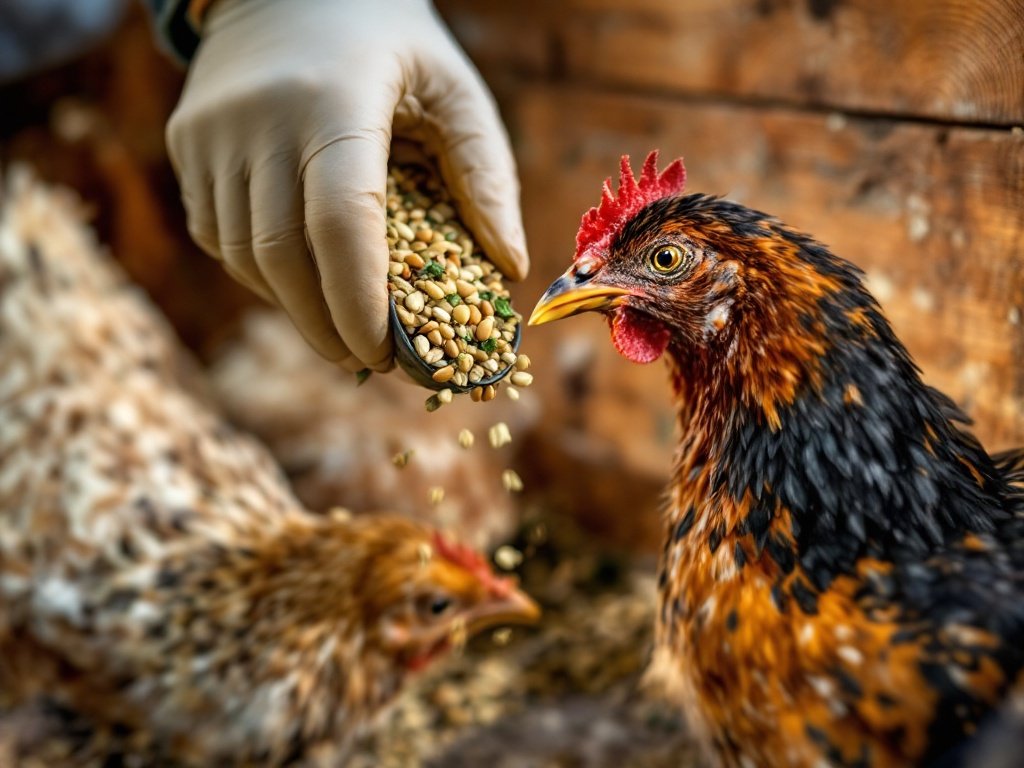
- Add supplemental lysine (0.80%) and methionine (0.30%) for targeted feather repair (source).
- Maintain calcium at ~5%, but shift the form: at least 70% should be coarse particle calcium (like larger-size grit/limestone) to optimize absorption.
- Continue close monitoring for body weight and feather loss.
Week 3: Diet Transition Begins
- Mix in 25% standard layer feed (~16% protein) with the 20% molt diet; keep total calcium ≥4.5% and phosphorus ≥0.45%.
- Gradually shift photoperiod up to 10 hours/day if birds have finished main feather drop.
- Keep monitoring—hens should have clear signs of new pin feathers and better body condition by now.
Week 4: Reintroduction to Layer Diet
- Transition fully to a quality post-molt layer feed (16–18% protein, 4.6–5.0% calcium, 0.45–0.50% phosphorus).
- Increase coop lighting back to 14–16 hours/day to cue rapid return to egg production.
- Egg laying normally resumes after hens return to a laying ration and daylength increases; continue to offer high-quality grit and monitor egg quality closely.
Want to make your own budget molt ration? Combine corn, soybean meal, wheat middlings, and limestone—see our breakdown in the comparison table below. For precise ratios and a full recipe, see NC State’s induced molting guide.
Struggling with messes or wasted feed during this critical period? Check our DIY-tested picks for the best chicken feeder no waste for efficient feeding in small coops.
Advanced Analysis & Common Pitfalls for Molting Chickens
Even with sound research, it’s easy to miss key nutritional details during molt. Here’s a comparison of the most popular high-protein feed options, followed by a spotlight on real-world pitfalls flock owners face during this demanding time.
| Feed Option | Protein (%) | Calcium (%) | Phosphorus (%) | Energy (kcal/kg) | Price per lb (USD) | Notes |
|---|---|---|---|---|---|---|
| Commercial “Molt-Starter” | 20 | 4.6–5.0 | 0.45–0.50 | 2,850 | ~0.32 | Fine:coarse Ca 35:65 |
| Hy-Line Non-Fasting Molt Diet | 20 | 4.8 | 0.48 | 2,800 | ~0.35 | Fine:coarse Ca 30:70 |
| Purina Flock Raiser® | 20 | 4.5 | 0.46 | 2,900 | ~0.33 | Widely available |
| Kalmbach High-Protein Layer Crumbles | 20 | 4.7 | 0.48 | 2,850 | ~0.34 | Good reviews for palatability |
| DIY Mix (Corn/Soy/Wheat/Limestone) | 20 | 4.6 | 0.44 | 2,800 | ~0.28 | Budget-friendly; hard to balance aminos |
Source: Hy-Line non-fasting molt recommendations
Common Pitfalls During Molt Nutrition
- Underestimating Protein Needs: Many household guides recommend “some extra protein,” but fail to specify targets—a full 18–20% crude protein (not just treats) is commonly recommended for healthy feather regrowth (Purina guidance).
- Ignoring Calcium Particle Size: Most don’t realize the importance of at least 65% of calcium fed as coarse particles, which improves absorption and is linked to better post-molt shell quality.
- Skipping Amino Acid Supplementation: Even good feeds may lack optimal lysine/methionine levels at the right times—typically needed most in weeks 2–3.
- Failing to Track True Costs: Feeding premium molt diets without considering price-per-pound can erase much of the productivity benefit for small flocks. Our DIY option, for example, offers savings—if carefully balanced.
- Poor Diet Transition: Abruptly switching back to layer feeds or increasing light too fast can result in lower long-term egg quality or soft/small eggs post-molt.
Most flock owners will get better results―even without commercial equipment―by prioritizing balanced amino acids, correct calcium sources, and careful diet transitions. Curious how your flock’s space or hardware stacks up during recovery? Compare with our guide to best chicken coop for cold weather to avoid hidden stress factors that slow molt.
Conclusion
A practical, evidence-based approach to what to feed chickens during molt is crucial for any small flock owner looking to maximize hen health and egg quality. By sticking to a clearly staged, high-protein nutrition plan—and focusing on details like calcium source, amino acid balance, and gradual feed transitions—you’ll avoid the most common pitfalls and set your birds up for strong, productive seasons ahead. Ready to fine-tune your flock’s nutrition? Start with our top feed picks above, or explore more flock care upgrades in our chicken coop space requirements guide.
Take action: Download our full molt feeding planner (coming soon), ask your local feed supplier about custom amino acid supplements, and bookmark our complete best layer feed for chickens guide for your flock’s transition back to laying.
FAQ: Chickens and Molt Feeding
How long does molt last and when will hens start laying again?
Molt typically lasts 4–6 weeks for most backyard breeds, but can take longer in older birds. With proper feeding and light management, expect the first eggs about 5–7 days after returning to a standard layer diet and increasing daylight hours.
Can I feed scrambled eggs or meat during molt?
In moderation, scrambled eggs can offer high-quality protein and amino acids. Limit animal proteins, avoid salty or seasoned foods, and make sure the main feed still meets the target 20% crude protein.
What’s the cheapest way to boost protein for molting chickens?
DIY feed mixes using corn, soybean meal, and wheat middlings can be cost-effective if balanced correctly. Adding a small volume of black soldier fly larvae or homegrown forage greens (moringa, papaya leaves, etc.) can supply extra amino acids for little extra cost.
Do all chickens molt at the same time?
No—molting timing can vary widely by breed, age, and environmental stress. “Late molters” tend to be better overall layers but may have a longer molt period, as noted by Mississippi State Extension.
Is it safe to add extra calcium during molt?
Yes, but the form of calcium is important. Ensure at least 65–70% is coarse, not powdered, for best shell quality in post-molt eggs. Never overload on supplements without tracking total daily intake from all feed sources.
Sources
- Az Chickens – Molting Season Nutrition Guide
- Grubbly Farms – Five Tips to Help Your Molting Chickens
- Mississippi State Extension – Molting Laying Hens
- NC State Extension – Induced Molting of Commercial Layers
- Purina Mills – Three Tips to Help Molting Chickens
- Hy-Line – Non-Fasting Molt Recommendations