
As an Amazon Associate we earn from qualifying purchases. This article contains affiliate links; we may earn a small commission at no extra cost to you.
How to break a broody hen is a source of constant frustration for backyard chicken keepers, especially when traditional advice doesn’t work or puts hen welfare at risk. If you want clear, actionable steps and realistic expectations—especially for the most stubborn breeds—this complete guide covers what really works, the costs, and how to protect your flock’s health.
Key Takeaways
- Broody hen behavior has strong hormonal and breed-specific roots, and knowing the signs is crucial for early intervention.
- Effective broody breaker cages often cost $25–$60, with welfare and correct setup more important than price or brand.
- Consistency, breed differences, and minimizing stress separate quick fixes from solutions that actually work—neglect these, and broodiness may become persistent.
- Understanding Broody Hen Behavior
- Step-by-Step: How to Break a Broody Hen Safely
- Advanced Analysis & Common Pitfalls
- Conclusion
- FAQ
Understanding Broody Hen Behavior
Broody hen behavior is driven by instinct, hormones, and breed. When a hen becomes “broody” she is compelled to sit on eggs—sometimes even imaginary ones—for days at a time, fiercely guarding her nest and refusing to leave except briefly for food and water. The classic signs of broodiness include puffed-up feathers, growling, pecking when disturbed, and rarely leaving the nest. These signals often peak in spring, though they can occur at other times of year, but broodiness can strike at any time if hormonal and environmental cues align.
Not every hen is equally likely to become broody. Some breeds such as Silkies, Orpingtons, and Cochins are far more prone to stubborn broodiness, while Leghorns or Plymouth Rocks rarely show the behavior. This difference matters, because stubborn broody hens are harder to “break” and quick-fix solutions may fail.
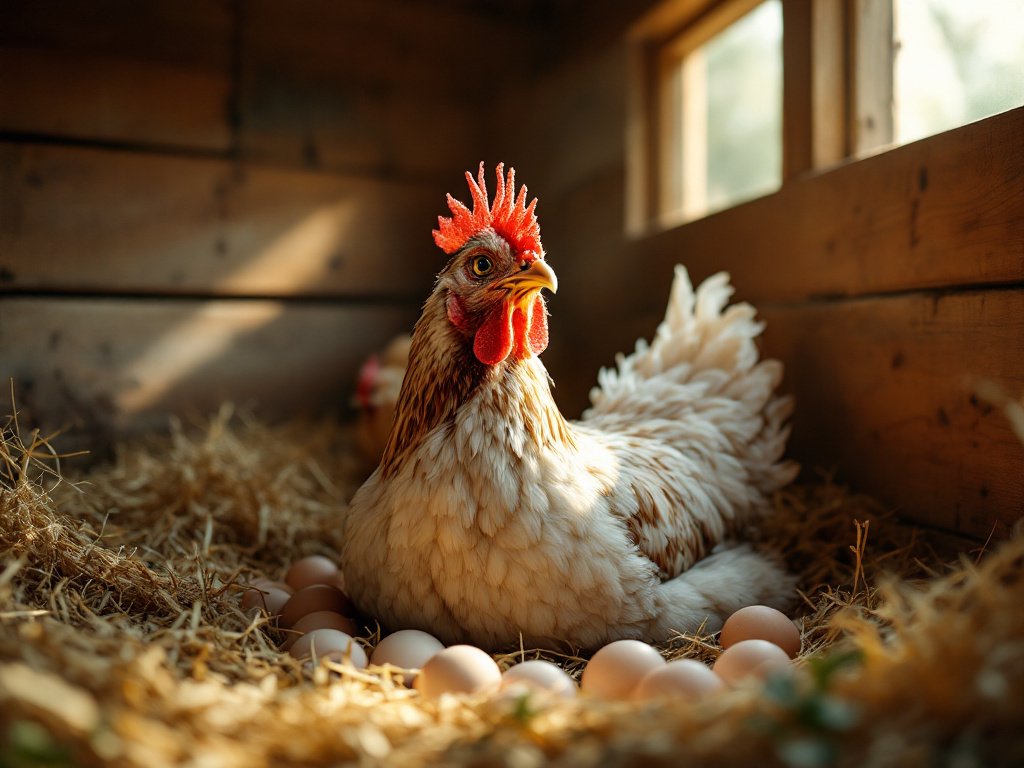
Broodiness is mainly triggered by the increase in day length as winter ends, though a persistently warm, quiet nest box can set the cycle off at any season. For more insight into why hens behave this way, researchers have linked the shift to hormonal changes, especially prolactin and follicle regression, making it almost impossible to train the instinct away. Instead, effective intervention means disrupting the environmental and physical cues.
If your flock includes heavy breeds or dual-purpose birds, know that “repeat offenders” are both more common and more challenging to manage—and traditional advice doesn’t always account for these differences. Instead, digging deeper into breed history and true broody signals makes all the difference.
Step-by-Step: How to Break a Broody Hen Safely
Breaking broodiness humanely requires a mix of the right gear, careful monitoring, and strict consistency. Here’s how to use a broody breaker cage to stop a hen sitting—and keep everyone healthy in the process.
-
Set up the broody breaker cage:
- Choose a wire-bottom cage or create one using welded wire/hardware cloth. The wire base must let air flow under the hen, which relaxes the overheated brood patch and interrupts the hormonal cycle.
- Make sure the cage allows the hen to stand upright, move, access feed and water, but not settle into a nest. Typical cost is between $25 and $60 if purchased, but many owners build DIY versions for less. [Source]
-
Move the hen to the cage, immediately remove eggs/nest materials from the main coop, and give her fresh water and food in the cage.
- Do this at night if possible to reduce stress and confusion.
- Don’t add sawdust, straw, or bedding—this would let her create a new nest and defeats the whole point.
-
Keep the hen in the cage for 3–4 days and nights without any trips back to the nest or coop.
Allowing even a brief return to the nest during a 3–4 day break almost always restarts the broody cycle, making consistency essential. [Source 1] -
Ensure comfort and welfare:
- Check at least twice a day for signs of chill or overheating (especially in very hot/cold weather).
- Provide water with added electrolytes or vitamin supplement if the hen seems stressed (see Flock Fixer info).
- Don’t isolate her from the flock’s sight and hearing to minimize social stress.
-
Release and observe:
- After 3–4 days, check the hen for signs she’s stopped brooding (alertness, moving normally, not running to a nest box).
- Return her to the main flock. Resume normal observation for relapse. Most successful breaks see hens resume laying after a short drop.
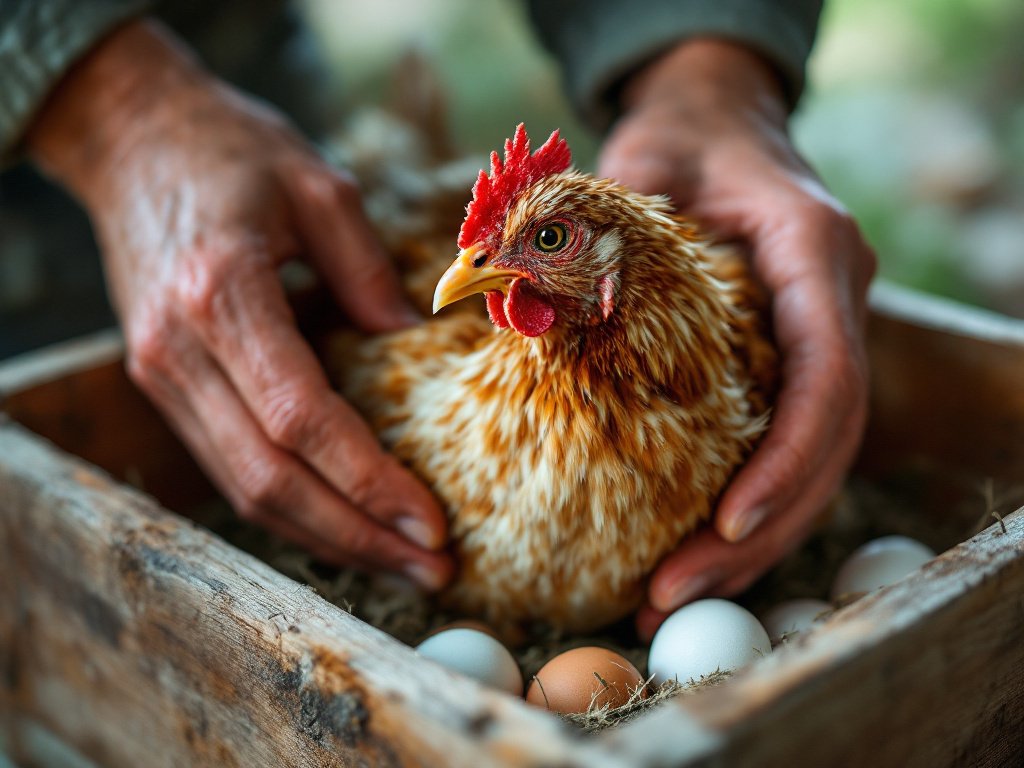
If the hen appears lethargic or aggressive after release, she may need another cage cycle. For repeat offenders or high-stress breeds, future broody cycles are likely unless proactive management is used.
For more broody-prone or cold-hardy breeds, consider reading about the best chicken coop for cold weather and winter chicken care, as improper housing can trigger further stress and health issues, especially during a breaking attempt.
Advanced Analysis & Common Pitfalls
Most mistakes in how to break a broody hen come down to inconsistent process, poor equipment setup, or breed-specific mismanagement. Here’s what experienced keepers wish they’d known before tackling broodiness:
| Common Pitfall | What Actually Happens | How to Avoid |
|---|---|---|
| Letting hen out before 3–4 full days, or allowing even brief access to nest box | Cycle almost always restarts, requiring a longer or repeat break | Total consistency: never allow return to nesting spot till behavior is broken |
| Adding bedding or soft floor to cage | Hen creates a new nest, defeats airflow, and remains stubbornly broody | No bedding—just wire/mesh floor with a perch for rest |
| Poor cage setup: too small, drafty, or not predator-proof | Increased stress, risk of chill, dehydration, or refusal to eat/drink | Shield cage from wind/rain, use appropriate size, and place within flock sight |
| Ignoring breed differences (Silkies, Orpingtons, Cochins need more diligence) | Repeat cycles, more stubborn brooding, long-term productivity drops | Extra vigilance and possibly longer cage periods for high-risk breeds |
| Expecting zero impact on eggs or flock mood | Temporary egg drop for about a week, mild social reshuffling | Monitor laying and flock dynamics; use vitamin supplements and patience |
“Broody jail” equipment sold online can be confusing or overpriced. Stick with functional DIY versions using hardware cloth or rabbit cage bases, but always budget for comfort and safety—cheap, undersized, or overly exposed cages cause more stress and can make broodiness harder to break.
A poorly executed break risks more than lost eggs. It can cause weight loss, social fallout, and—if repeated—may decrease a hen’s future productivity. Top guides skip over these downsides but they’re real, especially in flocks with multiple heavy or heritage breeds.
For owners worried about risks, explore low-waste feeders and heated waterers to keep stress down during the broody break and speed up recovery after release. For new flock growth, understanding egg incubator basics can help you decide when, if ever, to let a hen finish brooding eggs instead.
Conclusion
Broody hen behavior is tough to manage, especially for certain heavy and heritage breeds. By understanding the triggers, using a well-designed broody breaker cage, and staying consistent, you can stop a hen sitting without sacrificing welfare or long-term productivity. Remember: results are rarely instant and the right process matters more than gimmicks. For more flock health tips, explore other expert guides or consider sharing your experience below. Ready to put these steps into action? Start building your breaker cage today and finally learn how to break a broody hen the right way.
FAQ
What are the most reliable signs of broodiness in a hen?
The most reliable signs include refusing to leave the nest except briefly, puffing up feathers, growling or pecking when approached, and sometimes pulling chest feathers out to make a bare brood patch. These behaviors are clearest in the first day or two of broodiness.
How long does it take to break a broody hen using a cage?
When used correctly, with constant airflow and no nest access, a broody breaker cage usually takes 3 to 4 full days and nights to stop the cycle. Letting the hen out early almost always causes broodiness to return.
Can any hen become broody, or is it specific to certain breeds?
Technically, any hen can go broody, but breeds like Silkies, Orpingtons, and Cochins are much more likely to display strong broodiness. Commercial egg-laying breeds like Leghorns and many hybrids are less prone to it.
Is there a risk to my hen’s health from breaking broodiness?
If done properly—with a safe, dry, well-ventilated cage in sight of the flock—risks are minimal. Poor setup, stress, dehydration, or chill are the main dangers. Always check frequently and address chill or overheating immediately.
What if the same hen keeps becoming broody?
Persistent or repeat broodiness is common in some breeds. Use strict consistency with every cycle, but if it becomes frequent and disruptive, you may want to adjust lighting, nest box access, or consider the hen’s future role in your flock.