
As an Amazon Associate we earn from qualifying purchases. This article contains affiliate links; we may earn a small commission at no extra cost to you.
How to treat bumblefoot in chickens is a skill every backyard poultry owner should have. Missed early, this common chicken foot infection can turn costly and hard to manage. This practical guide walks you through cost-conscious, effective steps you can take at home—plus exactly where the risks and red flags are so you avoid mistakes others regret.
Key Takeaways
- Bumblefoot starts with minor injuries, unsanitary coops, or rough perches—early intervention is easier and cheaper.
- Home care with Epsom salt soaks and bandaging works for mild cases, but deeper infections need antibiotics or surgery.
- Poor bandaging, harsh chemicals, or DIY surgeries are leading causes of pain, slow healing, and expensive setbacks.
- What is Bumblefoot in Chickens?
- Recognizing the Stages of Bumblefoot
- Proven Treatment Options for Bumblefoot (Home Remedies to Surgery)
- Bumblefoot Surgery at Home: Risks, Steps, and When to See a Vet
- Owner Mistakes and Pain Points: What Goes Wrong Most
- Cost and Timeline Breakdown for Bumblefoot Treatments
- When Bumblefoot Gets Complicated: Diagnosing Deeper Infections
- Preventing Bumblefoot: Coop Hygiene and Perch Setup
- Quick Reference: Bumblefoot Home Treatment Checklist
- Frequently Asked Questions
What is Bumblefoot in Chickens?
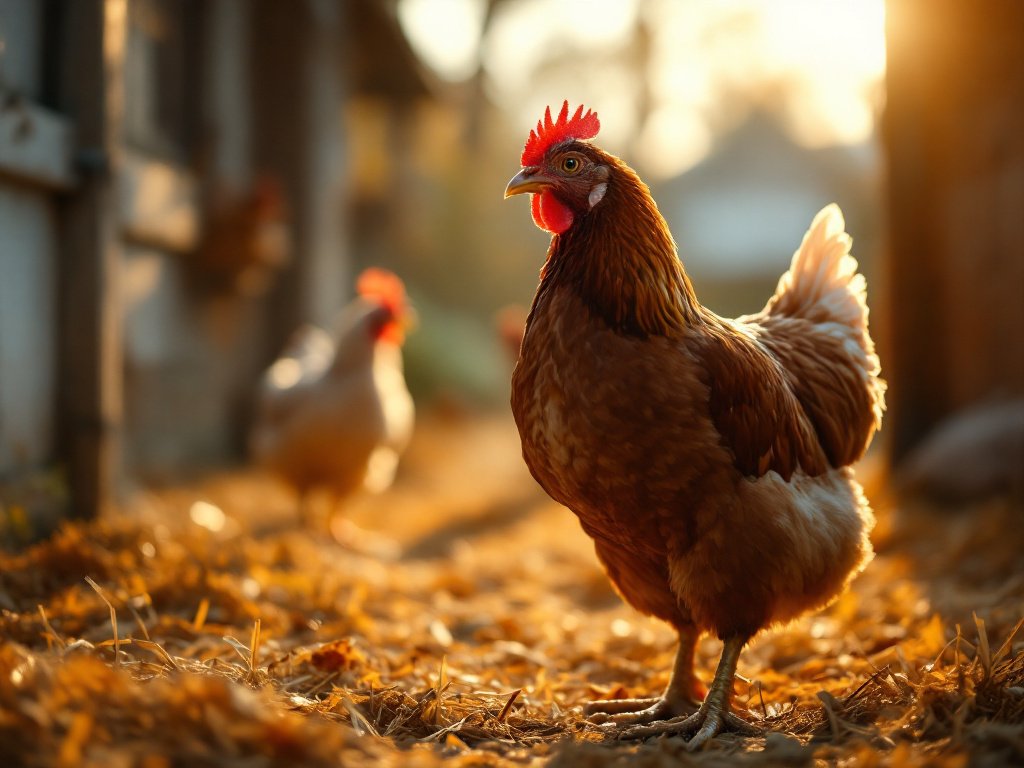
Bumblefoot is a bacterial infection of a chicken’s foot pad. It usually develops when the skin is broken—by sharp objects, rough or high perches, splinters, or from jumping down awkwardly—allowing bacteria such as Staphylococcus or E. coli to invade. Environmental factors play a big role: wet, muddy runs, poorly cleaned coops, and improper perch setup make bumblefoot more likely. Overweight chickens or those in unsanitary conditions are at higher risk. (source) Keeping the coop clean and perches smooth and correctly sized makes a difference in prevention.
Recognizing the Stages of Bumblefoot
Knowing how to treat bumblefoot in chickens starts with catching it early. Mild bumblefoot appears as a yellow-brown or black scab or swelling on the foot pad, sometimes with redness or heat. As it progresses, the swelling enlarges, the scab hardens, and a lump of pus (the “core”) can form beneath. Severe cases make walking painful—hens may limp or avoid putting weight on the foot, and there can be visible pus or even swelling up into the toes and leg joint.
Early detection matters: “Successful treatment…is defined as a return to the ability to walk without discomfort. This may require use of a multimodal treatment protocol…” (source) If you see spreading redness, persistent pain, or discharge after weeks of home treatment, it’s time for professional help. Don’t ignore any signs of the infection traveling up the leg—these can mean bone or joint involvement, which requires veterinary care.
Proven Treatment Options for Bumblefoot (Home Remedies to Surgery)
The right treatment depends on how advanced the lesion is. Here’s a realistic, tiered approach:
- Tier 1: Home Care for Early Cases
- Soak the foot daily in warm water with Epsom salt soaks (10–15 minutes) to soften tissue.
- Dab dry and clean with a gentle antiseptic (chlorhexidine, dilute betadine).
- Apply a topical antimicrobial (SSD cream, Vetericyn, manuka honey, or plain Neosporin—without pain relief ingredients).
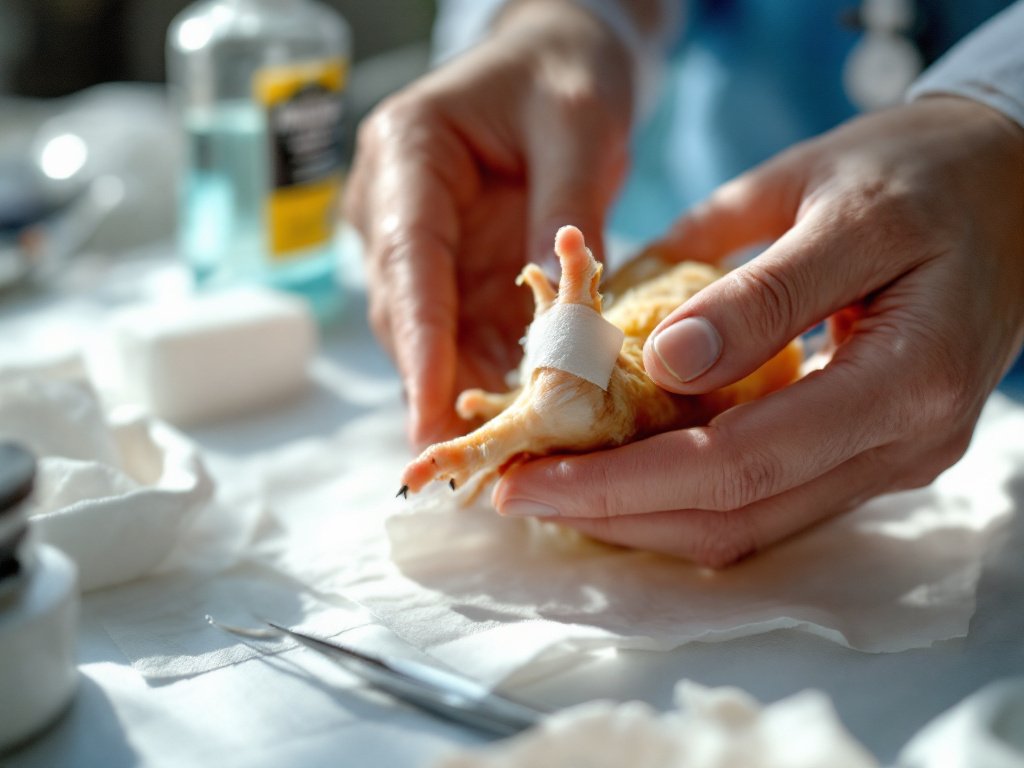
- Wrap with gauze and flexible vet wrap. Never wrap tightly.
- Change bandage and reapply ointment daily.
- Timeline: often improves in about a week to several weeks, depending on severity, full healing 2–3 weeks.
- Cost: Just $5–$15 for basic supplies.
- Tier 2: Moderate Cases (Medical Management)
- Continue soaks and bandaging.
- Consult a veterinarian for oral antibiotics (such as amoxicillin 30 mg/kg twice daily for 10–14 days or alternatives like enrofloxacin or trimethoprim-sulfa). (source)
- Use an NSAID (meloxicam) for pain.
- Timeline: Recovery in several weeks or longer, depending on whether surgery or deeper infection is involved.
- Cost: $20–$40 for medications, plus $5–$15 for home care supplies.
- Tier 3: Surgery (Vet or DIY)
- For advanced cases: surgical removal of scab and pus core needed.
- Veterinary surgery under local or light sedation is safest but costs veterinary pricing varies by clinic and case complexity.
- Experienced owners sometimes perform bumblefoot surgery at home for $20–$40 in supplies, but risks are much higher.
- Full healing is variable but expect longer recovery and more aftercare.
Home first-aid works best when you catch the infection early. If the scab is thick, the pad is swollen, or pus forms, be wary of doing surgery yourself—mistakes can slow healing or make it worse. (surgery step details) If the condition fails to improve in two weeks, get a vet involved.
Want a well-equipped coop and cleaner living conditions to lower risk next season? Check out our practical guides on a winter chicken coop, how to keep chickens warm in winter, and best chicken coop bedding for better foot and flock health.
Bumblefoot Surgery at Home: Risks, Steps, and When to See a Vet
Bumblefoot surgery at home should only be attempted by experienced owners for stubborn, non-resolving cases. Here’s what you need to know first:
- Strict Hygiene: Wear disposable gloves, disinfect the area, and use new or sterilized tools.
- Risks: DIY surgery raises the risk of severe bleeding, incomplete cleaning, and reinfection. There are frequent complaints of wounds reopening, excess pain, or improperly removed pus cores leading to recurrence. (source)
- Red Flags: If you see spreading redness, the scab is very hard or deep, swelling involves the joint, or your chicken appears systemically ill—stop and call a poultry veterinarian.
- Procedure Steps:
- Soak and clean the foot thoroughly.
- With the bird restrained, use a sterile scalpel or sharp blade to carefully cut around and remove the scab.
- Squeeze or gently extract the pus “core” (sometimes yellow or whitish solid material).
- Flush with sterile saline and apply antimicrobial ointment.
- Bandage lightly, monitor daily, and watch for improvement or signs of trouble.
Many “at-home” guides simplify or gloss over the risks, but inadequate bandaging, poor hygiene, or incomplete removal frequently cause setbacks. Know when a case is too serious for home management.
Pairing proper foot care with a predator-proof automatic coop door and good predator protection further reduces injuries that lead to bumblefoot outbreaks.
Owner Mistakes and Pain Points: What Goes Wrong Most
Even with the best intentions, bumblefoot treatment can go sideways. Here’s what to avoid, based on what actual owners and experts report:
- Bandaging too tightly: This cuts off circulation, slows healing, and can cause more foot problems than the infection itself.
- Using harsh antiseptics: Chemicals like undiluted hydrogen peroxide or bleach are painful and damage healthy tissue. Stick with dilute betadine or chlorhexidine.
- Poor wound coverage: Inadequate bandaging lets dirt and feces back in, causing repeated infections or wound reopening.
- Neglecting coop hygiene: Dirty bedding and wet litter drive infections. Fix run drainage and clean perches often.
- Delaying escalation: Waiting too long for improvement leads to much harder treatment and costlier vet bills.
- Attempting complex surgery without prep: “DIY” scab removal is the single most common owner regret. Many end up at the vet anyway, with a stressed hen and a bigger problem.
Remember: “The most common owner mistakes: bandaging too tightly, using harsh antiseptics, neglecting coop hygiene, delaying professional care, and unsupervised surgery.” (Synthesized answer from research report)
Want to prepare better? Stock up with a ready chicken first aid kit before you need it.
Cost and Timeline Breakdown for Bumblefoot Treatments
| Treatment Path | Home Supply Cost | Estimated Medications/Surgery | Average Healing Time | Risk Level |
|---|---|---|---|---|
| Early Home Care (Soaks + Bandage) | $5–$15 | – | 1–2 weeks | Low |
| Home Care + Vet Medications | $5–$15 | $20–$40 for antibiotics/NSAIDs | 3–4 weeks | Moderate |
| Veterinary Surgery | Included | $150–$300 | Variable | Low (with vet) |
| DIY At-Home Surgery | $20–$40 | – | Variable/Longer if issues | High |
“Home supplies: $5–$15. Medications: $20–$40. Vet surgery: $150–$300. DIY surgery: $20–$40—but higher risk.” (Synthesized answer)

When Bumblefoot Gets Complicated: Diagnosing Deeper Infections
Sometimes bumblefoot doesn’t heal or gets worse, even with good care. If the swelling grows hard, involves the bone or joints, or you see pus traveling up the leg, it may mean the infection is deep. Veterinary evaluation is non-negotiable in these cases.
A veterinarian may recommend X-rays (radiography) to check for joint or bone involvement, and more advanced surgery or even amputation if necessary. “A vet can also tell you whether the infection has gone into the joint or bone, which changes what happens next entirely.” (source)
There’s no DIY fix for joint or bone infections—seek professional help for the best outcome.
Preventing Bumblefoot: Coop Hygiene and Perch Setup
Prevention is far easier and cheaper than treatment. Here’s how to minimize bumblefoot causes:
- Use smooth, rounded perches about 2 inches wide—avoid sharp edges or splinters. (source)
- Keep bedding dry—replace wet spots fast, and consider sand or deep litter for easier management. Explore bedding alternatives for better foot health.
- Regularly clean and disinfect perches, floors, and waterers to lower bacterial loads.
- Avoid perches set too high, which increase the risk of hard landings and injury especially for heavier breeds.
- Inspect feet monthly to catch problems early. Use a colored vet wrap or leg band to track which chickens to monitor—see our guide for safe chicken leg bands.
- Manage sharp wire, protruding nails, and keep runs free of debris.
Prevention is ongoing—combine cleaner coops, correct perches, and routine health checks for the best defense.
Quick Reference: Bumblefoot Home Treatment Checklist
Print or bookmark this for your flock:
- Daily warm-water soaks (10–15 min with Epsom salt)
- Gentle cleaning with dilute betadine or chlorhexidine
- Apply topical antimicrobial ointment
- Wrap loosely with clean bandage (never tight)
- Change bandage and inspect foot each day
- Monitor daily for healing progress and look for signs of worsening
- Mark or separate treated hens to avoid missed days
- Contact a poultry vet if no progress in 14 days or if pain worsens
“Daily warm-water soaks (10–15 min with Epsom salt), antiseptic cleaning, topical antimicrobial, and daily bandage changes.” (research report)
For hassle-free cleaning and less mess in the coop, see our recommendations on the best way to clean a chicken coop.
Conclusion
Catching bumblefoot early and knowing how to treat bumblefoot in chickens at home saves money, stress, and wear on your flock. Stick to gentle care, never skip hygiene, and escalate to a vet for any severe, persistent, or complicated cases. Investing in coop cleanliness, smart perch setup, and routine foot checks pays off for years of healthy, happy chickens.
Act now: Review your setup, check your birds’ feet this week, and prep your first aid kit before bumblefoot sneaks in. Your flock—and your wallet—will thank you.
Frequently Asked Questions
Can I treat bumblefoot in chickens without a vet?
Yes—if caught early, mild bumblefoot can often be managed at home with daily soaks, antiseptics, and bandaging. If the infection is deep, not healing, or involving joints, a veterinarian is needed.
How long does it take for bumblefoot in chickens to heal?
With prompt home care, healing usually takes 1–2 weeks for mild cases. Deeper infections treated with antibiotics can take up to 3–4 weeks or longer if surgery is needed.
What supplies do I need to treat bumblefoot at home?
Epsom salt, a basin for soaks, gauze pads, vet wrap, a gentle antiseptic (dilute betadine or chlorhexidine), and a topical antimicrobial ointment. Sterile gloves and wound spray are also helpful.
Is bumblefoot contagious to other chickens?
No, bumblefoot itself isn’t contagious, but the bacteria that cause it are common in dirty bedding and wet runs. Good coop hygiene helps prevent spread within your flock.
Should I attempt DIY bumblefoot surgery on my chicken?
Only if you have prior experience, full hygiene, and understand the risks. Complicated surgery carries real dangers—if in doubt, get a poultry veterinarian involved instead of risking injury or recurrence.
—
Sources
- Today’s Veterinary Practice — Management of Bumblefoot in Chickens
- Dr. Rosie DVM — Bumblefoot in Chickens: Home Treatment & Prevention Guide
- Southland Organics — Bumblefoot in Chickens: Treatment, Stages & Prevention
- UC ANR — The Dirt on Bumblefoot
- Allotment Garden — Bumblefoot in Chickens: A Guide to Bumblefoot