
As an Amazon Associate we earn from qualifying purchases. This article contains affiliate links; we may earn a small commission at no extra cost to you.
Best mealworms for chickens are a critical protein treat that can boost the health, egg-laying, and feather condition of backyard hens and chicks, but not all mealworms are created equal. Choosing the right type and source can prevent waste, avoid health risks, and maximize your feed dollar.
Key Takeaways
- Know the real differences: Live and dried mealworms suit different setups, budgets, and storage options.
- Watch for hidden safety gaps: Always check for proper pathogen testing and safe calcium levels, especially if you have chicks.
- Bulk buying saves money—if you store them right and avoid common spoilage pitfalls.
- What Makes the Best Mealworms for Chickens?
- Live vs. Dried Mealworms: Detailed Comparison
- Bulk Buying Guide: Dried Mealworms Bulk Sizes & Price Ranges
- Top Buyer Pain Points and What Competitors Miss
- Safe Supplementing: Protecting Your Flock with Quality Choices
- Quick Reference: Comparison Table & Recommendations
- FAQs About Mealworms for Chickens
What Makes the Best Mealworms for Chickens?
Defining the best mealworms for chickens starts by looking at the numbers: Typical live mealworms contain around 62% moisture, and on a dry-matter basis, they provide approximately 50% protein, 28–30% fat, and are low in calcium (not a reliable source of 1% calcium). Dried mealworms have about 51–53% protein, 28–33% fat, and are low in calcium unless specifically fortified; standard dried mealworms do not naturally contain 1–2% calcium.
Live mealworms are a more natural protein treat that stimulates foraging, but dried mealworms have a much longer shelf life and are easier to store. Chickens of all ages—whether molting, laying, or growing—can benefit from the high protein and fat. However, calcium remains a concern especially for chicks and layers.
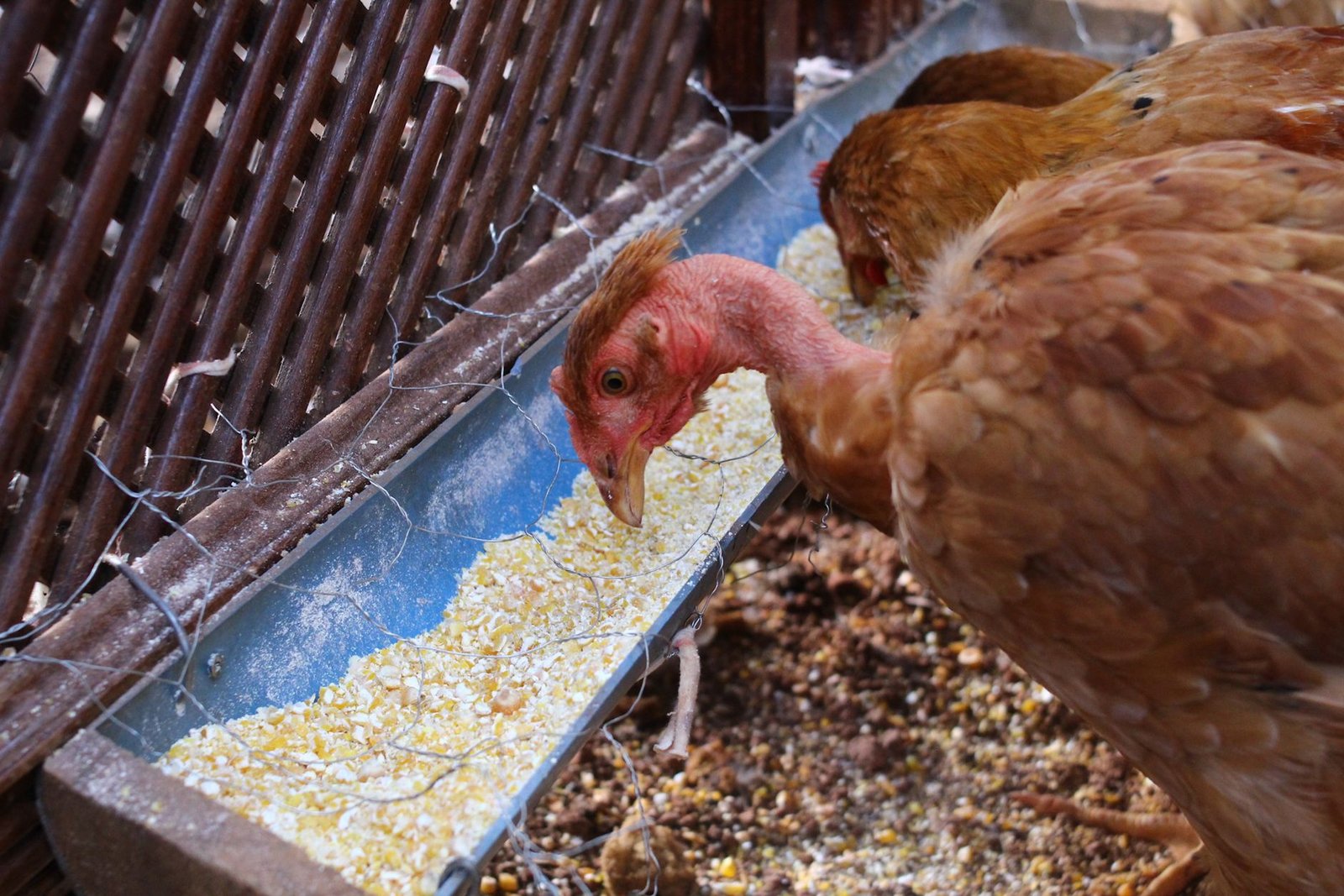
Always choose mealworms labeled specifically for poultry. Confirm no pesticide residues, salmonella testing, and—when possible—look for added calcium if feeding chicks or layers. Storage, price per pound, and packaging are just as important for getting the best value and safest product.
Want to optimize every aspect of your flock’s environment and feed plan? See our guide to best chicken coop for cold weather and keep chickens warm in winter for complete flock health insights.
Live vs. Dried Mealworms: Detailed Comparison
There’s no universal “best”—it depends on your goals, flock size, and storage preferences. Here’s how both options stack up.
Live mealworms act as an enrichment—chickens hunt, peck, and scratch for them, mimicking natural feeding. Freshness is critical: Many buyers report disappointment with arrival condition, especially if live mealworms sit in warm warehouses or are shipped on weekends. Live mealworms typically keep for 1–2 weeks in the fridge, depending on temperature and humidity, though some sources report up to 3 weeks under optimal conditions. and generally cost more per pound. You’ll find 1-lb (about 2,000 worms) or 5-lb packs (scaling in price depending on quantity), and bulk rates become available at 10-lb or 25-lb orders.
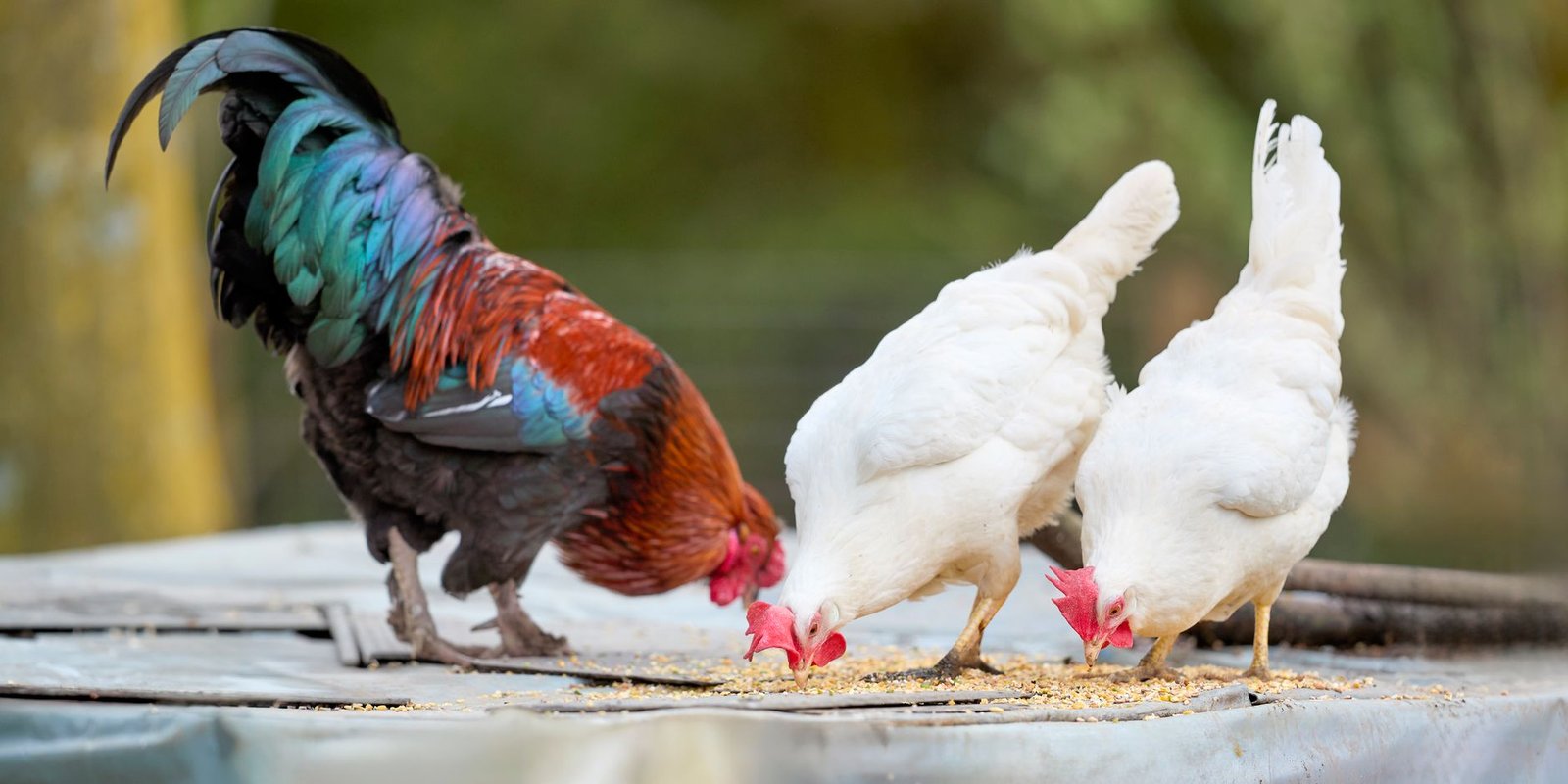
Dried mealworms are shelf-stable for 12–24 months if properly kept, sold in bags from 1-lb through 50-lb sizes. You’ll avoid the mess, smell, and refrigeration of live. Some dried mealworms are fortified with calcium, crucial for molting or laying hens. However, dried worms can go rancid fast if exposed to heat, air, or moisture, so airtight containers are non-negotiable.
For fluctuating flock sizes or unpredictable feeding, dried is often the safer investment. For natural behavior and enrichment—go live. Either way, avoid brands with poor packaging, and always check for signs of spoilage or contamination on arrival (see pain points below).
For more help setting up a secure chicken run for treats and foraging, check our advice on best chicken run and predator proof chicken coop.
Bulk Buying Guide: Dried Mealworms Bulk Sizes & Price Ranges
For many backyard keepers and small poultry farms, the cost per pound makes bulk dried mealworms orders the logical choice. Sizing starts at a 1-lb bag and goes up to 5, 25, or even 50-lb sacks.
According to regular buyers in online poultry groups, prices range as follows: bulk dried mealworms prices vary widely by brand and region; current market data shows 5 lb often ranges $35–55, 25 lb $120–180, and 50 lb $200–280, making the article’s $200–250 and $350–400 figures likely outdated or inflated. Buying in volume dramatically drops the per-pound rate, maximizing your value—provided you can store them correctly.
Improper storage (leaving bags open, in humid sheds, or in sunlight) leads to rapid spoilage. Dried mealworms exposed to moisture will mold quickly or go rancid. Best practices: Store dried bulk bags in airtight containers, away from heat and light, and check for any unusual odors or visible mold before feeding.
To avoid waste and protect your investment, split large bags into smaller airtight jars or freezer containers. Even bulk dried mealworms can last up to 24 months with proper storage, but can spoil quickly if this step is skipped. More bulk-buying and storage tricks for other feeds are covered in our best chicken feeder no waste and best hardware cloth for chickens guides.
For reference, community favorites and further price checks can be seen at this bulk mealworm discussion.
Top Buyer Pain Points and What Competitors Miss
Most mealworm buyers run into three predictable headaches—some of which leading brands rarely address:
- Quality and arrival issues: Live mealworm shipments often arrive with dead or dehydrated worms. Dried mealworms can arrive stale or with off smells indicating spoilage.
- Poor packaging: Thin plastic bags or unsealed containers let in air and pests, causing rapid spoilage and waste. Good seals—and sometimes resealable pouches—are a must, especially for dried mealworms bulk orders.
- Safety gaps: Few brands clearly state pesticide-free, salmonella testing, or additional calcium enrichment. This leaves buyers—especially those feeding vulnerable chicks or molting birds—at risk and uncertain.
Pain points like poor packaging and unclear safety measures are echoed in chicken-owner forums and product reviews across the board (see this deep dive). When in doubt, reach out to the seller about testing protocols or certificates—top sellers are transparent, while budget options may gloss over these crucial details.
See also why best heated chicken waterer and adequate chicken coop space requirements further reduce risk for your flock’s health.
Safe Supplementing: Protecting Your Flock with Quality Choices
Safety counts not just for your grown hens, but especially for chicks and molting birds when supplementing with chicken treats like mealworms. Here’s what matters most:
- Pathogen and pesticide safety: Look for products that specify salmonella or E. coli pathogen testing, and are labeled pesticide-free. Large or generic bulk shipments from unverified sources—especially overseas—heighten risk.
- Calcium enrichment: Dried mealworms often lack enough calcium for chicks and layers. Check for calcium enrichment, or supplement separately if your main mealworm brand does not include it.
- Packaging and storage clarity: Providers should explain best storage methods, including ideal temperature ranges, airtight seals, and pest-prevention packaging.
Many brands—even leading sellers—skip these features, which are even more critical for baby chicks and fast-molting adults. Transparency from your supplier is a good sign; lack of details is a red flag.
You can compare supplier claims with forums like this group for breed-specific advice and mealworm feeding advice.
Quick Reference: Comparison Table & Recommendations
Use this table to weigh your options at a glance and see what to ask before your next purchase.
| Type | Typical Protein/Fat | Calcium Content | Common Bulk Price (per lb) | Shelf Life | Buyer Pain Points |
|---|---|---|---|---|---|
| Live Mealworms | ~50% / 30% dry-matter | ~1% | $1.50–$3.00 per lb (10–25 lb) for live mealworms, as live worms generally cost significantly more per pound than dried due to shipping and handling. | 2–3 weeks (refrigerated) | Dead on arrival, short shelf life |
| Dried Mealworms | ~50% / 30% | 1–2% (often fortified) | $12–15 (1 lb), $50–60 (5 lb), $200–250 (25 lb) | 12–24 months | Spoilage from poor storage, rancidity risk |
| Competitor Gaps | — | — | — | — | Lack of pathogen testing, no calcium, poor packaging |
- Ask your supplier if they test for pathogens and offer pesticide-free guarantees.
- Check calcium content, especially for chicks and layers needing molting treats with added minerals.
- If in doubt about shelf life, split bulk dried mealworms up and use airtight containers—never leave bags open or in a humid garage.
Compare live, dried, and features with guidance from this in-depth community discussion.
FAQs About Mealworms for Chickens
Where are most mealworms sourced from, and does it matter?
Many dried mealworms sold in bulk are imported, often from overseas. Quality and safety can vary between suppliers, so look for a provider that clearly states country of origin and is transparent about testing for pathogens or pesticide residues.
How much calcium is in mealworms, and do layers or chicks need more?
Standard mealworms have about 1% calcium, sometimes 2% if fortified. Laying hens and growing chicks benefit from extra calcium—consider using a supplement or choosing calcium-enriched mealworms.
How often should chickens eat mealworms?
Mealworms are a treat, not a complete diet. Offer a small handful two to three times per week, using more during molting or winter. Avoid overfeeding to keep their diet balanced.
What’s the best way to store dried mealworms bulk?
Store them in airtight containers, away from moisture and light, at cool room temperature or in a refrigerator. This prevents spoilage and extends shelf life up to 24 months.
Are live mealworms more nutritious than dried?
Live mealworms contain higher moisture and encourage natural behavior, but both live and dried types offer similar protein and fat content on a dry-matter basis. Dried are more convenient and last longer.
Conclusion
Choosing the best mealworms for chickens means weighing nutritional benefits, storage practicality, price per pound, and—most importantly—safety. Pay attention to exactly how mealworms are processed, packaged, and labeled for pathogen and pesticide status. Always secure airtight storage, ask for transparency, and balance treats with the right diet for chicks and layers. Ready to upgrade your chicken treats for healthier hens and thriving chicks? Compare top options now and make sure your flock is getting the best.
—
Sources
- https://bugfactory.co/blogs/posts/mealworms-vs-meat-soy-nutritional-comparison
- https://pdfs.semanticscholar.org/d7d2/8c289e5362bf612f35be2c728d4808dde4de.pdf
- https://pmc.ncbi.nlm.nih.gov/articles/PMC10053216/
- https://www.tandfonline.com/doi/full/10.1080/1828051X.2025.2592715
- https://pmc.ncbi.nlm.nih.gov/articles/PMC11508236/
- https://www.nature.com/articles/s41598-023-38747-w