
As an Amazon Associate we earn from qualifying purchases. This article contains affiliate links; we may earn a small commission at no extra cost to you.
Choosing the best chicken nipple waterer can transform how you provide clean water for chickens. With so many options, it’s easy to overlook long-term reliability, actual flow rates, and hidden maintenance hassles that determine whether your set-and-forget watering system truly performs as advertised. This guide blends hands-on insights, real specs, and hard-learned lessons from the field, so your flock stays healthy with less work from you.
Key Takeaways
- Poultry nipple watering systems keep water enclosed and clean far better than open reservoirs, dramatically reducing contamination risks.
- Evaluating the best chicken nipple waterer means considering nipple design, flow rate, material quality, actual stocking rates, real pricing, and climate effects on failure points.
- Common issues include leaks, clogs, freezing, and pressure loss. Preventing these failures requires both smarter purchasing and routine easy maintenance.
- Why Nipple Waterers Deliver the Cleanest Water for Chickens
- Core Specs—What Makes a Chicken Nipple Waterer the Best?
- Price Range and Warranty Expectations (With Real Examples)
- Most Common Problems and How to Avoid Costly Failures
- What Competitors Don’t Tell You—Water Quality, Lifespan, and Smart Upgrades
- Final Recommendations—Choosing Your Ideal Chicken Nipple Waterer
- Frequently Asked Questions
Why Nipple Waterers Deliver the Cleanest Water for Chickens
If you want clean water for chickens, the best chicken nipple waterer easily outperforms traditional troughs and open buckets. Because the water is sealed inside the system, no dirt, feed, or chicken poop can enter—unlike open pans, which quickly become unsanitary and attract flies or rodents. This means you spend less time scrubbing algae and have less coop mess to battle.
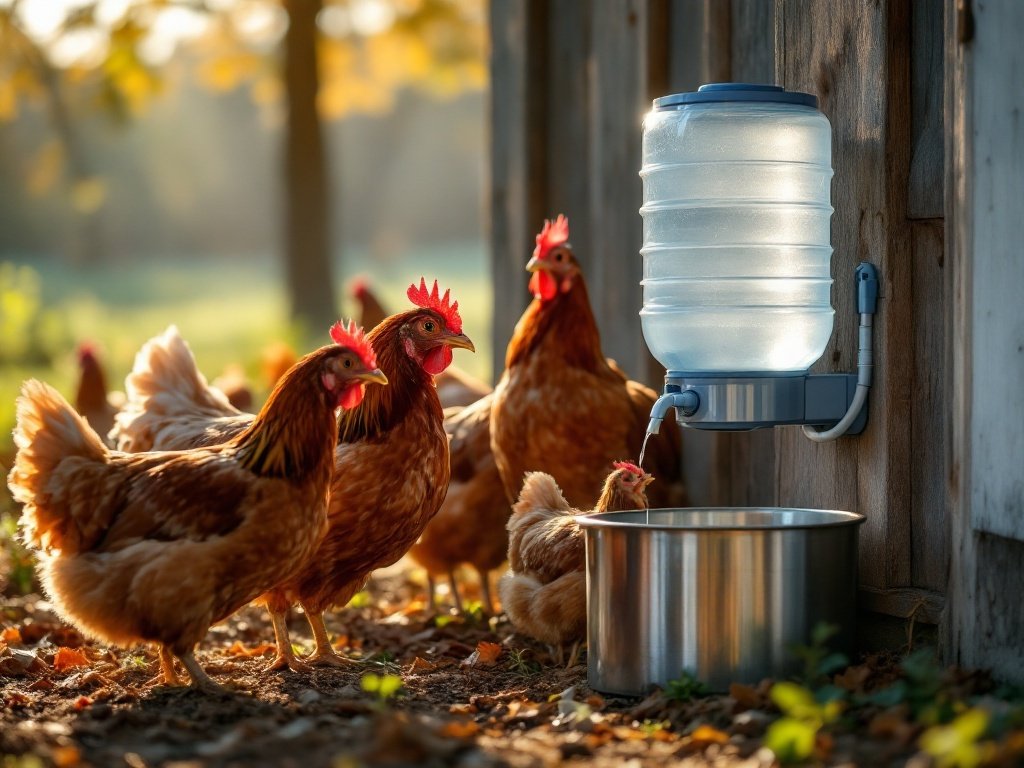
According to Backyard Chickens, “The waterer is fully enclosed so no dirt, poop, or feed can contaminate the water, keeping the system pest-proof and spill-free.” Not only does this protect your flock’s health, it also reduces odors and water waste in the coop.
Open waterers also create another issue in winter: water freezes faster when exposed, leaving birds thirsty. A closed poultry nipple watering system, when paired with a heated waterer, eliminates daily ice-chipping chores and keeps your hens hydrated in cold weather.
Ready to upgrade your chicken care? Mastering nipple waterer basics is the first step to a cleaner, lower-maintenance coop.
Core Specs—What Makes a Chicken Nipple Waterer the Best?
To select the best chicken nipple waterer for your flock, focus on these proven features:
- Food-grade plastics or metals: Always look for units made from food-safe PVC or HDPE for tanks, with reinforced polymer or galvanized steel hardware. Cheaper plastic can crack in sun or frost.
- Horizontal vs Vertical Nipples: Horizontal nipples are best for backyard setups—they leak less and can be mounted on buckets. Vertical nipples often suit commercial runs, but may drip when not perfectly installed. For most small flocks, horizontal nipples are easier to maintain and winterize.
- Ideal Flow Rate: Flow must match bird age. A commonly cited starting point is about 20 to 40 ml/min for young birds, increasing as birds grow; exact flow should be matched to the nipple model and bird age. An 8-week broiler needs about 76 ml/min from its nipple. Low flow means sluggish, dehydrated chickens; too much wastes water.
- Number Per Bird: Space at 8–12 birds per nipple for low-flow models (see full guide). Overcrowding leads to stress and wet bedding.
- Mounting Height: Start with nipples just above day-old chick eye level. Gradually raise so birds stretch slightly, moving to a higher angle as they grow for healthy neck posture and less spillage.
- System Pressure: Nipple drinkers must maintain at least 2 bar (30 psi). Lower pressure results in poor flow, especially with long pipe runs or gravity-fed systems.
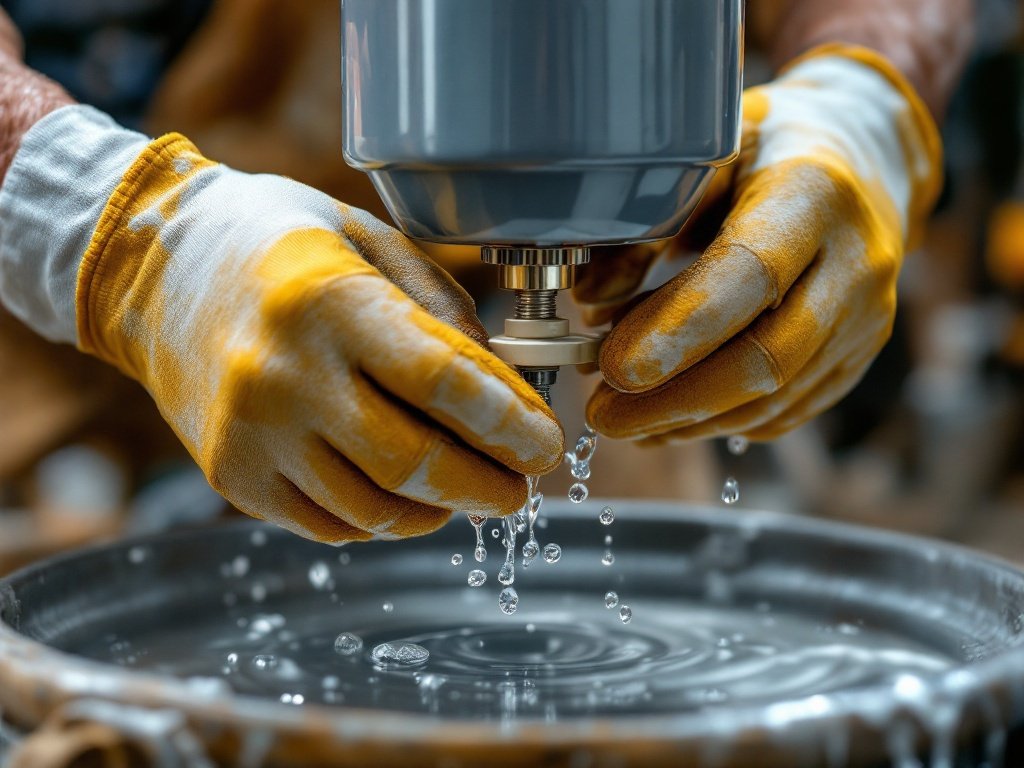
Remember, system reliability is only as strong as your weakest fitting. Always inspect for cracks or worn seals before each refill—and keep a set of spare horizontal nipples on hand. For more advanced winter coop protection, see our deep-dive on coops for cold weather.
Choosing the right setup doesn’t have to mean overspending. Next, let’s break down real-world prices and warranty terms for today’s leading options.
Price Range and Warranty Expectations (With Real Examples)
Most backyard chicken keepers want a reliable solution without stretching their budget. Here’s what you can realistically expect to invest, based on up-to-date pricing:
| Product/Brand | Type | Size | Listed Price | Warranty |
|---|---|---|---|---|
| [product name removed] | Horizontal Nipple | 3.6 gal | $33.22 | 1 year plastic / 2 years metal |
| Lil’Clucker 5-pack Kit | Horizontal Nipple | N/A (DIY size) | $19.73 | 1 year |
| Bulk Horizontal Nipples | Nipple Kit | 6–12 pack | $5.17 – $18.63 | Varies |
| Premier Heated Bucket | Heated Nipple | 3 gal | (See store) | Varies |
(Source: Flapen)
Pay attention to what’s covered in the warranty. Typically, plastic buckets and nipples have a 1-year window, while metal frames run to 2 years. Some brands stand out with longer guarantees, but always confirm before purchase, especially if your local climate is harsh. For year-round protection, the best heated chicken waterer upgrade can prevent freeze-ups in winter.
If you’re planning DIY, bulk packs of horizontal nipples are affordable and let you size your own tank for your flock. Just match spacing, flow, and height as explained above to avoid water rationing and wasted money.
Still on the fence? Discover how smart buying now helps avoid the most common, costly waterer failures below.
Most Common Problems and How to Avoid Costly Failures
No chicken nipple waterer is bulletproof. Over time, several issues crop up repeatedly. Handled early, these are simple to prevent—ignore them and you’ll waste water, time, and even risk dehydration. Here are the core pitfalls:
- Leaky or Cracked Nipples: Cheap plastic or cross-threaded installs lead to frustrating leaks. Always hand-tighten (not with pliers) and use plumber’s tape. Replace cracked nipples with quality horizontal replacements—keep a spare or two at the ready.
- Clogging with Debris: Sediment, grit, or hard water scale can clog or jam the nipple pin. Flush the system every few refills, and occasionally pop out the nipple pin to clean with a toothbrush. Consider a filter if your water is hard or comes from a well.
- Freezing in Winter: Standard nipples freeze at sub-zero temperatures, locking shut and leaving birds without access. Only use heated bucket waterer models or install an submersible aquarium heater when winterizing. Learn more about winter flock care.
- System Pressure Loss: Gravity-fed lines may not deliver the necessary 2 bar (30 psi) pressure, especially in larger setups. Use a pressurized header tank or booster pump for best flow.
Routine weekly checks, especially after major temperature swings, are your best insurance. Nip problems early with scheduled inspections and careful, not rushed, installations.
Want even more advanced reliability? See how new tech and smarter maintenance can push system lifespan beyond the average below.
What Competitors Don’t Tell You—Water Quality, Lifespan, and Smart Upgrades
Beyond specs and price tags, the success of a poultry nipple watering system hinges on two overlooked factors: water chemistry and proactive upgrades. Poor water quality (high hardness, out-of-range pH, or excess chlorine) accelerates nipple tip wear, shortens gaskets’ lifespans, and can compromise flock health before you see symptoms.
- Recommended water metrics vary by source and system; use potable water and follow local water-quality guidance rather than relying on a fixed pH, hardness, or chlorine target.
- Test your source water every season (test strips are cheap). Correct out-of-range metrics with conditioner or by blending sources when needed.
- Nipple lifespan varies by material, water quality, and maintenance; replace nipples when they begin leaking, sticking, or corroding. Once leaks persist after replacing seals or plumber’s tape, swap out the nipple entirely.
- For hands-off watering, consider smart upgrades: auto-refill systems, pressure sensors that alert your phone to a pressure drop, and in-line filters for debris-prone wells.
Most brands don’t mention how regular maintenance and seasonal flushing add years to your setup. Your investment pays off long-term only if you keep these fine-tuned. Explore a full selection of coops and accessories to further streamline your chores.
Final Recommendations—Choosing Your Ideal Chicken Nipple Waterer
Matching the best chicken nipple waterer to your flock means balancing local weather, coop space, flock age, and your tolerance for regular upkeep. For broilers in mild climates, a bucket waterer with horizontal nipples and a simple DIY design is hard to beat. Cold snaps? Jump straight to a heated 3-gallon unit for winter, or pair your waterer with a no-waste feeder for ultimate low-maintenance care.
Always check for robust warranties, easy-to-find replacement parts, and honest support from the manufacturer. Invest a few extra minutes in install, seasonal flushes, and water checks, and you’ll avoid almost every common failure. Your flock—and your chore list—will thank you.
Ready to simplify chicken care? Research your best fit right above, and give your birds the clean, trouble-free water they deserve. If you still have questions about which setup to choose, drop them in the comments or explore more options, like the best chicken coop for 6 chickens or how to set up a brooder for chicks.
For further results, don’t forget to double up with advice on keeping your coop spotless and cold-weather yard care. The best chicken nipple waterer is just one part of a happier, healthier flock.
Frequently Asked Questions
How do I stop my chicken nipple waterer from leaking?
Leaks usually happen if the nipple is cross-threaded or the seal isn’t tight. Remove the nipple, re-wrap threads with plumber’s tape, and screw it in firmly (by hand, not with tools). If leaking continues, replace the nipple—it may be cracked.
How many chickens per nipple waterer is best?
Industry guidelines recommend 8 to 12 birds per nipple for most backyard setups. For larger breeds or hot climates, consider fewer birds per nipple to ensure no one is left waiting.
How do I prevent freezing in winter?
Use a heated water bucket or install a submersible aquarium heater in your waterer. Insulate exposed parts and check fittings regularly. For complete winter prep, see our guide on keeping chickens warm in winter.
How often should I clean my poultry nipple watering system?
Rinse and wipe down tanks or buckets every week, flush the nipples, and check for clogs at least monthly. More frequent cleaning is needed if your water is hard, or if you notice sluggish flow.
Can I use a chicken nipple waterer for chicks?
Yes, but start with the nipple mounted just above chick eye level. Use a model with a gentle flow, and make sure chicks learn to peck at the metal pin for water access. Adjust height as they grow.
—