
As an Amazon Associate we earn from qualifying purchases. This article contains affiliate links; we may earn a small commission at no extra cost to you.
Best chicken diapers have become essential for anyone keeping pet chicken indoors. Get sizing, comfort, and leak prevention right, and you’ll avoid constant messes and irritated birds. Miss by an inch, and you’ll be cleaning floors—or treating rashes—every week.
Key Takeaways
- Correct chicken diaper sizing is crucial—use measurements, not labels, and printable charts to avoid leaks and skin irritation.
- Choose diapers with breathable liners, high-absorbency cores, and adjustable straps; reusable, safety-tested models last far longer than cheap disposables.
- Most guides lack breed-specific wear tests; always check fit and comfort on your bird, and use buyers’ checklists to prevent common mistakes.
- Why House Chickens Need Truly Well-Fitting Diapers
- The Ultimate Chicken Diaper Size & Fit Guide (with Printable Chart)
- Features That Matter: Materials, Absorbency & Leak Protection
- Solving the Top Pain Points: Leakages, Fit, and Skin Care
- Wear Tests by Breed: What Actually Works?
- Quick Reference: Sizing & Buyer’s Checklist (Download Included)
- FAQ
Why House Chickens Need Truly Well-Fitting Diapers
Living with a pet chicken indoors is more popular than ever, but it comes with unique hygiene challenges. Chickens cannot be potty trained; they need special indoor chicken supplies, and diapers are essential. The best chicken diapers keep both your bird and home clean, but only if they fit properly.
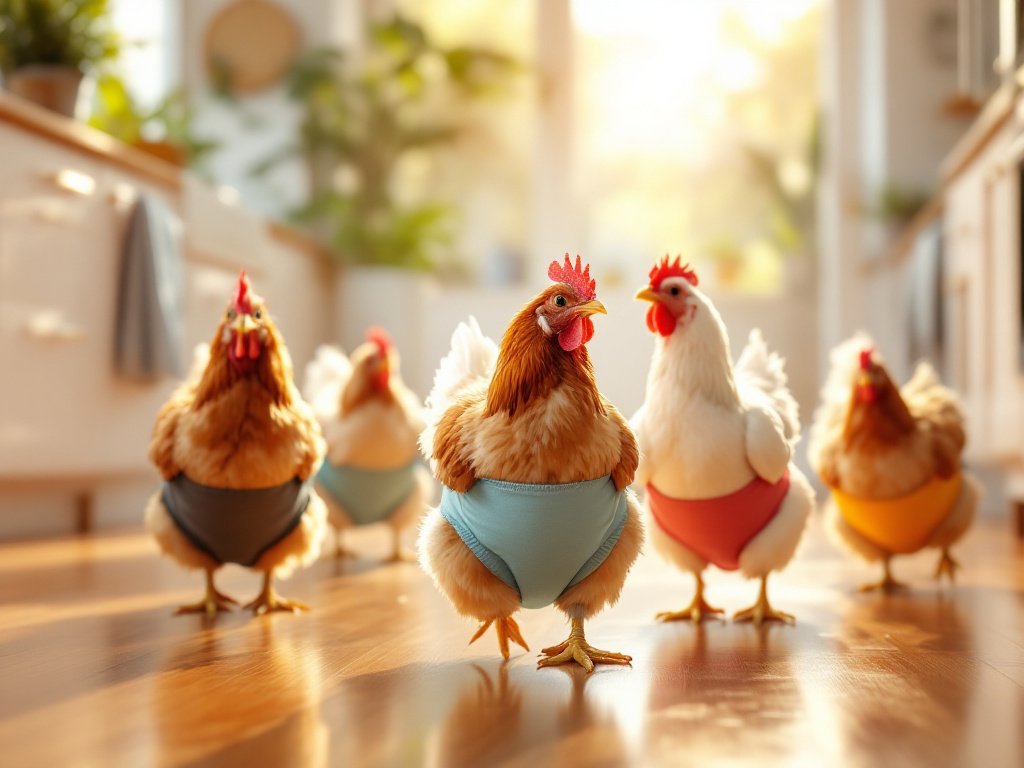
Most owners struggle with two main issues: diapers that constrict (causing chafing and irritation) or diapers that gape and leak. Both lead to mess and unhappy birds. Skin irritation and fit problems are common complaints—poor moisture management and incorrect sizing are frequent issues for house chicken care.
If you want to keep a chicken-friendly home, getting sizing, comfort, and leak protection right is not optional—it’s the core requirement that makes all other indoor chicken keeping possible.
The Ultimate Chicken Diaper Size & Fit Guide (with Printable Chart)
Chicken diaper sizing is not universal. Breeds, age, and even individual birds vary—so the solution is to measure, not guess. Here’s how to get the right fit for the best chicken diapers:
- Measure your chicken using a flexible tape. Take the girth around the waist (just in front of the legs) and the length from neckline to tail base.
- Compare your numbers to size recommendations. For reference:
- XS fits 8-12 inches (for bantams and tiny breeds)
- S fits 12-16 inches (young pullets, smaller breeds like Silkies)
- M fits 16-20 inches (typical adult hens e.g. Plymouth, Wyandotte)
- L fits 20-24 inches (large breeds like Orpington, Faverolles)
- XL fits 24-28 inches (giant Brahmas, large roosters)
- Use the “two-finger gap rule”—you must be able to slip two fingers between the waistband and your bird’s body.
Most sellers still do not supply printable chicken diaper sizing sheets. Yet many frustrated owners report these would save them from costly guesswork and repeated returns.
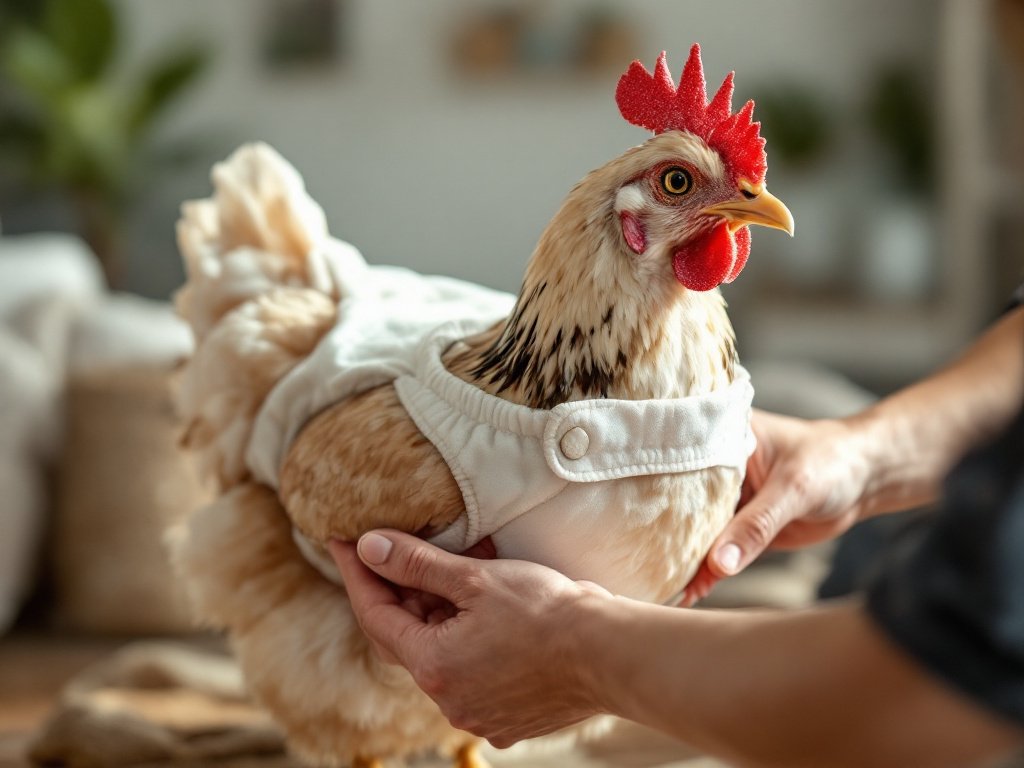
For common backyard breeds, see this printable pet sizing chart for reference, but always measure your own bird for accuracy.
If you keep a large flock with mixed breeds, label each chicken’s diaper size and store in a clean, dry spot along with other chicken coop accessories to speed up changes and avoid mistakes.
Features That Matter: Materials, Absorbency & Leak Protection
Not all indoor chicken supplies are created equal. Here’s what matters most in the best chicken diapers:
- Absorbency: Look for models with a soft inner liner, a thick absorbent core, and a waterproof but flexible PUL outer shell. This proven three-layer system delivers reliable leak protection and minimizes skin irritation from trapped moisture.
- Adjustability: Select diapers with broad, soft, adjustable straps—avoid stiff elastic that cuts into skin. A hook-and-loop or Velcro system is best for customizing fit as your bird moves or grows.
- Safety standards: Choose products certified to an established pet-safety or textile standard safety standards, which are recognized benchmarks for pet diaper materials.
- Durability and cost: Good reusable models withstand many wash cycles, making them far more economical than single-use disposables.
- Price range: Disposable chicken diapers and premium reusables vary widely in price by brand and seller. Consider invest in a few high-quality, long-lasting diapers rather than many cheap ones.
| Feature | Reusable Diapers | Disposable Diapers |
|---|---|---|
| Core Construction | Soft liner, high-absorbency core, PUL shell | Absorbent pad, plastic backing |
| Adjustable Straps | Velcro/hook-and-loop (custom fit) | Fixed elastic, less flexible |
| Durability | 100–200 wash cycles | Single use only |
| Cost | $5–$20 each | $0.85–$2.25 each |
| Leak Protection | High, if fit is correct | Moderate; more leaks if sizing is off |
| Skin Irritation | Low, with breathable fabric | Higher with poor fit or plastic contact |
| Meets ASTM D‑5629‑15 | Yes (if certified) | Rare |
If you’re shopping for long-term solutions, reusable products, though more expensive upfront, often provide far greater value and comfort.
Want to keep chickens healthy in winter? Check your entire winter chicken care routine—bedding, heating, and diapering all influence feather and skin health.
Solving the Top Pain Points: Leakages, Fit, and Skin Care
Frustration with chicken diapers typically comes down to:
- Leaks at the tail or legs—often due to sizing errors or rigid elastic bands that gap when the bird moves.
- Sagging and slipping—usually from lack of adjustability or using diapers designed for other animals (such as repurposed dog diapers).
- Chafing and irritation—from non-breathable surfaces or seams placed in the wrong spot. Skin damage rises fast in moist, warm areas.
- No universal sizing—every brand differs, so always use physical measurements, not generic “S/M/L” tags, when buying.
Solutions:
- Use the fit-tolerance guideline—a two-finger gap between diaper and skin, so air can circulate.
- Prefer models with adjustable straps and wide, lay-flat bands that won’t twist or roll.
- Switch to highly breathable, moisture-wicking inner fabrics, especially for long stretches indoors.
- Change diapers as soon as moist—don’t wait for visible soiling, which dramatically increases risk of rash.
Direct research on dog diapers confirms that breathable backings and adjustable straps also reduce leaks and discomfort in chickens. Where possible, avoid “one-size-fits-all” options not specifically marketed as best chicken diapers—they almost always fail the comfort and hygiene test.
Serious skin issues? Read our guide on natural mite and lice control to prevent secondary problems from chronic moisture and irritation.
Wear Tests by Breed: What Actually Works?
Many guides do not include breed-specific wear-testing for chicken diapers. This is a significant gap. Body shape, feather density, and tail set all influence how a diaper will perform over time—yet most advice stops at waist measurement alone.
What’s missing? Reports from owners who tracked daily wear issues on Silkies (with their profuse fluff), slim Mediterranean breeds, or giant Brahmas. Lighter, narrower-bodied birds sometimes experience more slipping and leaks, while heavily feathered breeds frequently require up-sizing to avoid crushing plumage.
Manufacturers are encouraged to publish breed-tested fit guides and encourage owners to contribute real-world results. Until then, carefully monitor your bird’s comfort, resistance to removal, and any dampness after use. Adjust as you learn what truly works for your specific chicken.
This missing data set is a frustration for many thoughtful buyers—one printable sizing chart and one table of breed/fit feedback from real users would fill a huge gap. Until then, start with flexible, adjustable models and check for changes in fit weekly, especially as birds grow or molt.
Want to see what works for similar “hard-to-fit” cases? Read about practical sizing in wear tests in comparable pet diaper guides.

Quick Reference: Sizing & Buyer’s Checklist (Download Included)
Shopping for the best chicken diapers? Here’s what to confirm before you buy:
- Use accurate chicken diaper sizing—print and complete a sizing chart for each bird in your flock.
- Check that materials include a soft, wicking inner layer, absorbent middle, and waterproof shell.
- Always choose adjustable straps (Velcro or hook-and-loop), not fixed elastic only.
- Ensure two-finger looseness for comfort and ventilation.
- Prioritize models certified to pet safety standards (like ASTM D‑5629‑15).
- Download and use printable sizing tools to cut fit errors and reduce returns.
Printable, ready-to-use sizing sheets are highly sought after by indoor chicken owners, but are rarely included in product packaging. Using one reduces fit errors and buying frustrations.
Download our free printable chicken diaper sizing tool here.
Need more hard goods for happier chickens? Check out no-waste feeders and heated waterers for winter to complete your indoor setup.
For breed-specific housing advice, see bantam chicken breeds and cold weather coop designs.
Conclusion
Getting the best chicken diapers for your indoor pet bird comes down to correct sizing, top-quality materials, and buyer diligence. Every chicken is shaped a little differently, but a little preparation goes a long way—print your sizing chart, follow fit-tolerance rules, and invest in comfort with breathable, ASTM-certified models. Check your bird’s fit and skin regularly. The best chicken diapers let you enjoy your pet indoors—with less mess and a happier, healthier chicken. Download the printable tool, measure up, and upgrade your supplies today.
FAQ
How do I measure my chicken for a diaper?
Wrap a flexible tape measure around your chicken’s waist, just in front of the legs, and note the measurement. Also, measure from the base of the neck to the base of the tail for best fit. Use a printable sizing chart for accuracy.
What if my chicken falls between two sizes?
Choose the larger size and adjust with the straps. It’s safer and more comfortable to snug up a loose diaper than to risk chafing or constriction from one that’s too tight.
How often should I change a chicken diaper?
Change the diaper as soon as it’s moist. Do not wait for visible soiling. Quick changes minimize risk of skin irritation and keep your bird comfortable indoors.
Can I use dog or cat diapers on chickens?
Dog and cat diapers rarely fit chickens correctly and may cause leakage or discomfort. It’s best to use products designed as chicken diapers, with proper sizing and adjustable straps for birds.
What helps prevent skin irritation from diapers?
Use breathable, moisture-wicking liners, ensure the diaper isn’t too tight, and change often. Avoid plastic-only designs and check your chicken’s skin at every change.