
As an Amazon Associate we earn from qualifying purchases. This article contains affiliate links; we may earn a small commission at no extra cost to you.
Chicken coop accessories can make or break your experience as a backyard chicken keeper—both in daily workload and flock health. Whether you’re building your first coop or upgrading, knowing which accessories are must-haves (and which are oversold extras) is crucial if you don’t want to waste money or deal with constant repairs.
Key Takeaways
- Understanding chicken coop must haves versus “nice-to-haves” saves time, money, and frustration for DIY keepers.
- Specs, cost, and maintenance are just as important as features—automatic doors, quality roosting bars, and proper ventilation drive the biggest improvements for most small flocks.
- Common pitfalls (like poor airflow, broken roosts, or finicky doors) are avoidable if you shop smart and budget realistically.
- What Are The Real Chicken Coop Must Haves?
- Chicken Coop Ventilation: Options, Costs, and Mistakes to Avoid
- Roosting Bars: Specs, Price Ranges, and Common Problems
- Automatic Chicken Coop Doors: Tech, Pricing, and Real-Life Durability
- The Hidden Costs and Long-Term Value of Chicken Coop Accessories
- Troubleshooting & Warranty Realities: What Reviews Reveal
- Beyond Basics: Future-Proofing Your Chicken Coop With Smart Accessories
- Conclusion
- FAQ
What Are The Real Chicken Coop Must Haves?
The line between “must-have” and “nice-to-have” chicken coop accessories is sharper than many beginner guides admit. For real-life, low-hassle chicken keeping, the key is covering three core functions: safety, airflow, and flock comfort. This boils down to:
- Ventilation for humidity and odor control, which prevents respiratory diseases and summer heat stress. [source]
- Roosting bars or rails, so birds can sleep comfortably off the ground and avoid sore feet or crowding injuries.
- automatic doors or secure closures, to foil predators and reduce the chore of daily lockup.
Without these three, even the best coop quickly turns into a hassle—or worse, a risk for your flock. Smart investments in these chicken coop must haves keep maintenance low, improve egg-laying rates, and help your birds stay healthy in all seasons.
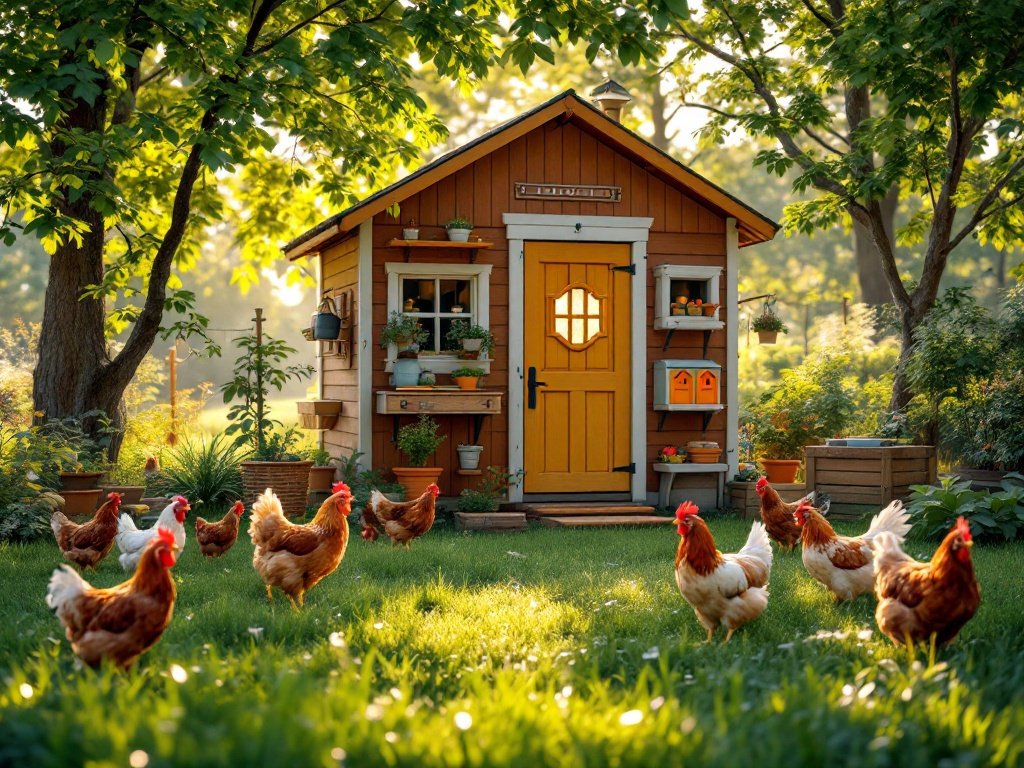
Chicken Coop Ventilation: Options, Costs, and Mistakes to Avoid
Proper coop ventilation is non-negotiable for any climate. The most practical options—and what you’ll spend—are:
- Hardware-cloth eave gaps: Inexpensive ($10–$20). Eave vents under the roof line, covered in hardware cloth, are easy to add to new builds and most retrofits.
- Cupola or gable vents: $100 and up, or $30–$50 for DIY installation labor. These are higher-end and allow outflow at the roofline.
- Screen-door vents: Prebuilt products like the OverEZ screen-door vent are $129.99. They use heavy 19-gauge screen in a solid wood frame, may be best for hot climates.
- Solar-powered ventilators: $150–$300. Quiet and efficient, but need clean panels and annual battery checks ($10–$30 for battery or screens each year).
Pitfalls: Even a “ventilated” coop can fail if air flows at roost height—causing drafts that stress or chill your birds. Always keep intake and exhaust high up near the roof, never where chickens sleep (details).
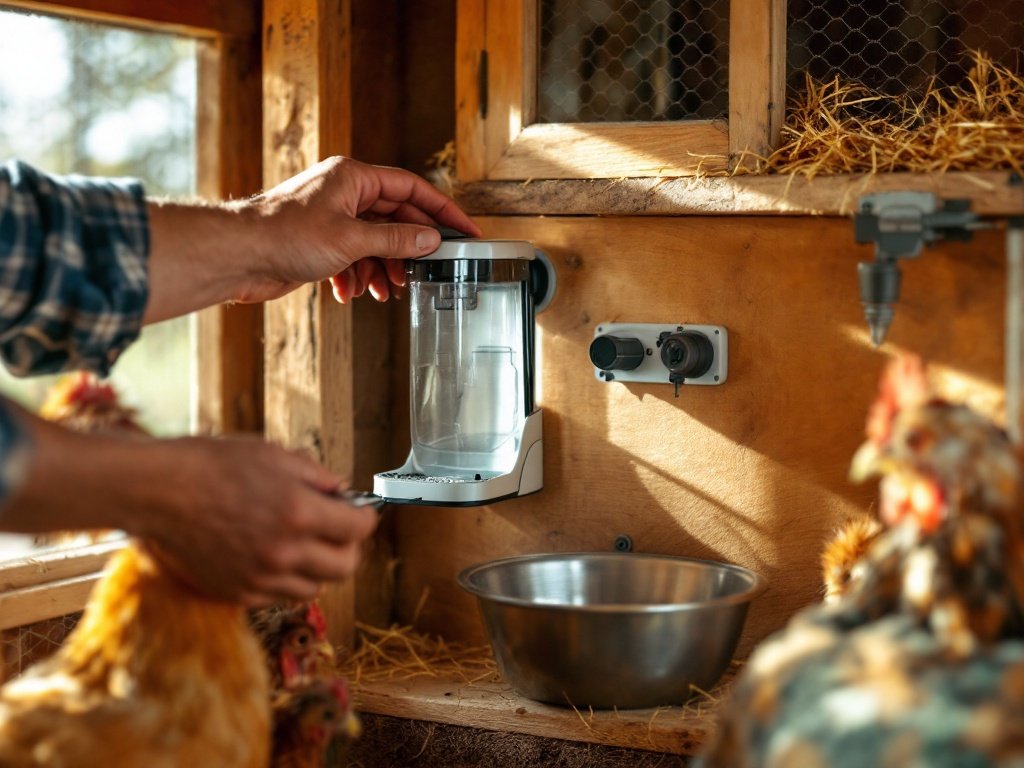
Roosting Bars: Specs, Price Ranges, and Common Problems
Roosting bars are non-negotiable chicken coop must haves—chickens off the ground stay warmer, cleaner, and safer. Choose carefully based on these factors:
- Material: Pre-cut wood and metal are most common; natural branches are free but may not last as long.
- Cost: Typically, bars cost about $5–$10 per linear foot, or roughly $50–$200 for a full set (suitable for small to medium coops). .
- Specs: Space bars at least 12 inches apart and 12–48 inches above the floor. Avoid narrow or round pipes—these cause foot sores and grip fatigue.
Maintenance: Attach with screws for easy removal. Spot-clean weekly and deep-clean monthly. Watch for splinters and surface wear on wood. Most warranties are only 90 days to 1 year and cover material defects, not breakage from heavy birds or improper use.
Common problems: Many owners complain about bars breaking under flock weight, poor spacing leading to pecking or crowding injuries, or slippery finishes. Always check the bar’s real load rating and look for rougher, flat surfaces (not smooth pipes).
Want more specific design and setup ideas? See how roost placement can make a coop “winter chicken ready”.
Automatic Chicken Coop Doors: Tech, Pricing, and Real-Life Durability
An automatic door can be a game-changer—locking predators out and making your chores easier every day. Here’s what you’ll face:
- Manual pulley: Basic, reliable ($25–$50). You do the opening and closing with effort, but installation is simple (just pulleys and rope).
- Electric models: Priced at $100–$200 (plus $20–$50 for wiring). Requires access to an outlet. Usually offers timer or light sensor modes.
- Solar-powered models: Higher cost ($150–$300). Work off-grid, include battery backup. Needs seasonal cleaning of panels. Annual check for wiring/battery ($10–$20).
Pain points: Most issues show up in harsh weather (doors freezing, sensors missing closing cues). Some models have motor failures or battery drain issues after a year. Professional install can add $200–$400, depending on your setup. Warranties can be 1–3 years (sometimes the battery only).
Looking for the best-reviewed doors? Start with our automatic coop door opener guide.
The Hidden Costs and Long-Term Value of Chicken Coop Accessories
Not every buyer’s guide talks about running costs and longevity, but these are where DIY keepers win or lose. Ask yourself:
- Ventilation: Going for cheaper vents means more maintenance (screen cleanings, replacing rusted hardware). Solar systems with fans or automatic doors cost more up front but pay off by reducing labor and supporting better flock health.
- Flock Size: If you plan to expand from 6 to 12 birds, invest early in robust hardware or larger doors. Retrofitting is nearly always more expensive and harder to seal against predators.
- Energy Use: Plug-in fans or doors add to your utility bill, while battery and solar options have lower long-term costs but need periodic parts replacement.
Most real-world keepers say strategically spending on true chicken coop must haves makes the rest of the build easier and cheaper to maintain. For add-ons like nesting boxes, waterers, or feeders, see these focused posts: no-waste chicken feeder options and best nesting boxes.
Troubleshooting & Warranty Realities: What Reviews Reveal
Any chicken coop accessory is only as good as its weakest link. Here’s what honest reviews and warranty fine print reveal:
| Accessory | Top Complaints (per research) | Warranty Typical |
|---|---|---|
| Ventilation Vents | Clogging with bedding; screens come loose or rust out; poor airflow if not placed high | 90 days–1 year; DIY builds have none |
| Roosting Bars | Breakage from overweight birds or knots; uneven spacing; hard-to-clean surfaces | 90 days–1 year limited defect coverage |
| Automatic Doors | Malfunction in freezing wet weather; battery failures; sensor errors; gaps allowing predators | 1–3 years, sometimes limited to battery only (varies) |
Manufacturers sometimes void warranties for “improper installation” or using accessories with non-matching brands. Expect any part exposed to sun, moisture, or heavy use to require replacement within 1–3 years, regardless of warranty promises.
Beyond Basics: Future-Proofing Your Chicken Coop With Smart Accessories
More backyard keepers are considering smart accessories that connect to sensors or home Wi-Fi. These can auto-close doors at sunset, log temperature and humidity, or send alerts if something’s off.
- Automatic doors: Some models pair with phone apps or smart home hubs, making remote monitoring possible or giving access alerts when you’re away.
- Motion sensors/cams: Can spot predators or track flock habits automatically. Installation may need basic wiring and access to power or reliable battery supply.
For small flocks or urban backyards, these may be overkill. But busy keepers, those with large flocks, or anyone with regular predator pressure can benefit. The key is only buying accessories you can maintain—no tech magic can replace secure, well-designed hardware.
Want more predator-proofing ideas? See our chicken coop security guide.
Conclusion
Choosing the right chicken coop accessories is less about gadgets and more about reliable, simple tools that protect your flock, save labor, and last through harsh weather. Prioritize chicken coop must haves—ventilation, roosts, and secure doors—before you budget for upgrades or “nice extras.”
Ready for next steps? Explore more practical product advice for your flock—from winter coops to heated waterers or the best coop heaters. Smart, realistic choices are the surest way to hassle-free, healthy hens—no matter your budget.
FAQ
What’s the single most important chicken coop accessory to get right?
Ventilation. Inadequate airflow causes disease, odor, and heat stress—making good vents or air gaps the real “priority 1” item.
What should I expect to spend on basic chicken coop accessories?
There’s a wide range, but most DIY setups run $10–$20 for basic vents, $50–$200 for sturdy roosting bar sets, and at least $25–$200 for a reliable door (manual to electric).
How often will I need to replace or maintain these accessories?
Plan to check and clean vents and bars monthly. Batteries or moving door parts often need replacement in 1–3 years, with screens or wooden frames swapped out as they wear.
Are smart automatic doors and sensors really worth it?
If you have large or vulnerable flocks—or are away often—smart accessories can reduce work and offer real peace of mind. For small, manually cared-for coops, reliable manual hardware may be all you need.
Is it safe to use cheap or improvised roosting bars?
Only if the bars are sturdy, flat, and not splintery or too slick. Avoid weak lumber or thin branches for larger breeds—injury and breakage risks go up fast.
Sources
- https://www.hobbyfarms.com/ventilation-drafts-chicken-coop-builder
- https://www.tractorsupply.com/a/chicken-coop-ventilation-hot-weather
- https://backyardchickenshub.com/blog/coop-ventilation-systems
- https://homeguide.com/costs/chicken-coop-cost
- https://buildingachickencoopplans.com/guides/cost-breakdown-2025
- https://coopventilationcalc.com/