
As an Amazon Associate we earn from qualifying purchases. This article contains affiliate links; we may earn a small commission at no extra cost to you.
Best chicken coop heater choices are not as simple as picking whatever device claims to be the most powerful. For backyard chicken keepers in cold climates, the real question is: How do you heat your coop safely, control overall costs, and actually keep your hens comfortable all winter—without falling for risky shortcuts or expensive mistakes?
Key Takeaways
- Flat panel and radiant plate heaters are far safer and more cost-effective than high-wattage heat lamps, as they run at lower surface temperatures and use less energy.
- True long-term cost includes not just purchase price and power use, but also installation, replacement parts, maintenance, and the risk of fire or equipment failure.
- Solar setups, while eco-friendly, require careful planning and often cost more up front—improving insulation and ventilation may have a bigger impact for less money.
- Why Heating a Chicken Coop is Tricky—and What Really Matters
- The Best Chicken Coop Heaters: Flat Panel vs. Radiant Plate
- How Much Will It Cost? (Purchase, Install, and Running Costs)
- Safety and Common Failure Risks (What Breaks and Why)
- What Nobody Tells You: Durability, Noise, Environmental Impact
- Which Heater is Best for Your Coop?
- Frequently Asked Questions
Why Heating a Chicken Coop is Tricky—and What Really Matters
Coop heating is a classic DIY challenge. Many keepers think “more heat is better,” but this is where expensive and dangerous mistakes happen. Most chicken coop fires start because traditional heat lamps or space heaters get far hotter than needed—heat lamp bulbs can reach up to 250–300 °F on the surface, though internal filament temperatures are much higher; surface temps of 500 °F are not typical for standard coop heat lamps, which is more than enough to ignite bedding or dust. In reality, insulation and dry, draft-free construction matter much more than how many watts your heater draws. Your goal should always be a safe coop heater and balanced coop heating—not just a blast of hot air.
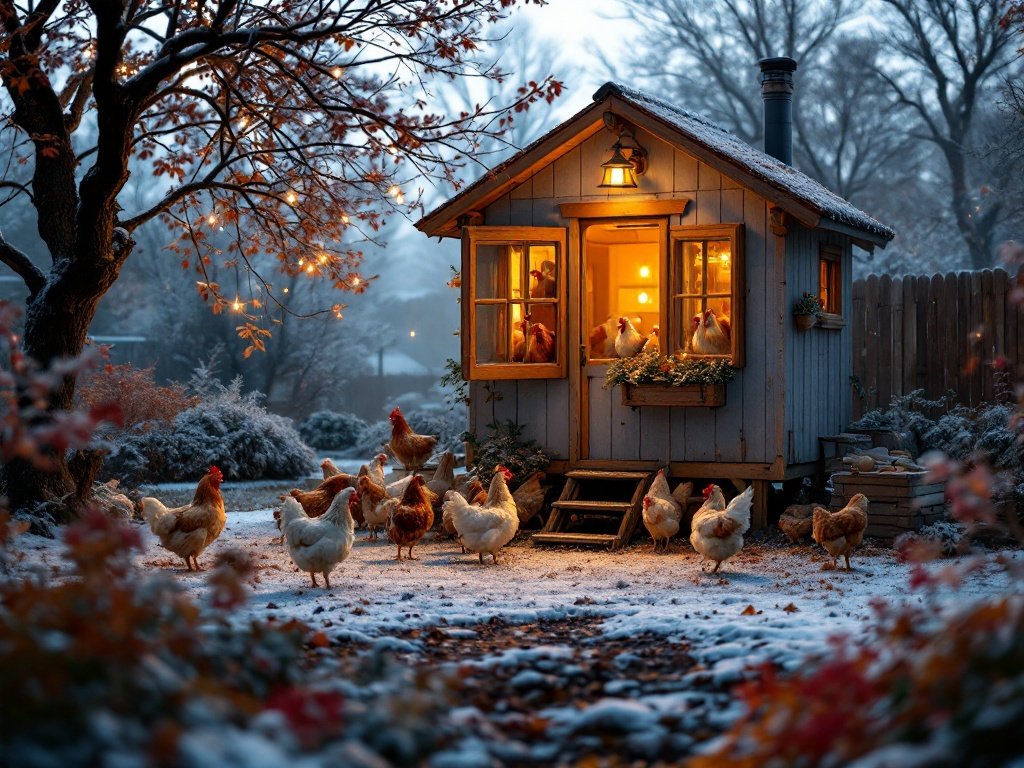
Well-insulated coops paired with low-surface-temperature radiant heaters maintain a healthy environment for chickens, minimizing the triple risk of fire, burned-out equipment, and sick birds from poor ventilation. Learn more about the best chicken coop for cold weather and why insulation always trumps a bigger heater.
The Best Chicken Coop Heaters: Flat Panel vs. Radiant Plate
Radiant panel and plate heaters have become the gold standard for best chicken coop heater choices. Here’s how the two leading types compare, with real-world specs and what actually changes for your coop management:
- flat panel coop heater (e.g. Sweeter Heater, Cozy Coop, Premier 1 RPH-1): Wall-mounted, these use either 100W (about 341 BTU/hr) for 30-40 sq ft or 200W (about 680 BTU/hr) for 60-80 sq ft. Surface temperature stays low, reducing fire risk.
- Radiant heater chickens plates (e.g. Farmight Heater Plate, Cozy Coop Heater Plate): Usually 70-120W (about 240-410 BTU/hr), covering 30-50 sq ft. Work well for brooding and for gentle coop warmth.
Unlike traditional heat lamps or space heaters, both options provide local warmth where birds roost, not just blasting heat into the air. Mounting against the wall keeps them up off litter, away from dust, and less likely to be pecked or knocked askew.
Based on product guides from My Pet Chicken and extensive user discussion, here are the features and typical areas covered:
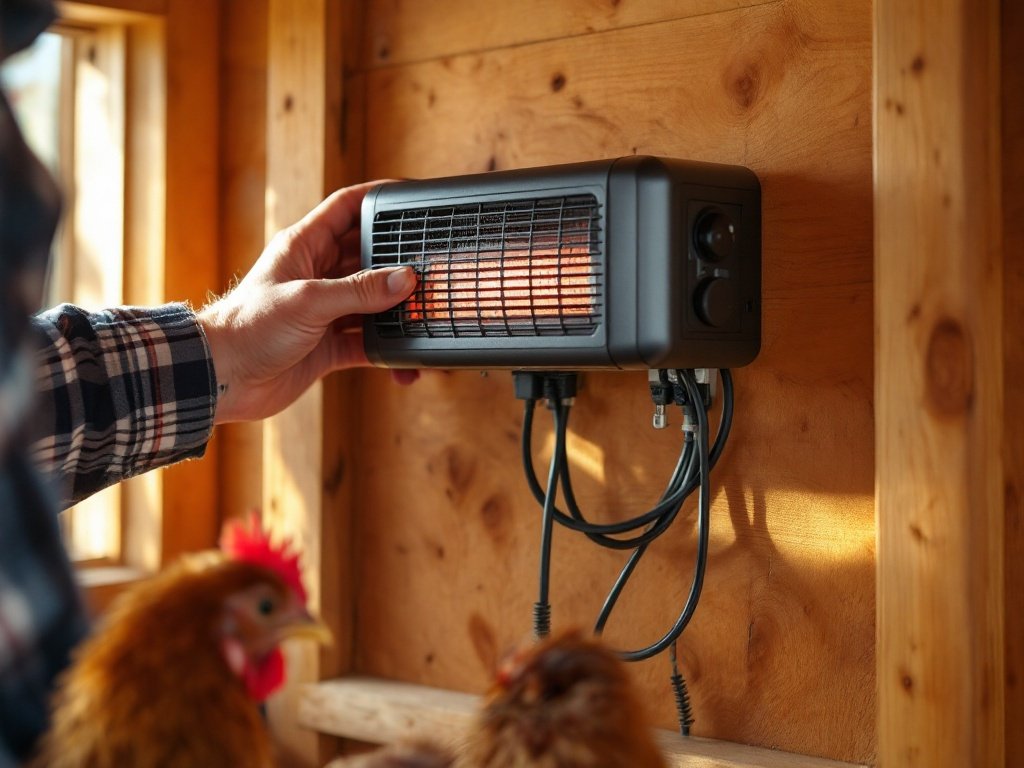
- Flat panels: Virtually silent, low-maintenance, often modular for larger spaces.
- Radiant plates: Ideal for chicks or small flocks but may require multiple units for bigger coops.
- Neither option dries out the air or causes major temperature spikes, unlike forced air heaters.
You’ll find consistently positive reviews on reputable forums like BackYard Chickens. For deeper winterization, see our advice on how to keep chickens warm in winter without relying on oversized heaters.
How Much Will It Cost? (Purchase, Install, and Running Costs)
Focusing only on price tags is a mistake. The real total cost of the best chicken coop heater includes purchase, installation, a thermostat, mounting hardware, plus ongoing energy use and what you’ll spend on replacement parts down the line.
For current models (see summarized data):
- A full flat panel coop heater setup (heater, basic thermostat, mounting kit) often ranges from a typical $130–$200.
- radiant plate heaters systems sit at around $120–$180 for comparable coverage.
- Daily energy use: one 100W radiant or flat-panel heater consumes about 0.2–0.4 kWh per cold night. At common electricity rates, this is a few cents daily—but costs double for 200W units or poor insulation.
Add in maintenance: Bulb-based heaters burn out, flat panels may need new wires, and thermostats can fail after harsh winters. Replacement parts like heating elements or sound dampeners are rarely included in cost estimates.
For in-depth running cost and maintenance budgeting, see the Heated Chicken Coop Guide.
| Heater Type | Watts (Typical) | Area Covered (sq ft) | Starter Cost | Energy Cost (Nightly) | Fire Risk |
|---|---|---|---|---|---|
| Flat Panel | 100–200 W | 30–80 | $130–$200 | Low | Very Low |
| Radiant Plate | 70–120 W | 30–50 | $120–$180 | Very Low | Very Low |
| Heat Lamp (not recommended) | 250 W | 20–60 | $30–$80 | High | High |
For an easy upgrade, read about the best chicken coop for 6 chickens and explore nesting and heated water options too: our heated chicken waterer picks.
Safety and Common Failure Risks (What Breaks and Why)
Heater fires are one of the leading serious threats to any backyard coop. The most common failures and danger points you must consider include:
- Overheating/Fire: Classic heat lamps are well-known fire hazards. Surface temps can ignite bedding, dust, or feathers. Even some “safety cage” lamps have melted cords or failed mounts.
- Moisture & Short Circuits: Damp bedding or high humidity causes corrosion and sudden shorts in exposed wires or cheap thermostats. Never mount a heater or extension cord where droppings or water can accumulate.
- Thermostat Malfunction: Failed thermostats may leave a heater running day and night, driving up bills and drying the coop dangerously.
- Burned-Out Elements: While rare with panels, some cheap heaters have heating filaments that degrade or snap if kicked or pecked.
Learn from other keepers: regular cleaning, periodic hardware checks, and keeping cords protected and off the ground are essential. For more on safe mounting and maintenance, check our guide to the best automatic chicken coop door for locked-down, predator-proof entrances.
Want more real user insights? See these safety tips for chicken coop heaters.
What Nobody Tells You: Durability, Noise, Environmental Impact
Most chicken heater reviews overlook a few key issues that can matter a lot for the DIY flock owner:
- Durability & Cleaning: Even the best designs can rust or lose heat output if splashed with wet bedding. Some flat panels are sealed; others aren’t, so check for gaps or exposed wires after each season. Spare or replacement parts (wires, thermostat plugs) mean future costs.
- Noise & Vibration: While most radiant and flat panels are nearly silent, mounting hardware can sometimes transmit vibrations into thin-walled coops. This can unsettle flock members, especially at night. Anti-vibration pads are a cheap insurance policy.
- Eco & Solar Options: Experimenters have tried everything from livestock blankets to full solar panel/battery rigs for zero grid usage. While greener, these systems require skill to size correctly for your local winter and expect a far higher up-front spend—often as much as the heater itself.
Interested in eco-forward coop building? Read our breakdown of chicken coop space requirements or find the best materials for hardware cloth for chickens to make your setup rodent-resistant as well as warm.
For a thorough look, YardRoost’s heater guide has practical solar upgrade tips.
Which Heater is Best for Your Coop?
Ultimately, the right best chicken coop heater for you is the one that balances safety, true cost, and your unique climate. Here’s a quick reference for DIY chicken keepers weighing their options:
| Coop Size/Type | Climate | Best Choice | Priority |
|---|---|---|---|
| Small (4–6 hens) | Mild to Moderate | Radiant Plate | Simplicity & Safety |
| Medium (8–12 hens) | Harsh Winter | Flat Panel Plus Thermostat | Coverage & Low Fire Risk |
| Solar/Eco Focused | Any | Flat Panel with Solar Kit | Low Emissions |
| Brooding (Chicks) | Controlled | Radiant Plate | Gentle Heat |
Review your options, check insulation first, and always put safety front and center. For a complete warming system, consider automatic doors, no-waste feeders, and quality bedding. You can learn more strategies for winter care by reading about keeping chickens warm in winter. Ready to upgrade? Find your next safe coop heater and bring peace of mind to your flock this season.
Choosing a best chicken coop heater is really about safety, total cost, and fit for your flock. Take the time to set your system up correctly, and your chickens will thank you—with fresh eggs all winter long.
Take Action: Review your coop’s insulation, compare heating options above, and pick up a thermostat-controlled panel for your safest, most cost-effective winter yet.
Frequently Asked Questions
Do I really need a heater for my chicken coop in winter?
Most healthy adult chickens tolerate cold far better than you think. If your coop is well-insulated and draft-free, you may not need a heater at all except in extreme deep freezes or for chicks. Focus first on insulation and ventilation.
Are flat panel heaters safer than heat lamps?
Yes, flat panel and radiant plate heaters run at much lower surface temperatures and pose far less fire risk than heat lamps, which can become hot enough to ignite bedding or feathers.
How much does it cost to run a panel heater all winter?
A 100W unit averages just a few cents per night in most areas, but costs rise for 200W units or in poorly insulated coops. Real long-term cost includes purchase, installation, thermostat, and maintenance—not just electricity.
Can I use a solar panel to power my chicken coop heater?
Yes, but you’ll need to carefully size your solar kit and battery for your local winter and the wattage of your heater. Plan for a higher up-front cost and be sure your coop is well insulated before investing in solar heat.
How do I reduce fire risk with any chicken coop heater?
Always mount heaters securely, use only grounded outdoor-rated cords, keep bedding dry, never use extension cords on damp floors, and run heaters through a reliable thermostat. Double-check for chewed wires or debris before every season.