
As an Amazon Associate we earn from qualifying purchases. This article contains affiliate links; we may earn a small commission at no extra cost to you.
Best chicken coop for 6 chickens is a phrase you’ll see everywhere, but most guides miss the details that decide whether your flock stays safe, healthy, and easy to care for—or turns into a messy, stressful problem. The right coop balances size, durability, climate needs, cleaning, and cost, all adjusted to your region’s real-world challenges—not just specs on paper.
Key Takeaways
- For six hens, aim for at least 24 sq ft inside, plus a 60 sq ft run, with good ventilation and easy clean-out features.
- Prices for a medium wooden coop range from $300-$1,200 for kits—DIY builds can be cheaper or much pricier depending on design choices.
- Common pitfalls include poor predator proofing, cramped interiors, water-logged bedding, and hard-to-clean layouts—all fixable with clever upgrades and region-specific tweaks.
- What Makes the Best Chicken Coop for 6 Chickens?
- Medium Wooden Chicken Coop: Essential Specs and Price Guide
- The Top 10 Problems With Medium Wooden Coops (and How to Fix Them)
- Advanced Predator Protection: Beyond the Basics
- Climate-Control, Cleaning, and the Real Costs of Upkeep
- Summary Table: Quick-Compare the Top-Rated 6-Chicken Coops
- FAQ: Sizing, Placement, and Common Buyer Questions
What Makes the Best Chicken Coop for 6 Chickens?
For a small backyard flock, the best chicken coop for 6 chickens must provide enough space, safe materials, good ventilation, and easy access. Industry consensus and top guides agree: at least 24 sq ft of indoor floor area (that’s 4 sq ft per bird) and a 60 sq ft run outside (10 sq ft per chicken) are recommended. Standard setups are 4×8 ft or 2×6 ft coops with a 6×10 ft run. You’ll need 2–3 perch bars (18–24 in off the floor), 2–3 nest boxes (or a roll-away box), pressure-treated or cedar lumber, ½ in plywood sheathing, and a solid metal or asphalt shingle roof.
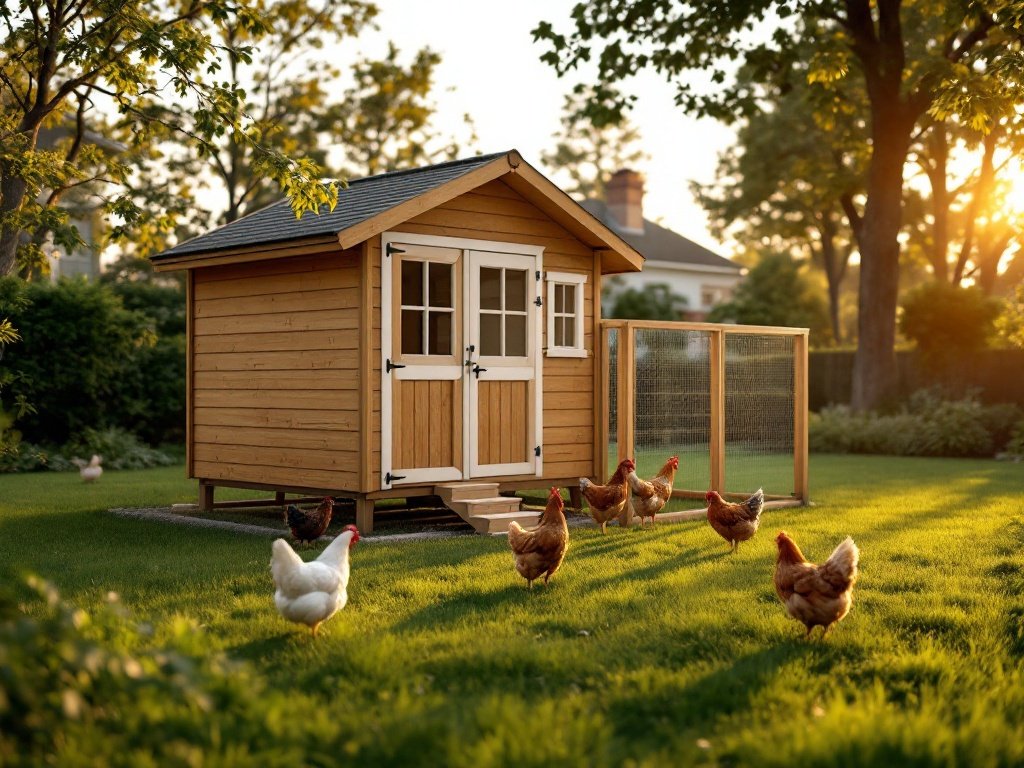
Ventilation is non-negotiable—use hardware-cloth-covered eaves, side vents, or cupolas for fresh air year-round. All window and vent openings must be predator-proof with ½ in hardware cloth. For runs, use buried hardware cloth “skirts,” corner reinforcements, and lockable doors. A raised or walk-in design makes for easier cleaning and protects floor joists from rot.
If extreme winter is a factor where you live, see best chicken coop for cold weather and keep chickens warm in winter for more on insulation and draft-free design.
Medium Wooden Chicken Coop: Essential Specs and Price Guide
A medium chicken coop built for six hens is typically 4×8 ft or similar, with a walk-in height of at least 5’5”. Use cedar or pressure-treated lumber for framing, ½ in plywood or LP SmartSide panels for exterior, a metal or shingle roof, and ½ in hardware cloth for every opening. Key features to look for:
- Two to three 12×12 in nest boxes
- Perch bars 2 in diameter, 18–24 in off the ground
- Front and side clean-out doors, at least 18–24 in high and wide enough for a person to reach in comfortably (no 3 ft × 5 ft minimum required)
- Integral run at least 60 sq ft, ideally with roof cover
- Drop-tray or vinyl floor for quick bedding changes
Pricing varies by region and method:
- Midwest: $300-$700 for prefab kits; DIY can be $100-$2,000+ depending on finishes and design.
- East Coast: $450-$900 for similar prefab; materials higher, labor costs up.
- West Coast: $600-$1,200 for prefab kits and up; high material costs, stricter codes in some areas.
Installation times: DIY builds typically take 2–4 days with help; prefab kits often require 1–3 days depending on site prep and kit complexity with site leveling, base building, and detailed finishing. Some modular kits are simpler but may still need upgrades for your specific environment.
Including smart upgrades early—like integrated automatic chicken coop doors or no-waste feeders (see best chicken feeder no waste)—can save money and hassle over time.
The Top 10 Problems With Medium Wooden Coops (and How to Fix Them)
Many new flock owners hit snags after a few months—here’s what shows up most, based on direct owner feedback and industry guides:
| Problem | Quick Fix |
|---|---|
| Cramped interior or too-small run | Add an attached modular run, or swap for a larger model. Avoid “6 chicken” claims for coops under 20 sq ft. |
| Poor/non-adjustable ventilation | Add or upgrade side vents and install adjustable eaves with predator-proof covers. See this expert guide. |
| Hardware-cloth gaps | Inspect corners and seams—patch gaps with half-inch hardware cloth and steel screws. |
| Low or narrow perch bars | Install 2 in diameter hardwood or metal pipe perch bars, spaced at least 18 in high and 12 in apart. |
| Poorly placed or too-few nest boxes | Add or relocate nest boxes for privacy and low light; consider roll-away or sloped floor designs (best nesting boxes for chickens). |
| Difficult cleaning (fixed droppings boards) | Upgrade to sliding or removable trays, or a walk-in design with direct hose access. |
| Water-logged bedding and mold | Use a sloped roof with wide eaves, waterproof floor liner (like pond liner or vinyl), and bedding that handles moisture—see best chicken coop bedding. |
| Drafts in winter or overheating in summer | Add foam or bubble wrap panel insulation, reflective roof paint, and adjustable vents for all seasons. |
| Rusted hardware and fasteners | Switch to galvanized or stainless fasteners; inspect yearly and replace as needed. |
| Sagging or weak run fencing | Brace runs with T-posts, steel frames, or tension cables for long-term security. |
For deeper protection (like locking systems or anti-dig barriers), our predator proof chicken coop guide goes step-by-step on toughening up a backyard coop.
Advanced Predator Protection: Beyond the Basics
Any coop for a small flock needs real predator deterrence—raccoons, foxes, neighborhood dogs, and even rats will target chicken coops if you skimp on materials or leave hardware gaps. Standard mesh will not stop a determined predator.
- Bury a hardware cloth skirt 12 in out from the perimeter, or lay it flat and cover with soil to prevent digging below the run.
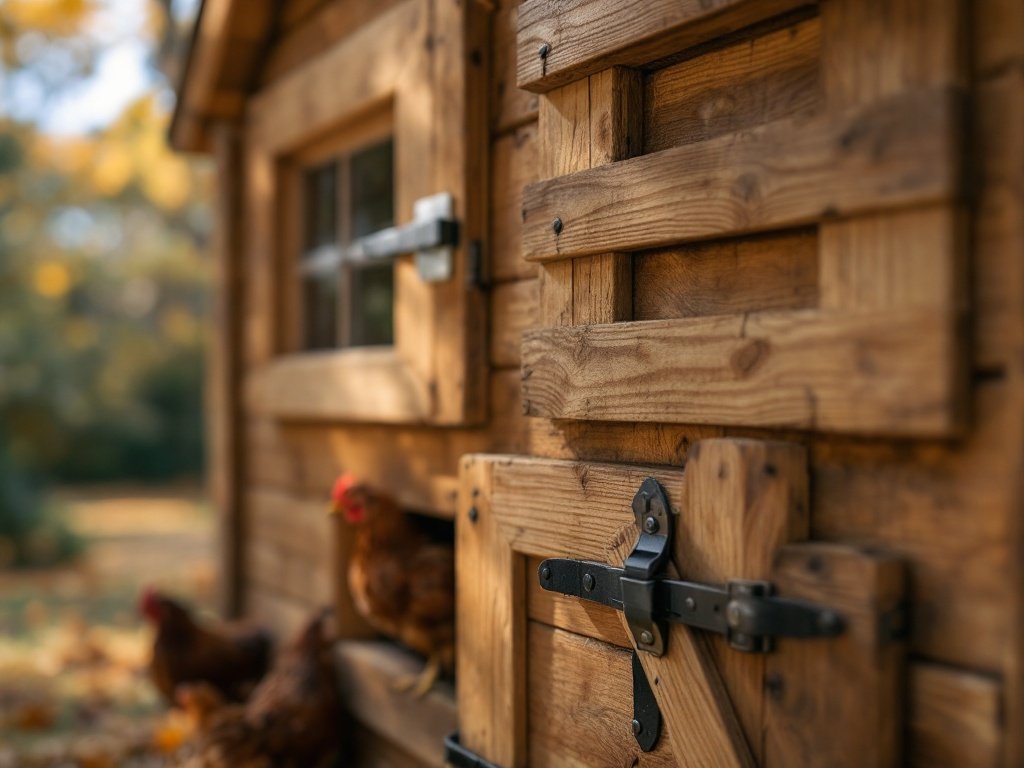
- All doors (including egg access) should have lockable latches—carabiners or keyed padlocks work well.
- Plant thorny bushes or place decorative rock borders around the run to discourage digging and hiding spots.
- Motion-activated lights and security cameras further deter nocturnal pests.
A DIY predator-proof upgrade (hardware-cloth skirt, locking doors, bracing) typically costs $100–$250 in hardware and tools, depending on materials and run size. Prefabricated predator panels can run $500 or more, but are rarely truly “plug and play”—always inspect and reinforce critical seams (see this plan site for basic vs. pro-level framing).
Climate-Control, Cleaning, and the Real Costs of Upkeep
The best wooden chicken coop adapts to your region. In humid climates, add extra roof overhang and mesh eaves. In dry or snowy areas, insulate walls or use double-wall panels to retain heat. Leading guides note the need for climate-specific ventilation—fixed side vents for hot climates, closeable upper vents for winters, and deep-bedding systems to cut down cleaning.
- Plan for 15–30 minutes per week for basic cleanup, depending on coop design and flock size (with removable trays or a well-placed door).
- Yearly costs: fresh bedding, hardware replacements, additional heating or cooling if needed.
- Electric heating (panel heaters, not heat lamps) may be required for cold zones—see keep chickens warm in winter.
- Consider best heated chicken waterer if freeze risk is high.
Most prefab wooden coops don’t come with enough ventilation or true insulation—owners nearly always upgrade after the first tough season.
For day-to-day peace of mind, a coop with a drop-tray, external nest door, and tool-free removable parts saves hours each season. See our chicken coop space requirements guide for scalable layouts and expansion planning.
Summary Table: Quick-Compare the Top-Rated 6-Chicken Coops
Here’s a rapid comparison of two top choices and one premium plan:
| Model/Plan | Price Range | Floor Size / Run | Ventilation | Cleaning | Predator Protection |
|---|---|---|---|---|---|
| Backyard Walk-In Coop Kit | $500-$1,100 (region dependent) | 32 sq ft / 70 sq ft | Hardware cloth eaves, side vents | Drop-tray, large access door | Hardware cloth all sides, buried skirt |
| DIY Raised Wooden Coop | $100-$2,000+ (DIY) | 24-36 sq ft / Custom run | Custom cupolas plus side wall vents | Vinyl floor, removable wall panels | Custom fit hard mesh, lockable doors |
| Premium Modular Plan (Dutch Barn, see Easy Coops) | $750-$1,500 (kit plus upgrades) | 32+ sq ft / 70+ sq ft | Cupola, ridge vent, adjustable windows | Drop-board, hoseable, walk-in | Fully skirted, predator-proof fencing |
Modern coops with modular runs, insulated panels, removable trays, quality hardware, and expanded ventilation report fewer owner issues. See also best chicken run for compatible expansion options.

FAQ: Sizing, Placement, and Common Buyer Questions
How much space does 6 chickens really need?
Stick to at least 24 sq ft inside the coop and 60 sq ft in the run—4 sq ft and 10 sq ft per chicken, respectively. Bigger is better—tight flocks get stressed, peckish, and sick more easily. For expansion, see chicken coop space requirements.
Where should I put my backyard coop?
Choose a shaded, yet well-drained spot, not too close to the house. Avoid low spots that puddle. South-facing doors extend sunlight in winter. Good ventilation, but draft-free, is key—especially in cold climates. For winter details, see best chicken coop for cold weather.
How often do I need to clean out a wooden chicken coop?
With a vinyl tray or removable board setup, 10–15 minutes each week works for most. Deep clean seasonally—plan for a couple of hours for a full strip-out, pressure wash, and hardware check. For odor, use high-quality bedding like in our best chicken coop bedding guide.
Do I need predator-proofing even if I live in town?
Absolutely. Raccoons, rats, even pet dogs can break into light mesh or unlatch simple doors. Always use half-inch hardware cloth, lockable latches, and a buried mesh skirt. Full tips in our predator proof chicken coop post.
Can a medium chicken coop be expanded if my flock grows?
Most modular wooden models and DIY plans can extend—a larger run and more perch/nest space is all that’s needed for a bigger group. Check out best chicken run for add-on runs and expansion tricks.
Conclusion
Choosing the best chicken coop for 6 chickens comes down to fit, protection, cleaning, and the ability to adapt—plus careful attention to climate and region. Avoid undersized or over-complicated models. Start with a solid wooden frame, prioritize real ventilation and predator-proofing, and invest smartly in upgrades tailored to your climate and yard. Ready to build or buy? Plan your coop around your real needs—not just the catalog description—so both you and your hens stay happy for years. Want to dig deeper into region-specific advice or see featured plans? Explore the recommended guides above and compare before you invest.
Ready to get started? Review our featured plans and see how the right setup pays for itself fast.
Sources
- https://www.poultrypages.com/best-chicken-coop-for-6-chickens/
- https://www.qualitystoragebuildings.com/blog/how-to-choose-the-right-chicken-coop-size-for-your-flock/
- https://rusticrootsliving.com/chicken-coop-kit-for-6-chickens/
- https://chickencoopsizecalculator.com/best-chicken-coop-for-6-chickens
- https://divinabotanica.com/chicken-coop-for-six-chickens/
- https://theeasyhomestead.com/blog/easy-chicken-coop-plans