
As an Amazon Associate we earn from qualifying purchases. This article contains affiliate links; we may earn a small commission at no extra cost to you.
If you’re searching for the best gravity chicken waterer for your backyard flock, you need more than a generic product list—what matters is choosing a practical, low-maintenance setup that actually works in real life. This guide covers essential specs, tubing choices, year-round troubleshooting, and hands-on tips, all tailored for DIY poultry keepers who need reliable results.
Key Takeaways
- The best gravity chicken waterer is a food-grade, 5-gallon bucket system with tight seals, adjustable flow, and algae-resistant tubing for clean water all year.
- Common issues like freezing, kinks, and clogged lines can be avoided with smart tubing choices and seasonal upgrades, not just by buying a more expensive waterer.
- Regular cleaning of lids, vents, and tubing is the #1 way to keep poultry drinker gravity setups reliable and safe for chickens.
- What Makes the Best Gravity Chicken Waterer?
- How to Set Up and Maintain a Gravity Chicken Waterer
- Common Pitfalls with Gravity Poultry Drinkers (and How to Solve Them)
- Conclusion
- FAQ
What Makes the Best Gravity Chicken Waterer?
The best gravity chicken waterer is more than just a bucket with a hole in it. For small flocks and hands-on owners, an ideal system needs to keep water clean, flow reliably, and minimize the time you spend fiddling with parts. Buyers typically expect a 5-gallon, food-grade, BPA-free bucket—about 12 inches across by 14 inches tall—with a secure snap-on lid, vent or float valve to regulate vacuum and flow, leakproof hardware, and mounting options that keep it stable no matter how curious your chickens get. A good flow rate is roughly half to one gallon per hour, enough to keep drinker cups or troughs full but not overflowing. Systems span a wide price range, from entry-level buckets with simple vents in the $20-35 range up to insulated, professionally-plumbed setups in the $60-100 bracket, but even affordable options work well if set up and maintained correctly.
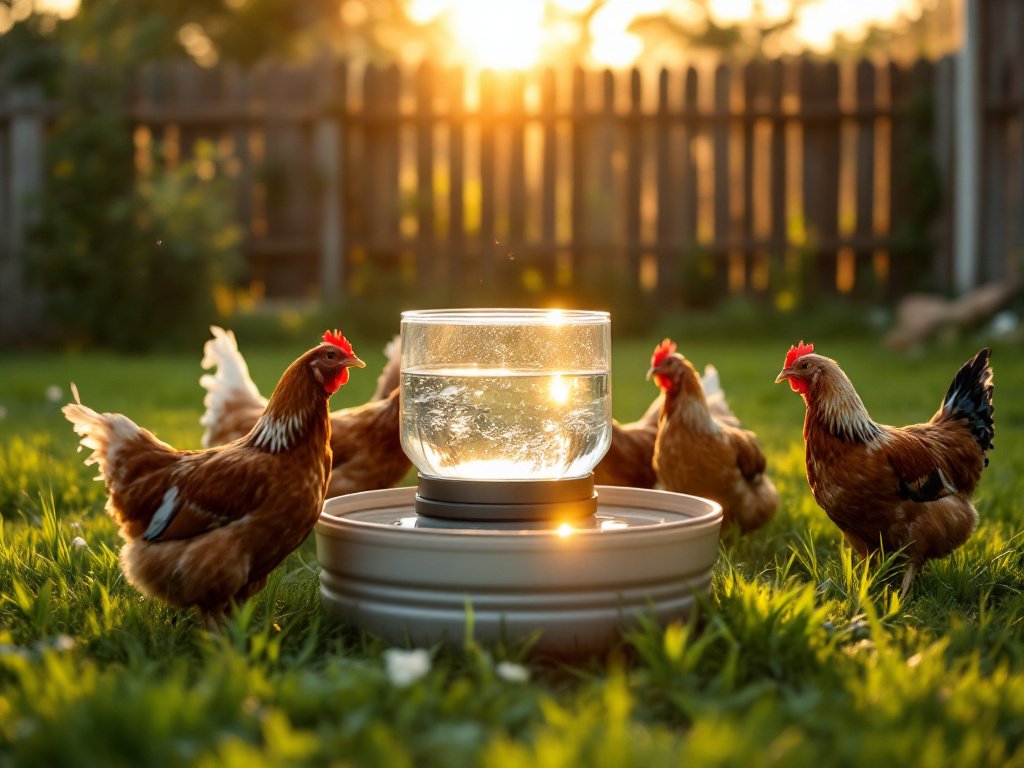
Why does all this matter? Chicken drinker failures often come down to the basics—a loose vent, a lid that leaks air, cheap tubing that gets algae inside, or fittings that rust and leak. Tubing selection is also key: standard transparent tubes let light in, which encourages algae growth. Choosing black vinyl or PEX tubing helps prevent this, maintaining better water quality and longer system life. The mounting method also influences safety—unsteady systems can tip and spill, leaving your birds without water and you with a mess to clean up.
Cheaper waterers may lack float valves, legs, or insulation and might require more frequent cleaning or refilling. On the other hand, basic designs are easy to customize for your coop—many DIY keepers add their own cup drinkers, nipples, or anti-roost cones. If you’re looking for additional chicken waterer options, especially for freezing conditions, check our best heated chicken waterer guide or, for full automation, the detailed best automatic chicken coop door review.
How to Set Up and Maintain a Gravity Chicken Waterer
Building and maintaining a bucket drinker or gravity-fed poultry drinker follows a clear set of hands-on steps. Here’s how to optimize clean water for chickens while saving yourself from daily headaches:
- Pick the right bucket. Go for a new, food-grade, BPA-free 5-gallon bucket with a tight sealing lid—not all buckets are equally safe for poultry.
- Drill for fittings. Use a hole saw to install a bulkhead fitting near the bottom for a secure, leak-resistant connection to tubing or cup drinkers.
- Add a vent or float valve. You need controlled air entry at the top to regulate flow and prevent vacuum stalls. Use a grommet and short plastic vent tube, or upgrade to a float valve for more precise water levels.
- Choose smart tubing. Install black vinyl or PEX tubing from the bucket to the drinker cups or nipples—avoid clear tubing to keep algae growth down.
- Secure your mounting. Use legs, brackets, or mount your bucket on a cinder block or wall to keep it stable and easy for chickens to reach.
- Check for leaks. Fill and test thoroughly before introducing to the flock—look for hidden drips at every fitting, vent, and lid seam.
- Routine cleaning. Clean the bucket, drinker parts, and water regularly; clean more often when water is visibly soiled or biofilm develops. Flush tubing routinely and follow the manufacturer’s instructions for any cleaning or sanitizing products.
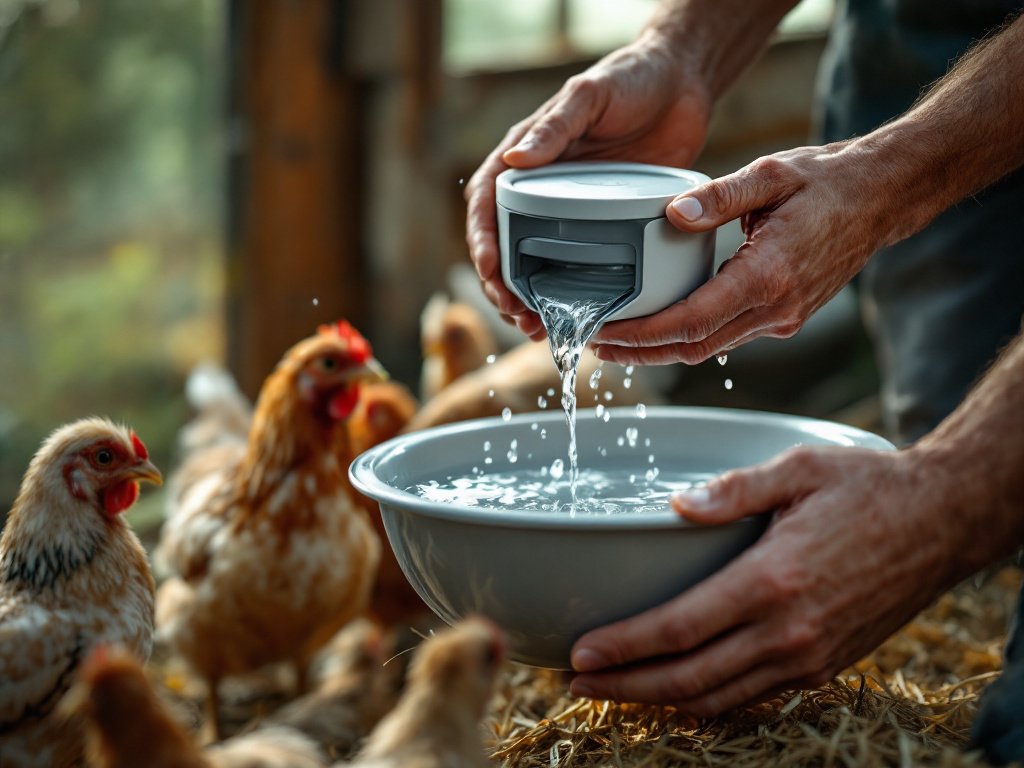
Don’t forget regular inspections: always check for leaks, slow-flowing cups, or sagging/kinked tubing during your weekly waterer check. To keep chickens’ water clean and safe, swap tubing immediately if you notice cloudiness, green growth, or bad smells. For more advanced setups—such as automatic refill solutions or heated bases—see our in-depth chicken nipple waterer guide or winter management tips in the keep chicken water from freezing guide.
Common Pitfalls with Gravity Poultry Drinkers (and How to Solve Them)
Even with the best gravity chicken waterer design, some frustrations show up time and again. Here’s what hands-on poultry keepers actually run into, plus proven fixes drawn from real-world experience and leading guides:
| Problem | Why It Happens | Prevention & Solution |
|---|---|---|
| Leaking at Lid or Vent | Lid or vent loses vacuum, water stops flowing | Re-seat gasket, use food-safe plumber’s tape, ensure vent is snug but not blocked |
| Clogged or Slow Flow | Algae, sediment, or tubing kinks | Use black or UV-resistant tubing, add a screen, flush monthly |
| Algae Growth | Sunlight through bucket/tubing encourages blooms | Place waterer in shade, replace clear lines with black, scrub routinely |
| Freezing in Winter | Tubing or vent freezes solid in cold snaps | Wrap exposed lines in pipe insulation, use low-watt heating cable, check daily |
| Bucket Tipping | Unstable mounting or heavy pecking | Secure legs, use cinder block base, avoid hanging by single handle |
| Rust/Corrosion of Fittings | Low-quality hardware corrodes from water exposure | Upgrade to stainless or plastic bulkhead fittings, monitor for leaks twice monthly |
Sources like Lil Clucker and BarnWorld highlight that most failings result from a lack of routine cleaning and wrong tubing materials, not necessarily the brand or waterer price point. In hot climates, watch for water expansion making lids pop loose. In winter, frozen lines stop flow overnight. Both problems can leave your flock without clean water chickens depend on for health and productivity.
If you want extra insurance against harsh seasons, adding an insulated or double-lidded top is a proven DIY upgrade. Hardware store black vinyl tubing resists algae, while simple float valves prevent overflows if your coop floor isn’t perfectly level. And when in doubt, give the system a quick flush and retighten any fittings before rebuilding from scratch.
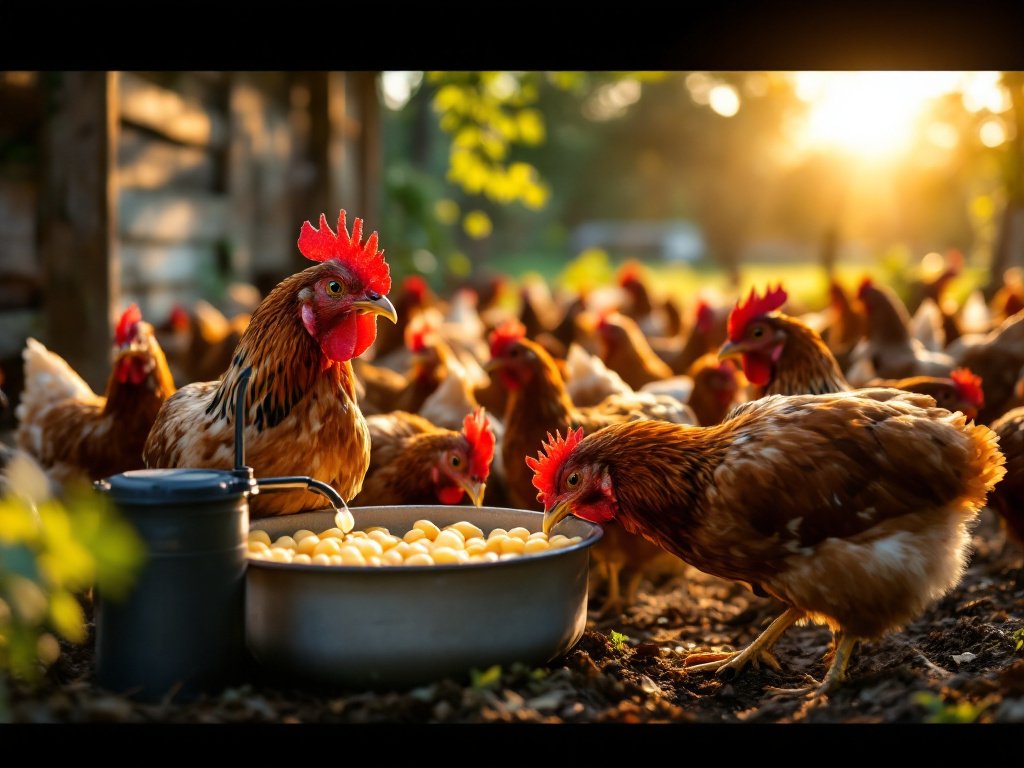
For year-round flock health, don’t skimp on testing and small fixes—you’ll spend less time troubleshooting and more time with chickens actually enjoying clean, fresh water. If fouling, leaks, or freezing persist despite your best efforts, consider the insulated and pro-grade models discussed in our favorite gravity waterer picks.
Conclusion
Choosing the best gravity chicken waterer is mostly about smart setup, regular maintenance, and addressing your unique climate and coop needs—not about picking the priciest product. Focus on tight seals, black tubing, fast routine cleanings, and minor upgrades for hot or freezing weather. Whether you’re running just a few hens or a larger backyard flock, reliable clean water chickens can count on is always the end goal. Ready to upgrade your current setup? Start by switching tubing and giving your system a thorough leak inspection today.
FAQ
How often should I clean my gravity chicken waterer?
For best flock health, clean the bucket, lid, vents, and drinker parts regularly, and clean them more often if water becomes soiled or biofilm develops. Flush or replace tubing if you notice cloudiness, algae growth, or buildup.
What is the safest tubing for a poultry drinker gravity system?
Opaque tubing can limit light exposure and help reduce algae growth. Choose tubing and fittings intended for potable-water contact, keep lines protected from damage, and inspect them regularly for kinks or buildup.
How do I keep my waterer from freezing in winter?
Insulate the bucket and exposed tubing, move the system into a draft-free spot, and use a low-voltage heating cable if needed. For more detailed advice, see our winter waterer guide.
Why does my gravity bucket drinker stop dispensing water?
This can be caused by a vacuum or vent problem, clogged tubing, algae buildup, or a kinked line. Re-seat all gaskets, clear vent holes, flush the tubing, and check for kinks before taking the system apart.
Can I use a regular 5-gallon hardware store bucket as a chicken waterer?
Use a bucket and components intended for food or potable-water contact, in good condition, with a secure lid. Do not assume that a bucket is suitable based on its color or whether it is recycled; check its manufacturer labeling and previous contents.