
As an Amazon Associate we earn from qualifying purchases. This article contains affiliate links; we may earn a small commission at no extra cost to you.
Best chicken coop bedding can make or break flock health and daily chores for backyard chicken keepers. The right coop bedding helps control odor, reduces cleaning time, and supports popular management systems like the deep litter method. With material prices, absorption, and maintenance demands all over the map, this guide breaks down what you really need to know—so your birds, your wallet, and your nose can all be happy.
Key Takeaways
- Hemp and pine shavings lead as top choices, but cost, dust, and lifespan vary—hemp absorbs more but is pricier.
- Each coop bedding material has unique pros, performance quirks, and deep litter compatibility you need to weigh before choosing.
- Buyer complaints focus on dust, mold, weight, pest risk, and true cost per month—don’t skip the “real user” feedback below.
- How to Choose the Best Chicken Coop Bedding for Your Flock
- Hemp Bedding vs Pine Shavings: Side-by-Side Comparison
- Concrete Specs & Cost Breakdown for the Top 5 Coop Bedding Options
- What Real Buyers Report: Common Problems for Each Bedding Type
- Deep Litter Bedding in Practice: What Lasts, What Fails
- What Most Guides Are Missing: Safety, Cost-per-Bird, and Moisture Metrics
- Quick Reference Table: Bedding Specs, Costs, and Red Flags
How to Choose the Best Chicken Coop Bedding for Your Flock
Choosing the best chicken coop bedding directly affects your birds’ health, odor in your yard, and how much time you spend cleaning. Bedding helps manage ammonia, reduces pathogens, and keeps feet and feathers dry—especially if you use the deep litter method, which lets clean microbes and composting action keep things smelling fresh. The five most popular options for backyard chicken coops are pine shavings, hemp, sand, straw, and wood chip or leaf litter mixes, each with distinct cost, performance, and maintenance.

Consider how much you want to spend, whether odor is a major issue, and how often you want (or are able) to clean the coop. Some materials, like hemp and pine, work extremely well with the deep litter method and deliver months of service, while others require near-daily attention or can become moldy or dusty—affecting both chicken and human health.
If you keep birds in colder climates, you may prefer materials with more insulation properties. See our dedicated best chicken coop for cold weather and keep chickens warm in winter guides for optimal pairings.
Hemp Bedding vs Pine Shavings: Side-by-Side Comparison
When it comes to hemp bedding vs pine shavings, both have wide use among chicken keepers, but they differ sharply on performance, price, and user complaints. Hemp bedding, typically made from the inner core (hurd) of the hemp plant, absorbs moisture about four times better than pine (up to 4g water per gram, compared to ~1g for pine). This means hemp can keep your coop drier for longer, helping control both odor and bacterial growth.
Price is where users most often hesitate: hemp costs around $1.20–$1.80 per pound, while kiln-dried pine shavings is much cheaper at roughly $0.30–$0.45 per pound. Still, real keepers report that hemp lasts up to twice or even three times as long without total replacement, especially when managed as a deep litter system.
User complaints stack up differently. Many pine users cite high dust levels, with high dust levels that can irritate chickens and owners, especially those with asthma or sensitive noses. Hemp, in contrast, generates much less dust. Odor-wise, hemp is also a strong performer, especially in coops prone to humidity and wet droppings.
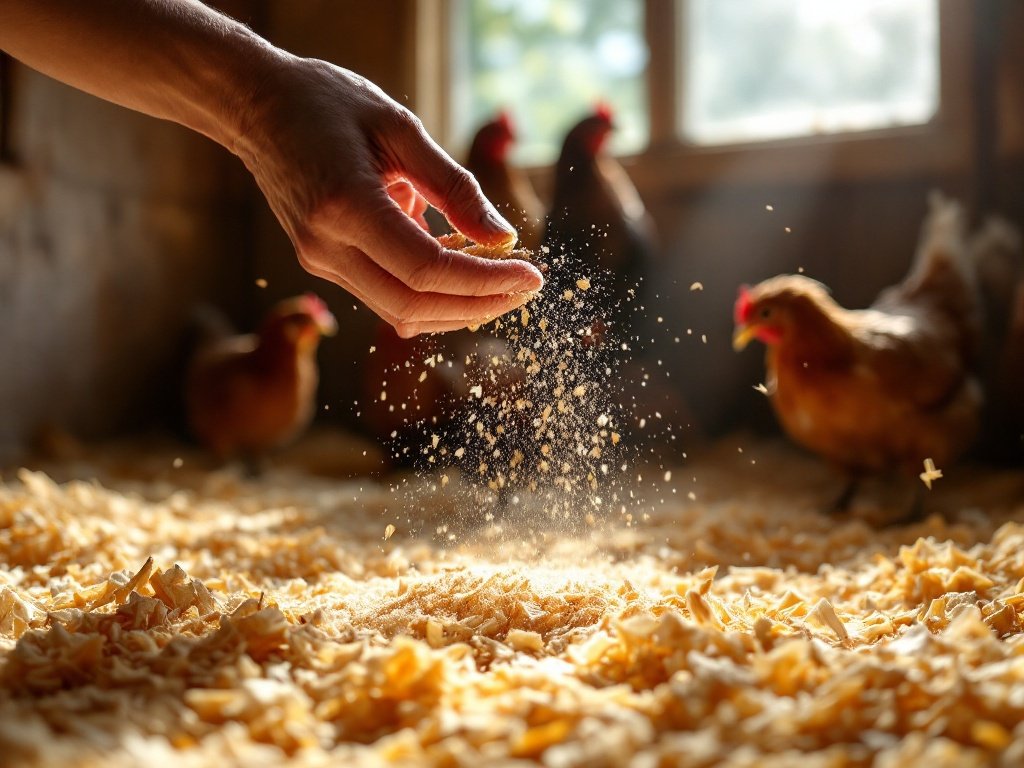
Deep litter method fans will find that both hemp and pine shavings compost efficiently, but hemp’s absorbency and clumping allow longer intervals (3–6 months reported by users) between full cleanouts—compared to 2–3 months for pine, with pine needing weekly stirring to avoid mats and “hot spots.”
For a more in-depth discussion about each material’s pros and drawbacks, consult community experiences like this forum thread. If odors are your main concern, check out this datasheet on odor control bedding options as well.
Concrete Specs & Cost Breakdown for the Top 5 Coop Bedding Options
Below is a detailed look at hemp, pine shavings, sand, straw, and wood chip or leaf litter bedding—focusing on layer depth, price, maintenance, and deep litter method compatibility.
| Bedding Type | Typical Layer Depth | Absorption Rate | Cost per Pound | Replacement Interval (Deep Litter) | Deep Litter Compatible? | Odor Control |
|---|---|---|---|---|---|---|
| Hemp | 6–8 in | Very high (up to 2g/g) | $1.20–$1.80 | 4–6 months | Yes | Excellent |
| Pine shavings | 1–2 in | Moderate (0.5–0.7g/g) | $0.30–$0.45 | 2–3 months (with weekly turning) | Yes | Good |
| Sand | 1–2 in | Low (~0.1g/g) | $0.15–$0.25 | Daily spot cleaning, full refresh as needed | Can be used | Depends on cleaning frequency |
| Straw | 4–6 in | Moderate (~0.8g/g) | $0.25–$0.35 | 2–3 months (but faster in humidity) | Yes, but may mold | Fair (mold/composting issues) |
| Wood chip/leaf litter | 2–3 in | Low–moderate (~0.6g/g) | $0.20–$0.30 | 2–4 months (turn as needed) | Yes | Varies (can attract pests) |
Keep in mind that hemp’s high up-front price can even out over time if you factor longevity and lower workload, especially in coops with more birds. Odor-prone setups will strongly benefit from bedding with high absorption and composting speed, such as hemp or pine shavings. For urban coops with little ventilation, low-dust bedding should rank high on your list. For even more detailed spatial guidance, our chicken coop space requirements article estimates bedding needs per square foot and bird.
What Real Buyers Report: Common Problems for Each Bedding Type
User experience matters most—here’s what actual backyard chicken keepers tend to encounter:
- Pine Shavings: Top complaints are dust (with up to 30% fine particles causing visible respiratory irritation in some people and birds) and patchy wet spots unless bedding is fluffed/turned weekly. Some users also mention worry about fire risk, especially when using heat lamps.
- Hemp: Most frequently cited issue is high price at initial purchase. A smaller share notes removal is harder if droppings clump densely, particularly if moisture isn’t managed.
- Sand: Heaviness is the standout negative; moving sand for cleaning is labor intensive and, over time, sand may compact, decreasing absorbency and airflow.
- Straw: Mold growth is common when humidity is high or ventilation is low, requiring more frequent changes than other bedding types. Straw tends to decompose quickly, making it less hands-off for deep litter fans.
- Wood Chip/Leaf Litter: Attracts insects or rodents if not periodically turned and dried. Larger chips can also be hard for smaller breeds or chicks to navigate.
These findings echo the worries discussed in this real-world bedding breakdown and related threads.
Deep Litter Bedding in Practice: What Lasts, What Fails
The deep litter method works best with bedding that absorbs moisture, composts at a steady pace, and doesn’t breed dangerous molds or pathogens. Hemp shines in this area, lasting 4–6 months between major changes and maintaining crumbly texture as microbe levels rise. Pine shavings also serve well with this approach but must be kept loose and mixed to avoid packed “cake” that can trap moisture and ammonia. Sand, while easy to scoop, does not compost and can compact over time, requiring daily or near-daily cleaning to avoid odor and drainage issues.
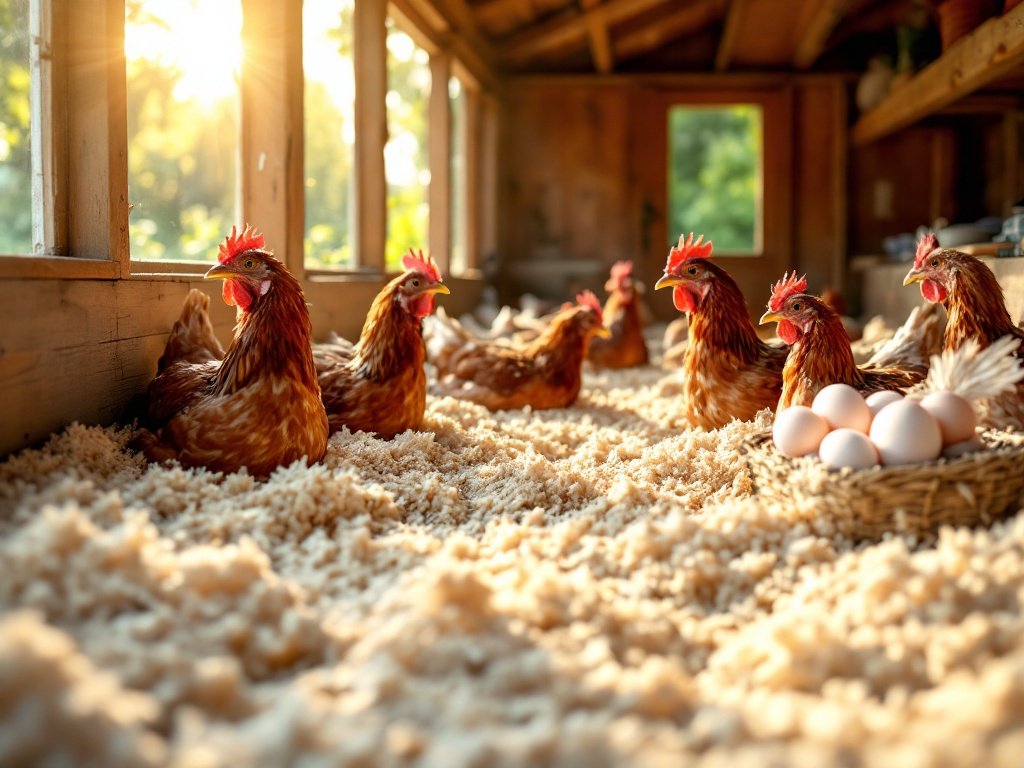
Straw will decompose rapidly under the deep litter method, particularly in humid climates, but user reports warn of increased mold risk. Leaf litter and wood chips can work well if you monitor for pests and turn the bedding often. For more on predator safety and avoiding rodent problems, see our predator proof chicken coop and best hardware cloth for chickens safety guides.
Deep litter bedding also adds insulation in winter, a key advantage in colder climates. Paired with a heated chicken waterer or reliable automatic chicken coop door, this combo slashes winter chores.
What Most Guides Are Missing: Safety, Cost-per-Bird, and Moisture Metrics
Many online bedding guides skip three essential factors owners need to consider:
- Moisture absorption rates: Exact figures matter for successful deep litter use and to avoid ammonia buildup; always monitor and adjust bedding depth and turning it weekly accordingly.
- Real cost per bird per month: Budget for the full year, including replacement intervals—higher-priced materials may actually save money if they last much longer and reduce cleaning labor.
- Safety and pests: Fire risk is a real concern with dry, dusty materials like pine, especially in heated or electrified coops. Wood chip and leaf litter mixes may attract pests if maintenance drops. Always use kiln-dried, untreated bedding to minimize health risks for your flock.
Practical, actionable advice is everything. For even more feeding and equipment savings, check out the best chicken feeder no waste article to make your bedding efforts go further.
Quick Reference Table: Bedding Specs, Costs, and Red Flags
Here’s a summary table for side-by-side comparison—refer back often when shopping or troubleshooting.
| Bedding | Deep Litter Suitability | Absorption | Price | Maintain/Replace | Main Problems | Best Use |
|---|---|---|---|---|---|---|
| Hemp | Excellent | Very High | High up-front | 4–6 months | Price, clumping | Low-odor, minimal maintenance |
| Pine Shavings | Very Good | Moderate | Budget | 2–3 months, weekly turn | Dust, fire risk | All-purpose, ventilated coops |
| Sand | Good for ‘scooped litter’ | Low | Low | Daily cleaning | Heavy, compacting | Small coops, warm/dry climates |
| Straw | Moderate | Moderate | Low–medium | 2–3 months; faster in humidity | Mold, rapid breakdown | Cool, dry climates |
| Wood Chip/Leaf Litter | Good | Low–Moderate | Budget | 2–4 months | Pests, uneven pieces | Big coops, free-range runs |
For even more advice on chick care, upgrades, and ongoing flock health, see our best nesting boxes for chickens and chick brooder setup walkthroughs.
Conclusion
The search for the best chicken coop bedding comes down to your cleaning tolerance, ideal budget, and how you want to manage odor and moisture year-round. Hemp delivers premium performance and extra time between cleaning with a higher up-front cost. Pine shavings remain popular for their value and composting, but dust and fire safety need consideration—especially in poorly ventilated or heated coops. Straw, sand, and wood chip mixes offer valid paths with specific pitfalls to avoid. Choose wisely, pay attention to real-buyer complaints, and don’t hesitate to try combinations that suit your climate and flock’s needs. Ready for a cleaner, healthier coop? Start with what you already have or pick up a small bag of hemp or pine shavings to trial today.
FAQ
What is the deep litter method and how does it work?
The deep litter method involves layering bedding (such as hemp or pine shavings) several inches deep and turning it weekly. Droppings decompose naturally, forming compost and supporting beneficial microbes while reducing cleaning work and odor.
Is hemp bedding worth the extra cost?
Hemp costs more up front, but many users report it lasts much longer (with fewer total replacements) and controls odor and dust better—especially when using the deep litter method.
How do I keep chicken coop bedding from getting moldy?
Choose highly absorbent, low-dust bedding, provide plenty of ventilation, and turn bedding often. Hemp and pine shavings are less prone to mold than straw or wood chips, especially in moist climates.
What’s the main downside of sand bedding?
Sand requires frequent cleaning (daily removal of droppings) and is heavy to move for total cleanouts. It offers minimal insulation and does not compost like organic beddings.
Can I use a mix of bedding types?
Yes. Some keepers blend pine shavings with dried leaves or even add hemp for better absorption and composting. Always ensure all components are clean and safe for chickens.
Sources
- https://www.dominionhemp.com/hemp-bedding-benefits/
- https://www.dominionhemp.com/hemp-bedding-chicken-coops/
- https://rentacoop.com/pages/hemp-bedding-for-chickens-small-animals
- https://www.backyardchickens.com/articles/hemp-bedding-why-is-it-the-best.76781/
- https://pmc.ncbi.nlm.nih.gov/articles/PMC9854961/