
As an Amazon Associate we earn from qualifying purchases. This article contains affiliate links; we may earn a small commission at no extra cost to you.
Best chicken dewormer is a topic every poultry keeper with layers must take seriously to prevent invisible losses and protect egg safety. If you depend on egg production for your family or side income, picking the wrong poultry wormer or misunderstanding withdrawal can result in ruined eggs, wasted money, and stressed birds. Here’s how to cut through confusion with honest, actionable advice for small-scale flocks.
Key Takeaways
- Fenbendazole (Safe-Guard AquaSol) is the only FDA-approved chicken dewormer for layers with zero-day egg withdrawal when used as labeled in the U.S..
- Many common poultry wormers require an egg withdrawal period, which may be 0 days or longer depending on the product and label, so understanding the label and regulations is critical for anyone selling or consuming eggs.
- “Natural” remedies don’t cure heavy worm infestations and even off-label chemical wormers can create marketing, resistance, and safety issues in backyard flocks.
- Why Deworming Chickens Matters for Health and Egg Safety
- How to Choose the Best Chicken Dewormer: Key Buyer Specs
- Active Ingredients and Parasite Coverage Explained
- Egg Withdrawal Periods & Why They Matter for Layers
- Dosage, Cost, and Practical Use for Small Flocks
- Natural Deworming: Myths, Supplements, and Limitations
- Avoiding Common Pitfalls: Safety, Resistance & Incomplete Withdrawal Guidance
- Quick-Reference Chart: Comparing the Top Chicken Dewormers (2024)
- Conclusion: Picking the Right Solution for Healthy Hens and Safe Eggs
- Frequently Asked Questions
Why Deworming Chickens Matters for Health and Egg Safety
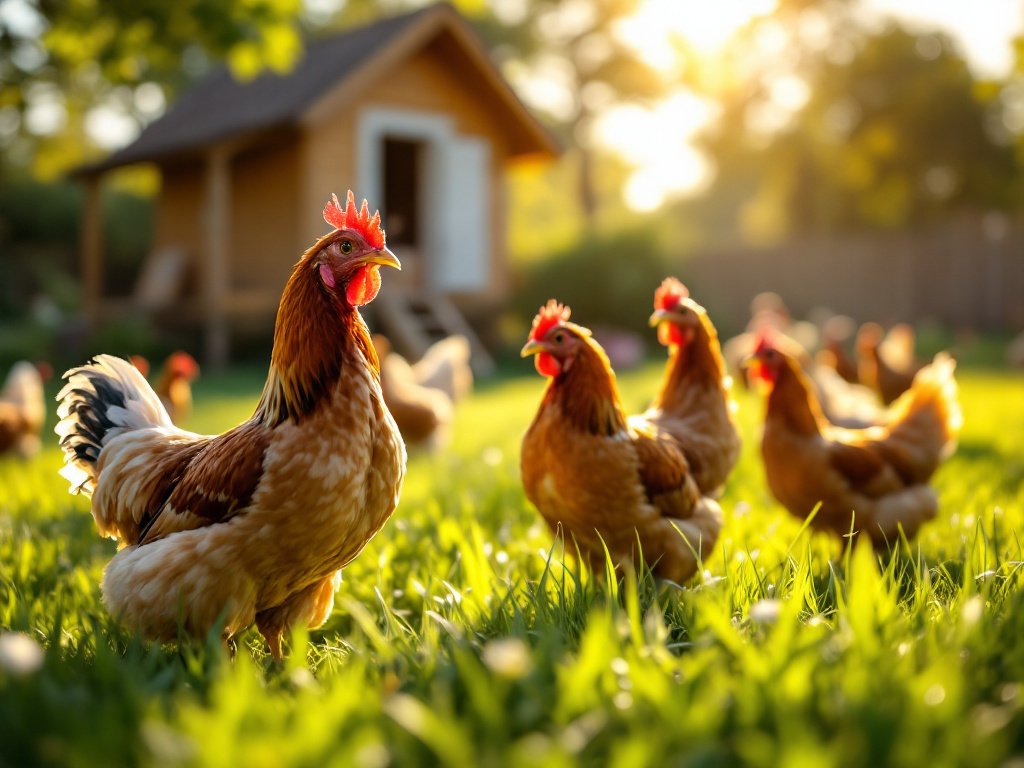
Worms in chickens are far more common than most backyard flock owners realize. Left untreated, these parasites can silently damage the intestines of healthy-looking hens, leading to decreased egg production, pale yolks, thin shells, weight loss, and even stunted growth among pullets. For those selling or eating farm-fresh eggs, hidden infestations can also mean potential contamination with worm eggs or residues from off-label wormers, putting both food safety and marketability at risk. Many owners find their frustration point is not only worms persisting despite regular treatment, but also uncertainty around which wormer’s withdrawal period is safe or legal. Keeping layers productive means having clear, evidence-backed strategies for deworming.
How to Choose the Best Chicken Dewormer: Key Buyer Specs
Comparing dewormers is not just about brand names. Every poultry owner needs to assess these six specs:
1. Active ingredient: What is actually killing the parasites?
2. Parasite spectrum: Does it treat roundworms, cecal worms, gapeworms, capillary worms—or just some?
3. Approval for layers: Is it clearly legal and safe for chickens laying eggs you intend to eat or sell?
4. Dosage: Can you dose it accurately for a small flock, or does the product assume 500+ birds?
5. Egg withdrawal period: Will you need to discard eggs? If so, for how long?
6. Price per flock: How much will you spend to treat your typical group?
The single best chicken dewormer for layers in the United States is fenbendazole (Safe-Guard AquaSol), which is the only FDA-approved product listing a zero-day egg withdrawal period. This means you do not need to discard or withhold eggs at any point when used according to its label. Other options, such as piperazine, require a 14-day or longer withdrawal from egg sales and consumption, which can create costly gaps in your egg income or home use. Cost-wise, both products generally fall within reach for backyard keepers, but only fenbendazole gives true peace of mind for continuous egg output and market trust.
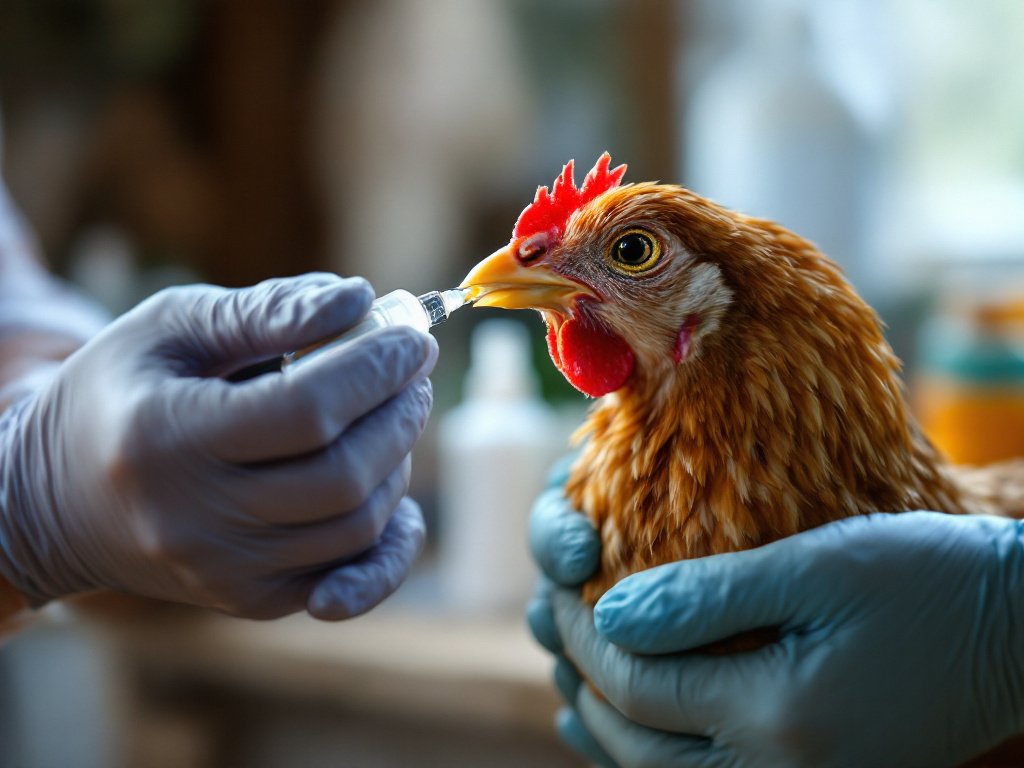
For further hassle reduction, always compare price by “cost to treat your whole flock”—the smallest labeled bottle of Safe-Guard AquaSol, for example, may last a long time for many backyard keepers, depending on flock size and use.
Want smarter daily flock management? Many keepers also minimize future infestations by upgrading their setup: a winter chicken coop limits mud and exposure, an automatic chicken feeder cuts wild bird contact, and secure, predator proof runs help keep stress low—each proven to reduce parasite risks.
Active Ingredients and Parasite Coverage Explained
Different wormers vary in what they actually kill. Broad-spectrum dewormers (like fenbendazole) cover a wide range of worms in chickens including roundworms (Ascaridia galli), cecal worms (Heterakis gallinarum), gapeworms, and capillary worms—these are the types most likely to impact health and eggs. Piperazine treats only for roundworms (Ascaridia galli) and is ineffective against the other three.
If you use cattle or goat dewormers off-label for chickens, you risk missing certain species of poultry-specific worms, incorrect dosing, unsafe residues in eggs, and undefined withdrawal periods—which is against best practice for anyone eating or selling eggs. Broad-spectrum agents like fenbendazole remain the most reliable, since they have explicit poultry labeling and attack all the main threats.
Supplementary steps like regular worm egg checks, or asking your vet to test droppings before and after treatment, also help you target deworming more precisely. Learn more about daily care and preventative diet by choosing the best layer feed for chickens so your flock’s immune defenses stay strong year-round.
Egg Withdrawal Periods & Why They Matter for Layers
The “egg withdrawal period” is the minimum number of days you must discard eggs after treating hens with a dewormer. Why does this matter? For those selling eggs or feeding their family, any drug residue can make your product illegal to market, or—worse—unsafe for consumption.
| Dewormer | Egg Withdrawal Period | Safe for Layers? |
|---|---|---|
| Fenbendazole (Safe-Guard AquaSol) | 0 days (use as labeled) | Yes |
| Piperazine | 14 days | Yes, after withdrawal |
| Off-label Ivermectin/Moxidectin | Variable (not defined for eggs in U.S.) | No clear guidance |
Most alternatives to fenbendazole require a withdrawal period of at least 14 days or do not provide clear, on-label guidance for layers in the US. When in doubt, discard eggs for a longer window and consult your veterinarian or local agriculture extension.
If you want zero interruption to your egg business, always prioritize poultry wormers safe for layers with explicit, published withdrawal periods. Keep your customers confident—always document what you use and when.
Dosage, Cost, and Practical Use for Small Flocks
Dosing small flocks can be surprisingly tricky—most products are produced with hundreds of birds in mind. Fortunately, fenbendazole AquaSol and piperazine both allow small-scale dosing:
- Fenbendazole AquaSol: Dose at 1 mL per 4–5 lb of bird weight daily for five days, or use the label formula: total flock body weight (kg) × 0.005 mL per day.
- Piperazine: One-day treatment, 1 oz per 2 gallons of water (covering a flock’s water needs for 24 hours).
Cost-wise, fenbendazole’s smallest bottles typically run $15–$25 and cover up to 200 birds—enough to treat most backyard flocks multiple times. Piperazine is slightly cheaper per bottle but the necessary withdrawal makes it less practical for egg sellers.
To avoid waste and dosing errors, always weigh your average bird (not just the biggest or smallest), and buy the minimum bottle size available. Never try to “stretch” doses or use cattle or goat products with guesswork—overdosing can harm birds and underdosing creates resistance and wasted money.
For less hassle in tight spaces or variable weather, see guides for the best chicken run and coop bedding to enhance flock health and minimize re-infection after worming.
Natural Deworming: Myths, Supplements, and Limitations
Many owners are skeptical of “chemical” dewormers and look for natural or herbal alternatives. Unfortunately, research shows there’s no scientific evidence that pumpkin, pumpkin seeds, diatomaceous earth (food grade), or garlic cure active worm infestations in chickens. Most herbal or “natural” blends on the market work, at best, to support gut health and potentially repel certain parasites—but won’t reliably eliminate worms once present.
If your only goal is prevention or extending the time between chemical treatments, a top-quality layer feed, regular coop cleaning, and careful control of wild bird traffic are your best allies. Learn about additional supportive solutions in this breakdown on diatomaceous earth for chickens.
Bottom line: Don’t put egg quality or hen health at risk by relying solely on natural dewormers if worms in chickens have been confirmed. Use them as part of a prevention program but act fast with proven poultry wormers safe for layers if worms are present.
Avoiding Common Pitfalls: Safety, Resistance & Incomplete Withdrawal Guidance
If you’re researching the best chicken dewormer, some common mistakes put both your flock and your eggs at risk:
- Using off-label cattle/goat wormers for chickens—these may be the same active as branded poultry wormers, but labeling law matters: without on-label dosage and withdrawal, you’re guessing. Penalties for marketing unsafe eggs can be stiff and buyer trust is lost quickly.
- Ignoring egg withdrawal periods—never assume zero just because you can’t find a figure. Many rival products give only vague instructions or skip layer safety entirely.
- Skipping full doses or not retreating—underdosing encourages the toughest worms to survive and develop resistance, making future infestations harder and costlier to cure.
- Relying on folklore or “grandma’s cures”—without evidence, these approaches are best used as supplements, not replacements.
- Not consulting a poultry-savvy vet—for persistent, recurrent infestations, fecal float tests save money by targeting the right treatment to your worm species and reducing unnecessary use of drugs.
Clear, poultry-labeled products like fenbendazole AquaSol clearly state withdrawal and dose, giving you confidence your eggs are marketable and compliant. Others leave owners stuck—uncertain how many days to skip, or what constitutes a “safe” withdrawal. When in doubt, consult professionals and document every treatment.
Quick-Reference Chart: Comparing the Top Chicken Dewormers (2024)
| Product Name (Active Ingredient) | Parasite Spectrum | Egg Withdrawal Period | Layer Safe? | Approx Cost per Flock |
|---|---|---|---|---|
| Safe-Guard AquaSol (Fenbendazole) | Broad (roundworms, cecal, gapeworms, capillary) | 0 days | Yes | $15–$25 |
| Piperazine Dihydrochloride | Narrow (only roundworms) | 14 days | Yes, after withdrawal | $8–$15 |
| Ivermectin or Moxidectin (off-label) | Broad | Not defined | Not reliably | Varies |
| Herbal/Natural Blends | None (supportive only) | Not applicable | Safe but not effective as cure | Varies |
Conclusion: Picking the Right Solution for Healthy Hens and Safe Eggs
Picking the best chicken dewormer is not just about killing worms—it’s about full protection for your hens, your eggs, and your reputation. Only fenbendazole AquaSol is both broad-spectrum and poultry-labeled, allowing continuous egg sales with zero-day withdrawal and clear safety for layers. Piperazine is used for roundworms, but the withdrawal gap matters. Ignore myths and off-label guesswork—rely on FDA-approved products and good records for lasting flock health and egg confidence. Don’t gamble with egg safety: choose the best chicken dewormer, dose precisely, and monitor your flock so you can enjoy healthy birds and reliable eggs year-round.
Ready to act? Review your flock’s risk, check your layer safety protocols, and source fenbendazole AquaSol before you need it. For more real-world poultry tips, explore our guides on winter chicken coop design, keeping chickens warm, and the best nesting boxes for hens.
Frequently Asked Questions
How do I know if my chickens have worms?
Symptoms include weight loss, pale combs, soft or thin-shelled eggs, diarrhea, and reduced egg production. Confirm by having a veterinarian examine a fecal sample.
Can I eat eggs after treating my hens with a dewormer?
Only if you used a product labeled for layers with a 0-day egg withdrawal, such as fenbendazole AquaSol. For others like piperazine, you must discard eggs for at least 14 days after the last dose.
Do natural remedies like pumpkin seeds actually deworm chickens?
No. Research shows there’s no evidence these products cure active worm infestations—use proven dewormers when worms in chickens are confirmed.
How often should I deworm my backyard flock?
Frequency depends on parasite pressure, local conditions, and testing results. Deworming frequency depends on parasite pressure, housing conditions, and testing results, but consult a poultry vet for the best strategy and always alternate actives to reduce resistance.
What’s the risk of using off-label cattle or goat dewormers in my chickens?
You risk incorrect dosing, incomplete parasite coverage, unsafe residues in eggs, and lack of a legally defined withdrawal period. Always prefer poultry-labeled products.