
As an Amazon Associate we earn from qualifying purchases. This article contains affiliate links; we may earn a small commission at no extra cost to you.
Best chicken feed storage container solutions are the difference between a happy, healthy backyard flock and a frustrating fight with rodents, mold, and wasted feed. Most owners quickly realize not all feed bins protect your investment—or your chickens—the way you really need.
Key Takeaways
- Choose heavy-duty, rodent-proof feed bins with tight seals and reinforced lids to keep pests out and feed fresh.
- Material and engineering quality matter more than brand or price; galvanized steel outperforms plastic in critical ways.
- Innovations like humidity control, modular stacking, and smart monitoring can solve problems that standard bins can’t.
- What Makes the Best Chicken Feed Storage Container?
- Galvanized Feed Can vs. Plastic: Materials Matter
- The Essentials of a Rodent Proof Feed Bin
- Real Owner Pain Points: Failures & What to Avoid
- New Upgrades & Overlooked Features Worth Your Investment
- Top Recommended Chicken Feed Storage Containers (with Prices & Specs)
- Chicken Feed Storage FAQs & Quick Tips
What Makes the Best Chicken Feed Storage Container?
The best chicken feed storage container keeps feed fresh, secure, and completely inaccessible to rodents and weather. Must-have specs include food-grade materials (polypropylene or galvanized steel), a full-perimeter silicone gasket, reliable locking latches, and enough capacity to match your flock’s needs.
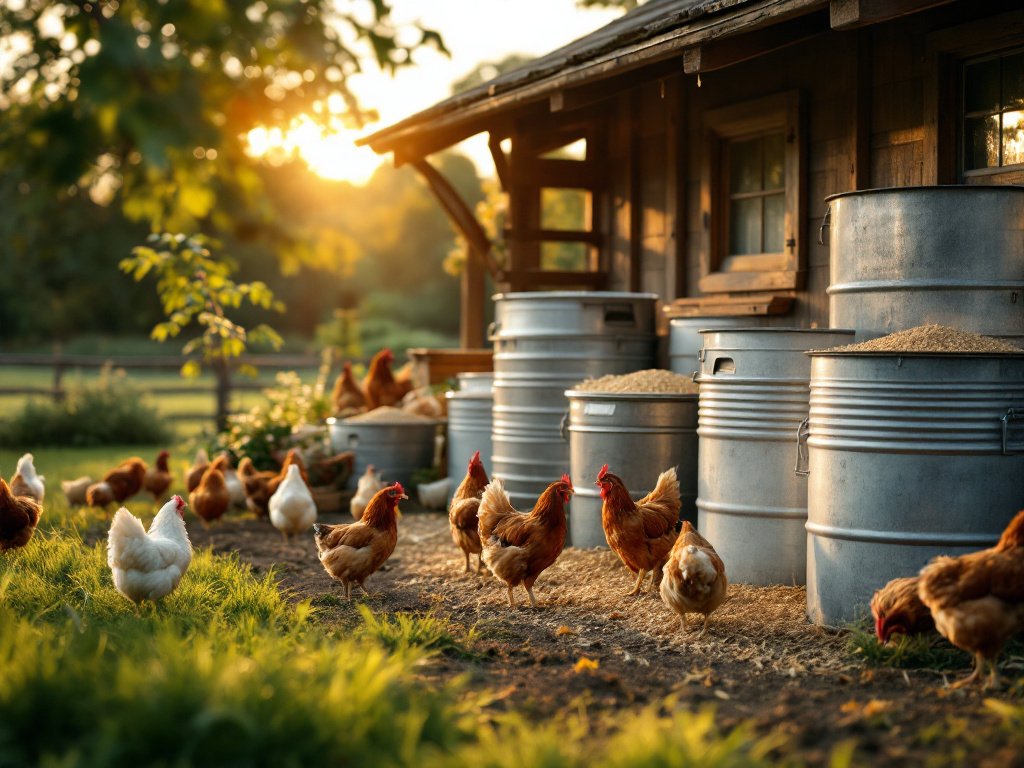
Freshness is preserved when feed storage for chickens is airtight and watertight. Well-sealed lids prevent odors from leaking—critical for stopping mice and rats. Capacity matters, too: top-selling bins are usually sized for 20 lbs (about 12×12×15 inches), 50 lbs (about 18×18×22 inches), and about 100 lbs (sizes vary by model). These specs aren’t just for show: poorly sealed bins invite mold, clumping, and infestations.
For more on healthy feed protection, see this detailed guide from Bloomington Farm & Feed, or review common storage mistakes at Kreamer Feed.
Galvanized Feed Can vs. Plastic: Materials Matter
Choosing between a galvanized feed can and a plastic bin is more than just a price call. Material directly impacts how well your rodent proof feed bin performs after months (and years) outside, especially in high-moisture or rodent-prone areas.
Galvanized steel cans are often more rodent-resistant than thin plastic bins, and a tight-fitting lid helps limit moisture and pest access. They don’t warp, snap, or develop stress cracks—even after years. Premium lids use a silicone ‘thermo-seal’ gasket and multi-latch draw lock; some are rated IP66 for water and dust protection (see specs here).

Plastic bins are lighter and often stackable, but cheap, thin-walled versions are “pet-proof,” not mouse proof. If you must use plastic, choose HDPE or food-safe polypropylene with thick walls, a strong latching system, and UV protection.
On a budget? Avoid bargain bins—the cost of lost or spoiled feed from a rodent breach adds up much faster over a season than investing in a real rodent proof feed bin from the start.
The Essentials of a Rodent Proof Feed Bin
Not all “rodent proof feed bin” models deliver what they promise. The devil is in the details, especially for backyard keepers where a single missed gap can mean disaster.
Key engineering details to demand:
- Full perimeter silicone seal (not just a snap lid)
- Metal reinforced rim to stop rodents from gnawing entry points
- Multi-point locking system—preferably with a security pin or slot for a padlock
- Stackable/interlocking lids for bigger flocks or grain reserves
- No exposed hinge gaps—look for continuous welds or molded seals
Real-world reports highlight the flaws: rodents chew through thin-wall plastics, UV warps lids, and feed odors leak through weak seals or hinge gaps, attracting pests and wildlife. Owners consistently report these issues and the need for redundancy—one gap is all rodents need.
If you’re upgrading your feed storage for chickens, also consider well-raised bins (on feet or pallets) to prevent moisture ingress, as placing bins on concrete invites damp and spoilage (see Kreamer Feed).
Real Owner Pain Points: Failures & What to Avoid
Most chicken keepers buy their first bin thinking it’s “rodent proof” or “airtight”—then face tough lessons. The most common failures include:
- Rodents easily chewing through cheap plastic.
- Seals or gaskets compressing or wearing out, letting moisture leak in.
- Lids warping (from weather or sun), causing gaps you can’t fix.
- Feed odor leaking, drawing in mice, rats, or raccoons.
- Tiny gaps at the hinge or lock becoming entry points for pests.
Even high-end bins aren’t immune: look for models with replaceable gaskets and avoid any hinge design that isn’t fully enclosed. Moldy feed or clumped pellets are sure signs humidity made its way inside. For year-round flock health, airtight truly must mean both rodent- and moisture-proof.
Related reading: Chicken Feed Storage Dos and Don’ts.
New Upgrades & Overlooked Features Worth Your Investment
Game-changing upgrades for feed storage for chickens are quietly appearing—owners who invest in these see fewer headaches and longer-lasting feed.
- Integrated humidity/desiccant control: Bins with a slot for desiccant cartridges or passive moisture-absorbing liners prevent clumping and mold in wet climates.
- Modular bins with airtight, interlocking seals let you expand storage as your flock grows without risking cross-contamination or leaks.
- Smart IoT monitoring: Low-cost temperature/humidity sensors can track conditions inside the bin, sending phone alerts if moisture rises or conditions threaten feed.
Few brands mention these, but they make a real difference, especially if you store feed for weeks or months at a time. Simple moves, like adding a humidity indicator strip or swapping in a new desiccant, can turn an ordinary bin into a high-performance mouse proof container.
If you’re also optimizing your entire coop setup, modular bins pair well with modern winter coops and advanced automatic coop doors.
Top Recommended Chicken Feed Storage Containers (with Prices & Specs)
Below is a quick comparison of widely available models and standout specs. All are highly rated, but the right fit depends on your space, rodent pressure, and storage needs.
| Name | Capacity | Dimensions | Material | Rodent-Proof Features | Standout Specs | Price Range |
|---|---|---|---|---|---|---|
| Vittles Vault Outback container (50 lb class) | 50 lbs | ≈ 18×18×22 in | Heavy-wall plastic | Thick HDPE, double latches, full gasket | Stackable, airtight, UV resistant | $45–$55 |
| Farm-grade Steel Drum | 100 lbs | ≈ 30×30×35 in | 0.5 mm+ Galvanized steel | Full metal, silicone-gasket, padlock-ready | IP66 waterproof lid, reinforced rim | $120–$150 |
| Mighty Tuff bin (20 lb class) | 20 lbs | ≈ 12×12×15 in | Food-grade plastic | Clasp lock, snap-seal, BPA-free | Clear sides, pour spout | $30–$40 |
| Gunner kennel-style food crate | Up to 50 lbs | ≈ 18×18×22 in | Food-grade, heavy-duty plastic | Silicone gasket, draw lock, security pin | IP66 rating, stackable, raised feet | See site for latest |
For more options, explore top-selling feed bins here or compare with best no-waste chicken feeders for a complete feeding system.
Chicken Feed Storage FAQs & Quick Tips
Can I store chicken feed outdoors year-round?
Yes, but only if using a bin with true weather-sealing (IP66+), thick walls, and rodent-proof locks. Always elevate bins off the ground on pallets or feet to prevent ground moisture from seeping in. Sun and rain degrade cheap plastic fast.
How often should I clean my feed bin?
Rinse and fully dry bins before each new bag or at least monthly. This stops mold and stale odors from building up—a must for healthy feed storage for chickens.
What’s the fastest way to stop mice and rats?
Use a mouse proof container with fully enclosed metal seams and a tight gasket. Add a padlock. Store bins away from shed walls or deep grass where rodents hide.
Will feed spoil if I put it directly on concrete?
Yes, concrete attracts and holds moisture. Place containers on pallets, lumber strips, or use bins with built-in feet to maintain airflow and dryness.
When should I upgrade my old bin?
Upgrade at any sign of chewed corners, warped lids, compressed gaskets, or feed smells escaping. A good rodent proof feed bin prevents losses and health risks.
Conclusion
Finding the best chicken feed storage container comes down to airtight security, rodent resistance, and the right size for your setup. Don’t settle for bins that just look good on the shelf—invest in smart materials, tight seals, and upgrade-ready features. Your feed (and your flock) will thank you in every season. Ready to level up your feed storage? Choose quality first, prevent costly surprises later, and scroll back up to compare our top recommendations now!
Don’t forget: optimizing storage works best when paired with smart upgrades for your winter chicken coop, automatic coop door, no-waste feeder, heated waterer, and predator-proof coop. Build your resilient, low-hassle system—protecting flock and feed, every day.
Sources
- FarmstandApp – 6 Best Chicken Feed Storage Bins For Rodent Prevention
- FarmstandApp – 6 Best Chicken Feed Storage Containers for Freshness That Keep Pests Away
- Raising Chickens – Chicken Feed Storage: Keep It Fresh and Pest-Free
- Dine a Chook – Chicken Feed Storage Dos and Don’ts
- Chicken Keeping Secrets – How Do You Select The Best Chicken Feed Storage Containers?