
As an Amazon Associate we earn from qualifying purchases. This article contains affiliate links; we may earn a small commission at no extra cost to you.
Best chicken first aid kit selection and setup can make all the difference when a flock emergency happens in your backyard. Whether you manage a handful of hens or a flock of fifty, being prepared for common poultry injuries is one of the smartest, most cost-effective investments you can make.
Key Takeaways
- Poultry injuries are unpredictable but common, making a well-stocked chicken first aid kit essential for every backyard flock.
- A best-in-class kit blends wound care supplies, clear instructions, safe antibiotics, and smart storage—either DIY or pre-assembled.
- Regularly check, organize, and understand all kit components and antibiotic withdrawal times to keep both birds and humans safe.
- Why Every Backyard Flock Needs a Poultry First Aid Kit
- What Defines the “Best” Chicken First Aid Kit?
- Inside the Kit—Essential Tools and Medications
- Owner Pain Points and Gaps in Popular Poultry First Aid Kits
- Chicken Injury Scenarios—Step-by-Step Care for Top 5 Emergencies
- Storing, Maintaining, and Replacing Your Chicken First Aid Kit
- Final Tips—Antibiotic Use, Withdrawal Times, and Preventive Care
- Frequently Asked Questions
Why Every Backyard Flock Needs a Poultry First Aid Kit
Chicken injuries can strike at any time, from predator attacks to common coop accidents. Flap injuries, frostbite, bumblefoot, or even a squabble between hens—most poultry keepers will eventually face one or more of these situations. The ability to act quickly with the best chicken first aid kit can mean the difference between a minor setback and a vet emergency or lost bird.
The five most common backyard poultry injuries owners should prepare for are peck-induced cuts and bumblefoot, wing or leg fractures, egg binding, frostbite (comb, wattles, feet), and respiratory or eye trauma. Having tools and medications for fast poultry wound care greatly improves survival and recovery chances.
What Defines the “Best” Chicken First Aid Kit?
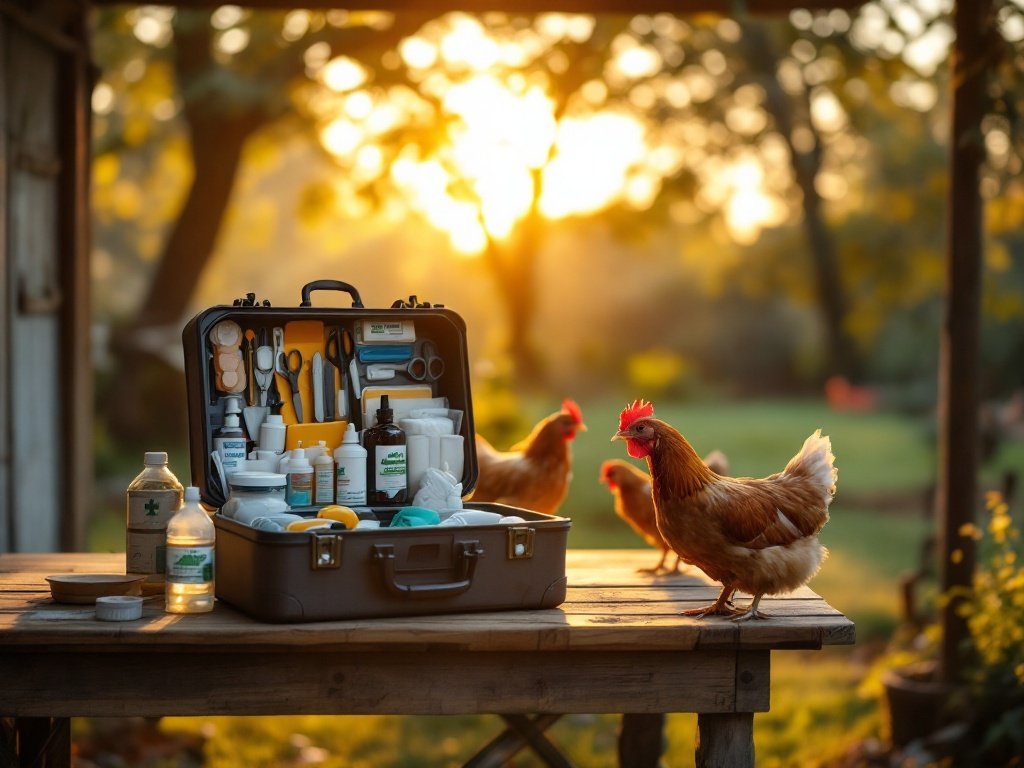
The best chicken first aid kit is one you’ll actually use, is correctly stocked for common injuries, and fits your flock size and skill level. Both pre-assembled kits and DIY options are widely available. Pre-made kits can be convenient but often miss certain advanced poultry wound care items. A DIY kit allows more customization but takes a bit more planning.
- Essential contents: wound spray (2-3oz), antiseptic solution (8oz; e.g., chlorhexidine or Blu-Kote), triple-antibiotic ointment (15g tube; bacitracin or prescription Liquamycin for complicated cases), 4-inch wide sterile gauze roll, 4x4in non-stick pads, 10 Nitrile Gloves, oral thermometer (non-mercury, for accurate temperature readings), 5ml syringe for oral medications, electrolyte powder, poultry vitamins, trauma scissors, and a small pet carrier or separate recovery box for isolation.
- Storage: Choose a waterproof, sealable 1–2 gallon container with clearly labelled dividers for fast access. Organization is as important as the kit’s contents.
- Budget: Pre-assembled kits generally cost about $20 to $60 depending on completeness and brand. Building your own kit by ordering individual supplies often totals about $15 to $45 for a similar lineup.
- Instructions: The standout kits include a printed poultry-first instructions sheet. Look for clear steps or add your own guide.
Inside the Kit—Essential Tools and Medications
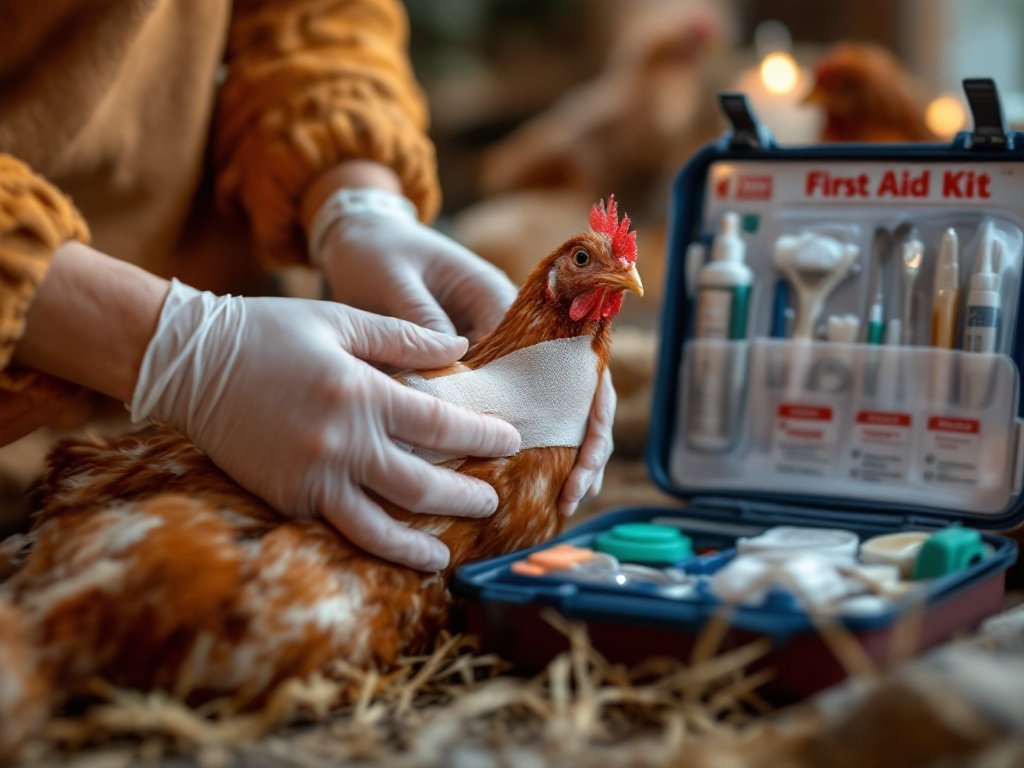
Careful selection of the right vet supplies for hens makes real poultry wound care possible at home. Below is an evidence-based list of must-haves, with tips on choosing the most effective type for each.
- Wound Spray: Choose a 2–3oz proven antimicrobial spray like Vetericyn, ideal for urgent cleaning and bumblefoot care. Look for poultry-specific labels.
- Antiseptic Solution: Chlorhexidine or Blu-Kote (8oz bottle) works for both quick disinfection and frostbite support. Avoid hydrogen peroxide unless specifically directed by a veterinarian, since it can damage healthy tissue.
- Triple-Antibiotic Ointment: Soothes wounds and helps prevent infection. Avoid ointments with pain relievers or “-caine” ingredients, as these are toxic to chickens.
- Sterile Gauze and Wraps: 4-inch gauze rolls and 4x4in non-stick pads are essential for dressing wounds of all sizes.
- Nitrile Gloves (10 minimum): Prevents infection and enables safe animal handling—choose powder-free, medium or large sizes.
- Oral Thermometer: Select a non-mercury unit, lubricated, accurate from 95–110°F for poultry.
- 5ml Syringe: For administering oral medications or electrolyte water.
- Electrolytes & Vitamins: Especially important after blood loss, shock, or heat stress.
- Kit Container: Waterproof, brightly labeled, with internal dividers. Make sure it’s easy to grab during high-stress moments.
Optional but helpful: trauma scissors, saline eye wash, disposable pet towels, chicken saddle for severe feather loss, and a flashlight for night care. Always double-check expiration dates and replace any used or opened supplies.
Owner Pain Points and Gaps in Popular Poultry First Aid Kits
Even well-intentioned commercial kits often fall short of what backyard keepers need most. Organization and clear information are where most kits lose points, directly impacting your ability to handle an emergency quickly.
| Missed Feature | Why It Matters | DIY Solution |
|---|---|---|
| Poor Storage Organization | Scrambling for supplies wastes critical time. | Divided container, labeled sections, visible checklists. |
| Lack of Antibiotic Stewardship | No info on egg/meat withdrawal, creating risk for flocks kept for food. | Add printed withdrawal charts from trusted poultry medicine resources. |
| No Age/Size Dosing Guidance | Chickens vary greatly by age and breed—wrong dose can do more harm than good. | Use charts from veterinary websites or Cooperative Extension PDFs. |
| No Step-By-Step Instructions | First-time owners panic or hesitate, risking delays and missed care steps. | Print your own concise, bullet-pointed emergency guide. |
| No Troubleshooting Checklist | Owners are unsure when to escalate to a vet. | Write “See vet if…” triggers and tape them inside the lid. |
Owners also report stress when commercial instructions do not match flock size, chicken age, or whether the birds are kept for eggs or meat. Make sure to tailor your kit documentation for your needs and local regulations.
Chicken Injury Scenarios—Step-by-Step Care for Top 5 Emergencies
Fast intervention is everything during a poultry emergency. Here are practical, no-fluff steps for the five most common backyard flock injuries:
-
Peck-Induced Cuts and Bumblefoot:
- Wash hands and put on nitrile gloves.
- Gently restrain the bird, rinse wound with wound spray.
- Apply non-stick gauze pad and wrap gently with sterile gauze roll.
- For bumblefoot, soak foot, apply topical antibiotic, and bandage firmly but not tightly.
- Monitor for signs of infection; vet visit if swelling or pus worsens.
-
Wing or Leg Fractures:
- Place bird in a small, dark pet carrier to minimize movement.
- Stabilize limb with gauze and soft splint material if available; avoid tight wrapping.
- Do not attempt complete fracture reduction at home—seek vet care as soon as possible.
-
Egg-Binding:
- Move hen to a quiet, warm, low-stress area.
- Give electrolyte solution orally with syringe.
- If no egg within several hours or hen shows signs of severe distress, consult a poultry vet immediately.
-
Frostbite:
- Move bird to a warm (not hot) environment.
- Gently thaw affected area with warm compresses; do not rub tissue.
- Apply antiseptic to minor wounds; call vet if tissue turns black or blisters appear.
-
Respiratory or Eye Trauma:
- Gently flush eyes with sterile saline or clean water.
- Use a separate towel per bird to prevent cross-infection.
- If wheezing or labored breathing, isolate in a clean, ventilated space and monitor closely.
- Seek veterinary help if symptoms worsen.
Uncontrolled bleeding and misuse of antibiotics are two leading concerns in chicken injury treatment. Never hesitate to escalate a case to a poultry vet if bleeding cannot be stopped or if you are unsure about drug dosages or egg/meat withdrawal times.
For more on keeping your flock healthy and safe from cold, visit our guide to winter chicken coops and how to keep chickens warm in winter.
Storing, Maintaining, and Replacing Your Chicken First Aid Kit
Even the most carefully built kit fails if it’s missing supplies or the items inside have expired. Good organization and routine maintenance are non-negotiable for effective vet supplies for hens at home.
- Choose Storage Wisely: Use a waterproof, sealable 1–2 gallon container with internal dividers; label for “poultry emergency supplies.”
- Keep It Accessible: Store where you and family/helpers can grab it fast—ideally away from direct sunlight and extreme temperatures.
- Routine Checks: Inspect the kit every month for expired medications, missing items, or products under recall. Replace used or outdated items right away.
- Update Instructions: Print and include the latest care charts, medication doses for different age groups, and withdrawal times for eggs/meat.
- Handling Prescriptions: Only store prescription antibiotics if your local vet has provided them specifically for your flock. Keep them in original bottles, clearly labeled, within the kit.
For build-out or upgrade inspiration, see our chicken coop bedding guide and tips on nesting box selection to optimize coop health and reduce injuries.

Final Tips—Antibiotic Use, Withdrawal Times, and Preventive Care
Poultry wound care isn’t just about the right ointments or bandages. The best chicken first aid kit protects both your flock and your family, covering safe medication use and food safety responsibilities for egg or meat layers.
- Antibiotic Guidance: Use antibiotics only under veterinary direction. Never use ointments with painkillers (like lidocaine) in poultry, as these can be toxic.
- Withdrawal Times: Many kits do not include information about how long to wait before consuming eggs or meat after medication. Add your own printed withdrawal chart from trusted poultry resources or your poultry vet.
- Age- and Size-Specific Care: What works for mature hens may not work for chicks or roosters. Always cross-check doses and be cautious with developing birds.
- Preventive Measures: The best way to handle emergencies is to reduce their frequency. Predator-proof coops, coop upgrades, summer cooling tips, and routine health checks all go hand in hand with a strong first aid setup.
Owning a first aid kit is only the start. Learn to use it, keep it updated, and adapt it as your flock grows. If in doubt, always call your local poultry vet for emergency advice.
Conclusion
A well-organized, thoughtfully stocked kit fully earns its “best chicken first aid kit” title—not just by covering every wound, break, or freeze, but by empowering owners to respond with clarity and confidence. Invest in a kit that’s right for you, update it regularly, and get comfortable with its contents now—before you need it. Ready to upgrade your poultry care game? Check out our latest resources and step up your flock’s safety and health today.
Frequently Asked Questions
What makes a chicken first aid kit “the best”?
A great kit combines poultry-specific wound care products, clear instructions (including withdrawal times and dosing charts), strong organization, and high-quality basic supplies. It should be customized for your flock’s size and purpose.
Can I use human first aid items for poultry?
Some human supplies work well, like non-stick gauze, saline, and nitrile gloves. However, select only poultry-safe wound sprays and antibiotics, and avoid any creams with “-caine” painkillers as these are toxic to chickens.
How often should I check and replace items in my kit?
Inspect your kit every month. Look for expired or used-up meds, check tool integrity, and update any instructions as your flock or care protocols change.
What first aid should I try before calling a vet?
For wounds, clean and dress with wound spray and gauze; for broken limbs, immobilize and reduce activity. If bleeding won’t stop, a fracture is severe, or you’re unsure about medication, escalate to a vet immediately.
Are antibiotics always necessary in chicken injury treatment?
No, mild wounds often heal without antibiotics if kept clean. Use antibiotics only if your vet recommends, and always follow withdrawal instructions for flocks producing eggs or meat.
—
Sources
- The Chicken Chick® – Chicken First Aid Kit & Sick-Bay
- Tractor Supply – Chicken First Aid Guide: Caring for Sick or Injured Chickens
- Carolina Coops – Chicken First Aid List: Essentials for Care
- Backyard Poultry – Building Your First First Aid Kit for Chicken Injuries
- Mayo Clinic – First-aid kits: Stock supplies for emergencies
- PMC – Poultry medicine / withdrawal-time discussion