
As an Amazon Associate we earn from qualifying purchases. This article contains affiliate links; we may earn a small commission at no extra cost to you.
Searching for the best ground cover for chicken run? Backyard flock owners often find that the wrong material leads to persistent mud, smell, and wasted dollars. Here’s a no-nonsense, cost-driven comparison to help you fix muddy chicken runs—permanently.
Key Takeaways
- The right ground cover solves mud, odor, and drainage issues in chicken runs—dirt and grass alone always fail.
- Wood chips and coarse sand are low-cost, gravel is durable, and concrete is the most permanent (but costly) option.
- Every cover needs a proper underlayer and drainage plan. Ignore slope and predator-proofing at your own risk.
- Why Ground Cover Matters for Chicken Runs
- Cost and Setup: Comparing Popular Ground Covers
- Sand vs. Gravel for Chicken Runs: Pros, Cons, and Common Pitfalls
- Wood Chips: Natural, Cheap, but Not for Every Run
- Permanent & Premium Options: Concrete and Custom Drainage
- What Most Guides Miss: Seasonality, Slope, and Long-Term Health
- Decision Guide & Real-World Upkeep: What To Choose, How To Maintain
- Frequently Asked Questions
Why Ground Cover Matters for Chicken Runs
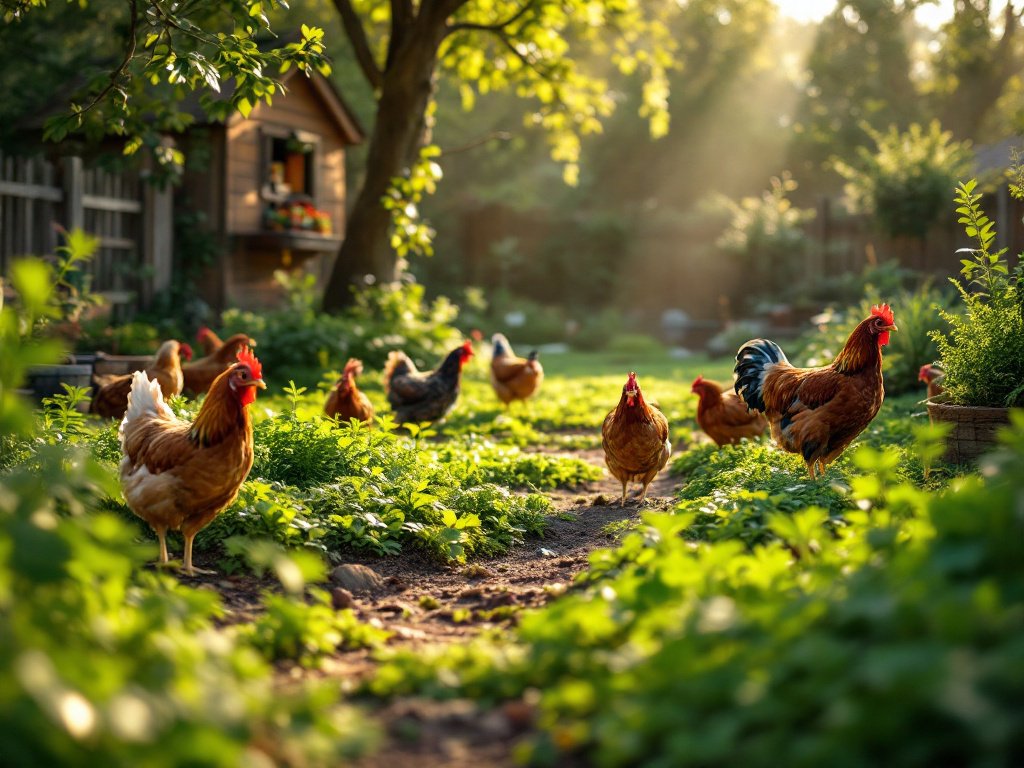
Your ground cover choice is the difference between a clean, dry chicken run and a smelly mud pit. When left as dirt or grass, rain compacts and turns chicken run mud into a year-round headache. Grass often dies within weeks, exposing bare earth that soaks up water and droppings. Poor run drainage creates pooling that locks in odor, invites pests, and even risks chicken health from bacteria and foot problems. Many owners report their runs become soggy and foul-smelling after every downpour—no matter how many times they rake or add straw. Solving the base layer and ground cover once is miles easier than fighting mud forever. (source)
Cost and Setup: Comparing Popular Ground Covers
Before shopping for the best ground cover for chicken run, compare cost, longevity, install effort, and ongoing care. Here’s how top options stack up:
| Ground Cover | Typical Price Range | Expected Lifespan | Effort to Install | Drainage Quality | Maintenance |
|---|---|---|---|---|---|
| Wood Chips | $0.10–$0.20 per sq ft | 1–2 years | Low | Slows water, may hold some moisture | Monthly top-up & raking |
| Coarse Sand | about $0.35–$0.55 per sq ft | Indefinite with care | Medium | Drains fast, may become muddy uncovered | Weekly raking, occasional top-up |
| Pea Gravel | about $0.25–$0.70 per sq ft | several years | High | Excellent if installed thickly | Re-level once or twice per year |
| Concrete | $5–$10 per sq ft | 20–30 years | Professional or serious DIY | Must be sloped | Annual power wash |
See full details and price ranges here.
For all these ground covers, a critical layer is 1/2-inch galvanized hardware cloth beneath or around your run, protecting against digging predators (guide). Compact the soil below before adding any material—a lumpy or uneven base leads to pooling and uneven wear. For concrete, slope the slab slightly to channel water away from the coop.
Sand vs. Gravel for Chicken Runs: Pros, Cons, and Common Pitfalls
Both sand and gravel are favorites to avoid chicken run mud, but each has strengths—and major pitfalls. Here’s a real-world breakdown:
- Sand is low-cost and drains rainwater quickly. Many owners say it’s the easiest material to scoop or rake droppings—especially with a fine cat litter scoop. However, if the layer is too thin or installed over a non-permeable liner, rain will turn it into goo. In frozen climates, sand can freeze solid in winter, making cleaning hard and scratching uncomfortable for birds. Exposed sand in open runs also blows away or washes off slopes in storms (reference).
- Gravel (especially Pea Gravel) is more expensive but lasts 5–10 years and rarely compacts. Chickens can walk on it once the stones settle. It offers top-notch drainage and works well for large open runs or in rainy climates. Common mistakes include installing gravel over weed membrane, which traps droppings and water, causing odors and surface rot. Instead, always use woven hardware cloth or a base layer of rougher rock for proper filtration (run upgrades guide).
| Factor | Sand | Gravel |
|---|---|---|
| Cost Per sq ft | $0.05–$0.10 | $0.15–$0.30 |
| Drainage | Very good if deep enough | Excellent |
| Clean-up Ease | Easy with scoop | Harder for fine droppings |
| Freeze/Heat Issues | Can freeze hard | Can shift in hot weather |
| Common Mistakes | Layer too thin, wrong sand type, no cover | Weed mat base, not thick enough |
To maximize either, aim for a layer at least 3 inches deep and never skimp on raking or spot cleaning after heavy use.
Wood Chips: Natural, Cheap, but Not for Every Run
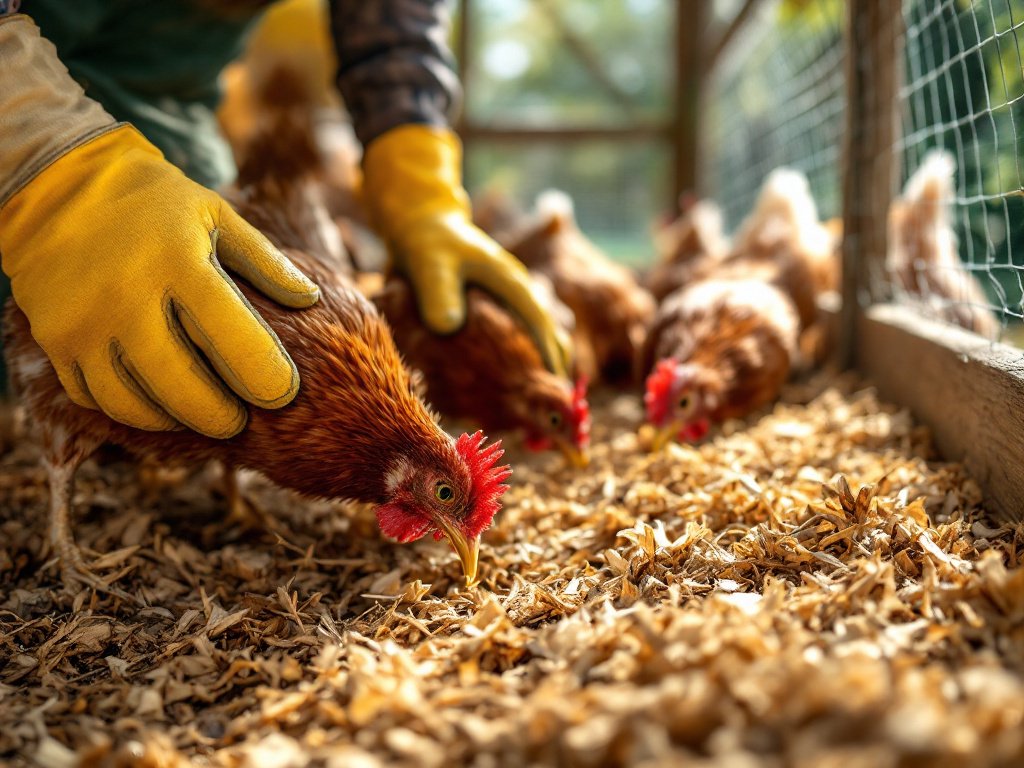
Many backyard owners swear by wood chips for their natural look, low cost, and how well they prevent muddy ground. Hardwood chips (not bark or sawdust) break down over 1–2 years and gradually enrich the soil below. However, in very wet climates or runs without any slope or drainage, chips can become compacted and slow to dry out, leading to musty smells. Another common misconception: bark and softwood mulch are not the same—bark encourages fungus growth, molds, and may harm chickens’ respiratory health (source).
- Chips need monthly or bimonthly top-ups (especially in rainy spring or fall).
- Over time, as chips break down, the underlying soil enriches with nutrients. This is unique compared to sand or gravel, which are inert and won’t feed the earth.
- Composting spent chips is easy—just pile used chips and droppings elsewhere to rot down for use in gardens.
For best drainage, lay chips over compacted soil plus hardware cloth or a rough gravel base layer.
Permanent & Premium Options: Concrete and Custom Drainage
If you’re done with annual fixes, concrete offers the only “once and done” chicken run flooring. At $5–$10 per square foot, it’s a major investment and best reserved for serious, long-term backyard chicken setups. Proper installation means pouring over compacted soil or gravel, always with a gentle slope to shed rain and spray-down water. Annual power washing clears off caked droppings. Some owners line the surface with sand or deep litter so chickens aren’t scratching directly on hard concrete. French drains—buried perforated pipes surrounded by gravel—can be added around the slab’s edge or underneath for unbeatable run drainage in wet or low-lying yards (read more about winter chicken coop upgrades).
This kind of install is overkill for small hobby flocks but pays off for big, permanent runs—especially where mud is a never-ending problem and predator pressure is high.
What Most Guides Miss: Seasonality, Slope, and Long-Term Health
Typical guides stop at “just add wood chips or sand,” but real-world success depends on:
- Run Slope: A gentle 1–2% slope (about a 1/4-inch drop per foot) steers water away from the coop and covered areas, preventing pooling after heavy rain. Even gravel or sand will eventually get muddy on a flat or sunken site.
- Side Drainage: French drains or buried gravel trenches are unsung heroes in permanent, dry runs. These cost little upfront, but save huge work later.
- Seasonal Shifts: Sand can harden in winter or get messy in spring thaws; gravel can shift in drought-to-wet cycles and needs occasional re-leveling. Wood chips, meanwhile, improve subsoil year-to-year—unlike sand or gravel, which offer no such nutrient boost.
Owners who skip a slope or drainage layer end up hauling out soaked chips, scraping mats of waste off gravel, or needing to replace sand entirely every year or two.
Top online articles often skip these deeper realities—and underplay how much preventive grading solves before you spend a dollar on ground cover material.
Decision Guide & Real-World Upkeep: What To Choose, How To Maintain
Every run and flock is unique. This quick chart suggests what works best for different priorities, plus maintenance tips for years of clean, low-odor use:
| Your Situation | Ground Cover Choice | Key Care Task |
|---|---|---|
| Low budget, easy install | Wood Chips | Top up monthly; rake weekly |
| Rainy/wet yard | Pea Gravel over hardware cloth | Re-level and hose down spring & fall |
| Dry climate, simple cleaning | Coarse Sand (covered run) | Rake or scoop weekly; replace every 1–2 years |
| Predator-prone site | Any, but with buried hardware cloth perimeter | Check fencing quarterly |
| Long-term, set-and-forget | Concrete slab with French drain | Pressure wash once per year; long lifespan |
Typical routines:
- Wood chips—rake out clumps and add new chips monthly; compost soiled chips.
- Sand—spot-clean weekly with a scoop; top-up low spots as needed.
- Gravel—spray off droppings, re-level dips after winter rain or heat.
- Concrete—use a hose or pressure wash at least once each year, more if muddy.
Full coop and run cleaning guide here.
If your run is still muddy or smelly after switching to a better ground cover, check for:
- No slope or buried drain—shovel a low channel or install French drain pipes
- Too-thin ground cover—add more material, at least 3 inches deep
- Improper base—add or fix hardware cloth or gravel underlayer
- Cheap bark or sawdust instead of wood chips—replace with real chips
- Poor cleaning schedule—increase frequency of raking or hosing
Want to boost your flock health and reduce chores year-round? Pair your improved run with a low-waste feeder, upgrade to an automatic coop door, or check if you need a better bedding in your coop.
Frequently Asked Questions
The bottom line: long-lasting, low-smell chicken runs come from smart ground cover, drainage, and correct installation. Choosing the best ground cover for chicken run depends on your yard, climate, and effort—but every setup benefits from the right underlayer, slope, and scheduled upkeep. Tired of mud? Take action now, and give your flock cleaner feet in every season.
Ready to transform your chicken run for good? Pick your ground cover, prep your base, and enjoy a healthier, drier, and easier-to-clean setup. Share your experience below or ask about tackling specific run drainage headaches!
What’s the cheapest ground cover for a chicken run that actually controls mud?
Coarse sand and bulk wood chips are the most affordable, practical options for most backyard runs. Both need solid base layers and regular upkeep to avoid smells and mud returning.
Can I use grass as ground cover for my chicken run?
Grass rarely survives more than a few weeks under chickens’ scratching and pecking. Once gone, you’re left with exposed dirt that quickly becomes mud and tracks odors after any rain.
How do I keep my chicken run from getting muddy during rain?
Use a sloped base with good drainage—either French drains or gravel trenches—under a deep layer of chips, sand, or gravel. Avoid weed membrane and always install hardware cloth for predator protection.
How often should I replace or clean the run’s ground cover?
Wood chips need topping up monthly. Sand requires weekly raking and an occasional new layer. Gravel lasts years but should be re-leveled after storms or winter freezing. Concrete only needs yearly power washing.
Is hardware cloth necessary under all run materials?
Yes, half-inch galvanized hardware cloth under or around your run prevents digging predators, stops rats, and supports long-term ground cover health. Skipping it invites pests and structural problems.
—