
As an Amazon Associate we earn from qualifying purchases. This article contains affiliate links; we may earn a small commission at no extra cost to you.
Best no crow rooster collar solutions aren’t just hype—they represent a realistic, humane option for backyard poultry owners who need actual noise control without sacrificing their flock’s health or legal standing. If you’ve got a loud rooster but can’t part ways, read on for data-backed, honest answers about what really works for crowing control.
Key Takeaways
- No crow rooster collars can reduce both crow frequency and decibel volume, but only when fitted and monitored correctly.
- Safety and comfort are possible when using certified mesh collars with documented veterinary checks—but owner vigilance is required.
- Choosing the correct size and regularly monitoring fit are the biggest factors for collar effectiveness and rooster health.
- Are No Crow Rooster Collars the Best Solution for Crowing Control?
- How No Crow Rooster Collars Work: Mechanism, Models & Sizing
- Safety & Comfort: Are Rooster Collars Harmful?
- Effectiveness & Buyer Pain Points: Do Rooster Collars Really Work?
- How to Choose and Fit the Best No Crow Rooster Collar for Your Flock
- Real Costs: Pricing, Durability, and Where to Buy
- Summary: Is a Rooster Collar Right for You?
- Frequently Asked Questions
Are No Crow Rooster Collars the Best Solution for Crowing Control?
Controlling rooster noise is a real necessity for many suburban and backyard poultry keepers. Laws, HOA rules, and unhappy neighbors often force flock owners to choose between relocating their birds or finding an effective way to minimize crowing. The NO CROW Rooster Collars offers a non-invasive option when culling, relocation, or expensive soundproofing fails or isn’t desirable.
Unlike soundproof coops or separating birds, collars address noise at the source, reducing both the number and loudness of crows. Controlled trials show the popular “NO CROW” collar line can reduce crowing by significantly reduce crowing and sound levels when fitted correctly (NO CROW Rooster Collars).
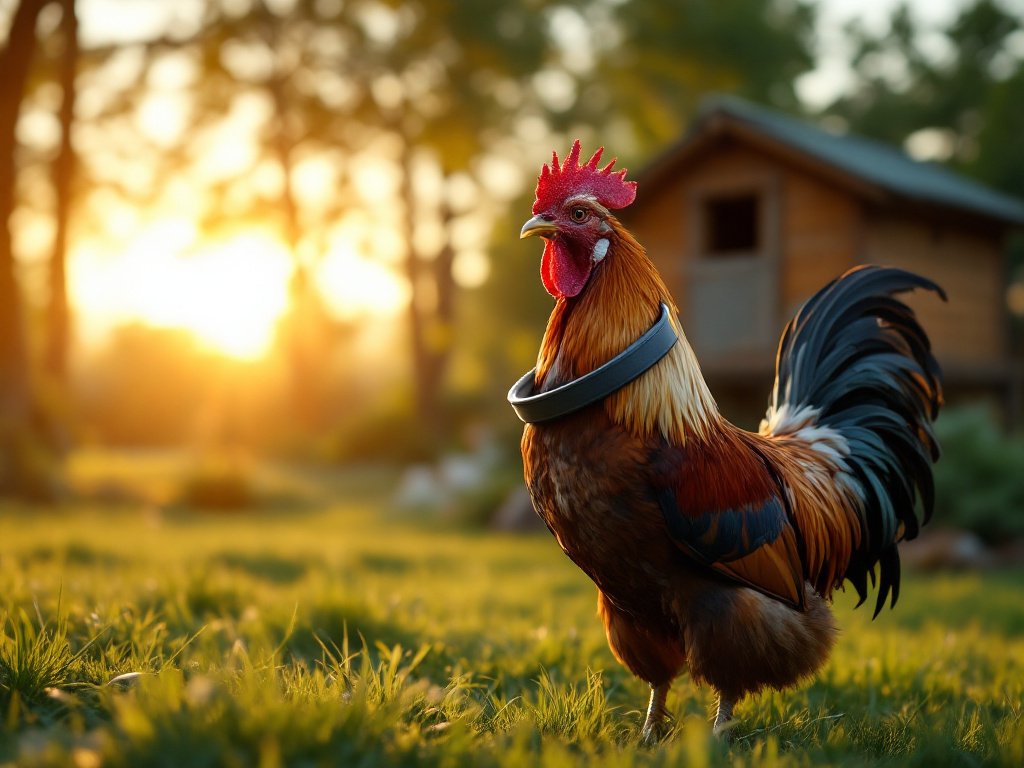
Reducing rooster volume helps avoid fines, keeps the peace with neighbors, and lets small-scale flock keepers raise roosters legally—while still keeping them healthy and socialized within the group. For many, it’s the only practical way to be both lawful and humane.
For more on winter chicken care and coop improvements, check out our guide to best chicken coop for cold weather and be sure your flock stays comfortable year-round.
How No Crow Rooster Collars Work: Mechanism, Models & Sizing
Modern rooster collars use a purely mechanical design—no batteries, no electronics, and nothing invasive that could harm your bird. The “NO CROW” line, for example, uses a flexible mesh collar that sits around your rooster’s lower neck.
When the rooster tries to take a deep breath to crow, the collar gently restricts the expansion, making the crow quieter and often shorter. It does not stop all vocalizations and shouldn’t impact normal breathing, eating, or grooming—when properly fitted.
Collars come in five sizes to fit a range of rooster breeds—from bantams to large fowl. Neck circumferences covered: approximately 6–16 in (15–41 cm). A Velcro closure allows for at least 1.5 in (3.8 cm) of overlap, ensuring a secure, custom fit on most birds. Always measure under the rooster’s feathers close to the skin to get an accurate fit (source).
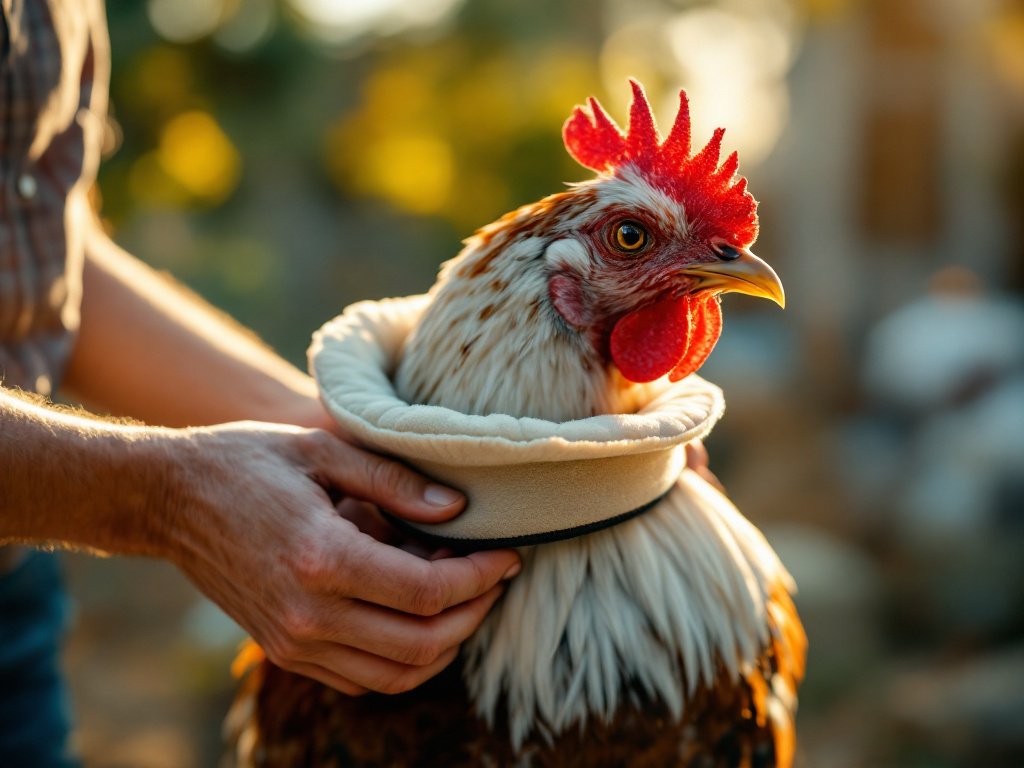
Collar models are typically made from breathable, soft, and flexible polymer mesh with a gentle spring or hinged insert. They allow neck movement, preening, and even mating behaviors, provided they’re checked and re-fitted regularly—especially as the rooster grows or during seasonal feather changes.
If you’re looking to upgrade your predator defenses, try our expert guide to predator proof chicken coops for added flock security.
Safety & Comfort: Are Rooster Collars Harmful?
Rooster collar safety is a valid concern. No device should ever compromise animal welfare. The best no crow rooster collar brands use flexible, breathable mesh designed to minimize irritation and allow natural movements. Available product claims and user guidance emphasize careful fitting and monitoring; independent veterinary trial data are not clearly published (NO CROW Rooster Collars).
The collar should allow your rooster to:
- Breathe and eat without difficulty
- Access water freely
- Preen, dust bathe, and mate as usual
- Bend and turn the neck naturally
Common pain points include possible skin irritation if the collar is too tight or if Velcro rubs exposed skin. Frequent inspection is necessary, especially in the first few days. Most flock owners spot issues fast and tweak the fit for comfort.
Adding flock enrichment, such as the best chicken toys, helps keep birds active, further reducing the chances of irritation from constant scratching or boredom-related picking at the collar.
For added peace of mind, consult your local poultry vet and routinely check rooster body condition and skin health during collar use.
Effectiveness & Buyer Pain Points: Do Rooster Collars Really Work?
The promise: Rooster collars aim to lower both the number and the volume of crows, making flock keeping possible even where rooster noise is tightly regulated. In user reviews and controlled trials, owners observed significant rooster noise reduction—fewer crows as well as lower decibel readings (see owner field reports).
But even the best collars aren’t foolproof. Common complaints and challenges include:
- Choking or difficulty swallowing due to over-tightening
- Skin abrasion from poorly finished or sharp Velcro edges
- Poor fit causing the collar to slip or rotate, making it ineffective
- Rare false triggers—vigorous breathing during preening or dust-bathing causes the collar to compress as if crowing
User experience varies by rooster temperament, collar size, and attention to fitting details. Collars require routine checks—especially as birds gain or lose weight, molt, or grow. Improper fitting and infrequent checks are responsible for the majority of problems, not the collar mechanism itself.
| Pain Point | Cause | Solution |
|---|---|---|
| Choking/Food Obstruction | Over-tightened collar | Fit to 2-finger rule; check eating immediately post-fitting |
| Skin Abrasion | Velcro edges or collar twist | Cover abrasive areas with fabric or tape; smooth edges |
| Slipping/Ineffective | Wrong size or insufficient Velcro overlap | Measure again and add 1.5 in for overlap |
| False Trigger | Normal deep breaths | Slightly loosen fit; monitor to confirm breathing is unimpeded |
Collars don’t eliminate crowing entirely—but greatly reduce volume and frequency. Most owners report their birds adjust after a short break-in period. For even more flock management improvement, read our comparison on best chicken feeder no waste for a mess-free feeding area.

How to Choose and Fit the Best No Crow Rooster Collar for Your Flock
Success hinges on getting the collar size right and fitting it correctly. Here’s a practical step-by-step guide:
- Measure carefully under the feathers close to the skin at the lower neck (not at the base of the head).
- Add 1.5 in (3.8 cm) to your measurement so the Velcro closure will have enough overlap—and so the collar doesn’t come undone during movement.
- Choose the sizing band that matches your total (e.g., “Medium” is for 8 in necks with overlap).
- Fit the collar with enough space to slip one or two fingers under the mesh—snug, but not tight.
- Monitor for 30 minutes after fitting: confirm eating, drinking, and breathing as normal.
- Inspect daily for signs of irritation or slippage; adjust if needed as the rooster grows, molts, or gains/loses weight.
Owners who skip careful measuring or sizing usually experience collar slippage or poor effectiveness (see fitting FAQ).
If you’re integrating new birds, our introduce new chickens to flock guide can help you minimize pecking order stress, further supporting collar acceptance.
Real Costs: Pricing, Durability, and Where to Buy
Most reputable mesh rooster collars cost about $18.29 each, with pricing varying by seller and size. You can find the leading “NO CROW” line from direct manufacturer sites, poultry supply shops, and major retailers like Amazon.
In multi-week user trials, these collars are cited as durable and reliable when sized and used correctly. Replacement frequency depends on rooster activity and proper care, but most owners get months of use out of a single collar before replacement.
Compared to alternatives—culling, expensive soundproofing, or relocating birds—the ROI is very favorable for anyone trying to keep a rooster in a suburban setting. For more tips on flock investment, see our report on cost to raise chickens.
Pairing a reliable collar with an best automatic chicken coop door also helps you manage early-morning crowing and flock care for maximum peace of mind.
Summary: Is a Rooster Collar Right for You?
Should you choose a collar for rooster noise reduction? If you need to reduce crowing for zoning, neighbors, or personal preference—and have the time to fit and check it regularly—a modern, breathable, flexible collar is a humane answer. Field reports suggest many owners are satisfied with fit and durability when collars are sized and monitored correctly.
The main limitations: Collars need proper fit, regular checks for irritation, and they don’t totally silence crows—just make them quieter and less frequent. If you can’t monitor health closely, or if your rooster is especially large or aggressive about scratching off gear, alternatives such as relocation may be better.
For anyone serious about balancing rooster welfare and real-world neighborhood limitations, the best no crow rooster collar remains one of the most practical, data-backed, and humane solutions on the market.
Ready to make your flock and your neighbors happier? Evaluate your rooster’s size, order the correct fit, and always monitor regularly—for the best combination of safety, comfort, and peace.
Frequently Asked Questions
Will a no crow rooster collar completely silence my rooster?
No, collars reduce but do not fully eliminate crowing. Expect quieter and less frequent crows, not total silence.
Are rooster collars safe for all breeds and ages?
With careful sizing and supervision, most healthy roosters tolerate mesh collars well, but giant or feather-footed breeds may need extra monitoring to prevent slippage or irritation.
How do I know if the collar is too tight?
If your rooster struggles to eat, drink, or breathe normally, the collar is too tight. You should always be able to fit one or two fingers under the mesh when properly applied.
What if my rooster still crows loudly after trying several collars?
Check your sizing and fit again. If you still get noise, your bird may need an alternative solution like more coop soundproofing or relocation.
Can rooster collars cause long-term health issues?
No long-term health problems have been reported in certified mesh collars with frequent monitoring. Irritation and choking only occur if fit or size is neglected.
—