
As an Amazon Associate we earn from qualifying purchases. This article contains affiliate links; we may earn a small commission at no extra cost to you.
Cost to raise chickens is the burning question for new backyard flock owners. If you want real numbers—not just wishful thinking—here’s a straight talk breakdown of every upfront and hidden expense a first-time chicken keeper needs to know, plus how to avoid budget blowouts once your hens arrive.
Key Takeaways
- Starting a small flock costs anywhere from $300 to $2,500, mostly due to the coop budget and region-based upgrades.
- Monthly expenses run about $35–$45 using conventional feed; expect higher costs for organic diets, with utilities and health supplies as important variables.
- Hidden risks like predators, climate swings, and feed waste are major drivers of higher costs—plan ahead to prevent surprises.
- What Does It Really Cost to Raise Chickens?
- Backyard Chicken Startup Cost Breakdown
- How Your Region Affects Costs (Climate & Predators)
- Ongoing Monthly Costs: What to Expect
- Hidden Risks that Raise Your Costs: Top 3 Pain Points
- What’s the Real Cost Per Dozen Eggs?
- How to Keep Costs Predictable (Practical Tips)
- FAQ
What Does It Really Cost to Raise Chickens?
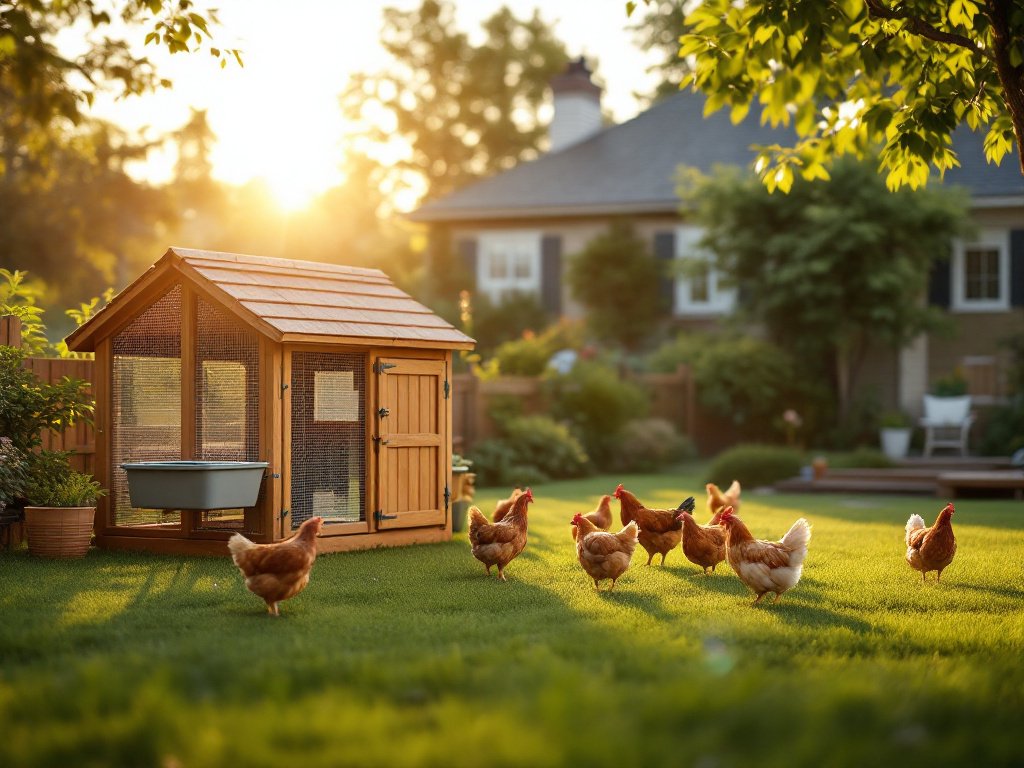
The cost to raise chickens in your backyard depends on your approach and location. For most first-time suburban or rural owners, the biggest chunk goes to the chicken coop. According to multiple sources, you might spend anywhere from about $300 to $2,500 just to set up a secure, healthy home for 4–6 hens—predator proofing and climate insulation push the high end, while recycled DIY builds can nail the budget minimum. Even after setup, ongoing monthly costs range from $49 to $80 with standard feed and basic supplies; organic feed or harsher climates bump that up to $71–$118 monthly. Here’s a quick glance at typical costs:
| Category | Low Range | High Range |
|---|---|---|
| Chicken Coop | $200 | $2,000+ |
| Feeders/Waterers | $20 | $80 |
| Brooder Setup | $50 | $150 |
| Chicks (4–6) | $15 | $100 |
| Monthly Feed (Conventional) | $26 | $34 |
| Monthly Feed (Organic) | $48 | $62 |
| Bedding/Health/Supplies | $20 | $56 |
Expect your actual spend to move up or down within these ranges depending on your climate, whether you build from scratch, and how much you focus on hardware cloth or comfort upgrades. For even more coop-specific detail, see best chicken coop for 6 chickens and best chicken coop for cold weather.
Backyard Chicken Startup Cost Breakdown
Your first-year backyard chicken startup cost depends on building choices and local prices. The coop is the core expense, ranging from a simple $200 DIY frame up to $2,000 for a prebuilt, insulated, and predatorproof structure. Feeders and waterers add $20–$80, a brooder and heat lamp runs about $70–$160, and chicks typically cost $15–$100 for 4–6 birds, varying by breed and age. Advanced setups for predator-heavy or cold regions can reach $2,500 in year one, but scrappy owners using reclaimed materials may launch for $300–$800 (see FarmKeep).
Budget tip: The bigger the coop and run—including hardware cloth and latches—the more you’ll spend, but skimping risks early predator losses. For a how-to on safe brooder setups for chicks, visit chick brooder setup.

For those considering add-ons like automatic doors, larger runs, or heated waterers, see best automatic chicken coop door and best heated chicken waterer.
How Your Region Affects Costs (Climate & Predators)
Your climate and local predators can double certain expenses. In cold northern USDA zones, plan to pay more for insulation, extra bedding, and safe heating—$5–$15 more per month for power (according to From Scratch Farmstead). Hot southern climates may add costs for fans and more shade. If you live near woods or fields, predator-proofing with buried wire, hardware cloth, and tamper-proof locks tacks on an extra $150–$300.
For practical cold-weather prep, see keep chickens warm in winter. In snake and coyote country, see predator proof chicken coop.
If you skip these upgrades, you’re betting your flock against regional hazards—and many owners who try to save here face major replacement costs later.
Ongoing Monthly Costs: What to Expect
Feed dominates the ongoing budget. Standard layer feed runs $26–$34/month for 4–6 hens; organic feed ranges $48–$62 (per Mile Four). Plan for $3–$6 for calcium grit, $10–$25 for bedding (see best chicken coop bedding), and $5–$10 for treats or supplements. Health and vet supplies average $5–$15 monthly if you avoid disease outbreaks.
If you have harsh winters or brooding chicks, utility bills could rise by $5–$15 in cold months for heaters, or by $10–$20 during heat waves for fans and cooling. For feed waste prevention and no-mess solutions, check out best chicken feeder no waste.
| Ongoing Expense | Monthly Estimate | Comment |
|---|---|---|
| Feed (Standard) | $26–$34 | Main recurring cost |
| Feed (Organic) | $48–$62 | Premium for organic |
| Bedding | $10–$25 | Deeper in winter |
| Oyster Shell/Grit | $3–$6 | Essential for shell quality |
| Treats/Supplements | $5–$10 | Optional |
| Health/Vet Buffer | $5–$15 | Low unless disease hits |
| Extra Utilities | $5–$20 | Climate-dependent |
Some months will be cheaper (when free-ranging is possible) and others will spike due to weather or illness.
Hidden Risks that Raise Your Costs: Top 3 Pain Points
Most budget overruns trace to three overlooked risks:
- Predator Protection: Skimping on hardware cloth or locks means paying more later to replace lost hens. Expect $150–$300 for reliable upgrades. Learn to outsmart local threats at this fence guide.
- Climate Control: Inadequate insulation or ventilation leads to health problems and higher energy costs. Budget $50–$150 for proper setup, plus ongoing heating or fan bills. Discover proven solutions at chicken coop ventilation.
- Feed Waste & Disease: Spilled feed attracts pests and makes egg production pricier than store-bought. Consider a spill-proof feeder ($50–$150) and keep a vet/meds stash ($10–$30/month if disease strikes). For egg safety tips, read stop chickens eating eggs.

Ignoring these areas can force you to spend extra or, worse, quit keeping chickens entirely. Regular maintenance also prevents sudden breakdowns—see coop management tips.
What’s the Real Cost Per Dozen Eggs?
Crunching the numbers for a 4–6-hen backyard flock, expect 700–1,400 eggs per year (one hen lays about 150–300 eggs annually, breed depending[more]). Spread over one year with $800 start-up and $65/month ongoing (conventional feed):
- Year 1 Total = $800 + ($65 x 12) = $1,580
- If flock lays 1,000 eggs: 1,580 dollars ÷ (1,000 ÷ 12) = $18.96 per dozen
Years 2 and onward (no big equipment costs), you’d pay only the recurring expense, so 780 dollars ÷ (1,000 ÷ 12) = $9.36 per dozen. The cost per dozen eggs is rarely cheaper than store-bought unless you minimize capital costs and avoid losses, but you get unmatched freshness and peace of mind about what’s in your eggs.
How to Keep Costs Predictable (Practical Tips)
Here’s how most successful flock owners keep their backyard chicken startup cost sane and stable in year one and beyond:
- Splurge: On the essentials—solid coop, predator-proofing, sturdy feeders, and health basics.
- Save: With reclaimed building materials, DIY runs, and free-range time (when safe).
- Regular Chores: Inspect latches, refill bedding, check for dampness and air quality. Long-term neglect is costly.
- Buy Feed in Bulk: It’s cheaper per pound and you’ll run out less often.
- Share Gear: Swap or split multi-packs of supplies with other local owners.
- Shop Local: Local mills, ag co-ops, or garden centers often beat chain stores on price.
Owners who build coops from reclaimed wood or maintain gear sharply reduce their initial outlay and keep long-term costs lower. See real DIY savings stories here and detailed ideas for space planning at chicken coop space requirements.
Want even more budgeting hacks for gear and ongoing care? Check out chicken coop accessories for a deep dive.
FAQ
Is it cheaper to build or buy a chicken coop?
Building with reclaimed or local materials is usually cheaper up front, but buying a pre-made predator-proof coop saves time and can cost less if you lack tools or building experience.
How much does chicken feed cost per month?
Standard feed for 4–6 laying hens runs $26–$34 monthly. Organic feed can cost $48–$62 per month according to Mile Four.
What’s the cost per dozen eggs with backyard chickens?
In year one, expect about $12–$19 per dozen after all startup and ongoing costs. From year two forward, costs drop since you’ve already paid for the coop and most gear.
Can recycled materials really lower startup costs?
Yes, many owners keep the total setup at $300–$500 by repurposing sheds, doors, and fencing, according to FarmKeep.
What are the biggest hidden costs of raising chickens?
Lost birds to predators, sudden feed price jumps, disease outbreaks, and seasonal heating/cooling can push expenses well above initial estimates.
—
Sources
- Hen Acre: How much does it cost to raise chickens? A realistic budget
- FarmKeep: How Much Does a Chicken Cost? Complete Price Guide
- Chicken Starter: How Much Does It Really Cost to Raise Chickens for the First Year?
- From Scratch Farmstead: Breaking Down The Cost Of Chickens For Eggs
- Waddle and Cluck: The True Cost of Raising Chickens