
As an Amazon Associate we earn from qualifying purchases. This article contains affiliate links; we may earn a small commission at no extra cost to you.
Stop chickens eating eggs is a struggle nearly every backyard chicken keeper faces at some point. The good news is there are clear warning signs and proven techniques you can use to quickly identify the culprit and reclaim your egg basket, all without endless trial and error or breaking the bank.
Key Takeaways
- Catching egg-eaters early—by observing telltale mess and using a coop camera—vastly increases your chances of reversing the habit and saving your flock’s productivity.
- Proven solutions like roll-away nest boxes, nest reinforcements, and vitamin-rich feed each have distinct costs and timelines, with most improvements seen in under three weeks if you act decisively.
- Most “stop chickens eating eggs” guides skip the critical sequence: observe, identify, isolate, restore diet, change nests, and collect eggs consistently. Following this plan heads off frustration and loss.
- How to Tell If Your Chickens Are Eating Eggs
- Understanding Why Chickens Eat Eggs—Root Causes and Rarely-Mentioned Triggers
- Proven Ways To Stop Chickens Eating Eggs—and What They Really Cost
- Step-by-Step Action Plan for Stopping Egg Eating (That Most Guides Skip)
- Should You Ever Cull an Egg-Eating Hen? Vet-Backed Guidance
- Most Common Reader Questions—Straight Answers
- Egg Eating Prevention Checklist (Printable Quick Reference)
How to Tell If Your Chickens Are Eating Eggs
Egg-eating can devastate your egg yield, but the root causes and warning signs are surprisingly clear once you know what to watch for. Backyard keepers often first notice sticky yellow beaks, smeared yolk on feathers, or broken shell fragments in the nesting area. A sudden drop in daily egg count—despite healthy looking hens—is another giveaway, as is seeing multiple hens crowding nest boxes right after an egg is laid.
Sometimes, the only way to confirm the culprit is to set up a small coop camera. This quick investment (or even a borrowed wildlife camera) will often catch the offender in the act. As Hobby Farms and Backyard Chickens point out, chickens almost never admit guilt but rarely escape video evidence.
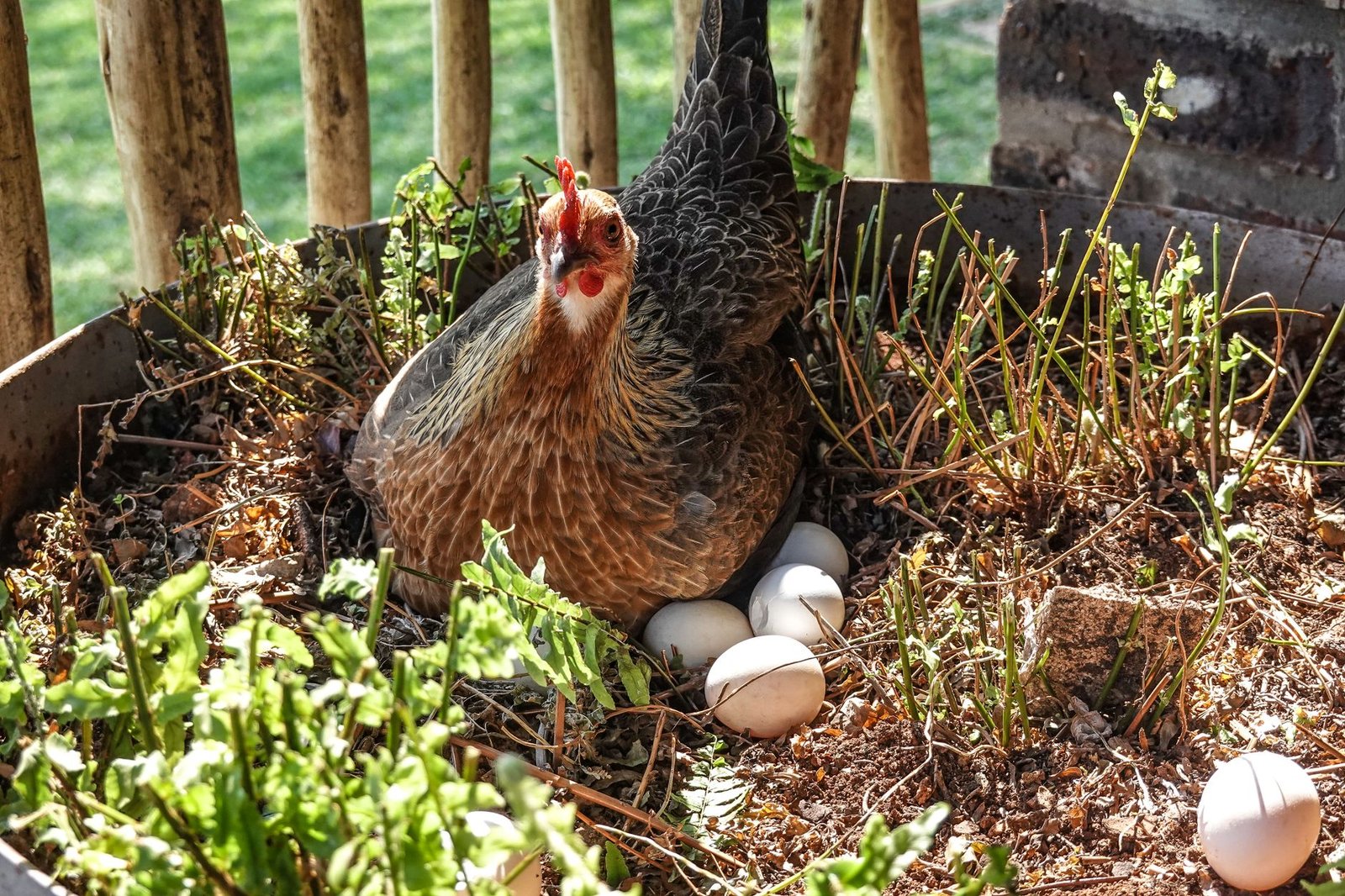
Early identification is critical. If more than one hen starts eating eggs, the habit spreads quickly through social learning. Spotting—and stopping—the first offender can save your entire flock’s productivity.
For winter keepers, ensure your coop is draft-free and designed for cold weather so stress isn’t driving egg-eating. A healthy environment is your first defense.
Understanding Why Chickens Eat Eggs—Root Causes and Rarely-Mentioned Triggers
So, why do chickens eat eggs in the first place? The real reasons go far beyond just curiosity or “bad” behavior.
According to Penn State Extension, the triggers fall into three main categories:
- Nutritional Deficiency: A lack of calcium or protein often leads to fragile eggs that break easily, giving hens access to the contents. If the birds are desperate for nutrients, they quickly develop a taste and look for more.
- Environmental Factors: Overcrowded or too brightly lit coops, lack of clean nesting material, or rough nest design cause accidental breakage. Broody hens or bullies lingering in nests lead to stress and broken eggs.
- Boredom and Social Learning: Bored chickens peck at anything, and egg-eating often starts as a one-off event. Hens learn from each other fast—if one hen starts, several may join in within days without intervention.
It’s worth noting that feeding crushed, baked eggshells as a calcium supplement does not encourage egg-eating—as long as the shells are unrecognizable as eggs. Owners report that a poor diet or lack of enrichment drives the habit much more than any recycled minerals.
For serious layers or when upgrading your flock, read about best egg incubator for beginners to ensure your egg numbers can recover after breaking an egg-eating habit.
Proven Ways To Stop Chickens Eating Eggs—and What They Really Cost
An actionable strategy to stop chickens eating eggs should include cost, setup effort, and realistic expectation for results. Here are the three solutions that data and owner experience show work best—outlined with real-world pros, cons, and what you should budget for each method.
| Solution | Estimated Cost | Time to Set Up | Time to See Improvement | Success Rate / Notes |
|---|---|---|---|---|
| roll-away boxes | Wide price range – sets of four often $20–$350 (DIY options under $25; premium sets ~$250–$350) | Half day to two days depending on coop size | Often within the first week | Eggs roll out of reach. Avoids pecking but boxes must be well padded. Highly recommended in many guides (see source). |
| Reinforced nests (deep straw, mesh, padding) | $5–$30 per nest box for DIY padding/liners; premium liners ~$20–$50 | A few hours to one day | Five to ten days | Reduces accidental breakage, especially in busy flocks or with heavy breeds. |
| Nutrition upgrades | Adds around $0.02–$0.05 per bird per day for oyster shell; mealworms vary but often $0.03–$0.08 per bird per day when used as a supplement (try best mealworms for chickens for extra protein) | Immediate (change feed/supplement schedule) | Usually 2–3 weeks for full results | Addresses the underlying cause for most flocks, but needs consistent application. |
When you’re investing in nesting improvements, consider best nesting boxes for chickens to get boxes suited to your flock size and behavior. Look for sturdy designs and easy-to-clean materials for long-term durability.
Simple steps like tweaking the feed formula, increasing nest bedding, or gathering eggs twice daily cost little but pay large dividends. For persistent problems or small budgets, focus on nest reinforcement and promptly upgrading dietary calcium and protein before investing in roll-away boxes.
Step-by-Step Action Plan for Stopping Egg Eating (That Most Guides Skip)
A phased and disciplined protocol turns frustration into fast results. Here’s the sequence professional keepers use when they want to stop chickens eating eggs reliably:
- Systematic Observation: Monitor the flock closely. Look for beak stains, nest traffic, and broken eggs. Install a coop camera if possible to gather proof.
- Identify and (if needed) Isolate Offender(s): Use your observations and video to single out the hen responsible. Isolate the bird in a separate pen or dog crate to prevent others from mimicking the behavior.
- Diet Corrections: Upgrade to a complete layer feed (minimum 16% protein), add free-choice oyster shell, and consider supplementing with mealworms or baked, crushed eggshells. Avoid diluting rations with scratch grains alone.
- Nest Redesign or Reinforcement: Add padding, deep straw, or mesh liners to nests. Upgrade to a roll-away or sloped box setup if possible for the best prevention.
- Disciplined Egg Collection: Collect eggs at least twice daily, especially during the first weeks. This removes temptation and makes accidental breakage unlikely.
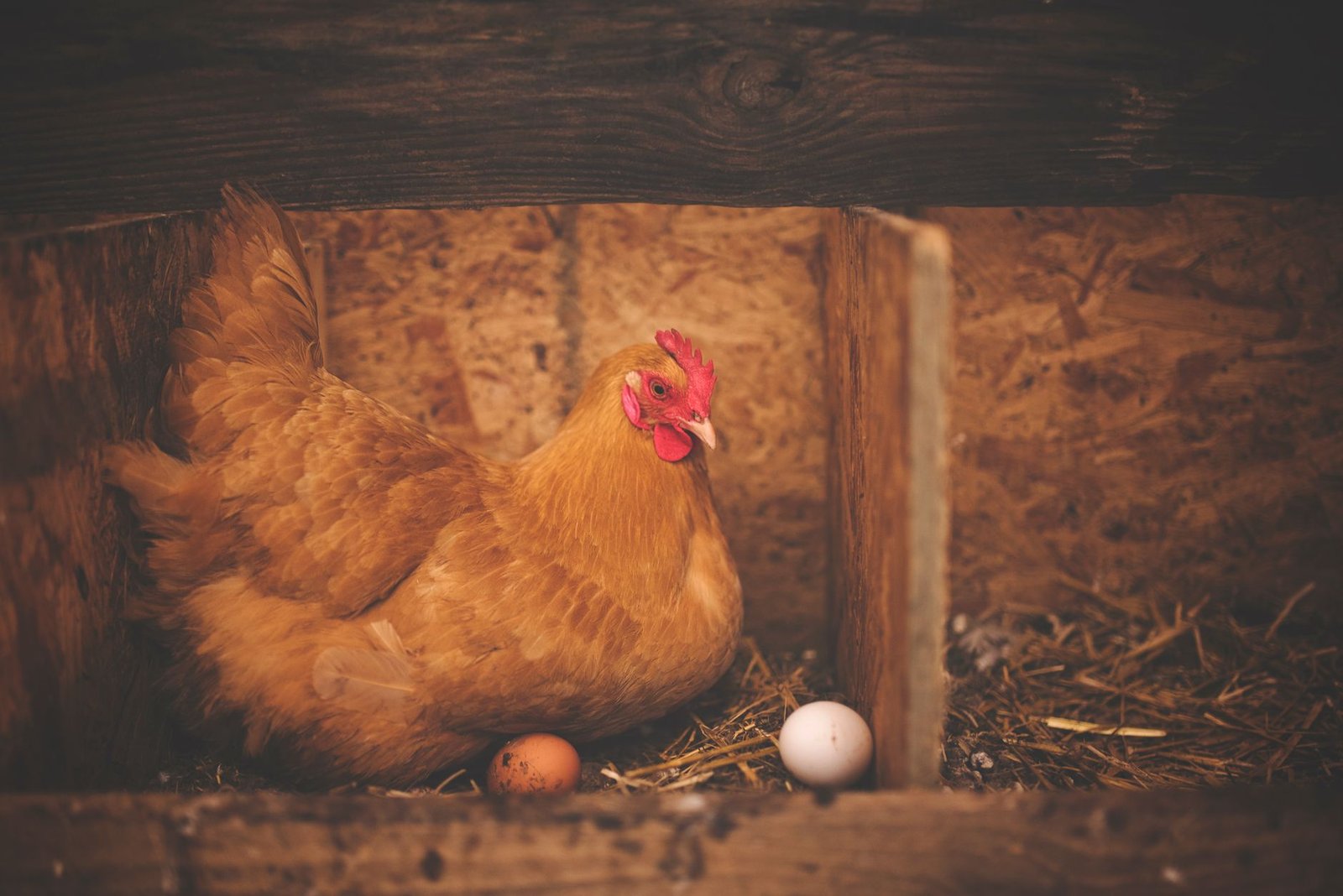
If only one or two hens persist, continue isolation and retraining. Most flocks revert to normal laying habits if interventions are consistent and quick. Reintroduce the offenders only after a week or more of “no-egg” behavior. And remember, your coop design matters: see chicken coop space requirements to ensure birds aren’t crowded, as overcrowding is a major egg-eating trigger.
Want less mess during feed changes? Check out best chicken feeder no waste for gear that saves money and keeps the coop clean as you adjust diets.
Should You Ever Cull an Egg-Eating Hen? Vet-Backed Guidance
This is often the hardest question for any backyard keeper. Culling is a last resort, but a necessary one for some persistent egg-eaters. Experienced keepers and veterinary experts agree: if a chicken continues to eat eggs after multiple rounds of isolation, nest redesign, and strict collection protocols, culling may be the only way to protect the rest of the flock.
Egg-eating can spread rapidly if not controlled. Letting an uncorrectable offender remain risks the rest of the flock developing the same habit. However, always try every method first, document your steps, and seek vet input if unsure. As Extension guides note, some hens simply do not stop.
Before making this difficult decision, check all prevention steps—including nutrition, nest design, and flock composition. Remove broody hens that create crowding or stress, since they can lead to more broken eggs and eating outbreaks.
If you’re building a predator-proof setup at the same time, integrate the lessons from predator proof chicken coop designs—unwanted wildlife can also cause or mask egg loss issues.
Most Common Reader Questions—Straight Answers
How can I reliably identify which chicken is eating eggs?
Look for sticky or yellow-stained beaks and feathers, monitor nests for shell or yolk residue, and, if possible, use a basic coop camera to catch the act. Video is especially helpful when you suspect more than one hen.
Do roll-away nest boxes really work, and are they worth the investment?
Yes, many owners report that roll-away boxes drastically reduce egg-eating because hens simply cannot access the eggs after laying. They are a larger upfront investment, but for ongoing or severe problems, they’re more reliable than inexpensive fixes. Learn more at Backyard Chickens.
What specific dietary changes prevent this behavior and how quickly do they work?
Switch to a complete layer feed with a minimum of 16% protein, provide constant free-choice oyster shell for calcium, and consider adding high-protein treats like mealworms. Improvement is usually seen in 2–3 weeks with consistent feeding.
Should I use fake eggs, golf balls, or mustard-filled shells in the nest?
These deterrents can help some flocks by making egg-eating unrewarding or unpleasant, but they are rarely a complete solution. Use them as part of a broader protocol, not in isolation.
What nesting box layout prevents crowding and breakage?
Aim for one 12-by-12 inch nest box per 4–5 hens; provide at least one box per 4–5 hens (no minimum of six for very small flocks), and locate them 12–18 inches off the ground (some sources allow up to 2 feet, but 12–18 inches is more common and safer for most breeds). Keep at least 2 inches of clean bedding in every nest.
Is culling ever absolutely necessary?
Only after trying all other interventions and failing to break the behavior should you consider culling. An uncorrectable egg-eater can cause the habit to spread. Get advice from a poultry vet if in doubt.
Egg Eating Prevention Checklist (Printable Quick Reference)
- Collect all eggs twice daily (morning and late afternoon).
- Inspect nests weekly; refresh bedding and repair damaged boxes monthly.
- Upgrade to complete layer feed (16%+ protein) and free-choice oyster shell; review nutrition monthly—budget for $0.08–$0.12/day per bird for supplements.
- Consider roll-away boxes for persistent problems (set of 4 typically $150–$300, install in 1–2 days).
- Line nests with at least 2 inches of padding, deep straw, or soft mesh ($50–$100/box for premium upgrades).
- Observe flock behavior regularly—set up a coop camera if feasible.
- Immediately isolate suspected offenders for retraining.
- Remove broody hens from nesting area to prevent crowding.
- Provide at least one 12×12″ nest per 4–5 hens, ensure proper spatial spacing per square foot guidelines.
- Consult vet if repeated interventions fail and consider culling as a last resort.
For cold climates and year-round egg quality, refer to keep chickens warm in winter to stop stress-induced habits and maintain healthy laying cycles.
Conclusion
Preventing and reversing egg-eating in your flock is possible—if you act swiftly, identify the root cause, and follow a phased, evidence-based plan. Focus not just on treating symptoms, but on creating a coop environment where the urge to eat eggs never takes hold. With the proven steps above, you can stop chickens eating eggs before it becomes a permanent, flock-wide issue. Take action today and protect your next egg harvest. Ready to try a roll-away box or nutrition upgrade? Share your progress and questions in the comments below!
—
Sources
- DIY Roll Away Nesting Box using a Paint Tray
- Roll-Away Nest Box Review
- Nesting Boxes for Chickens and Poultry – Premier1Supplies
- Penn State Extension: Prevention of Egg Eating in Chickens
- Hobby Farms: Chickens Eating Eggs – How to Prevent and Stop
- Backyard Chickens: The Sneaky Chicken Habit That Can Destroy Your Egg Supply