
As an Amazon Associate we earn from qualifying purchases. This article contains affiliate links; we may earn a small commission at no extra cost to you.
How to free range chickens safely is not as simple as opening the coop door and letting your flock explore. For backyard poultry keepers, the freedom your chickens gain often comes with hidden dangers and recurring costs. Most resources fail to spell out the visible and invisible risks—like hawks, escapes, and the ongoing expense of keeping predators at bay. This guide reveals the hard realities, with actual failure modes and expense breakdowns, so you can make informed decisions and protect your flock—and your wallet.
Key Takeaways
- Supervised free ranging involves significant risks, including predation, injury, and escape—many of which are underestimated in typical guides.
- Investing in proper fencing, netting, and flock guardians is expensive and ongoing, with failure points that require regular audits and maintenance.
- Regional predator threats and seasonal changes dramatically impact success; skipping a tailored approach means more losses and higher costs.
- The Real Risks of Supervised Free Ranging
- Hidden Costs: What It Really Takes to Free Range Chickens Safely
- Overlooked Dangers: Regional Predators & Changing Threats
- Practical Prevention: What Works (and What Doesn’t)
- Planning & Budgeting: How to Make Safe Free Ranging Work
- FAQ: How to Free Range Chickens Safely
The Real Risks of Supervised Free Ranging
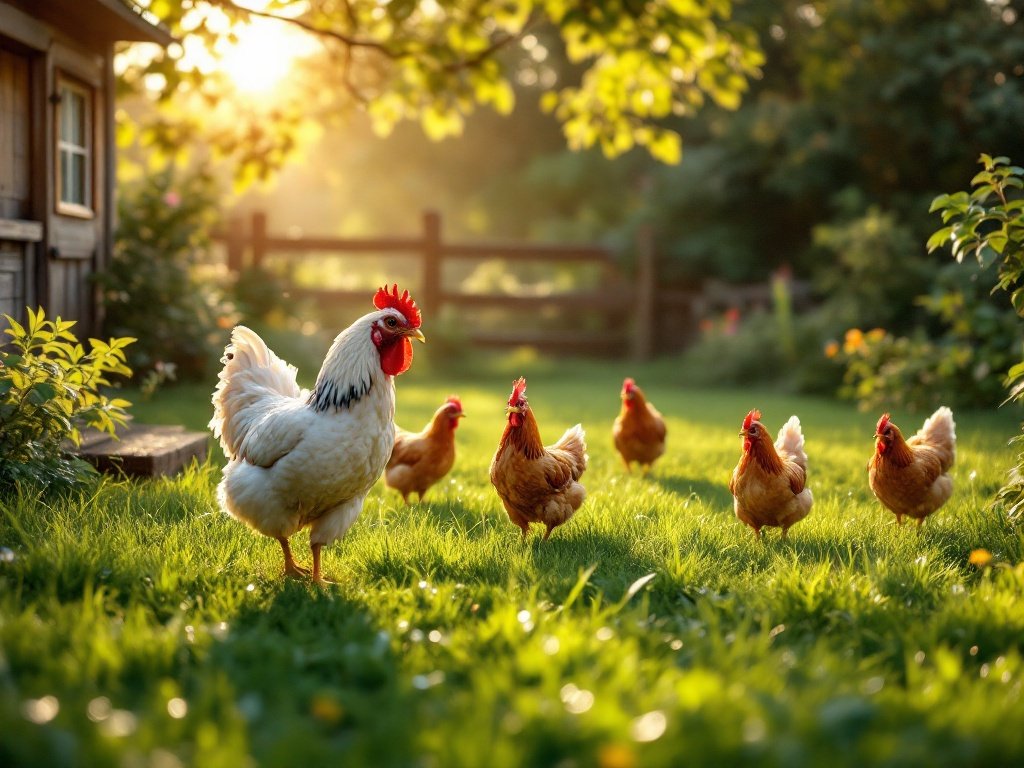
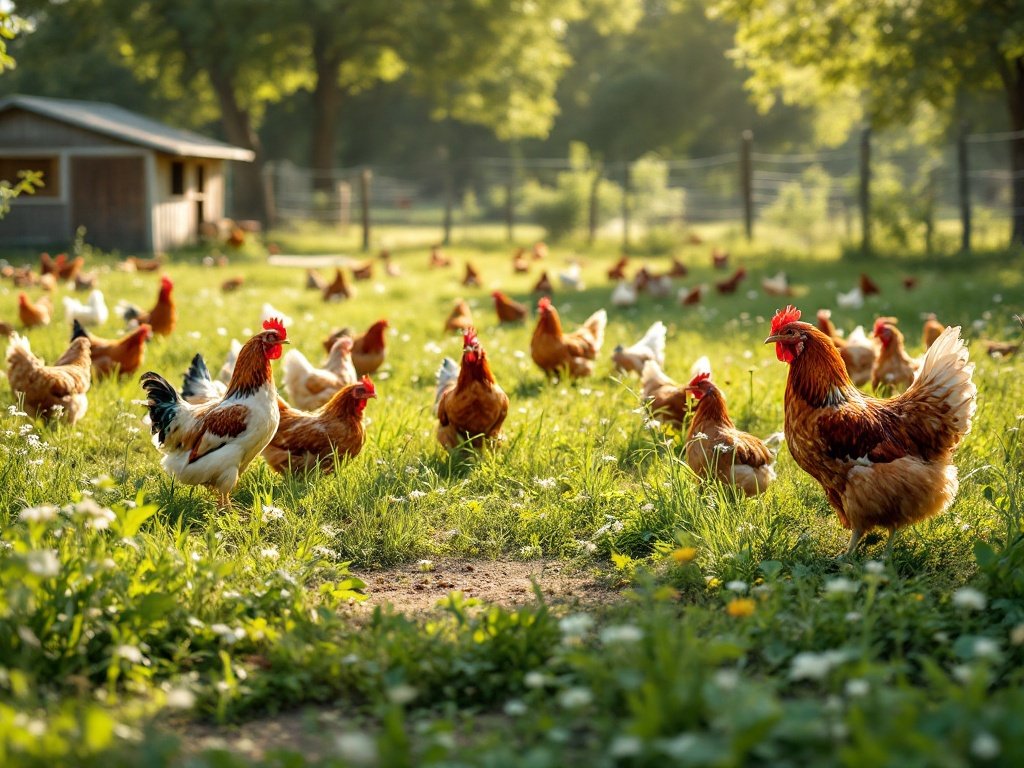
Supervised free ranging means letting chickens roam outside a fixed run or tractor while you or another guardian keeps an eye out—but it is not predator-proof. The most common free range risks fall into three categories: predation, injury, and escapes. Predation—attacks by hawks, coyotes, foxes, and dogs—remains the greatest threat, and injuries often occur during failed escape attempts or from incomplete fencing repairs. Escapes often happen when birds find a gap under the gate or dig through soft spots along the perimeter.
Research on livestock shows that predation losses can be significant, with coyotes and feral dogs often implicated in attacks. Injury rates from encounters or fence breaches hover around 2–4% of the herd, while escapes occur along roughly 1–2% of the fence line annually [Source]. Chickens are smaller and less robust, so these risks apply even more acutely to backyard flocks. Each of these issues leads directly to lost birds or expensive emergency vet care and repair bills.
Hidden Costs: What It Really Takes to Free Range Chickens Safely
Successfully learning how to free range chickens safely requires more upfront and ongoing investment than most guides admit. The real cost includes predator-resistant fencing, overhead netting for hawk protection, and, for larger pastures, one or more flock guardian animals. Fencing—whether woven-wire or high-tensile electric—can be expensive to install or replace, depending on materials, terrain, and labor. Adding netting for birds of prey adds additional cost, and guardian animals also add ongoing purchase and upkeep expenses. [Source].
Don’t overlook maintenance—routine inspection and minor repairs consume 2–4 hours per acre each month. If you neglect ongoing repairs, minor failures quickly snowball: gaps under gates, damaged netting, or a tired guardian will open the door to immediate losses. The financial impact of a single predator breach can rival the cost of materials, especially if repairs are put off.
For cold climates, proper winter setups matter just as much. Consider a winter chicken coop with a secure perimeter and a predator-proof automatic door for reduced manual labor and better security.
Overlooked Dangers: Regional Predators & Changing Threats
Most how-to guides skip over the regional variations in free range risks. For example, a setup that keeps chickens safe in suburban New England may fail dramatically in the Pacific Northwest or western ranch country. Predator populations do not distribute evenly—coyote, hawk, raccoon, or dog threats can cluster and shift seasonally. Failing to map your regional predator landscape will leave you underprepared for the most common and deadly threats. According to landowner and rancher feedback, annual fence and gate audits can help keep up with shifting animal populations and habitat use. [Source].
Many buyers want detailed local predator mapping and real seasonal advice, not just generic lists. Monitoring for gaps after storms, animal migrations, or population booms is essential. Ignoring this step is why so many flocks are lost even after significant investments in supposed “predator-proof” enclosures.
If you want a truly secure setup, see our predator proof chicken coop guide and consider the hardware cloth options discussed here.
Practical Prevention: What Works (and What Doesn’t)
To provide real hawk protection and predator deterrence, a multi-layered defense is non-negotiable for how to free range chickens safely. Fencing alone rarely stops aerial predators; netting adds a barrier but requires vigilance around edges and seams. Guardian animals—such as trained dogs or llamas—lower predation rates but only when bonded to the flock before first exposure [Source]. Failures often occur under gates, at fence corners, or when guardians wander, fall ill, or become aggressive themselves.
Emergency plans matter: Have backup shelter ready for bad weather, know how to quarantine the flock after a breach, and keep basic first aid supplies at hand. For a no-waste feeding strategy in open settings, try a no waste chicken feeder or an automatic system that holds up during brief unsupervised periods.
| Method | Strengths | Weaknesses | Ongoing Work |
|---|---|---|---|
| Fencing | Effective against most ground predators if maintained | Vulnerable to digging, storm damage, ground settling | Monthly inspection; rapid repair of breaks/gaps |
| Netting/Overhead Wire | Blocks hawks and some climbing predators | Expensive to install, must be checked after storms | Inspect for sagging or tears after weather events |
| Flock Guardian Animal | Active deterrent, flexible for varied threats | Requires bonding, regular health checks, risk of aggression or wandering | Daily presence and ongoing behavioral supervision |
Planning & Budgeting: How to Make Safe Free Ranging Work
Every property and flock is unique. Here are step-by-step actions for how to free range chickens safely, focusing on budgeting and monitoring risks:
- Map your specific predator threats. Ask local extension services or poultry groups for known predator types, and adjust your plan each season.
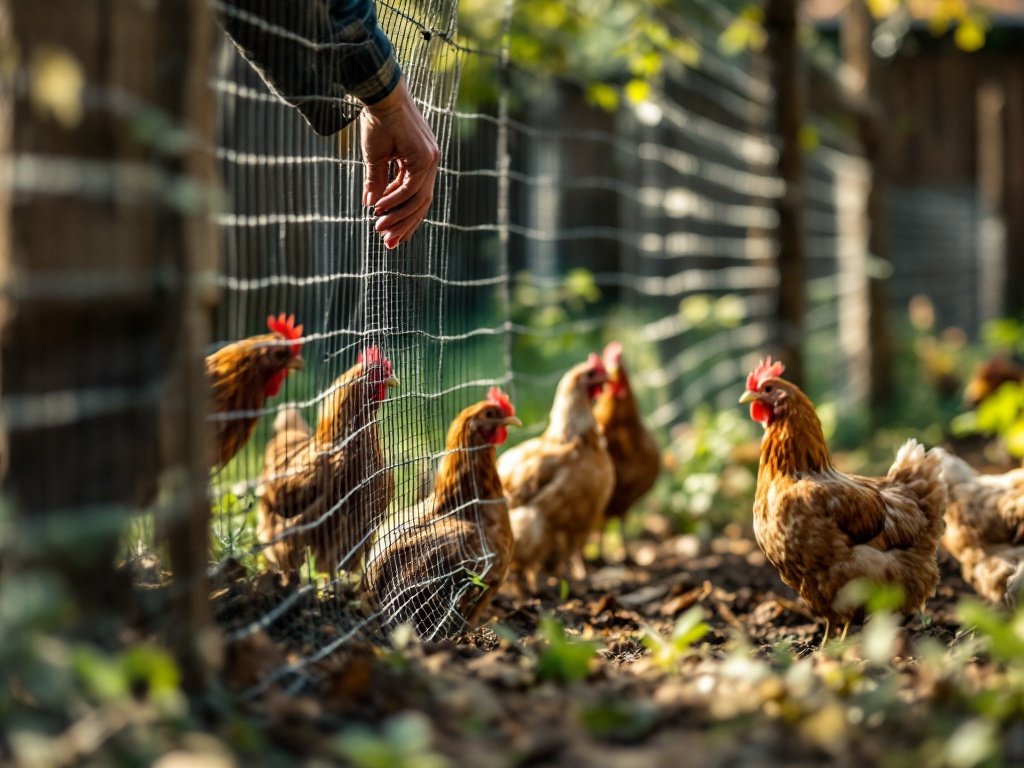
- Audit all barriers and gates. Inspect the perimeter—look for holes, low spots, and hidden weak points. Test the durability after each major weather event.
- Add multiple defenses. Use high-quality fencing, predator-proof runs, and mesh covers. Consider a secure chicken run for part-time containment or recovery after a scare.
- Budget for routine work. Expect at least 2–4 hours each month, per acre, for maintenance. Account for repairs, guardian animal upkeep, and upgrades as the flock grows.
- Plan emergency response. Keep backup shelter and first aid supplies, and revisit your predator audit and budget every year.
For tough flock integration challenges, see how to introduce new chickens to your flock.
Do not neglect a pre-mortem budget: tally expected costs for initial setup, yearly repairs, and potential emergencies. Review each season—predator populations and local weather can change fast, creating new vulnerabilities. Annual audits of your predator management, with adjustments for new threats, consistently improve survival rates [Source].
FAQ: How to Free Range Chickens Safely
How often should I inspect my chicken fencing and gates?
Inspect at least monthly during the active season, and after any storm, predator scare, or major temperature swing. Routine monitoring is key to catching minor damage before a loss occurs.
Are flock guardian dogs safe for small flocks?
Guardian dogs can be effective, but they must be properly bonded to the chickens before unsupervised exposure. Always monitor new animals for signs of aggression or wandering, especially around children and pets.
What’s the quickest hawk protection for a backyard flock?
The fastest solution is overhead netting or strong mesh stretched securely over the free range area. Ensure there are no gaps at the edges. For tiny flocks, a covered chicken run or supervised range time during midday is also effective.
How can I free range chickens safely during winter?
Keep winter ranges smaller and closer to the coop. Use draft-free, secure winter coops and automatic doors for extra safety. See our winter chicken care tips for cold-weather advice.
Do all regions have the same amount of predator risk?
No. Predator risk varies significantly by region and season. Mapping your local threats and doing seasonal audits will protect your flock better than one-size-fits-all plans.
Conclusion
Protecting your backyard flock is about more than letting birds roam—it’s about understanding the hard realities behind how to free range chickens safely. Only a layered, region-specific plan and realistic budgeting stand between you and avoidable losses. Take action today by mapping your predators, auditing your setup, and budgeting for routine maintenance. Your chickens—and your peace of mind—will be safer for it.
Ready to upgrade your free ranging? Start by reviewing your perimeter and see our guides on chicken run upgrades and predator-proofing for tailored next steps.
—