
As an Amazon Associate we earn from qualifying purchases. This article contains affiliate links; we may earn a small commission at no extra cost to you.
How to tell if a chick is a rooster is one of the top questions for backyard chicken keepers and small flock owners. Getting it wrong can mean unexpected crowing, wasted feed, or even breaking local rules—but most “easy” tips simply don’t work for all breeds or at every stage. You need a practical guide that actually matches real-world results.
Key Takeaways
- Most sexing methods are breed-dependent; only a few work at hatch, and most require waiting 3 to 8 weeks for reliable signs.
- DNA Sexing is now accessible and nearly foolproof—no vent sexing skills required for accurate results on any breed.
- Mistaking cockerels for pullets can cost time, feed, and peace in your neighborhood, especially if you rely on myths or breed-blind guides.
- How to Tell if a Chick is a Rooster: What Actually Works
- Sexing Chicks: Methods Compared (Feather, Vent, DNA)
- Breed Differences and Why Timelines Matter
- Real-World Problems When You Get Chick Sexing Wrong
- What Most Guides Miss: Three Gaps You Need to Know
- Quick Reference Table: Sexing Methods, Timelines, and Accuracy
- FAQ: How to Tell if a Chick is a Rooster
How to Tell if a Chick is a Rooster: What Actually Works
For backyard chicken keepers, the how to tell if a chick is a rooster challenge can define your flock’s success. Sexing chicks is genuinely tough, especially with standard (non-sex-linked) breeds. Most external signs are unreliable until at least 4 to 6 weeks of age. Roosters (cockerels) and pullets may look almost identical at hatch—except with specialty autosexing or sex-link breeds, where down color reveals gender as soon as they dry off.
The stakes are high: raising unwanted roosters can quickly cost you feed, peace with your neighbors, and egg-count reliability. This is extra true in areas with “no crow” rules. By the time combs and wattles grow large and red—usually at 10-12 weeks in most breeds—you might have invested months in the wrong birds. Getting it right early matters more than most guides admit.
According to research, for most breeds, the first truly reliable external signs appear between 3 and 6 weeks, while true autosexing or sex-link breeds can be distinguished at hatch by down color.
Sexing Chicks: Methods Compared (Feather, Vent, DNA)
When you want to identify pullet vs cockerel early, there are just a handful of realistic options. Below is a breakdown of visual methods you can try at home, plus professional and lab-based techniques.
1. Down Color (Autosex and Sex-Link Breeds Only)
Some hybrid or autosexing breeds—such as Cream Legbars or certain Red/Black Sex-Links—show sex by down color immediately. In these, male chicks are a different color or pattern than females. If you don’t have a listed sex-link breed, this method won’t help.
2. Feather Sexing (Early Feather Development)
Feather sexing compares the shape and length of wing feathers on day-old chicks. Success depends completely on the genetic lines: in the right breeds, females feather faster than males. Accuracy can be high with proper genetics, but it does not work for breeds without the needed feathering gene. This method is free, but if your chicks don’t have the gene, it tells you nothing.
3. Vent (Cloacal) Sexing
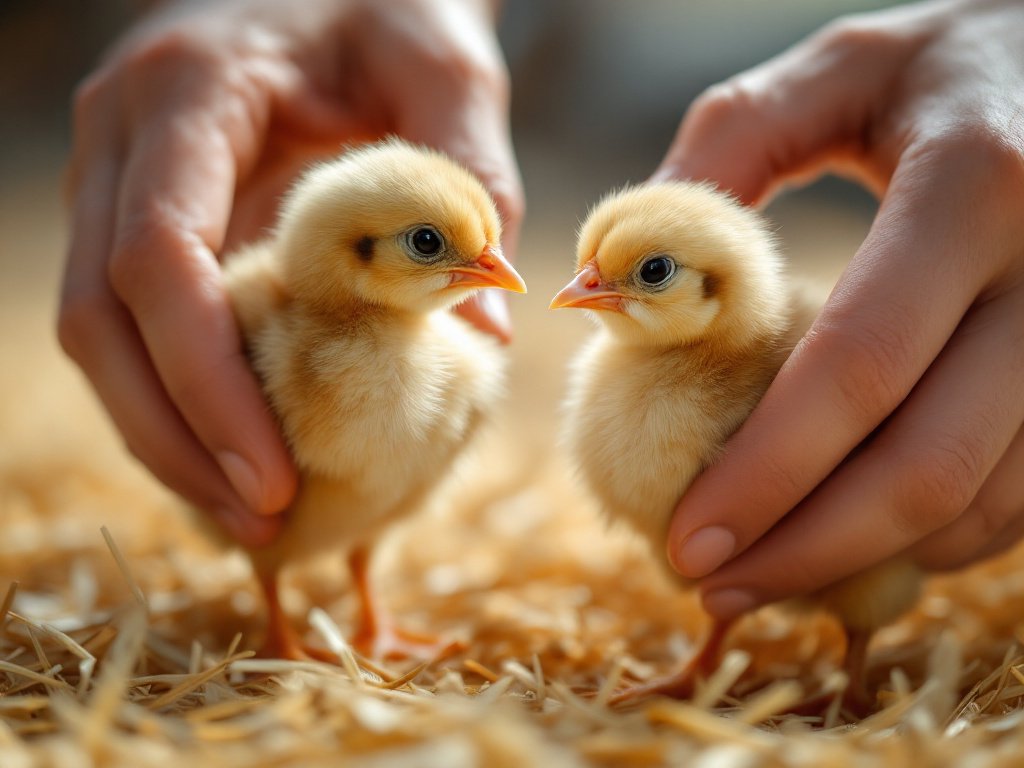
Vent (Cloacal) Sexing means inspecting the chick’s vent (the cloaca) for microscopic differences. Highly skilled technicians (often in hatcheries) can separate male from female this way, with reported accuracy of about 98% in trained hands and a cost that is mainly labor-based for commercial operations.
However, vent sexing is very challenging for hobbyists without formal training. Novices routinely get it wrong 50% of the time, and you risk harming the chick. For home flock owners, this isn’t usually a safe or practical method.
4. DNA Sexing (Feather or Blood Sample)
DNA Sexing is becoming increasingly accessible—even for small-scale and backyard keepers. Send a sample (usually a feather tip or drop of blood on provided paper) to a lab. The accuracy can be very high on any breed, but published figures vary by method and lab; costs and turnaround time depend on the provider. Compared to the uncertainty and time spent “guessing,” it’s a practical solution for many owners today.
If you want a sure answer without learning vent sexing or waiting months, DNA tests provide conclusive results early, no matter your skill level or the breed genetics.
5. Visual Clues (Combs, Legs, Behavior, etc.)
Once chicks reach 3–8 weeks (breed-dependent), some differences emerge:
- Combs & Wattles: Cockerels often develop larger, redder combs and wattles earlier than pullets.
- Leg Thickness: Male chicks’ legs may look thicker or stockier.
- Posture & Attitude: Cockerels may stand taller, act “jauntier”, and grow more upright.
- Feather Shape: Pointy hackle and saddle feathers on the neck and back appear by 8–12 weeks on most breeds.
But these signs only become reliable after several weeks and can vary by breed, feed, and even weather. For many slow-developing breeds, the difference isn’t clear until 8 weeks or later.
Breed Differences and Why Timelines Matter
Not all chicks show pullet vs cockerel traits at the same age. In some heritage and ornamental breeds—like Cochins, Orpingtons, and Marans—visible differences arrive painfully late, sometimes 6–8 weeks or more. Rushed guesses can lead to high error rates—especially if you are depending on photos or breed-agnostic guides.
Expect to see these delays on classic brown egg layers and fluffy, slow-growing types. That means your early “pullet” might eventually crow or show saddle feathers long after you’ve bonded or even rehomed siblings. As noted, many popular breeds do not show clear feather, leg, or stance differences until 6–8 weeks or later.
For more about picking breeds best suited for simple care and clear sex differences, visit our guide on best chicken breeds for beginners.
Real-World Problems When You Get Chick Sexing Wrong
Misidentifying roosters causes real headaches for hobbyists. Many keepers who use only sight-based methods mis-sex chicks about half the time, often due to poor breed fit or slow development.
- Wasted Feed and Resources: Raising unwanted cockerels means spending time and money raising birds you need to rehome or cull, especially in city flocks.
- Egg Shortfall Surprises: Counting on future layers, only to find out months later that half are male, can ruin your backyard egg plan.
- Noise and Legal Trouble: Roosters crowing at dawn may bring neighbor complaints or even city violations if local bans exist.
- Emotional Frustration: Rehoming beloved birds is stressful, especially if you’ve already named your “pullets.”
Commercial hatcheries can maintain very high sexing accuracy due to years of practice and specialized chick handling, but this level of skill is not typically available to backyard keepers. The gap between pro and home accuracy is why more DIY flocks consider DNA Sexing today.
For a fuller look at the costs, risks, and how to control expenses, see our full budget breakdown at cost to raise chickens.
What Most Guides Miss: Three Gaps You Need to Know
If you search “sexing chicks” online, most how-to guides miss three critical issues that cost backyard owners time, money, and confidence.
- Breed-Specific Timelines: Guides often show “one-size-fits-all” feather or comb tips. In reality, breeds like Cochins or Orpingtons aren’t reliably sexable early. Always check what works for your breed.
- Method Accuracy and Costs: Many lists skip error rates and cost-per-chick comparisons, making it impossible to judge whether a “free” method is worth the risk.
- DNA Sexing Accessibility: DNA Sexing is now affordable and available for hobbyists—but many guides never mention it. It provides >99% accuracy, removing guesswork.
Need to keep feed costs down? Use our best chicken feeder no waste guide. If you’re starting with hatching eggs, see our best egg incubator for beginners for better chick management from day one.
Want a housing solution that suits pullets and cockerels alike till you’re sure? Try our tips for the best chicken coop for cold weather.
Quick Reference Table: Sexing Methods, Timelines, and Accuracy
Use this side-by-side table before deciding which method to use on your flock.
| Method | Who Can Do It | Works For | Age | Accuracy | Cost (per chick) |
|---|---|---|---|---|---|
| Down Color (Sex-Link/Autosexing) | Anyone | Sex-link/autosex breeds only | At Hatch | High (if breed applies) | Free |
| Feather Sexing | Anyone | Breeds with proper gene | Day-Old | 80–95% (if gene present) | Free |
| Vent (Cloacal) Sexing | Trained technician | Any breed | Day-Old | 90–98% (pro only) | Low (per chick, usually commercial) |
| DNA Sexing | Anyone (mail-in) | Any breed | Feather/Blood as soon as sample available | Over 99% | Low to moderate (lab fee) |
| Visual (Comb, Legs, Behavior, Feathers) | Anyone | All breeds | 3–8 weeks+ | Highly variable, often low before 8 weeks | Free |
For more on controlling unwanted rooster problems, check out our guide on how to introduce new chickens to a flock if you need to rehome or balance your birds.
Conclusion: Make Sexing Your Chicks Simple and Accurate
Learning how to tell if a chick is a rooster early gives you more control over your flock, feed, and plans for egg production. While seasoned pros have methods with high accuracy rates, true certainty for hobbyists now comes from breed-aware visual checks and reliable DNA Sexing. Always consider your breed, and don’t trust “one tip fits all” advice. When accuracy matters, invest in a proven method and choose guides that show error rates and timelines for your specific birds.
Stay one step ahead by bookmarking this guide, and explore our resources for starter supplies and smart flock management!
FAQ: How to Tell if a Chick is a Rooster
Can I tell if my chick is a rooster at hatch?
Only if you have an autosexing or sex-link breed. For most standard breeds, external differences are nearly impossible to see at hatch.
When do comb and wattle differences appear?
Typically, cockerels start to show larger, redder combs and wattles around 3-8 weeks, but this varies by breed and individual growth rates.
Is vent sexing safe for hobbyists?
No—vent sexing is only recommended for trained professionals, as mistakes can harm chicks and novice error rates are high.
How reliable is homemade feather sexing?
Feather sexing works well only for chicks that carry the right feathering gene. On those breeds, accuracy can be high, but on others it does not work at all.
Can DNA sexing be done at home?
Yes, you can mail a feather or blood sample from home. DNA sexing is over 99% accurate and now affordable for small flock keepers.
—