
As an Amazon Associate we earn from qualifying purchases. This article contains affiliate links; we may earn a small commission at no extra cost to you.
Stop chickens flying over fence is a challenge nearly every backyard chicken owner faces at some point. Escaping hens frustrate you, cost you money, and can strain neighbor relations. If you want real solutions for containment that won’t break the bank or risk flock health, this evidence-based guide covers what works, what doesn’t, and the tricks actual owners depend on.
Key Takeaways
- Most chickens are contained by a 5-foot fence, but strong fliers require 6 feet or higher to reliably stop chickens flying over fence.
- Clipping a single wing by trimming the longest primary feathers can prevent escapes, but must be done carefully and occasionally repeated due to feather regrowth.
- Owners report that improper clipping, insufficient fence height, and ongoing repairs are the top hidden pain points—choosing the best solution depends on breed, budget, and welfare needs.
- Why Do Chickens Fly Over Fences? Understanding the Challenge
- What Fence Height Actually Works? Real-World Specs
- Clipping Chicken Wings—Does It Stop Escapes?
- The Hidden Costs and Risks: What Owners Wish They Knew
- Which Solution Is Right For You? Decision Matrix for Flock Keepers
- Step-by-Step Wing Clipping Guide (With Safety Tips)
- FAQs and Troubleshooting: When Chickens Still Escape
Why Do Chickens Fly Over Fences? Understanding the Challenge
Chickens aren’t flightless—they’re just not built for distance. Still, many owners find certain breeds can escape even tall fences. Light-bodied chickens such as Leghorns, bantams, and Hamburgs often surprise new keepers: these birds can clear fences up to 6 feet or more. Heavier breeds like Orpingtons, Brahmas, and Australorps rarely manage more than a short hop—about 3 to 4 feet. But why do chickens try to fly over fences at all?
- They spot greener grass or bugs outside the run.
- Hierarchy drama: lower-ranking hens may flee more dominant birds.
- Boredom and lack of enrichment make escape seem attractive.
- Inadequate food, water, or shelter can lead to repeated escape attempts.

Understanding what motivates flight makes it much easier to select the right containment methods for your birds.
What Fence Height Actually Works? Real-World Specs
When owners want to stop chickens flying over fence barriers, the first instinct is higher fencing. But how high is “high enough”? Market wisdom—and real flock data—suggests these common benchmarks:
- 5 feet: Reliably contains most standard and heavy breeds. Great for budget-friendly containment and minimal complaints.
- 6 feet+: Needed for active, light-bodied breeds or if you have repeat escapees. Bantams and Leghorns often require this height.
- 3–4 feet: Seldom works for determined birds, unless wings are clipped.
Fence costs can add up fast. A standard perimeter with welded wire, chain link, or lumber can fall between about $10 and $30 per linear foot, depending on materials and local labor costs. So a modest 100-foot chicken run perimeter can run roughly $1,000 to $3,000. aviary mesh or bird netting for the top adds $5–$15 per foot, but can close gaps for agile fliers.
But height isn’t perfect. Some breeds simply see fences as an obstacle to overcome. It’s also not foolproof against diggers, predators, or clever climbers.
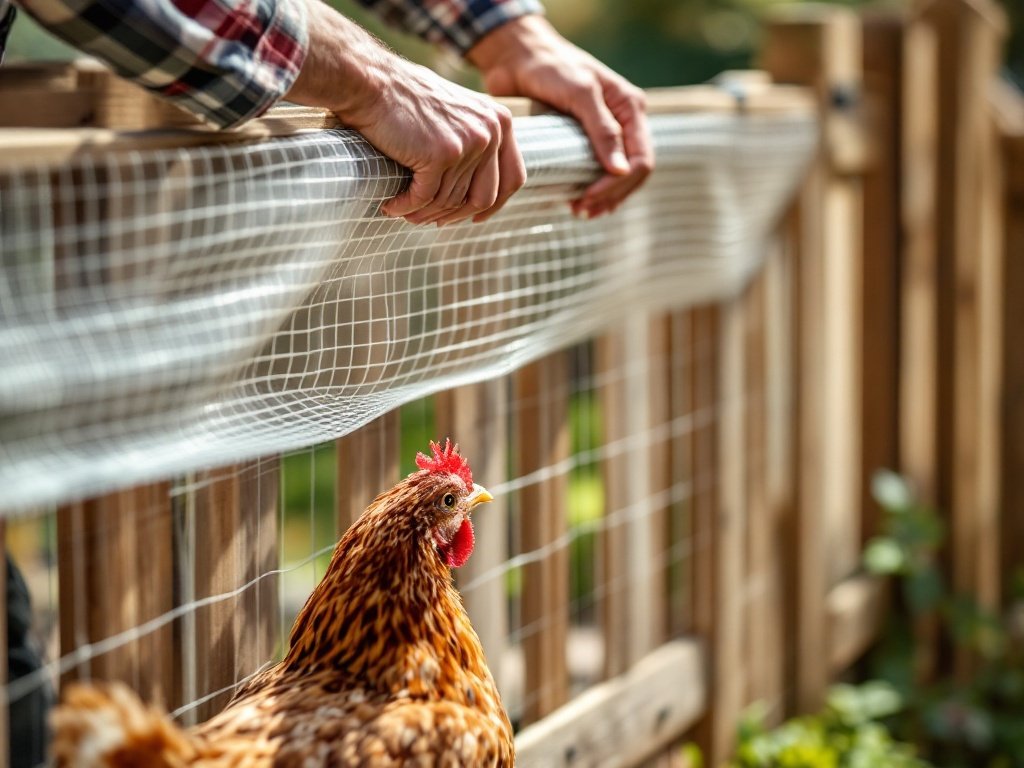
For those on a stricter budget, combining a 4-foot fence with proper wing clipping (see the next section) usually prevents all but the most athletic chickens from getting out. Make sure to routinely inspect for repaired sections and gaps—chickens are startlingly observant.
Looking for affordable, secure fencing option comparisons? See our guide to hardware cloth vs welded wire vs chicken wire for real owner feedback.
Clipping Chicken Wings—Does It Stop Escapes?
Wing clipping is the tried-and-true backup plan to stop chickens flying over fence lines. Done properly, it’s safe and painless—but don’t overdo it. Here’s what matters:
- Clip only one wing. This throws off their balance, making sustained flight difficult but not impacting everyday life.
- The most effective technique is removing just a couple inches from the longest primary feathers beneath the top cover feathers.
- Use sharp, clean clippers designed for poultry. Expect to spend about $10–$40 for proper tools or a modest grooming kit.
- Clipping should be repeated as needed, especially after molts or for young birds whose feathers regrow rapidly.
- Wait until birds are full-grown before clipping, if clipping is needed. Juveniles quickly outgrow a clipping and can still fly.
Owners emphasize: do not clip both wings or cut into blood feathers. Injury risk rises dramatically with improper technique. Many keepers avoid clipping for aesthetic or welfare reasons—but for persistent escape artists, it’s often the most reliable method.
Want a step-by-step? Jump to our Wing Clipping Guide at the bottom of this article or read more real-world tips here.
The Hidden Costs and Risks: What Owners Wish They Knew
Containment failures rarely make the glossy owner’s manuals. These are the most common pain points, according to actual flock keepers and chicken forums:
- Improper wing clipping causes pain or bleeding—never cut into the blood feather shafts under the top feather line.
- Feather regrowth after molting restores flight ability within weeks, necessitating repeat clippings.
- Fence or netting repairs and routine maintenance are ongoing costs often overlooked in initial budgets.
- Neighbor issues: tall fences can spark complaints about unsightly barriers or noisy, motivated escapees.
- Some breeds or individuals remain persistent escapees even with clipped wings and high fences.
| Containment Method | Reliability | Pros | Cons |
|---|---|---|---|
| 5-foot Fence | Works for heavy breeds; some active chickens escape | No harm, low maintenance | May not stop light breeds; repairs add up |
| 6-foot+ Fence | Covers nearly all breeds | Reliable, reduces escapes | Expensive; neighbor/aesthetic concerns |
| Wing Clipping | Effective if done right; needs repeating | Low cost, quick | Injury risk with improper technique |
| Top Netting | Stops all flight-based escapes | Predator bonus | Added cost, can sag or tear |
For even more practical tips on keeping your flock safe from escapes and predators, read our Predator Proof Chicken Coop Guide.

Which Solution Is Right For You? Decision Matrix for Flock Keepers
How do you choose between a taller fence, wing clipping, or both? Use this cheat sheet:
- Heavy breeds (Orpingtons, Brahmas): 4–5 foot fence, no clipping needed unless evidence of escapes.
- Light/active breeds (Leghorns, bantams): 6 foot fence preferred; add wing clipping for extra security or budget fences.
- Mixed flocks or unknown breeds: Start with 5 feet, monitor behavior. Use wing clipping only if escapes become frequent.
- Neighbors concerned about fence height or aesthetics: Lower fence with wing clipping, or supplement with decorative netting or lean-in wires. Plant shrubs for visual softening.
- Small yards or limited budget: Use a moderate fence (4–5 feet) combined with wing clipping, and inspect fencing weekly.
Explore chicken run upgrades for even more creative and space-efficient containment ideas.
Remember, a 100-foot perimeter fence can represent a significant upfront investment, while the recurring cost and handling skill for clipping may appeal to those on tighter budgets who prioritize chicken welfare and yard appearance.
Step-by-Step Wing Clipping Guide (With Safety Tips)
- Gather sharp, clean clippers (preferably those designed for poultry). Disinfect before use.
- Hold your chicken gently but firmly. Wrapping in a towel helps keep both bird and handler calm.
- Gently extend one wing. Identify the primary flight feathers—the longest feathers along the wing’s edge.
- Trim only the first 7–10 primary feathers, removing a couple inches past the tips, staying below the line of smaller, top cover feathers. Avoid cutting into the pinkish “blood” area.
- Leave the other wing unclipped to throw off balance during flight attempts.
- Return the chicken to the flock and observe for a few minutes to ensure normal walking and behavior.
If you’re nervous, this external guide shows visuals and extra pointers.
- Never clip both wings—chickens may still fly, but straighter and with greater effort.
- Do not cut feathers with visible blood shafts; wait until new feathers finish growing.
- Sanitize tools between birds to prevent infections.
- Clipped feathers regrow after a molt, meaning you’ll need to repeat the process periodically (especially in younger birds).
For more winter flock care tips after clipping, read our resource on how to keep chickens warm in winter.
FAQs and Troubleshooting: When Chickens Still Escape
Why are my chickens still escaping even after wing clipping?
Some breeds and highly motivated individual chickens can still clear fences, even post-clipping. Double-check your technique: clip only the longest primary feathers, not the entire wing. If escapes persist, combine moderate fencing with netting or other above-fence deterrents, like angled wires or flutter tape. Persistent escapees are a common real-world frustration.
Will wing clipping hurt my chickens?
Not if done correctly. Only cut the non-vascular part (white, mature portion) of the feather. Never clip above the cover feather line or into a shaft with blood. Most chickens tolerate the process well.
How often do I need to repeat wing clipping?
Feathers regrow after a molt or in younger birds. Check your flock every month or two—if the clipped feathers have grown back, repeat the process as needed.
What’s the cheapest way to stop chickens flying over fence barriers?
Combine a moderately tall fence (4–5 feet) with proper wing clipping for light breeds. Supplement with visual deterrents like shiny tape or lean-in wires if escapes continue. Regularly inspect for gaps or repair needs to maintain containment.
Is there a fence style that keeps predators and chickens contained?
Yes. heavy-gauge hardware cloth or welded wire, sunk into the ground, keeps both chickens in and predators out. Topping the run with aviary netting helps for strong-flying breeds. Read our full Predator Proof Chicken Coop Guide for more details.
Conclusion
Escapes are frustrating, but you can stop chickens flying over fence boundaries with the right approach for your flock and budget. Evaluate your breed’s flying ability, the real cost of taller fencing, and the practicality of occasional wing clipping. Stay vigilant, address boredom, and don’t hesitate to blend solutions for your peace of mind. Ready for more flock care success? Start upgrading your run or try a safe wing clip today.
Sources
- Hen and Roost: How to Keep Chickens from Jumping Fence
- Chicken Starter: How To Stop Chickens From Flying Over The Fence
- Chicken Coop Company: Can Chickens Fly?
- Backyard Chicken Coops AU: How Do I Stop My Chickens From Getting Over My Fence?
- YouTube: How To Keep My Chickens From Flying Over The Fence