
As an Amazon Associate we earn from qualifying purchases. This article contains affiliate links; we may earn a small commission at no extra cost to you.
Stop chickens pecking each other is a challenge every backyard flock owner faces sooner or later, whether you keep two hens or fifty. Feather picking, pecking order fights, and chicken bullying not only damage your birds—they also hurt egg production and make chicken-keeping less enjoyable. Solving it requires practical, welfare-friendly fixes that address the real issues, from coop space to feeding to boredom—and it pays to know what actually works, what it may cost, and which products to avoid. Let’s dive in.
Key Takeaways
- Feather pecking and bullying almost always trace back to overcrowding, poor nutrition, lighting stress, heat, or boredom—tackle these first.
- Effective remedies blend more space, better feed, correct lighting, environmental enrichment, and anti peck spray—with typical upgrades often running several hundred dollars, depending on flock size and coop condition for most backyard flocks.
- Many commercial solutions have downsides—sprays can be smelly or short-lived, toy quality varies, and product returns are inconsistent, so make choices carefully.
- Why Do Chickens Peck Each Other? (Understanding Feathers, Pecking Order & Bullying)
- Common Causes and Warning Signs of Feather Pecking & Aggression
- How to Stop Chickens Pecking Each Other—Remedies with Real-World Costs & Specs
- Top Real-World Problems with Anti-Pecking Products & Coop Upgrades
- What Most Guides Miss: The 3 Overlooked Factors in Stopping Chicken Bullying
- Quick Reference Table—Fixes, Costs, and Effectiveness at a Glance
- Conclusion
- FAQs
Why Do Chickens Peck Each Other? (Understanding Feathers, Pecking Order & Bullying)
Chickens naturally establish a hierarchy, or “pecking order”, using gentle pecks and body language. This maintains group stability and explains why the top hen always grabs snacks first. Most pecking is normal—quick, harmless reminders of rank. But ongoing feather pecking, drawing blood, or driving some birds from feed and water crosses the line into chicken bullying. Chronic aggression damages flock health, and ignores the real root causes.
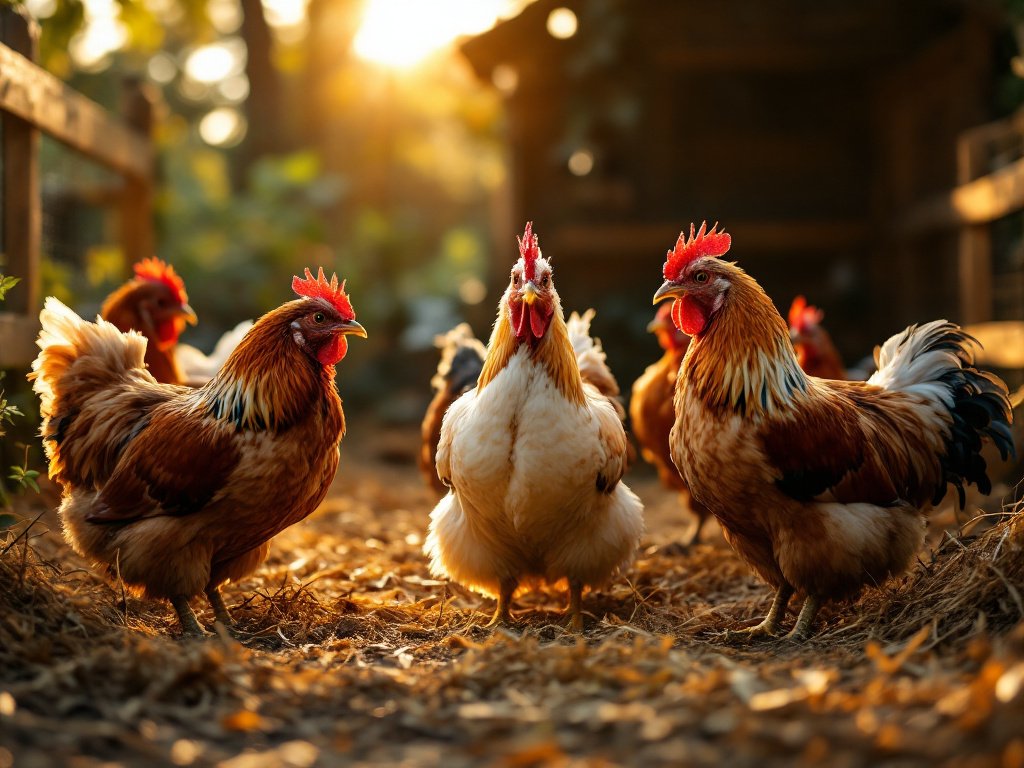
The main triggers behind feather pecking and aggression are stressors: overcrowding, inadequate diet, lighting problems, excessive heat, and a lack of things to do. Chickens evolved to roam, scratch, forage, and dust bathe. When those options vanish or hormones and competition spike, frustration spills out as vicious pecking. Industry standards recommend at least 4 square feet per bird in the coop and 10 square feet in the run to keep tempers down. Lighting out of balance, poor nutrition, and other environmental pressures also trigger outbreaks.
To really stop chickens pecking each other, you have to dig into “why”, not just treat symptoms. Read on for signs, solutions, and buyer’s notes most guides miss.
Common Causes and Warning Signs of Feather Pecking & Aggression
So how do you recognize a pecking problem before injuries or egg losses mount? Start by watching for these common causes and the telltale clues:
- Overcrowding: Less than 4 sq ft per bird in the coop, or 10 sq ft in the run? Watch for sudden patches of missing feathers, open-wound injuries, and sometimes a rapid dip in egg laying. (Source)
- Poor Nutrition: Thin birds, pale combs, ragged feather patches, and smaller, fewer eggs signal dietary issues. Not enough protein (about 16% for typical laying hens), minerals, or continuous access to feed and water?
- Lighting Stress: Key signs are hyperactive or frantic pecking bouts, feather stripping, and drop in egg output. Bright or poorly managed lighting on long timers or erratic schedules can trigger conflicts. (Source)
- Heat Stress: Birds panting, holding wings out, plucking feathers from their own backs, or sluggish laying at temps above 80°F.
- Boredom/Lack of Enrichment: Tail feather picking, gradual feather loss, and lower egg yields. Flocks in bare pens become restless and aggressive.
When coop or run space falls below 4 ft² per bird in the coop or 10 ft² per bird in the run, owners report up to 30% reduced egg output, widespread feather loss, and more open wounds. (Source) Recognizing these patterns early is key—preventing escalation is far easier (and cheaper) than fixing severe injuries.
Also rule out other causes like molt, parasites, or hen-to-rooster feather loss to ensure you’re addressing genuine pecking order aggression and not a different health problem. Stubborn cases may require changing out a rooster, upgrading coop design for weather, or integrating new flock members carefully. (Here’s how.)
How to Stop Chickens Pecking Each Other—Remedies with Real-World Costs & Specs
Once you pinpoint the main trigger, it’s time for concrete solutions. Here’s what you really need—and the typical costs for a backyard flock:
- Add Space: Expand to prefab 4-bird coop and 10 ft² per bird in the run. A basic prefab 4-bird coop runs about $150–$250; adding welded-wire run fencing and groundcover (woodchip or sand) costs $30–$60 per 100 square feet.
- Double Feeders/Waterers: One feeder and one waterer per 10 birds (each $15–$25). Automatic chicken waterers simplify flock hydration, especially in summer—compare options here.
- Boost Perch Space: Chickens need 12 inches of roost per bird. Standard 2-by-4 bars ($20–$60) stop squabbles and keep all hens off the floor at night. Find installation tips at this guide.
- Upgrade Nutrition: Use a layer feed with 16–18% protein (5-lb bag $12–$20). Supplement with mineral-rich flock blocks ($8–$12 each) and ensure water is always available. Explore top feeds here.
- Lighting Correction: Switch to 40 W (or less) red spectrum bulbs ($5–$12 each) set for 14–16 hours, with a timer ($15–$25), and intensity of 0.5–1.0 foot-candle. See lighting setups for winter here.
- Prevent Heat Stress: Install shade cloth (2×4 ft panel, $10–$20), shallow water stations with ice ($0–$5), and improve ventilation—small exhaust fans or louver windows ($30–$70). More hot-weather tips here.
- Enrichment & Anti Pecking: Add dust bath zones (sand/ash, 2 sq ft/bird, $15–$30), hang cabbage heads, DIY mirror toys ($5–$15), or buy commercial chicken toys (set of 3, $12–$25; see our list). As a last resort, try anti peck spray ($8–$20/bottle, effect lasts 2–3 weeks). A flock block can also help—details in this external guide.
For most backyard flocks, these combined upgrades cost $370–$740. Most owners find this sufficient to stop chickens pecking each other, restore feathers, and return eggs to baseline.
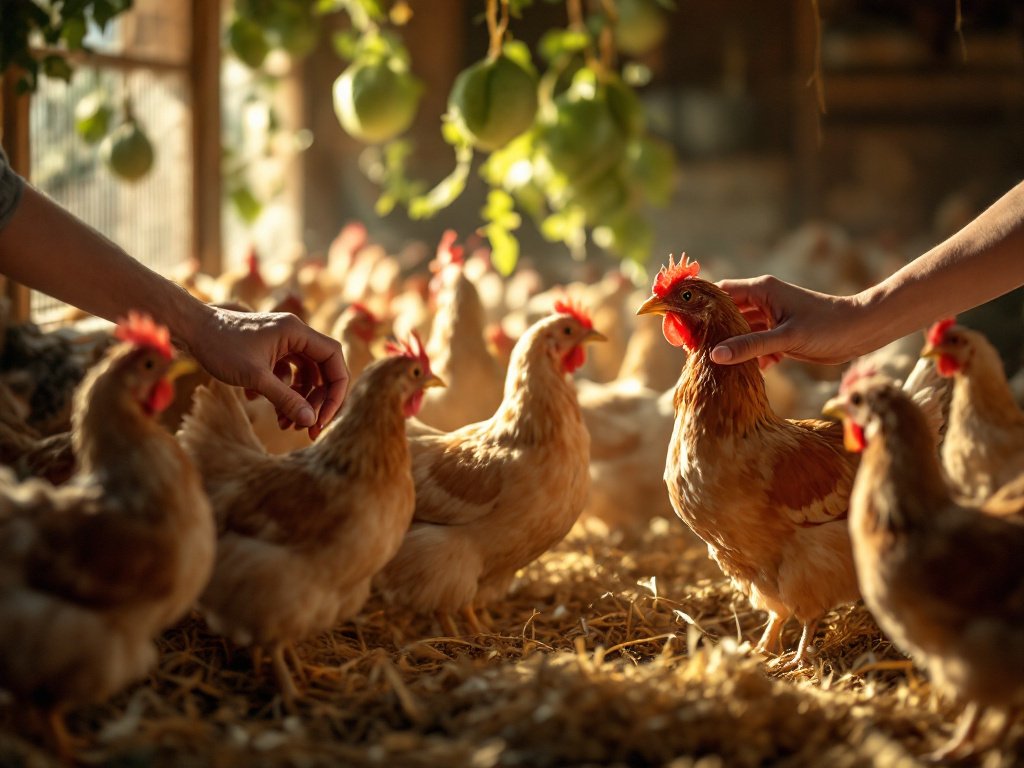
Always implement one change at a time and observe carefully. Document improvements—more eggs, fewer feather losses—and only add anti peck spray after environment upgrades if pecking persists. If all else fails, remove the worst bully for a week and then slowly reintegrate.
Top Real-World Problems with Anti-Pecking Products & Coop Upgrades
Many flock owners report frustration with products that promise quick results. Here’s a closer look at what to expect, and common complaints by product type:
| Product/Upgrade | Typical Cost | Common Problems | User Comments |
|---|---|---|---|
| Anti Peck Spray | $8–$20 (2–3 week use) | Strong odor, stains feathers, short-lived effect | Many say bitter taste deters only briefly; strong smell (especially tar-based) lingers in small coops; stains white plumage. |
| Dietary Supplements (Flock Block) | $8–$12/block | Messy, can attract rodents if not used rapidly | Some hens ignore blocks; others demolish overnight. Replacing blocks gets expensive fast. |
| Chicken Toys | $12–$25 (set of 3) | Plastic breaks, gets dirty quickly, or ignored by older hens | Mixed — chicks and pullets use toys more. Mirrors popular but need to be installed securely. |
| Extra Perches/Roost Bars | $20–$60 each | Hard to fit in small coops, may require work | Veteran owners warn: always measure first. Roost “crowding” quickly triggers pecking order fights. |
| Adding Shade, Fans or Windows | $10–$70 | Vent upgrades can be drafty in winter, fan noise disturbs hens | Lightweight shade cloth tears in wind; fans need safe mounting away from curious pullets. |
| Lighting Timer & Red Bulbs | $5–$25 | Frequent bulb burnout, tricky timer setup | Timers reduce aggression, but wrong light spectrum makes things worse. |
Anti peck sprays cost $8–$20 and last 2–3 weeks, but owners often dislike their strong odor and quick fade. (Source) Return/refund policies on consumables are inconsistent, so buy small to test first.
Feeding and toy upgrades aren’t always instantly effective—boredom busters may not appeal to all flock ages, and supplement waste may attract pests or cause mess. Roost and housing changes can boost welfare but may require a re-treatment of birds for injuries, and sometimes more than one improvement to fully resolve chicken bullying.
What Most Guides Miss: The 3 Overlooked Factors in Stopping Chicken Bullying
While almost every blog repeats space and feeding rules, most ignore these key elements:
- Breed Differences: Some breeds are higher risk for feather picking (e.g. Leghorns, Rhode Island Reds) while docile types adapt better to small backyards. Matching breed to your size and climate makes a huge difference in long-term harmony—see our beginner breed guide.
- Scientific Welfare Standards: Most how-to articles lack actionable benchmarks. Following guidelines of 4 sq ft per bird in the coop, 10 sq ft per bird in the run, nest box shares, and perch size is proven to limit aggression.
- Transparent Product Cost & Payback: Product costs add up. Bundled upgrades (space, feeders, toys, lighting, supplements, anti peck spray) can cost $370–$740, but preventing serious injury and restoring lost egg yield can often repay this investment over a single laying season.
Research-based sources like Extension services and animal clinics now highlight the limits of one-size-fits-all advice. Tailoring your strategy to your space, weather, breed, and budget is the best insurance policy for a peaceful coop.
Quick Reference Table—Fixes, Costs, and Effectiveness at a Glance
| Cause | Remedy (Specs/Products) | Impact on Flock | Cost (Range) | Time to Results |
|---|---|---|---|---|
| Overcrowding | Add coop space to 4 ft² per bird; expand run to 10 ft²/bird; add feeder & waterer (1 per 10 birds); more roosts | Stops injuries, boosts egg yield, reduces stress | $200–$375 | Several days to weeks |
| Poor Nutrition | Switch to 16–18% layer feed; add flock block; multiple waterers | Restores feathers, boosts laying, faster healing | $30–$80 | 1–3 weeks |
| Lighting Stress | Red bulbs ≤40W; 14–16 hr timer; soft lighting intensity | Limits hyper pecking, stabilizes laying | $10–$40 | Few days to weeks |
| Heat Stress | Add or move shade; increase water points; install louver window/fan | Reduces feather loss, prevents heat fatigue | $20–$90 | Immediate to several days |
| Boredom/Lack of Enrichment | Add dust bath, hang veggie toys, mirrors, flock block, anti peck spray (as needed) | Stops tail/vent pecking, calms flock | $25–$65 | Instant to several weeks |
| Total Estimate | All upgrades bundled | Full recovery, healthy flock & eggs | $370–$740 | Varies (typically weeks) |
In most flocks, expanding space, upgrading feed, fixing lighting, adding enrichment, and applying anti peck spray as a last resort reverses injuries and improves laying within a few weeks.
Conclusion
Chickens peck each other for reasons you can control: crowding, nutrition, light, heat, and boredom. Tackling these head-on with smart, evidence-backed upgrades stops chicken bullying, protects flock health, and keeps eggs in the basket. The focus keyword—stop chickens pecking each other—is about solving the whole system, not just applying sprays or gadgets. Ready to end chicken drama? Assess your setup, make one fix at a time, and document the results. Share your favorite remedy or challenge in the comments below!
FAQs
How do I know if chickens are just establishing pecking order or it’s a real problem?
Brief shoves or light pecking (no blood, no missing feathers) are normal. If you see repeated feather loss, open wounds, or birds hiding from the flock, it’s a chicken bullying issue that needs action.
Do anti peck sprays really work?
They help deter pecking short-term, but rarely fix the root issue. Owners report sprays like bitterex stop pecking for a few days to weeks, but strong odors and stained feathers are common.
What is the fastest way to stop hens pecking?
The quickest temporary fix is to separate the injured bird and use an anti peck spray when reintroducing. For lasting results, immediately add space, a second feeder/waterer, and some boredom-busting enrichment.
Can I use DIY boredom busters for my flock?
Yes. Hanging cabbage, old CDs/mirrors, or treat-dispensing toys work as well as store-bought chicken toys. Always check for sharp edges and secure everything safely.
Which chicken breeds are least likely to bully?
Docile breeds like Orpingtons, Australorps, and Brahmas are known for gentle personalities and do well in mixed-age or high-density backyards. Avoid adding aggressive breeds if pecking is already a problem.