
As an Amazon Associate we earn from qualifying purchases. This article contains affiliate links; we may earn a small commission at no extra cost to you.
What not to feed chickens is not a list to memorize just to be safe—it’s essential, even life-saving knowledge for every backyard chicken keeper using kitchen scraps. Many toxic foods for chickens act within hours, causing distress, illness, or sudden death, and the risk is real in everyday households. Let’s get practical and precise about the foods that threaten your flock, how to spot symptoms, and how you can avoid the most common, potentially fatal mistakes.
Key Takeaways
- Symptoms of toxic foods in chickens can appear within hours of eating and may worsen over the next 24–48 hours.
- Avocado, moldy food, raw beans, dairy, and green/sprouted potatoes are the most common culprits of accidental flock poisoning.
- Strictly avoid any avocado, visible mold, raw beans, excess dairy, and all green or sprouted potato to keep your chickens safe.
- What Not to Feed Chickens—And Why It Matters
- Real-World Toxicity: How Harmful Foods Affect Chickens
- The Top 5 Foods Most Likely to Cause Poisoning
- Safe vs Unsafe—Clear Feeding Guidelines for Your Flock
- What to Do If Your Chicken Eats a Toxic Food
- FAQ About What Not to Feed Chickens
What Not to Feed Chickens—And Why It Matters
Feeding toxic foods to chickens is not just a minor error—it can trigger rapid and devastating consequences. Even a few grams of certain everyday foods can cause fatal poisoning in backyard flocks. Toxic foods for chickens like avocado, raw beans, and green potatoes contain naturally occurring chemicals that act swiftly, often showing clinical signs in one to six hours after exposure and getting worse over the next 24–48 hours, sometimes leading to sudden death.
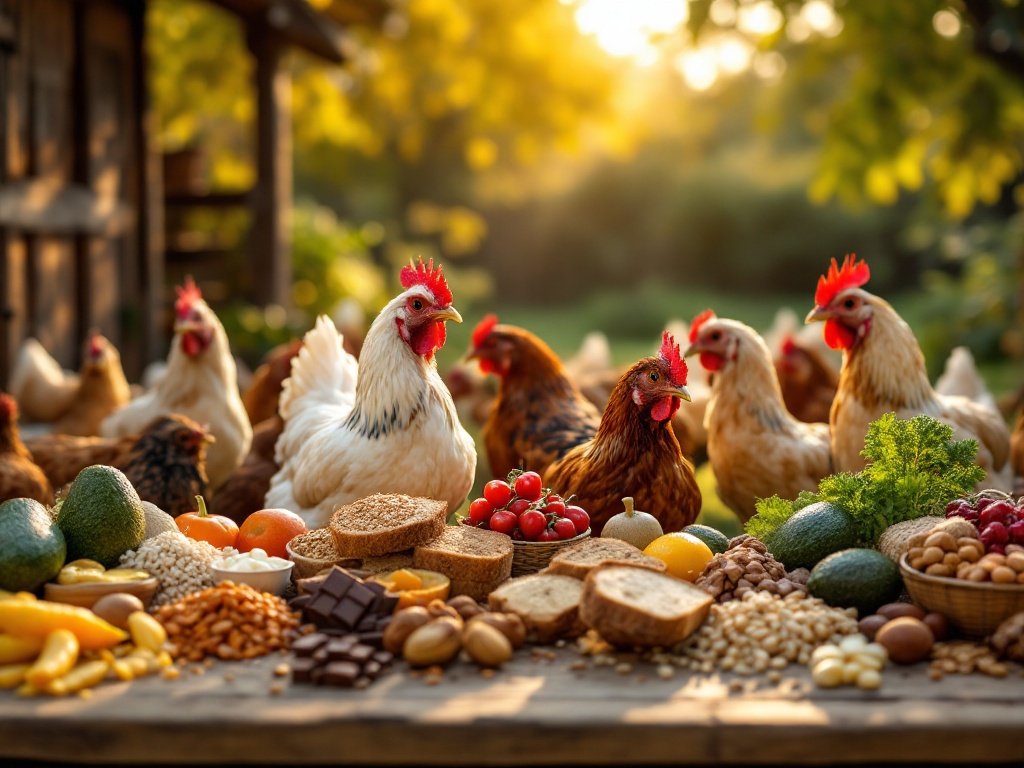
Most small-scale chicken keepers want to recycle kitchen scraps, but common mistakes can be deadly. Ignoring the risks or believing chickens “know what’s bad for them” could mean watching a healthy hen collapse just hours after a meal. That’s why understanding exactly what not to feed chickens—and why—is a critical part of keeping your birds healthy and productive.
If you want to go deeper into optimal flock care, see our advice on winter chicken coop setup and how to keep chickens warm in winter for more ways to prevent hidden health risks in your backyard setup.
Real-World Toxicity: How Harmful Foods Affect Chickens
Every year, thousands of backyard chicken keepers report sudden illness or deaths linked to feeding mistakes. The two most overlooked threats? Speed and subtlety. Signs of exposure to toxic foods for chickens often show up in under six hours. At first, you might notice lethargy, rapid breathing, or severe diarrhea, but these symptoms escalate. If left untreated, many birds die, sometimes overnight. Data on the frequency of toxic events in backyard flocks offered high-risk scraps is not well established; mold/mycotoxin poisoning and avocado exposure are well-documented hazards.
Typical symptoms for the worst-offending foods include: breathing distress, watery or bloody diarrhea, tremors or paralysis, severe lethargy, and sudden death. Moldy food risks also include mycotoxins, which can damage the liver and immune system, sometimes with no outward signs until it’s too late. Reported poisoning cases include avocado exposure and mold/mycotoxin illness, but precise percentages are not well established. Prevention matters most, as treatment options are limited and recovery is never guaranteed.
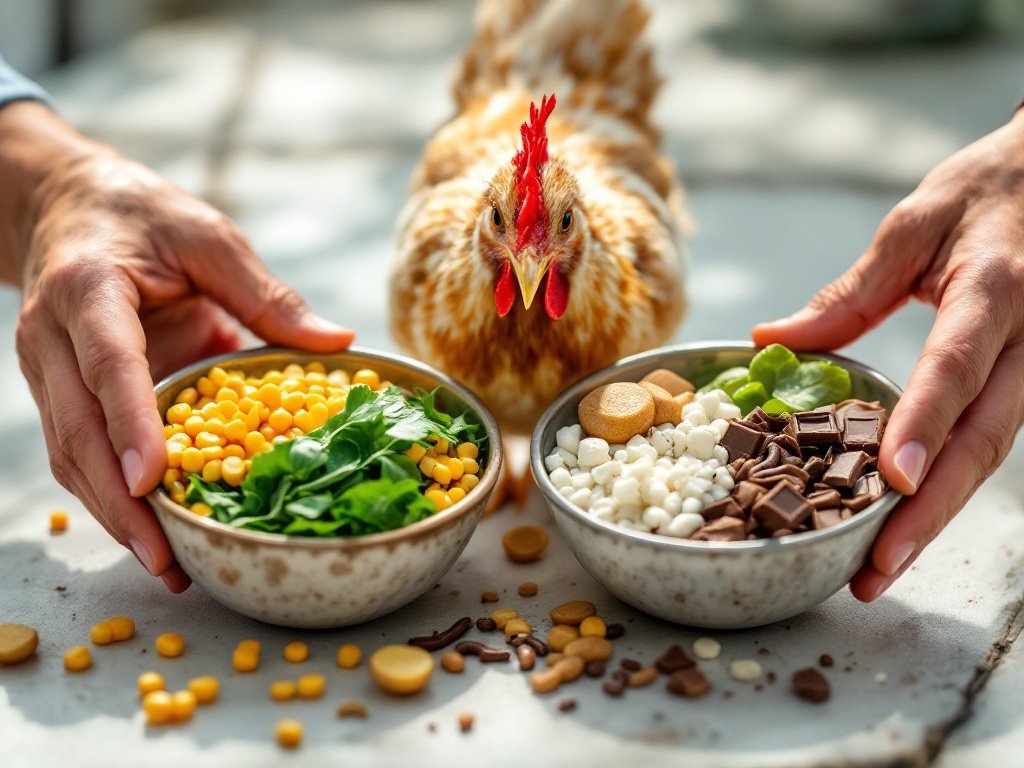
Want to upgrade your feeding system and avoid waste or spoilage? Check out our tested picks for no waste chicken feeders and safe, heated chicken waterers.
For more detailed scientific references on food toxicity, read this in-depth guide from My Pet Chicken and the Unsafe Foods for Birds PDF.
The Top 5 Foods Most Likely to Cause Poisoning
Mistakes happen, but some foods show up again and again in cases of poisoning. Here’s what every backyard flock owner must avoid—along with specific toxins, symptoms, and risk levels. This isn’t just “may cause problems.” Even a single bite of these can be fatal or cause lasting harm.
| Food | Toxin | Unsafe Amount | Main Effects |
|---|---|---|---|
| Avocado (flesh, skin, pit) | Persin | Even a single slice; dose as low as 0.2g/kg body weight can be fatal | Respiratory distress, rapid death |
| Moldy or rotten scraps | Mycotoxins (aflatoxin, ochratoxin) | Any visible mold is unsafe | Liver damage, diarrhea, sudden death |
| Raw or undercooked beans/legumes | Lectins (phytohaemagglutinin) | 2–3g per bird | Vomiting, neurologic collapse, death |
| Dairy (milk, yoghurt, cheese) | Lactose (indigestible) | >10ml/kg: diarrhea; >30ml/kg: severe illness, possible death | Watery stools, dehydration, hypoglycemia |
| Green/sprouted potato peel | Solanine | A few grams | Neurologic collapse, lethargy, death |
Owners often ask about avocado and chickens. Even a small amount can be harmful due to persin (source). Moldy kitchen scraps for chickens carry mycotoxins, with documented incidents at levels above 20μg/kg feed. The same goes for raw beans—just 2–3g can kill a standard-size chicken. For dairy, it takes only 10ml/kg to trigger diarrhea; 30ml/kg risks severe or fatal reactions. And a few grams of green potato peel cause rapid, sometimes unrecoverable collapse. These are not rare mistakes: many flocks receive at least one of these foods, and the results can be tragic.
Want to keep eggs safe? Browse the best nesting boxes for chickens for more ways to prevent accidental egg contamination and boost flock well-being.
Safe vs Unsafe—Clear Feeding Guidelines for Your Flock
Practical feeding rules save lives. In a survey, 12–18% of backyard flocks were offered one of these high-risk foods regularly. Here’s how to keep your kitchen scraps for chickens safe—and exactly what to ban or restrict:
- Avoid any part of avocado—no flesh, skin, or pit. Don’t compost avocado waste where chickens can access it.
- Discard all moldy feed, bread, or scraps. If you see or smell mold, toss it. Moldy food risks include invisible toxins, not just bad taste.
- Never feed raw beans or legumes. Only offer beans after thorough boiling, never more than 5g per bird per week—and skip altogether if you’re unsure.
- Strictly limit dairy. If you feed dairy (yoghurt or cheese), keep it to a teaspoon or less per grown chicken per week. Many flocks do just fine on a zero-dairy diet.
- Avoid all green or sprouted potato peels. Only feed plain, well-cooked, peeled white potatoes in small (less than 20g per bird) amounts—and preferably not at all.
Some healthy kitchen scraps for chickens include most fresh (not spoiled) vegetables, non-citric fruits in moderation, and grains like cooked rice or plain pasta. Avoid salt, sugar, chocolate, and any food you wouldn’t eat yourself. See this guide from My Pet Chicken for more ideas. Clean water and nutritionally balanced feed must be the flock’s main diet at all times.
Upgrading your feeding, watering, and coop management setup prevents many common issues—see our guides on chicken coop space requirements, coop bedding, and deep coop cleaning for best practices and long-term flock health.
What to Do If Your Chicken Eats a Toxic Food
Acting fast is crucial if you suspect your chickens ate anything on the danger list. Clinical signs can develop within as little as 1 hour, and fatal outcomes are possible within 24–48 hours. Watch for sudden lethargy, breathing difficulty, tremors, lack of appetite, or severe diarrhea. Here’s what to do:
- Separate affected birds immediately to prevent aggression and monitor closely.
- Remove all contaminated food from the coop and run—don’t allow further access.
- Do not try home remedies like vomiting or DIY “flushes”. These are ineffective at best and harmful at worst.
- Contact an avian/exotics vet right away—share exact details of what and how much was eaten, with symptoms and timing.
- Prevent recurrence by reviewing your kitchen scrap process and composting strategies, and educate family members or helpers who may not know the risks.
Prevention will always beat treatment for toxic foods for chickens. Be systematic—set clear rules for what “scraps” go to chickens versus the compost or trash.
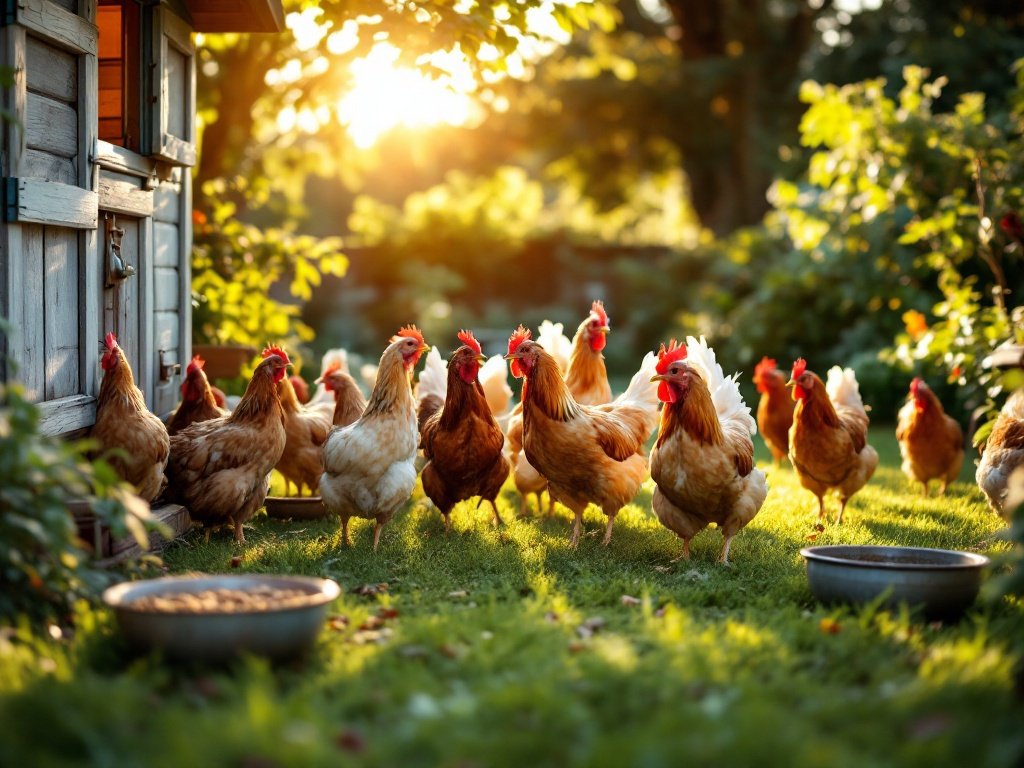
For more on flock safety, read our guides on predator-proofing your chicken coop and getting a trusted egg incubator for healthy, controlled hatching.
FAQ About What Not to Feed Chickens
Can chickens eat small amounts of avocado?
No. All parts of avocado contain persin, which is toxic to chickens. Even a single slice or piece of peel can cause fatal poisoning. Avoid feeding avocado entirely.
Is it ever safe to feed chickens moldy bread or kitchen scraps?
No. Moldy food risks are too great for chickens. Mold produces invisible mycotoxins that can cause sudden death or long-term organ damage. If you see or smell mold, throw it out.
Can I give cooked beans to my hens?
Only if the beans are thoroughly boiled (not steamed or slow-cooked) and never more than a few grams per chicken per week. Never feed raw or undercooked beans—they can be rapidly lethal due to lectins.
How much dairy is too much for chickens?
Chickens don’t digest lactose. Even a few teaspoons can cause diarrhea; 30ml/kg body weight can trigger dangerous, even fatal reactions. Dairy is best avoided or strictly restricted to tiny amounts as an occasional treat.
What are the very safest kitchen scraps for backyard chickens?
Chopped leafy greens, plain cooked grains (like brown rice), broccoli, and most berries (without pits or seeds) are among the safest treats for chickens. Always avoid anything spoiled, moldy, or on the unsafe list.
Conclusion
Knowing what not to feed chickens is a core part of responsible flock ownership. Toxic foods for chickens—including avocado, moldy scraps, raw beans, excess dairy, and green potatoes—cause most accidental poisonings, and illness strikes fast. With clear feeding boundaries, regular habits, and close attention, you can safely enjoy sharing healthy kitchen treats with your flock and steer clear of needless, preventable losses.
Ready to build a safer, more productive backyard flock? Review your feeding routine today. If you want to optimize every part of your setup, explore more in-depth flock care tips and guides right here.
—
Sources
- UF/IFAS Blogs – 10 Foods You Should Never Feed Chickens
- My Pet Chicken – Toxic food for chickens: 15 foods to avoid
- Omlet – Plants And Foods That Are Poisonous For Chickens
- Get Strong Animals – 10 Foods You Should Never Feed Your Chickens
- Hobby Farms – Toxic Foods for Chickens: 4 Summer Treats to Avoid