
As an Amazon Associate we earn from qualifying purchases. This article contains affiliate links; we may earn a small commission at no extra cost to you.
Why chickens stop laying eggs is a common headache for backyard flock owners and small egg producers. When hens not laying hits suddenly or drags on, it disrupts daily routines, impacts egg supply, and can cause surprise expenses. Understanding why this happens is key to getting eggs back on the table—fast.
Key Takeaways
- Short daylight hours, molting, advancing age, poor nutrition, and parasites are the leading causes behind hens not laying.
- Most egg production interruptions can be fixed with targeted actions—adjusting light, improving nutrition, and treating health issues.
- Many guides skip practical economic impact, parasite steps, and exact molt/feeding timelines. Filling those gaps gives real answers and helps save money.
- Why Chickens Stop Laying Eggs: The Real Causes
- Breakdown of the Major Factors (And How to Spot Them)
- Top Pain Points When Egg Production Fails
- Overlooked Issues: Filling the Gaps in Hen Health Advice
- Quick Reference: Troubleshooting Checklist for Non-Laying Hens
- Conclusion
- FAQ
Why Chickens Stop Laying Eggs: The Real Causes
Egg laying is a biological process driven by hormones, environment, and hen health. Sometimes, egg output declines for natural reasons—other times, the right intervention can get hens laying again. Common causes for hens not laying are reduced daylight, molting and laying cycles, the natural decline in older birds, nutritional slips, stress, and hidden parasite loads.
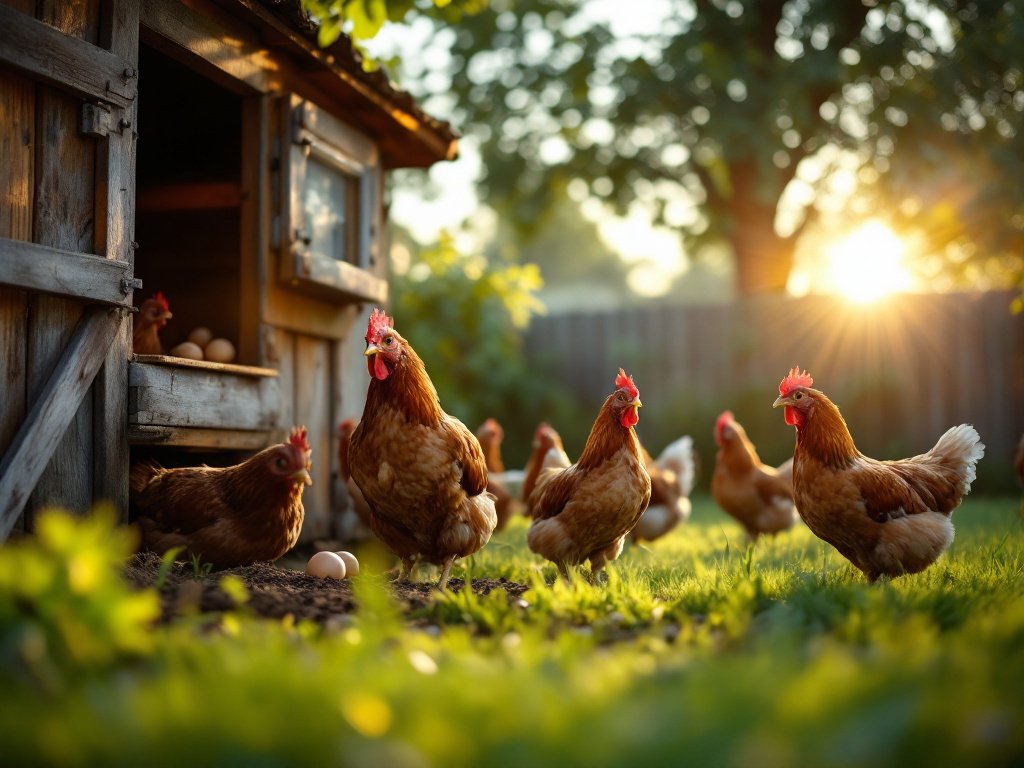
Reduction in day length is a major trigger. When day length falls below about 12 hours, the hormone cascade that drives egg formation drops, and production can decline as daylight decreases; the timing and extent vary among hens. Molting—a seasonal feather-shedding process—stops laying, with nutrient resources diverted from eggs to new feathers. Age is inevitable: hens peak at 7–8 months, then gradually slow, with good layers usually producing about 800 eggs by age 4. Parasites and poor nutrition both quietly erode egg output, often operating behind the scenes until a sharp drop becomes obvious.
The practical reality? Most cases aren’t mysterious. With careful troubleshooting, nearly every drop in egg laying can be traced to these specific root causes.
Breakdown of the Major Factors (And How to Spot Them)
Let’s break down the five main culprits and how to recognize (and fix) each one. Knowing what to look for helps you act fast and minimize lost eggs and costly mistakes.
1. Molting and Laying
Each year, hens experience a complete “molt” lasting several weeks. Egg laying stops, as nutrients like calcium and protein go toward rebuilding feathers. Recognize molt by patchy feather loss and scruffy appearance. Egg output stops for the several-week molt period and can be shortened by switching to a high-protein feed. The molt may take several weeks or longer, and the timing of resumed laying varies among hens. Budget for higher feed costs during this period.
2. Short Days and Winter Laying Drop
Chickens lay best with a steady 14–16 hours of light. Once autumn arrives and days shorten below about 12 hours, the hormone cascade slows and laying quickly drops. You can add artificial lighting in the coop to maintain winter production. The cost is a bump in utility bills, but often pays off in reliable eggs.
3. Advancing Age
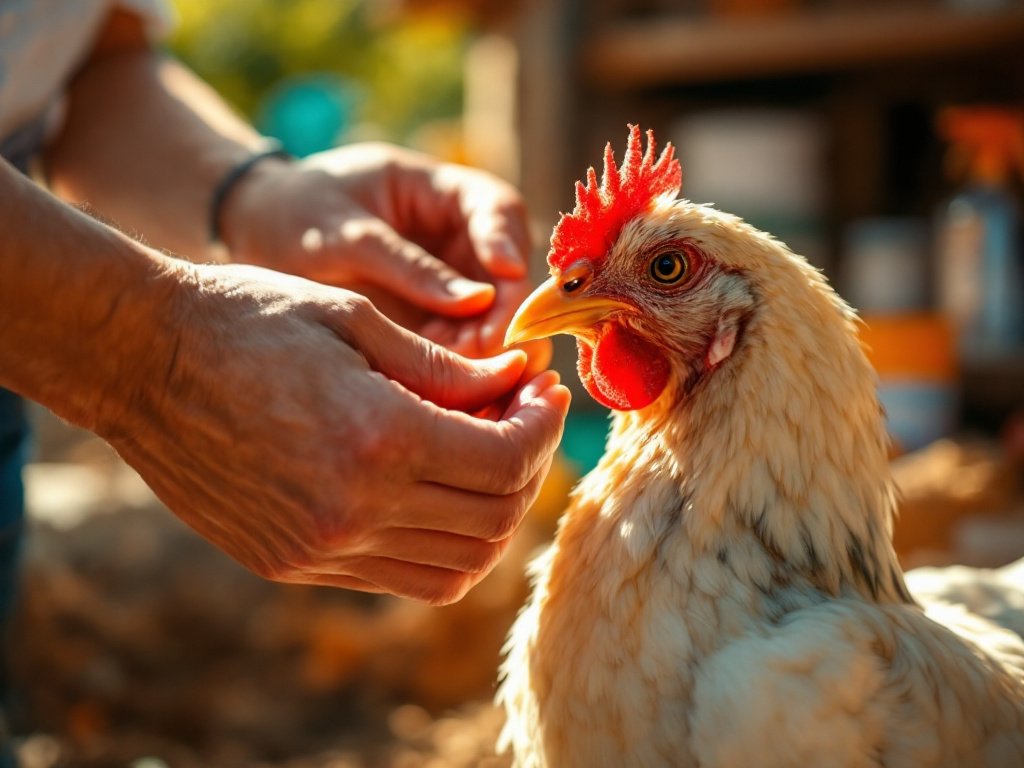
Most hens hit peak production their first two to three years. Productivity declines after that. Many hens will have produced egg production generally declines after the first few years, but the rate varies and some older hens continue to lay. Not all birds are the same, but do not expect endless eggs from aging hens. For steady output in mixed-age flocks, add new pullets yearly (see top egg-laying breeds here).
4. Parasites (Worms, Lice, Mites)
External and internal parasites stress birds and quickly reduce laying (and health). Dirty vents, pale combs, rough plumage, or listless behavior are all red flags. Address with proper deworming (chicken dewormers) and dust baths (get natural parasite control tips), especially if one or more hens lag behind.
5. Nutrition Problems
Diet is critical. Too many treats, kitchen scraps, or the wrong feed (starter, grower) can dilute nutrition. Laying hens need a calcium-rich, balanced diet; keep treats limited so they do not dilute complete feed. Shell quality softens first, then total output stalls. Fix by switching to a high-quality layer feed and offering crushed oyster shell or dedicated calcium supplements (full layer feed guide here).
Top Pain Points When Egg Production Fails
When hens stop laying eggs, the impact is quickly felt across the yard and wallet. Here are the biggest headaches owners face—and the hidden impacts that add up:
| Pain Point | Direct Cost | Action/Remedy |
|---|---|---|
| Lost daily eggs/income | Reduced personal egg supply, loss of local egg sales | Add new pullets yearly; recordlaying dates; cull when necessary |
| Lighting or heat expense | Higher electric bill for added light, risk of unsafe heaters | Install efficient LED lighting (winter coop lighting guide) |
| Extra feed, supplements | Cost of high-protein or calcium-rich feeds | Rotate treats, stick to premium layer feed; supplement as needed |
| Health interventions | Dewormer, parasite treatments, sometimes vet bills | Follow regular parasite protocols; dust bath, natural options here |
Owners feel the squeeze from both lost eggs and incremental costs (lighting, feed, health care). Time spent diagnosing non-laying also adds up. Handling stress and overcrowding contribute further—downsizing aggressive hens or increasing coop space may be needed (see space requirements).
Finally, don’t forget the heavy emotional toll—routine gets disrupted and frustration rises, especially for families depending on eggs for food or modest farm income.
Overlooked Issues: Filling the Gaps in Hen Health Advice
Most guides touch on basic triggers, but often skip over practical, actionable solutions or spend little time quantifying the downsides. Here’s what’s often left out—and what you need to know for a truly resilient flock:
1. Economic Impact of Non-Laying
What do missed eggs really cost you? While few sources list exact dollar figures, it’s clear that months of non-laying add up—especially at the “cost per dozen eggs” in home markets (guide to chicken costs). Add up extra feed expenses, lighting electricity, and supplement costs for a genuine big-picture view. This analysis helps you decide when to invest in interventions—or when it’s time to retire aging hens.
2. Parasite Identification and Protocols
Don’t stop at “treat for worms.” Identify whether your hens harbor external (mites, lice) or internal (roundworm, cecal worm) issues. Use fecal testing and visual checks (signs chickens have worms guide) to determine which specific remedy is needed. Always repeat treatments as parasites can be stubborn and reinfection from bedding is common.
3. Molt Timelines and Nutrition Formulas
Many blogs miss the details: molt timing and duration vary among hens and may last several weeks or longer. Hens benefit from feeds with 18–20% protein plus extra lysine; mealworms, black soldier fly larvae, and limited sunflower seeds assist recovery (what to feed during molt). Return to standard layer feed once eggs reappear. Monitoring by wing and tail regrowth lets you spot the return-to-laying window.
Quick Reference: Troubleshooting Checklist for Non-Laying Hens
Use this list to quickly diagnose and resolve the most common problems when hens not laying strikes your flock.
- Check age—are most hens over 3 years? If yes, consider flock rotation.
- Look for signs of molt—feather loss, pin feathers, or scruffy birds. Switch to high-protein feed if molting.
- Count daylight hours in the coop. If under 14, add a safe, timer-controlled light for 14–16 hours.
- Inspect for external parasites: look at skin, vent, feathers. Treat with appropriate dust or oral dewormer.
- Review nutrition—are you giving a balanced layer feed (not just scratch or scraps)? Enforce 90/10 feed-to-treat rule.
- Provide free-choice calcium (crushed oyster shell or similar) daily. Hens need about 4 grams a day—lack shows up as thin shells or none at all (soft shell egg causes).
- Assess stress—overcrowding, predators, or major changes? Resolve by upgrading coop space (best cold-weather coops) or isolating aggressive birds.
Run through this checklist as soon as laying drops. How quickly laying resumes depends on the cause; some issues may take longer to resolve.
Conclusion
Understanding why chickens stop laying eggs demystifies a problem that every backyard keeper or small farm faces. Tracking key triggers—short days, molt, aging, nutrition, and parasites—lets you take quick, targeted steps and avoid months of frustration and lost eggs. Take action based on these practical steps and checklists and keep your flock healthy, productive, and a core part of your home routine. If you want even more hands-on tips for winter or next-level upgrades, start here with smarter feeders or discover winter chicken care essentials.
FAQ
How long does it take for hens to start laying again after molting?
Most hens will stop laying completely during the molt, which lasts about 3 to 8 weeks. With high-protein feed and low stress, eggs often return soon after feather regrowth is complete.
Can supplemental lighting really restart winter egg laying?
Yes—hens require 14–16 hours of light to sustain laying. A safe, timer-controlled LED bulb in the coop can maintain or restore egg production through winter’s short days.
What are the signs my hens have parasites affecting laying?
Pale combs, dirty vents, rough or missing feathers, weight loss, and low energy are common signs. Check for lice or mites visually and consider fecal tests for internal worms. Early treatment restores laying and prevents spread.
Do treats and kitchen scraps harm egg production?
If treats exceed 10% of the diet, hens may not get enough calcium and protein for sustained laying. Use the 90/10 rule: at least 90% of calories from quality layer feed ensures eggs keep coming.
Should I keep old hens that have stopped laying?
That depends on your priorities. Hens older than 3–4 years lay less, but some keepers value them as flock leaders or pest controllers. For those depending on egg output, rotating new pullets in yearly is the best way to maintain steady production.