
As an Amazon Associate we earn from qualifying purchases. This article contains affiliate links; we may earn a small commission at no extra cost to you.
Best layer feed for chickens is the number one factor affecting your flock’s egg output, shell quality, and overall health—getting it right is crucial whether you keep a few backyard hens or manage a small hobby farm. Confused by feed labels, forms, and ingredient lists? This guide breaks down the science and real-world strategies so you can confidently choose and troubleshoot the right laying hen feed for peak production.
Key Takeaways
- The best layer feed for chickens delivers at least 16% protein, about 3.25–4% calcium, correct phosphorus, and the right energy plus complete vitamins and minerals for strong shells and high egg yield.
- Pellets minimize feed waste for adult layers, while crumbles are easier for younger birds—but feed form should always match your hens’ age and needs.
- Common egg and shell problems are usually solved with adjustments in calcium, protein, vitamin D3, feeder hygiene, and choosing the best layer feed type for your flock.
- What Makes the Best Layer Feed for Chickens?
- Understanding 16 Percent Layer Pellets (and How They Compare)
- Common Problems with Layer Feeds (and What They Tell You)
- How to Prevent Feed-Related Issues in Your Flock
- Crumble vs Pellets: Which Feed Form is Right for Your Hens?
- Quick Reference: The Best Layer Feed Specs
What Makes the Best Layer Feed for Chickens?
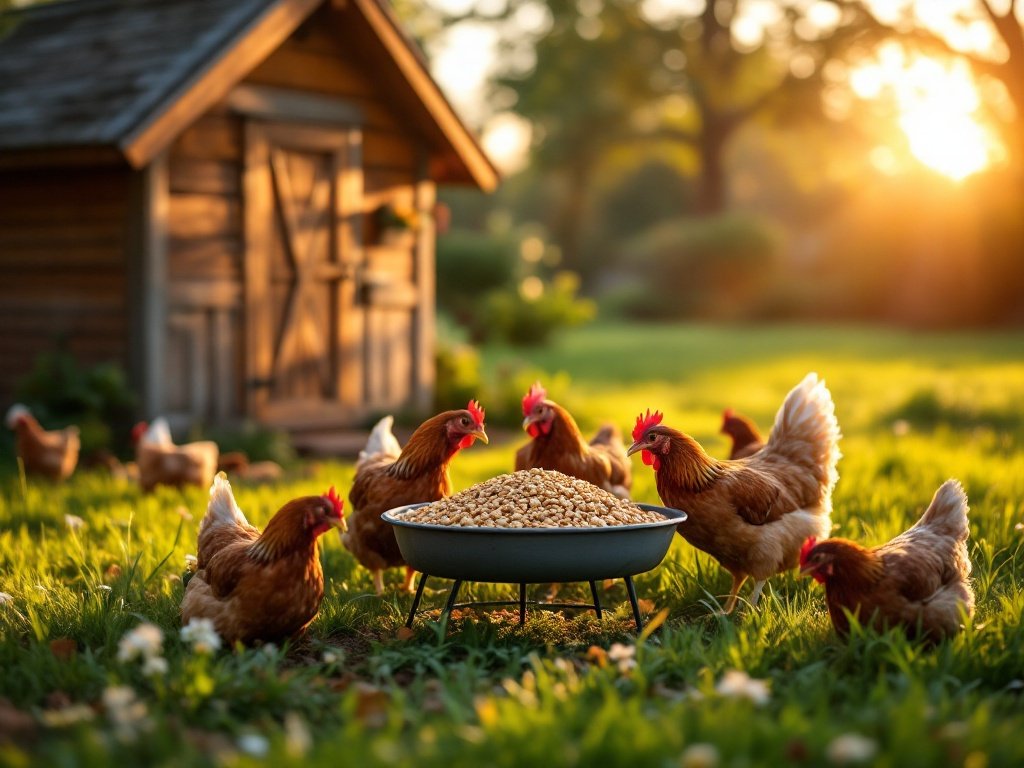
The best layer feed for chickens delivers more than just protein—it’s a balanced formula designed to meet all the needs of mature laying hens. Focus first on these core nutrient specs: crude protein should be no less than 16%, with 18% sometimes used during high production, stress, or molt. Calcium must be between 3–4% to ensure strong shells and protect hen bones. Phosphorus, critical for both shell and skeletal strength, should hit 0.4–0.5%, with a calcium-to-phosphorus (Ca:P) ratio of about 2:1 for optimal absorption (OSU Extension). The best laying hen feed typically provides about 2,800–2,900 kcal/kg, supporting both activity and egg formation. Full-spectrum vitamins and trace minerals, most importantly vitamin D3, are also essential since D3 unlocks calcium’s value inside the hen’s body. Without those standards, even high-quality ingredients can’t ensure consistent egg size or shell quality.
Getting the nutrient specs right is step one—but for sustained results, make sure your feed’s ingredient quality, grind size, and freshness align with your feeding system and local conditions. As hens’ output and environment change over the year, so may their requirements for certain nutrients, so monitor regularly and be ready to adapt.
Understanding 16 percent layer pellets (and How They Compare)
Standard 16 percent layer pellets are the default choice for backyard and small farm flocks for good reason—they offer dense nutrition and uniformity, making it easy to deliver all essential protein, calcium, phosphorus, energy, and vitamins in every bite. Pellets reduce waste because hens can’t sort through and pick out tasty bits, unlike loose feeds or crumbles; this means more balanced intake and less powder left behind. Crumbles are smaller, broken feed particles that are often preferred by pullets and young layers but have some downsides for full-grown hens.
Here’s how the main feed forms compare in practical terms:
- 16% Layer Pellets: Less waste, more even nutrition, ideal for mature layers using most gravity or automatic feeders. Pellets also stay together better in damp conditions.
- Crumbles: Easier for young birds, but adult hens may waste more due to powder left in trays and sorting behavior (ACES Extension).
- Feeds Over 16% Protein: Useful short-term during molt, recovery, or intensive laying. Can be found in crumble or pellet form, but should not be used continuously without a production-related reason.
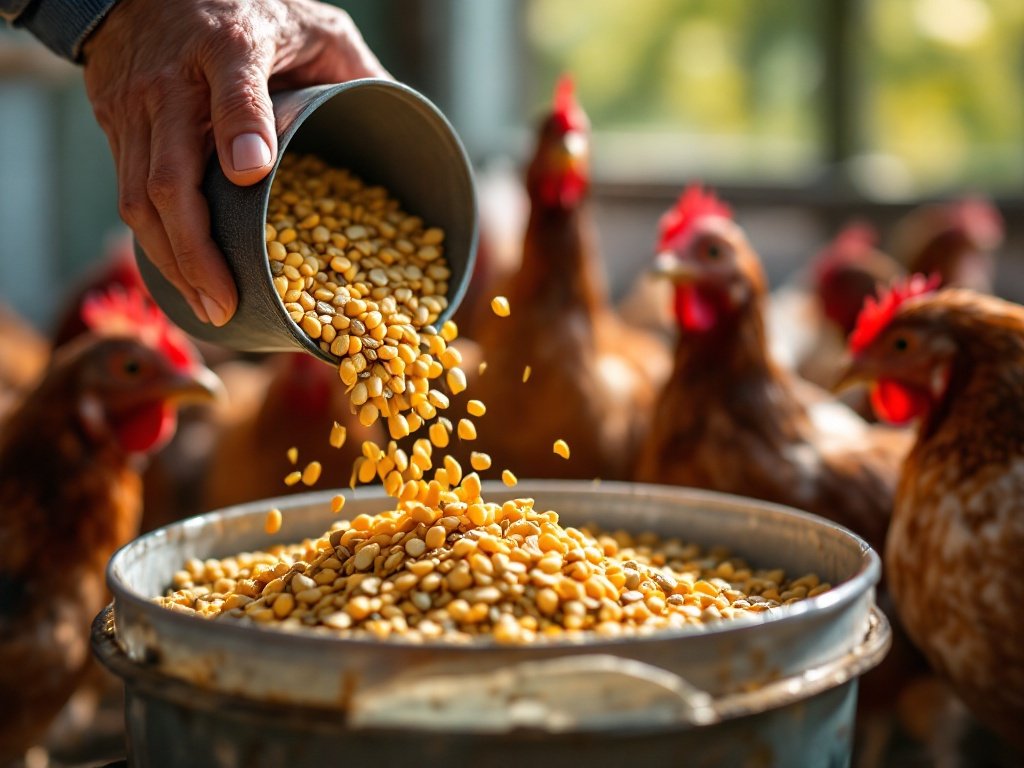
Choosing the best layer feed form comes down to your hens’ age, flock size, local climate, and personal management style. Most small-scale keepers see improved shell quality and fewer leftovers when mature flocks eat pellets, especially from efficient, covered feeders (Mule City Feeds). For chicks or pullets not yet laying, crumbles prevent choking and promote early growth, with layer rations introduced once egg laying begins.
For more on optimizing your coop setup for different feeds and climates, check out best chicken coop for cold weather and best heated chicken waterer to complete your flock’s nutrition and comfort year-round.
Common Problems with Layer Feeds (and What They Tell You)
Many backyard flock keepers run into issues even with the best layer feed on paper. Here are the most common pitfalls, what they signal, and practical ways to spot them early in your flock:
| Problem | Likely Cause | What To Do |
|---|---|---|
| Thin, cracked, or soft eggshells | Low calcium (below 3%), inadequate vitamin D3, or poor Ca:P ratio | Add free-choice oyster shell, ensure 2:1 Ca:P ratio, check feed freshness |
| Shell-less eggs | Acute nutrient imbalance, stress, lack of vitamin D3 or phosphorus | Supply free-choice calcium, check for absorption issues, reduce stressors |
| Declining egg size or yield | Low protein (<16%), energy shortfall, health problems | Switch to 16–18% protein feed, avoid dilute treats, monitor health |
| Feed refusal or wasted feed | Poor palatability, excess fines or powder, unsuitable feed form | Try pellets, clean feeders daily, avoid old or moldy feed |
| Bone weakness/fractures | Chronic calcium or vitamin D3 deficiency | Boost calcium, check for leg deformities, ensure sun exposure or D3 |
For more on shell quality and nutrition, see the guidance on Country Companion and our deep dive into best nesting boxes for chickens for additional tips on laying environment.
Keep in mind, issues like bone weakness and repeated shell cracks are rarely caused by feed alone but can signal management gaps—dirty or crowded feeders, insufficient access to feed, or water quality problems will all worsen any nutritional imbalance. Sometimes, the fix is as simple as cleaning out feeders and switching forms, but persistent problems demand a full review of your flock’s routines and living space.
How to Prevent Feed-Related Issues in Your Flock
Prevention is all about pairing the right feed specs with solid daily management:
- Keep laying hen feed steady at a minimum of 16% protein and 3–4% calcium. Offer free-choice oyster shell or grit for hens needing extra calcium.
- Check the Ca:P ratio is near 2:1 and ensure vitamin D3 is provided (either in the feed or via sun exposure) for proper calcium absorption (askIFAS).
- Switch temporarily to an 18% protein feed during molt, recovery, or jump in production needs.
- Keep feed bins, feeders, and waterers clean—old, moldy, or powder-heavy feed quickly reduces intake and increases waste. Deep clean at least weekly in damp conditions.
- Match feed form and grind to your flock: crumbles for chicks and young pullets, pellets for mature layers. Transition gradually if switching.
- Minimize treats and scraps—these dilute key nutrients and can create protein or calcium shortfalls.
- Watch your birds’ condition, egg size, and shell texture regularly. Symptoms like soft eggs or leg weakness are early warning signs to act.
For additional flock health insights, check our guides to introduce new chickens to flock best practices or how to stop chickens eating eggs to support layers through management as well as feed.
Crumble vs Pellets: Which Feed Form is Right for Your Hens?
The crumble vs pellets debate is one of the most common among backyard flock owners. Here’s a straightforward comparison to help you decide:
- Crumble: Easier for young birds and pullets to eat. Good interim choice when transitioning from chick starter. Downside: adult hens tend to waste more due to powdery “fines,” sorting, and leaving feed behind.
- Pellets: Best for mature laying hens. Significantly less waste, more balanced daily nutrition, and cleaner feeder trays. Adult birds consume more consistently, leading to fewer shell or intake issues.
In short, use crumble for birds under 20 weeks or during transitions. Once your flock is in full lay, pellets almost always lead to less feed loss and improved health. Many keepers report excellent results and cost savings over time, especially when paired with a practical, secure feeder setup. For more on optimizing feeders for any feed form, explore our best chicken feeder no waste guide and tips for chicken run upgrades.
Quick Reference: The Best Layer Feed Specs (Infographic/Table)
| Spec or Nutrient | Recommended Range | Why it Matters |
|---|---|---|
| Crude Protein | 16–18% | Growth, egg size, feather health |
| Calcium | 3–4% | Shell strength, bone health |
| Phosphorus | 0.4–0.5% | Bone/shell development, energy |
| Ca:P Ratio | 2:1 | Critical for absorption of minerals |
| Energy (Metab. kcal/kg) | 2,800–3,000 | Supports egg laying, activity |
| Key Vitamins | D3, A, E, B-complex | D3 for calcium uptake, others for health |
| Feed Form | Pellets for adults, crumbles for chicks/pullets | Waste reduction, ease of intake |
Print or bookmark this table as your at-a-glance checklist for buying, mixing, or troubleshooting any laying hen feed.
Conclusion
Getting the best layer feed for chickens right is about more than buying a bag with the right percentage on the label. Balanced nutrition, correct feed form, proactive management, and frequent monitoring drive strong shells, steady egg yield, and healthy, stress-free hens. If you’re troubleshooting, start with the basics: protein, calcium, feed type, and clean feeders. Fine-tune using this guide—and watch your flock thrive. Ready to upgrade your system? Review our top picks for automatic chicken coop doors or browse our full selection of chicken gear guides for next steps in productive, low-stress chicken keeping.
FAQ: Best Layer Feed for Chickens
When should I switch my hens to a layer feed?
Begin offering layer feed at about 20 weeks of age or when you see the first egg laid. This ensures proper calcium and nutrient levels for egg production.
Can I mix my own layer feed for chickens at home?
It’s possible, but homemade mixes often lack precise vitamin and mineral balances. Commercial feeds are professionally formulated for consistent results.
Is oyster shell always necessary for layers?
Yes, free-choice oyster shell supplements help hens adjust their calcium intake, especially during hot weather, molt, or if shell quality drops.
Can I feed layer feed to roosters or young chicks?
Layer feed’s high calcium level is not suitable for roosters or young chicks; it may cause health or growth issues. Use grower or starter feed instead.
What’s the best way to store layer feed to keep it fresh?
Store feed in airtight, rodent-proof bins kept cool and dry. Use within a few weeks to maintain freshness, vitamin potency, and palatability.