
As an Amazon Associate we earn from qualifying purchases. This article contains affiliate links; we may earn a small commission at no extra cost to you.
Best egg cartons for selling eggs are a critical decision for every small farm, roadside stand, or specialty producer. Whether you sell at a local market or wholesale to stores, the right carton isn’t just about price—it must protect your eggs, align with your values, and help your brand stand out on the shelf.
Key Takeaways
- Choosing the best egg cartons for selling eggs requires balancing cost, durability, sustainability, and presentation.
- Bulk egg cartons are available in multiple materials and sizes, and making the wrong choice can lead to increased breakage or higher long-term costs.
- Many buyer guides miss critical factors like actual material performance, real bulk pricing, and sustainability metrics—learn what truly matters before you invest.
- What Makes the Best Egg Cartons for Selling Eggs?
- Bulk Egg Cartons: Materials, Sizes & Price Ranges
- Real Farmer Pain Points with Egg Packaging
- Pulp vs. Plastic Egg Cartons: Which Should You Choose?
- What Buyer Guides Miss: 3 Essential Carton Comparison Factors
- Conclusion
- FAQ
What Makes the Best Egg Cartons for Selling Eggs?
For small farms and independent sellers, “best” goes far beyond the cheapest carton. The right choice depends on your farm’s size, where you sell (farmers’ market, CSA, or retail), and your customers’ expectations. Key factors include durability to reduce breakage, a closure that stays shut, moisture resistance, custom labels, recyclability, and a professional presentation that helps you stand out—without blowing your packaging budget.
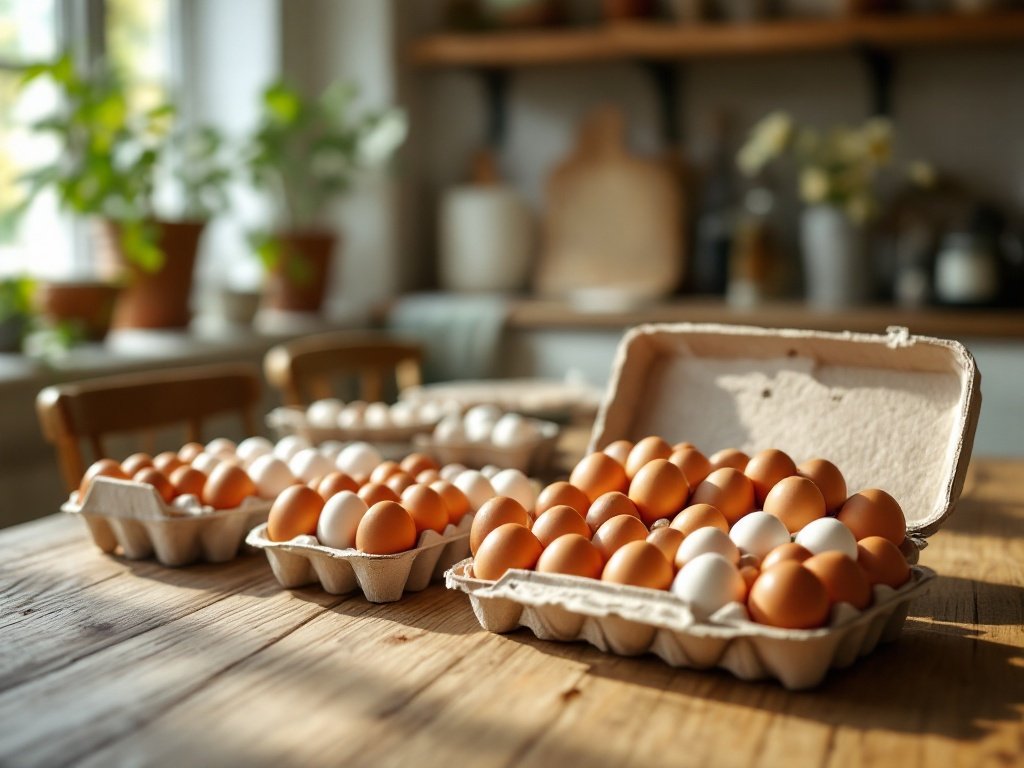
According to industry sources, farmers’ biggest pain points are egg breakage from weak cushioning or closure, moisture ingress that softens pulp and ruins labels, loss of label adhesion during transit, the limited recyclability of plastic and foam versus growing demand for compostable or recyclable options, and carton deterioration that cuts shelf life or reduces the carton’s appeal to buyers. This is why many commercial sellers now look beyond basic cost to focus on total performance and reputation.
If you’re upgrading your egg-laying setup or working to minimize waste after years of experience, paying attention to these carton details can save money and prevent returns.
Bulk Egg Cartons: Materials, Sizes & Price Ranges
Bulk egg cartons come in four main materials: molded pulp cartons (recycled paper fiber), plastic, foam, and corrugated cardboard. Each has pros and cons depending on your egg size, shipping needs, and market positioning.
| Material | Common Counts | Dimensions | Typical Price (Per 1,000 units) |
Bulk Discounts | Lead Time |
|---|---|---|---|---|---|
| Molded Pulp | 6, 12, 18, 30 | 11.6 in x 4.1 in x 2.7 in (12-egg) |
About $35-$50 | Bulk discounts may lower unit prices significantly (source) | 2-4 weeks |
| Plastic | 6, 12, 18, 30 | 5.5 in x 4.5 in x 2.5 in (12-egg) |
About $45-$70 | Yes | 2-4 weeks |
| Foam | 12, 18, 30 | Similar to above | Varies | Typical | 2-4 weeks |
| Corrugated | Varies | Custom | Varies by supplier and print requirements (printed) |
Yes | 6-8 weeks (custom print) |
As shown by major distributors, basic molded-pulp cartons are the most affordable for off-the-shelf orders, while custom printed or specialty cartons cost more.
A standard 12-egg carton measures approximately 5.5 in x 4.5 in x 2.5 in (140 mm x 115 mm x 65 mm), and a 30-egg tray is about 8.5 in x 5.5 in x 2 in. Most suppliers offer discounts for ordering by the pallet, sometimes giving up to 80% off versus small quantities (source).

For those with specialty or larger flocks, like duck or quail eggs, 12-count egg cartons are also available, often supporting private labels or custom banding for market distinction (see more).
Finally, always check for compatibility with your farm workflow and consider storage space—thinner plastic or foam cartons stack small, while thick corrugated boxes take up more room but look premium on retail shelves.
Real Farmer Pain Points with Egg Packaging
Real-world experience exposes hidden flaws even in “top-rated” egg cartons. Feedback from producers, as seen throughout industry reports, highlights breakage caused by weak closures, excessive flex in some plastics, and inconsistent cushioning, especially with oversized eggs or rough handling during transit. Moisture remains a persistent threat: pulp softens after rain or condensation and degrades printed labels quickly. Cartons that don’t hold labels well get rejected by some retailers—and nothing frustrates a market day like peeling label adhesion egg carton labels.
On the sustainability side, plastic and foam can be problematic. Many venues and customers expect compostable or at least widely recyclable packaging. But not every “green” option performs well in the cooler environment, and some degrade too fast. Even with paper pulp, storage in a humid barn or old cooler can lead to carton collapse or a musty odor that affects first impressions of your eggs.
If you’re running a system where egg quality is everything, as covered in egg loss troubleshooting guides, packaging is a real point of failure. Cheap cartons that save pennies up front can cost you customers in the end.
Pulp vs. Plastic Egg Cartons: Which Should You Choose?
There’s no universal winner. Molded pulp cartons—made from recycled fiber—provide excellent cushioning and compostability, making them a go-to for CSA shares or eco-conscious markets. But in wet conditions or heavy handling, their moisture resistance falls short, and even good print may smudge.
plastic cartons (usually high-density polyethylene or polypropylene) dominate retail and high-volume sales for a reason. According to market analysis, plastic is still the packaging of choice for many manufacturers and end users, due to its reliable closures, strong egg protection, and longer shelf life. That said, plastic has environmental drawbacks, facing increasing consumer scrutiny—plus, there may be shortages in eco-friendly options and delays for custom orders.
Label adhesion is worth a second look. Pulp grabs sticky labels better, but only if the carton’s surface is dry and clean; plastic or foam may require special adhesives. Your farm’s climate and handling matter: for humid or rainy zones, plastic prevents soggy failures. But if marketing to green-minded buyers, pulp or recycled-board cartons edge ahead, provided your eggs won’t sit in a damp barn.
Still can’t decide? Use both: pulp for direct-to-consumer markets, plastic for wholesale fulfillment, and invest in a strong custom label strategy to build your brand, as discussed in our egg handling and incubation tips.
What Buyer Guides Miss: 3 Essential Carton Comparison Factors
Many “best egg cartons for selling eggs” buyer guides look good on the surface but leave crucial gaps that matter to real farms:
- Missing Side-by-Side Performance Data. Few guides provide honest comparisons on real-world factors such as strength when stacked, moisture resistance in cold storage, or the true cushioning level of different materials.
- Hidden Bulk Pricing and Lead Times. Guides often show attractive per-carton prices, but not the lead times for larger custom orders or actual pallet-scale quotes. This leads to surprise costs and possible stockouts when your farm grows or hits a busy season.
- Lack of Sustainability Metrics. Environmentally focused sellers want concrete data: is the carton compostable? Can it be easily recycled by your target customers? What’s the rough carbon impact? Without these answers, packaging can work against your market expectations.
Closing these gaps saves money, keeps eggs safe, and supports strong branding. It also aligns your farm’s practices with current buyer values and ever-tighter retailer requirements.
Conclusion
Finding the best egg cartons for selling eggs is about more than just buying in bulk. It’s a careful balance of protection, price, customer values, and logistics. Molded pulp, plastic, foam, and corrugated cartons each shine in different situations. To make the right call, weigh durability, sustainability, labeling needs, and lead times—always test samples first, and don’t cut corners that could cost sales or waste eggs.
Ready to optimize your farm eggs sales and packaging? Review your options today and don’t hesitate to reach out to suppliers for bulk samples. For more hands-on advice, check out our guides on winter chicken coops and egg incubation for beginners.
FAQ
What is the most cost-effective egg carton for selling eggs in bulk?
Basic molded pulp cartons are usually the most affordable for bulk orders, especially when buying by the pallet. Always compare total costs—including shipping and potential discounts—across several suppliers.
Can I add custom labels to any egg carton?
Most molded pulp and plastic egg cartons accept custom labels, but label adhesion may vary. Pulp generally holds standard labels well unless the surface is wet; plastic or foam may need specific adhesives for best results. Always test your exact label before committing to a carton style.
Are compostable or recyclable cartons always better?
Compostable and recyclable cartons are popular, especially with eco-conscious markets. But they may not be as durable in damp or rough-handling conditions. Evaluate your local climate, handling process, and your customers’ recycling infrastructure before making a final choice.
Does carton size affect egg protection?
The count (6, 12, 18, 30) affects not just price but how well eggs are cushioned during transport. For small eggs or specialty breeds, confirm that the carton pockets fit your eggs snugly. Oversized carton slots can lead to rolling and breakage.
How do I avoid running out of cartons during peak sales?
Order early and confirm lead times, particularly before busy seasons or holidays. Request a backup quote from a second supplier in case of delays. Regularly check carton inventory alongside your feed and supply stock so you never get caught short.