
As an Amazon Associate we earn from qualifying purchases. This article contains affiliate links; we may earn a small commission at no extra cost to you.
Best chicken coop for hot climates is not just a search—it’s the starting point for flock health, fewer lost eggs, and lower bills. In high heat, surface-level advice falls short. This guide delivers practical, field-tested solutions for southern and tropical chicken owners who want results, not surprises.
Key Takeaways
- Real hot-climate chicken coops demand large, shaded runs, maximum passive airflow, and strong, UV-resistant building materials.
- Major costs include not just initial build, but annual maintenance, effective shade structures, and upgrades for ventilation and predator-proofing.
- Common pitfalls—bad vent placement, leaks, flimsy mesh—can be prevented with data-backed specs and owner-tested tricks found here.
- What Makes a Chicken Coop Survive—and Thrive—in Hot Climates?
- Top Real-Life Design Specs & Materials for Hot-Climate Coops
- Essential Ventilation and Shade: What Actually Works
- True Cost Breakdown: Build, Install, and Maintain
- Top 5 Owner Complaints & How to Avoid Them
- What the Competition Leaves Out (And Why It Matters)
- Conclusion
- FAQ
What Makes a Chicken Coop Survive—and Thrive—in Hot Climates?
Extreme heat is one of the leading causes of bird loss and sluggish egg laying among backyard chickens. Most generic coops fall short because they focus on keeping rain out—or looking cute—rather than on heat relief. Real success means planning for temperatures that can easily rise above your birds’ safe range and stick there for weeks.
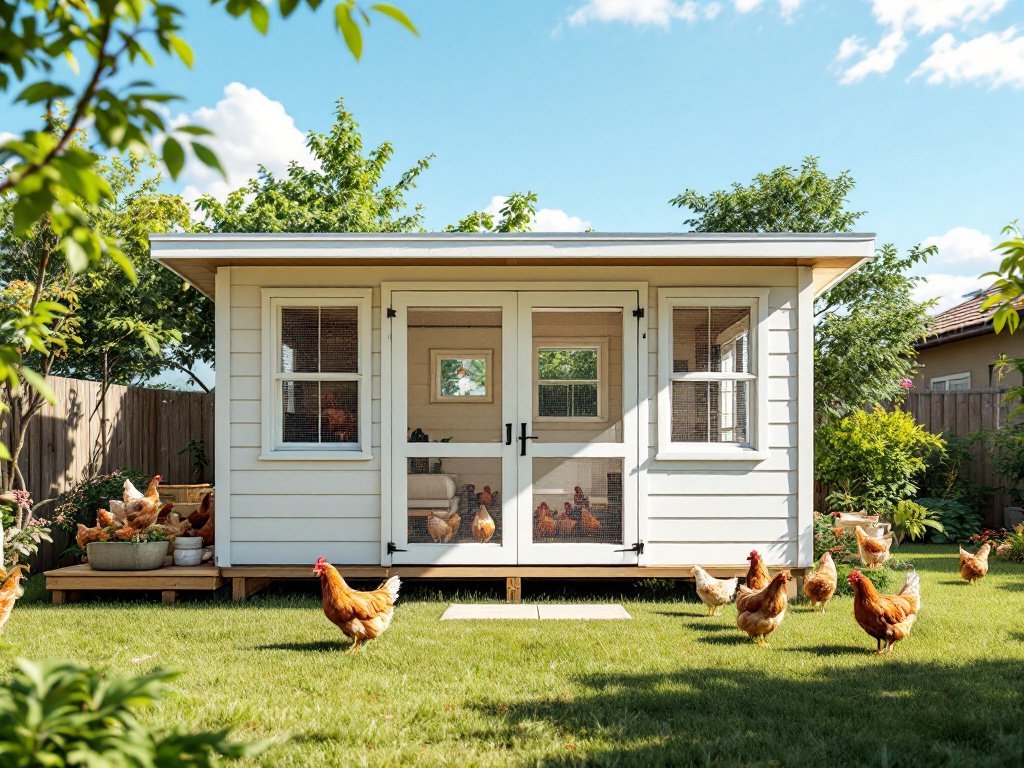
Here’s the core: The best chicken coop for hot climates provides about 4 square feet of indoor space per bird and a shaded run at least as large, ideally 10 square feet or more per hen. The coop sheds heat with reflective metal roofing, radiant-barrier underlayment, and far more ventilation than is recommended for cold climates. A balance of passive airflow, overhanging roofs, and safe UV-stable shade cloth separates “surviving” from “healthy and thriving.” Even a small mistake in these decisions multiplies stress, disease, and sudden deaths in summer.
Sourcing durable materials—like pressure-treated lumber or cedar paired with a reflective, UV-rated metal roof—and combining soffit, ridge/gable, and (for some spaces) open-air walls, is not luxury; it’s essential. Well-built coops last, resist rot, and protect real investment—your hens.
For a look at the cold-weather flipside, see our guide to winter chicken coops.
Top Real-Life Design Specs & Materials for Hot-Climate Coops
Start with space. Owners often underbuild, believing tiny coops are easier. But birds crammed in swelter faster. Aim for a minimum: 4×8 feet to house up to 8 hens, with a run of at least 10×10 (or larger, if possible). Shade must cover both coop and run.
A well ventilated chicken coop must include hardware cloth ventilation on multiple walls—at least two—but best in soffits, gables, and (if possible) a clerestory or open-able side wall for drastic airflow. Overhanging roofs (2–3 feet), clerestory/monitor rooflines, and UV-stable shade cloth create a “summer coop design” that cools better than any store-bought shed.
DIY costs range widely. For basic, new-material builds, owner reports vary widely for a 4×8 coop plus enclosed run. Premium prefab coops can cost several thousand dollars, not counting surprise costs for heavier hardware mesh, roof upgrades, ventilation, and shade. Owners using only manufacturer specs commonly regret needing to “double-build” after seeing summer bird stress.
- Avoid flat roofs and thin, dark composite panels that trap heat and break down in UV.
- Secure all windows and vents with 1/2-inch galvanized hardware cloth rather than cheap chicken wire.
- Prepare to reseal or repaint wood each year, especially in sunny or humid climates.
For more on run upgrades, see our best chicken run guide.
Essential Ventilation and Shade: What Actually Works
Chickens tolerate cold far better than sustained heat—so maximum shade for coop and run is non-negotiable. Passive shade starts with extended roof overhangs (2–3 ft), UV-stable shade cloth secured above both coop and run, and ideally, a site placed under partial tree cover without blocking cross-breezes.
Ventilation is your second line of defense. Use a mix of soffit and ridge/gable vents for high-low air movement. Clerestory roofs and open air coop walls work best in true hot climates, but must be closeable for severe storms. Hardware cloth should protect all openings from predators.
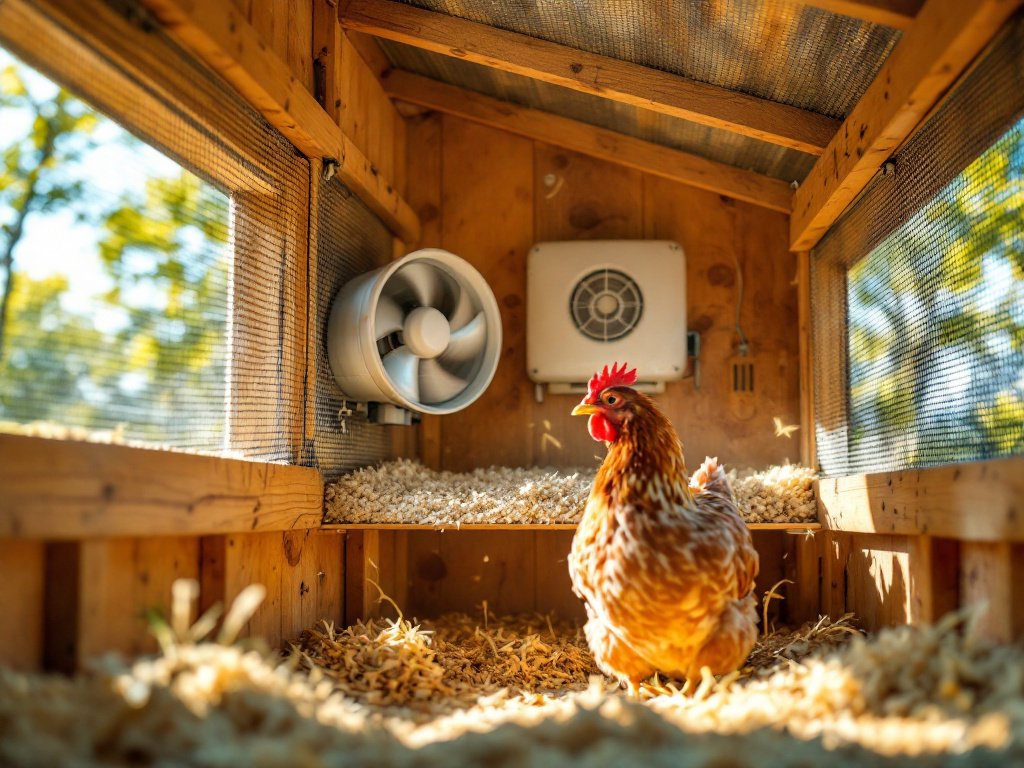
Should you add fans? Mechanical fans can help, but bring extra costs—both to install and maintain. Fans can add meaningful upfront cost, plus annual cleaning and replacement. Yet, most backyard keepers find that aggressive passive shade (roof overhangs, UV cloth, site selection) is more cost-effective and reliable. Passive shade reduces heat stress, boosts egg production, and slashes electric bills.
Here’s a quick comparison:
| Strategy | Initial Cost | Annual Maintenance | Effectiveness |
|---|---|---|---|
| Passive (Roof Overhangs + Shade Cloth) | Low–Medium | Minimal (Check, Resecure Cloth) | Consistent, Low Risk |
| Mechanical (Fans) | Medium–High ($200–$500+) | Clean Fans, Power Use, Replacements | High if Maintained |
| Vegetation (Trees, Bushes) | Low | Trimming, Pest Control | Very Good if Well-placed |
Still unsure? Learn more ways to keep birds cool in our full summer chicken care guide.
True Cost Breakdown: Build, Install, and Maintain
Coop budgeting is where most first-timers hit a wall. Real numbers matter. Owners typically spend $1,500–$2,500 for a DIY 4×8 “bare bones” build using new materials. Budget coops advertised at less often triple in price when you add a secure run, real hardware mesh, roof upgrades, and vent improvements. Premium prefabs range $2,800–$4,500, not including extras.
Hidden costs catch many by surprise:
- Professional installation may add extra cost depending on complexity and local labor rates.
- Fans and mechanical shade: $200–$500 (plus annual cleaning/repairs).
- Annual maintenance: $150–$300 (resealing, mesh replacement, pest control, deep cleans).
- Predator-proofing upgrades and replacing rusted mesh can double “run-only” budgets.
Many owners report that cheap plastics, thin hardware mesh, and “decorative only” vent covers quickly fail under sun, humidity, and storms. Experience shows you save in the long run by overbuilding up front and budgeting for real maintenance—not just the original coop price.
Get more detail on budget planning in our chicken raising cost guide and Easy Coops’ cost research.
Top 5 Owner Complaints & How to Avoid Them
Want to skip disaster? Here are the most common mistakes—and the fixes that save time, flock health, and your budget:
- Insufficient or poorly placed ventilation: Birds easily overheat if vents are too small, blocked, or only on one wall. Use cross-ventilation (soffit plus gable/ridge) and never block passive airflow.
- Inadequate shade: Shade must cover both coop and run, especially in the afternoon. Use commercial-grade fabric or repurposed billboard vinyl for durability, and extend roof eaves whenever possible.
- Roof leaks: Cheap plastic panels and unsealed seams leak quickly in storms. Always use metal roofing with a radiant-barrier underlayment, and budget yearly for resealing.
- Predator breaches: Hardware mesh must extend down to the ground and cover all vents. Avoid chicken wire—most predators tear through it within weeks.
- Rapid corrosion: Cheap hardware mesh and screws rust out in a season. Invest in galvanized or stainless hardware, and check yearly for weak spots before the rainy season.
For more on keeping unwanted visitors out, check our detailed predator-proof chicken coop guide.
What the Competition Leaves Out (And Why It Matters)
Most hot-climate coop advice skips the numbers or assumes one-size-fits-all. But real-world decisions hinge on hard tradeoffs with money, effort, and daily management:
- ROI on fans vs passive shade: Few guides account for power use, rising electricity costs, or the impact of shade on egg laying and bird behavior. Shade costs less to run, needs little ongoing care, and delivers steadier results.
- Regional material and labor costs: Material prices and contractor rates jump in places with hurricanes or cyclones. It pays to price locally before committing to a supplier or design.
- Durability of materials under real heat and UV: Not all metal roof or mesh brands last the same. Choose UV-rated, galvanized, or stainless wherever possible, and check how quickly plastics, screws, and paints degrade in high sun areas.
Best practice is to look for owner-tested builds. Free bill-of-materials plans like those at Building A Chicken Coop let you compare pricing reality, not wishful thinking.
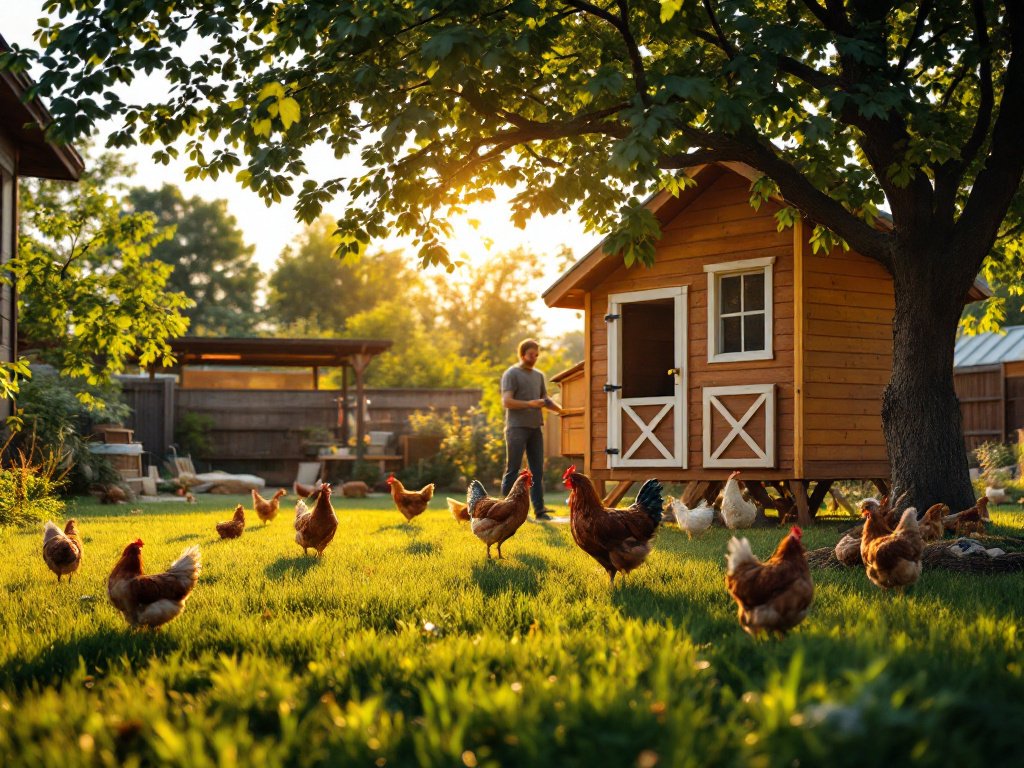
For more on optimal airflow, see our chicken coop ventilation resource.
Conclusion
Building the best chicken coop for hot climates is about active choices: maximizing shade, multiplying passive airflow, and spending up front on UV-resistant, predator-proof materials. The right design delivers calmer birds, better eggs, and lower total cost—not just a pretty shed. Ready to get started? Download proven plans, invest in real materials, and avoid the pitfalls. Your hens will thank you—so will your wallet.
Still have questions? Dive into our hand-picked chicken keeping guides below, or see the FAQ for details.
FAQ
What is the optimal size for a chicken coop in hot climates?
Provide at least 4 sq ft of indoor space per bird, with an outdoor shaded run of 8–12 sq ft per hen. Bigger is better, as overcrowding worsens heat stress.
Should I insulate my chicken coop in summer?
Insulation is less important than ventilation and shade. Focus on maximizing airflow and blocking direct sun. Use a radiant-barrier under metal roofing to further reduce heat transfer.
How much does it really cost to build a well ventilated chicken coop for hot climates?
DIY builds using new materials usually cost $1,500–$2,500 for a standard 4×8 coop and run. Premium pre-fab options run from $2,800–$4,500 before upgrades for shade, ventilation, and professional installation.
What materials resist heat and humidity best?
Pressure-treated lumber or cedar framing, UV-resistant metal roofing with radiant-barrier underlayment, and 1/2-inch galvanized hardware cloth for vents and run walls offer best long-term durability.
Do I need mechanical fans, or is passive ventilation enough?
Most backyard keepers find passive ventilation and aggressive shading are enough. Fans help in severe heat but add cost, complexity, and maintenance. Prioritize well-designed soffit and roof vents, plus shade, first.
—
Sources
- BackYard Chickens: Hot Climate Chicken Housing and Care
- OverEZ Chicken Coop: How to Keep Your Chickens Cool in Summer
- Building A Chicken Coop Plans: Chicken Coop by Climate
- Wirecutter: The Best Chicken Coop and Accessories
- Horizon Structures: Keeping Chickens Cool: 7 Summer Coop Upgrades for Extreme Heat