
As an Amazon Associate we earn from qualifying purchases. This article contains affiliate links; we may earn a small commission at no extra cost to you.
Best chicken coop paint is essential for backyard chicken owners who want to protect their coop, extend its lifespan, and keep their flock healthy. Choosing the wrong paint or sealant can risk your chickens’ wellbeing, cause costly repairs, and lead to frustrating paint failures. Here’s exactly how to choose the safest, longest-lasting, and most cost-effective paint or non toxic coop sealant for your flock’s coop.
Key Takeaways
- Select ultra-low or zero VOC, non-toxic, water-based paints or natural oils with bird-safe labeling for maximum safety.
- Surface prep, dry/cure time, and regular inspection are critical to preventing peeling, mold, and toxic exposure to your flock.
- Top options include Real milk paint (milk paint), PPG Diamond (low-VOC latex), and pure tung oil wood sealer for weatherproofing a coop.
- What Makes a Paint or Sealant “Best” for Chicken Coops?
- Key Specifications to Compare Before You Buy
- Top Owner Pain Points and Why Coop Paints Fail
- How to Prevent Peeling, Mold, and Toxicity
- Recommended Products: Buyer-Approved Paints and Sealants
- FAQ: Safe Paints, Dry Times, and Coop Maintenance
What Makes a Paint or Sealant “Best” for Chicken Coops?
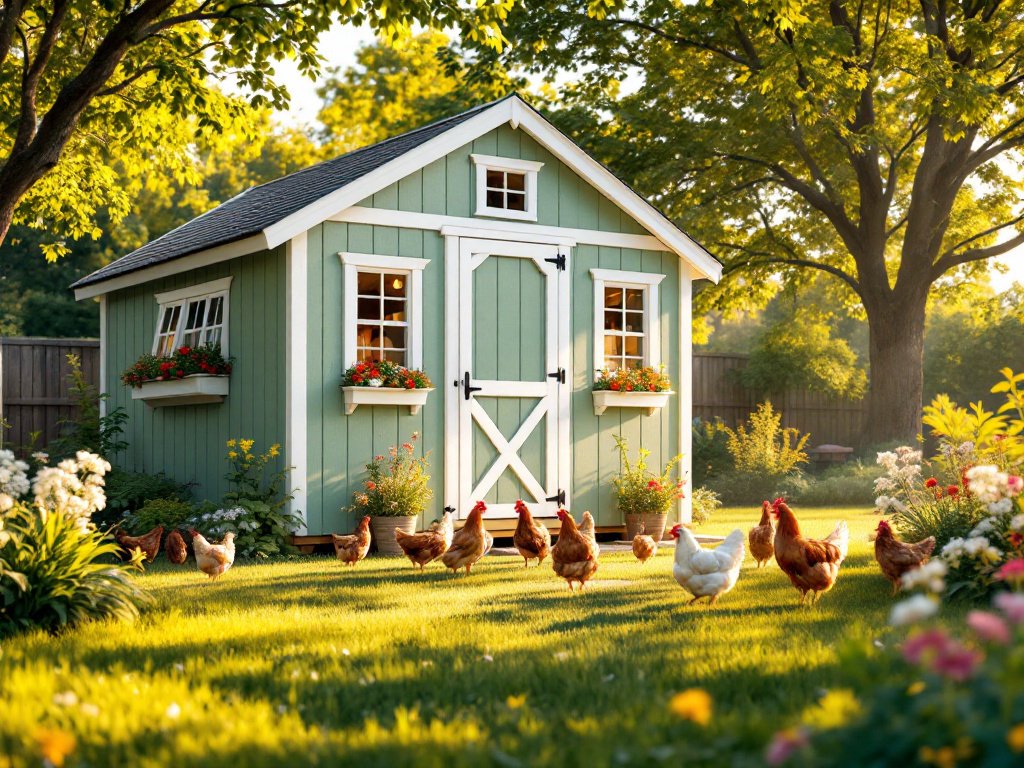
The best chicken coop paint or non toxic coop sealant stands out from regular house paint in three key ways: safety, durability, and ease of application. For coops, you need ultra-low or zero VOC levels (often labeled low-VOC or zero-VOC; exact VOC limits vary by product and standard), water-based acrylic latex or all-natural bases like milk paint or pure drying oils, and clear labeling like GREENGUARD, Green Seal, ASTM D4236, or “bird-safe.” These certifications mean the product is less likely to off-gas chemicals that could harm chickens.
Coverage rates matter for budget and protection—check the manufacturer’s stated coverage per coat, which varies by product and surface. Fast dry times (water-based products often dry to the touch within hours; oil-based products can take days to weeks to cure fully) increase project safety and reduce time your birds are confined. Milk paint and other “best” formulas also resist common poultry problems like moisture, pests, and mold, while pure oils like tung or refined linseed penetrate the wood rather than forming a surface film, reducing peeling and flaking risk. Price ranges and coverage stats should be compared so DIYers can protect their investment without overspending.
Key Specifications to Compare Before You Buy
To pick the right safe paint for chickens or wood sealer, focus on these technical specs:
- VOC Rating: “Low-VOC” means under 50 g/L, “Zero-VOC” is usually under 5–10 g/L. These are safest for interior and poultry-facing surfaces.
- Paint/Sealant Type:
- Latex (Acrylic): Easy cleanup, fast dry, better for exterior walls and trim.
- Milk Paint: All-natural, best for raw wood, safe if scratched by birds.
- Oil (Tung/Linseed): Deep protection for wood but needs 30 days to fully cure; avoid “boiled” linseed unless explicitly non-toxic.
- Dry and Cure Time: Water-based: touch dry in hours, safe for chickens once odor is gone. Oils: hand dry in 7–15 days, full cure at 30 days.
- Coverage: Most top products cover 350–400 ft² per gallon, but rough or unfinished wood lowers efficiency.
- Price per Quart/Gallon:
- Budget latex: price varies by brand, size, and retailer
- Mid-range low-VOC: $45–$55/gal
- Premium zero-VOC: $70–$85/gal
- Clear wood oils: $20–$35/qt (linseed), $30–$45/qt (tung)
- Safety Certifications: GREENGUARD, Green Seal, “Bird-safe”
- UV Protection: Look for UV-blockers if the coop is exposed to full sun; prevents early fading and damage.
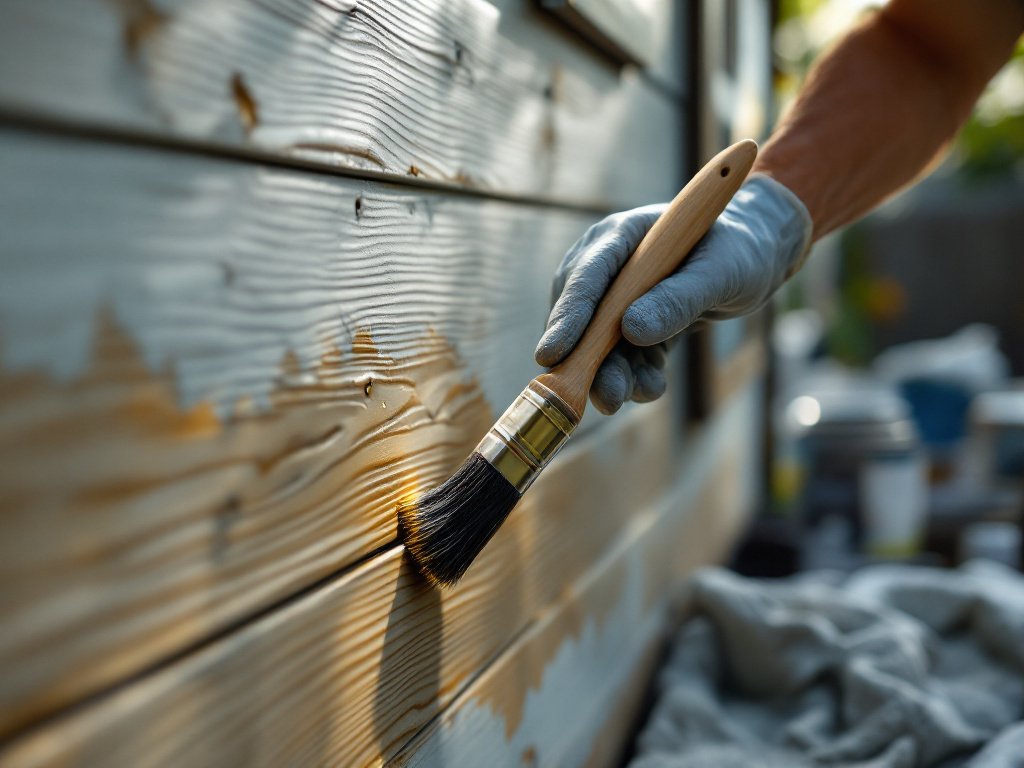
Compare paint and sealant specs before buying—be skeptical of “eco” or “safe for pets” claims unless confirmed by certifications. Interior house paint can have hidden biocides, so stick with farm, craft, or small-batch manufacturers who specifically mention animal safety (like these options).
Top Owner Pain Points and Why Coop Paints Fail
No matter how careful you are, weatherproofing a coop often runs into these common problems:
| Pain Point | What Causes It? | How Soon? | Solution |
|---|---|---|---|
| Peeling or Flaking | Moisture, poor prep, humidity | 6-12 months (wet climates) | Prime and seal bare wood, avoid painting below 50°F, keep waterers outside coop |
| Mold/Mildew | Persistent dampness (>60% humidity), poor venting | After few weeks of damp | Fix leaks, improve airflow, repaint/seal as needed (learn more) |
| Toxic Odors | Oil-based finishes, high VOCs | Up to 30 days | Let fully cure; use only zero/ultra-low VOC options |
| Fading/Chalking | UV exposure, poor pigments | 1-2 years | Recoat, use UV-stable paint/sealant |
| Cracking/Alligatoring | Too many thick coats, thermal stress | After 2-3 years | Apply 2 thin coats max, repair as needed |
Premature paint failure is common in backyard coops. Many owners discover that poor ventilation, cheap paint, or hasty prep lead to peeling in less than a year—especially in damp climates. Mold creeps in if roof leaks go unnoticed or litter stays wet. Oil-based and “interior” paints can cause lingering odors and long-term bird health risks if not given safe cure time. UV instability in cheap formulas means colors fade, while paint layers can crack or “alligator” from repeated hot-cold cycles.
Small steps like keeping waterers outside the coop, regular gutter cleaning, and adding ventilation upgrades make a big difference in paint lifespan.
How to Prevent Peeling, Mold, and Toxicity
Four steps ensure your non toxic coop sealant or paint protects your flock and coop longevity:
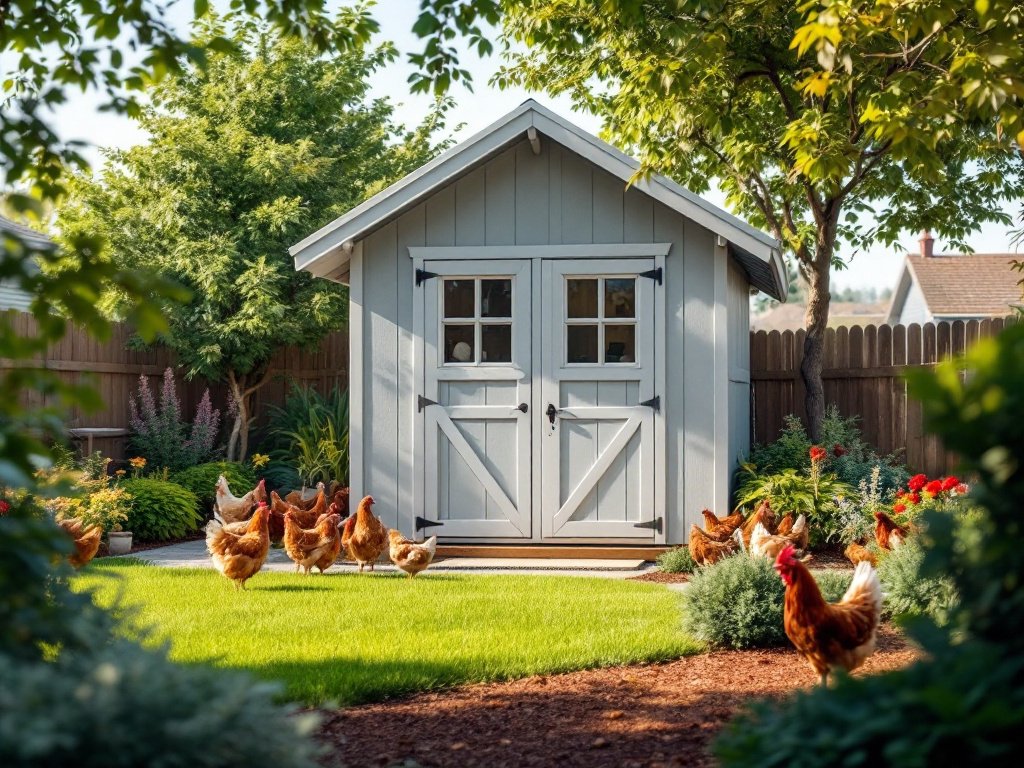
- Start with dry, dust-free, sanded surfaces. Replace rotten or warped wood before painting; scrape any old, flaking paint carefully (use a dust mask).
- Apply in moderate weather. Never paint in rain, snow, or below 50°F. Humid days slow drying and boost mold risk.
- Use thin coats and allow full dry time. Paint or seal in 2–3 thin layers. For oils: hand dry status in 7–15 days, but wait 30 days for a full cure before chickens return. For latex/milk: odor gone, paint fully dry, wait 1–2 days minimum.
- Ventilate thoroughly. Open all vents and windows until no paint smell lingers. Avoid blocking upper vents, as this can trap both odor and coop moisture—a direct cause of mold and health issues (see more here).
Inspect the coop every spring, summer, and fall. Patch small chips as needed. Full recoats are usually needed every 2–3 years—a quick weekend project that prevents high repair bills.
For winter upgrades that stop moisture or drafts, check out best chicken coop for cold weather.
Recommended Products: Buyer-Approved Paints and Sealants
Here are top-rated options that backyard flock owners trust for safety, coverage, and weather defense:
- The Real Milk Paint Co. — Premium milk paint, zero-VOC, all ingredients listed, safe for birds and kids. Coverage approx. 400 ft²/gal. Price: about $70 per gallon, depending on retailer and finish. See options.
- PPG Diamond — Low‑VOC latex (under 50 g/L), covers 350-400 ft²/gallon. Readily available at Home Depot. Price: $45–$55/gallon. Compare here.
- Pure tung oil — Deep wood sealer. No added dryers or solvents, safe for birds once fully cured (30 days). Price: $30–$45/quart. Apply several thin coats for weatherproofing a coop and natural look. Read a breakdown.
- ECOS Paints, AFM Safecoat, or other zero-VOC brands — Offer color choices and key certifications. Price varies (usually $70–$85/gallon), best for absolute chemical sensitivity.
Retailers range from local hardware stores to specialty eco-build shops. Always read the label to confirm no fungicides or harsh pigments, and keep a receipt in case you need to contact the company about safety.
Want to optimize the rest of your setup? Check these in-depth guides:
keep chickens warm in winter,
best nesting boxes for chickens,
best chicken coop bedding,
predator proof chicken coop.
FAQ: Safe Paints, Dry Times, and Coop Maintenance
What makes a paint or sealant truly safe for chickens?
Look for ultra-low or zero VOC levels, a non toxic base (like acrylic latex, milk paint, or pure tung/linseed oil), and recognized “bird-safe” or eco labels. Avoid fungicides, biocides, and dyes not rated for animal use.
How long should I wait before returning chickens to a freshly painted or sealed coop?
Water-based paint: usually 24-48 hours after full dry and odor is gone. Oils: wait a full 30 days for complete cure and no scent remains. Never use the coop if odor lingers.
How often should I repaint or reseal my chicken coop?
Inspect your coop each season and plan to touch-up or recoat problem spots every 2-3 years. High-traffic or wet areas might need more frequent patching.
What should I do if paint starts peeling or mold appears?
Fix underlying leaks or humidity issues first, then sand and repaint with a certified non toxic coop sealant. Improving ventilation and removing damp litter prevents most mold recurrence.
How do I safely clean brushes and containers after painting?
Use water and mild soap for latex/milk paints, or citrus solvent for natural oils—never pour leftover paint, oil, or solvent down drains or in the yard. Dispose of rags safely (especially with oil—they can self-heat and combust).