
As an Amazon Associate we earn from qualifying purchases. This article contains affiliate links; we may earn a small commission at no extra cost to you.
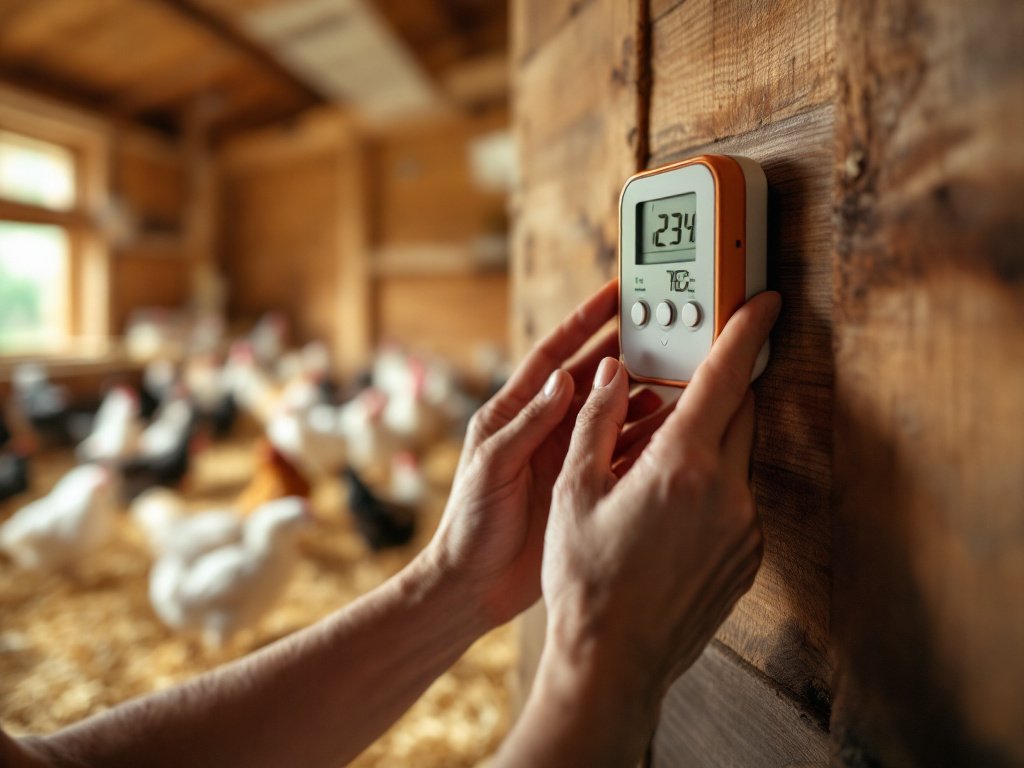
Best chicken coop thermometer choices can make or break your hens’ health, egg production, and peace of mind. A reliable chicken coop thermometer and hygrometer is one of the few gadgets every backyard chicken keeper really needs—if you pick wisely. In this guide, you’ll get practical expert advice to choose the best models, avoid common mistakes, and understand what actually matters for real-world flock care.
Key Takeaways
- The most accurate chicken coop thermometers deliver ±0.36 °F and ±2% RH readings over ‑40 °F to 140 °F and 0‑100% RH—crucial for monitoring coop temperature and humidity.
- Most problems come from unreliable battery life, lost wireless signal, waterproofing failures, or calibration drift after a year—inaccurate readings can sneak up on you.
- You’ll often get a noticeable quality leap by spending about $20–$50 on a midrange wireless thermometer or coop hygrometer—above that, you often pay more for convenience and extra features than for major accuracy gains.
- Why Monitoring Coop Temperature and Humidity Matters
- Must-Have Specs for the Best Chicken Coop Thermometer & Coop Hygrometer
- Price Ranges and What You Get at Each Tier
- The Most Common Failure Modes (and How to Avoid Them)
- Features Most Brands Miss—What Poultry Owners Actually Need
- Top Recommendations: The Best Chicken Coop Thermometer and Hygrometer (2024)
- FAQs
Why Monitoring Coop Temperature and Humidity Matters
Poor temperature or humidity control in your chicken coop isn’t just uncomfortable for your flock—it’s risky. Too much heat or sudden temperature swings cause hens to lay fewer eggs and can lead to heat stress or even death. Cold snaps, meanwhile, make chickens eat more while laying less, and they risk frostbite in certain breeds.
Keeping an eye on humidity is just as important. High humidity leads to damp litter, which raises ammonia, molds, and diseases. Excess moisture in the air during winter also increases the odds of frostbite, while too little humidity in summer causes dehydration. Monitoring coop temperature and coop humidity helps you adjust bedding, ventilation, and even when or how you use heaters or fans—so your flock stays robust all year.
Buyers typically look for sensors with operating ranges that cover the extremes of a coop (‑40 °F to 140 °F for temperature and 0‑100 % RH for humidity) [source] because these cover nearly every climate chicken keepers face.

Must-Have Specs for the Best Chicken Coop Thermometer & Coop Hygrometer
Don’t trust your hens’ comfort to a dollar-store gadget. Here’s how to read between the lines when choosing the best chicken coop thermometer or coop hygrometer for real-world use:
- Accuracy: The gold standard is ±2 % RH humidity accuracy (or better), and temperature accuracy around ±0.36 °F (0.2 °C) [source]. Lesser devices might drift wildly, especially after a year of use.
- Operating Range: Look for sensors covering at least ‑40 °F to 140 °F and 0‑100% RH. These handle extreme cold snaps and steamy summers alike.
- Battery Life: Wireless models that last 6–12 months on AA or button cells are practical. Some high-drain models chew through batteries in just 2–3 months, especially in cold.
- Wireless Connectivity: If you want alerts or remote readings, choose Bluetooth or Wi‑Fi for coop monitoring—keep in mind thick wooden or metal coop walls can block signals.
- Data Logging: For accurate tracking and troubleshooting, look for at least several days to a few weeks of exportable data logging in the app or device.
According to several accuracy-focused reviews, buyers want ±2 % RH humidity accuracy (or better), temperature accuracy around ±0.36 °F (±0.2 °C), battery life of 6-12 months, wireless range of 200–300 ft, and data-logging of at least 20‑30 days [source]. Avoid anything that can’t meet most of these metrics.
Price Ranges and What You Get at Each Tier
Paying more doesn’t always get you better results—but it does buy convenience. Here’s what to expect:
| Price Tier | Typical Features | Downsides |
|---|---|---|
| $8–$10 (Basic Resistive Sensor) | Simple LCD readout, no wireless. Limited accuracy and range. Indoor-only. | Frequent drift, inconsistent in cold or wet, disposable-style build |
| $12–$25 (Mid-Range Capacitive Units) | Wireless connectivity, app support, better accuracy, data-logging, multiple sensors in one system possible. | Occasional app bugs, battery changes 1–2x/year |
| $40–$100 (Premium/App Models) | Wi-Fi, SMS/email/app alerts, multi-zone logging, longer battery life, exportable CSV data. | You pay for convenience, not always better accuracy |
The biggest gains in reliability, accuracy, and usability happen between the absolute cheapest tier (sub-$10) and the mid-range ($12–$25); above $40–$50, you’re paying for extra convenience—like app connectivity, alerts, and multi-sensor support [source].
If you’re starting out, midrange wireless thermometer models often offer the best value for hobby or backyard flock owners. For more on coop essentials, review our guide on chicken coop must haves.
The Most Common Failure Modes (and How to Avoid Them)
No device is immortal, especially in the dusty, moisture-prone world of a chicken coop. Here’s what goes wrong—and what you can do about it:
- Battery Drain: Cheap sensors, cold weather, and low-quality batteries can lead to unexpected shutdowns after 2–3 months rather than the promised 6–12 months.
- Signal Loss: Wireless thermometer models depend on Bluetooth or Wi-Fi, both of which can drop out if your coop’s walls are metal, thick wood, or far from the router—leaving you in the dark or with ghost data.
- Waterproofing Failures: Many “indoor-outdoor” thermometers are no match for condensation, storms, or hose spray—faulty rubber seals let in water, frying the circuitry.
- Sensor Drift: After a year or two, many sensors start giving consistently inaccurate readings due to component aging or dust/ammonia contamination.
- No Calibration: Few budget or midrange units let you calibrate after the fact—if readings wander, replacement is often the only fix.
Common pain points include inaccurate readings after temperature spikes, having to trek out and reset a sensor that’s lost connection, and sudden battery death right in the middle of a heatwave or cold snap. Avoid failure by using lithium batteries in cold climates, placing the sensor away from direct droppings, and choosing models with easy-to-access batteries and clear waterproof ratings.
Browse more troubleshooting and problem-prevention tips in our essential guide to cleaning a chicken coop and choosing durable bedding for your flock.

Features Most Brands Miss—What Poultry Owners Actually Need
The best chicken coop thermometer or coop hygrometer should fit how chickens live—not just lab specs. Here are advanced or poultry-specific features that separate a good buy from a future headache:
- Dew-Point/Vapor Pressure Deficit (VPD): Integrated calculations help spot when humidity is “just right” for healthy feathering and respiratory health.
- Solar Power or Hardwired Options: Solar trickle charging or mains adapters beat battery fuss, especially in remote or off-grid setups.
- Multi-Zone Probes: Modular systems let you monitor the nest box, roost, and general air with swappable sensors, giving a true overview of coop conditions.
- Robust Waterproof Housing: Look for water-resistant housing—most budget sensors ignore this, but it’s essential if you don’t want leaks to kill your investment.
- Easy Calibration: Adjustable readings help when you know temp/humidity are off, instead of tossing the unit.
Competitors often omit poultry-specific features such as integrated dew-point/VPD calculations, solar-powered or wall-mounted options, easy‑swap multi-probe systems, and IP67 waterproof housings [source]. If you deal with cold winters, review our winter chicken coop tips to understand how humidity and low temps interact.
Top Recommendations: The Best Chicken Coop Thermometer and Hygrometer (2024)
Here’s a realistic breakdown of top contenders for different budget levels and priorities:
- SensorPush HT.w (Bluetooth/App Model): One of the most accurate wireless thermometer and hygrometer units (±2% RH, ±0.36 °F), with app data, alerts, and up to 325 ft range. Reliable for most coop setups, though Wi-Fi add-on is extra. (source)
- Temp Stick WiFi Sensor: Covers the full coop temp/humidity range (‑40 °F to 140 °F, 0–100% RH); battery life 1+ year with app alerts and exportable data. Best for those who want hands-off, set-and-forget monitoring. (source)
- ThermoPro TP65A: A strong midrange pick: accurate temp/humidity, straightforward display, and outdoor-ready sensor at an affordable price. Ideal for those who want a solid wireless thermometer without subscription or app fuss [source].
The biggest gains in quality happen between the absolute cheapest tier (sub-$10) and the mid-range ($12–$25); above $40–$50, you’re paying for convenience—app connectivity, data logging, multi-sensor support—rather than meaningfully better accuracy [source].
If you’re outfitting your coop, these picks mesh well with other upgrades like a best automatic chicken coop door or a no-freeze waterer.
FAQs
Where should I place a coop thermometer and hygrometer?
Mount sensors at chicken height, away from direct sunlight, windows, heat sources, and places where droppings might hit. Avoid mounting near doors or vents for more accurate average readings. Many owners secure wireless thermometer units inside vented plastic containers to protect against dust and moisture.
How often should I check or replace batteries in a wireless thermometer?
Many midrange sensors last several months to about a year on AA or button batteries, but it’s wise to check batteries every season and keep a spare on hand—cold weather and cheap batteries reduce lifespan sharply.
How accurate are cheap digital thermometers for chicken coops?
Many sub-$10 units can be off by several degrees or percent humidity, especially after their first winter or during big weather swings. Accuracy for the best chicken coop thermometer options is typically ±0.36 °F and ±2% RH, so stick to models specifying these stats from a trusted brand.
Do I need a waterproof thermometer for my chicken coop?
Yes, especially if your coop has high humidity, spills, or cleaning splashes. For long-term use, pick at least IP65–IP67 rated housing. Even in well-roofed coops, condensation or cleaning spray can ruin unprotected electronics.
Can I use a grill or meat thermometer in the chicken coop?
While meat thermometers can read air temp for a quick spot check, they aren’t designed for long-term coop monitoring and may rust, fog, or break down in humid conditions. Use a device made for constant environmental sensing instead.
Conclusion
Choosing the best chicken coop thermometer comes down to accuracy, reliability, waterproofing, and easy monitoring—not just picking whatever’s on sale. Focus on trusted midrange wireless thermometer and coop hygrometer models from reputable brands, and always check real specs for operating range, calibration, and battery life. Your flock’s health (and your egg basket) will thank you. Ready to upgrade your coop’s monitoring? Start with one of these expert picks and keep your chickens safe, healthy, and thriving.
—