
As an Amazon Associate we earn from qualifying purchases. This article contains affiliate links; we may earn a small commission at no extra cost to you.
Keep chicken water from freezing is a real headache for backyard flock owners in cold climates. Whether you’re tired of smashing through ice, replacing cracked waterers, or trying hacks that fail in deep winter, this guide tells you exactly what works — and what doesn’t — to keep your chickens hydrated through the cold season.
Key Takeaways
- Choose waterers with adequate heater wattage, thermostatically controlled heaters, and insulation for reliable winter watering — not just any heated model.
- Common pain points include blocked nipples, cracked plastic, heater failures, and high-maintenance setups.
- Field-tested solutions like heated bases and insulated buckets outperform most DIY hacks for keeping chicken water from freezing.
- Why Do Chicken Waterers Keep Freezing in Winter?
- How to Keep Chicken Water from Freezing: Step-by-Step Actionable Guide
- Advanced Analysis & Common Pitfalls to Avoid
- Conclusion
- Frequently Asked Questions
Why Do Chicken Waterers Keep Freezing in Winter?
In winter, the biggest battle is keeping ice from forming in your chickens’ water supply. Most chicken waterers aren’t designed for subzero conditions. Ice in the waterer blocks nipple or cup flow, while frozen caps and seams can crack plastic or even split poorly welded metal. Many small capacity waterers struggle because a thin wall and large exposed surface lose heat quickly — often freezing overnight even if you refill at dusk. When heaters are present, cheap thermostats or inadequate wattage cause them to trip, fail to turn on, or overheat and damage the unit. Cracked caps often leak or burst if ice expands inside, causing messy coops and wasted water. Owners report that “ice buildup that blocks nipple flow, frozen plastic caps that crack or shatter, and water overflow/leakage are especially common in plastic or metal waterers holding under 1 gallon.”
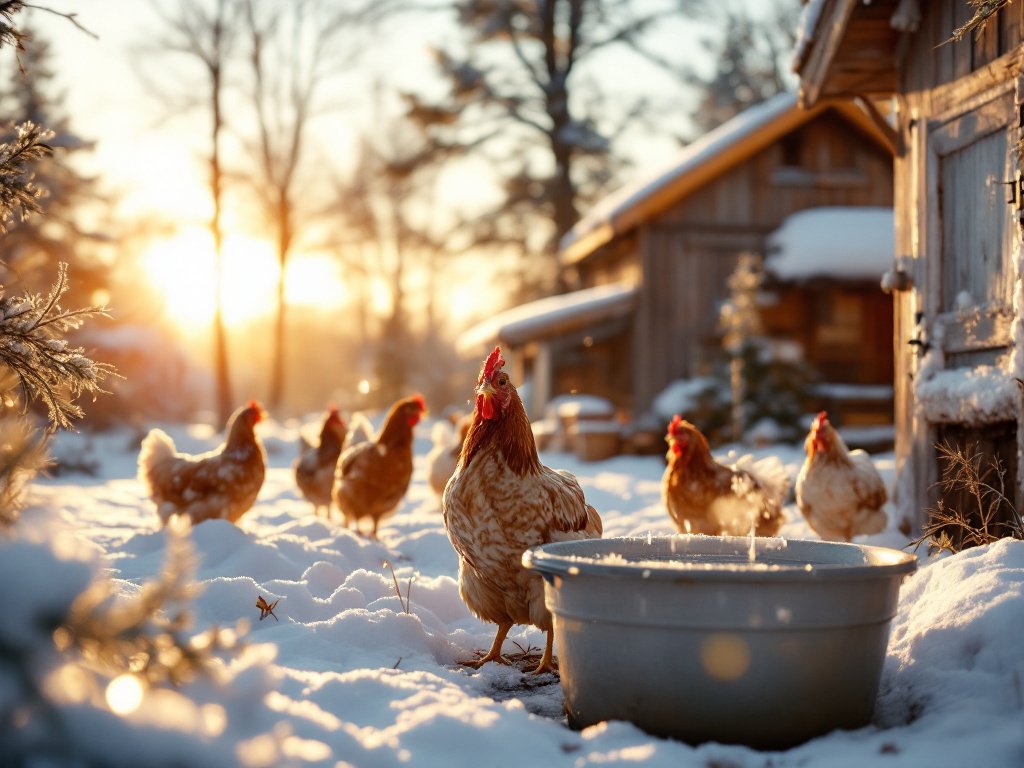
Even well-reviewed waterers break down if they lack strong insulation or if electric heaters are underpowered. Waterer design is crucial: units with uninsulated plastic walls, complex fill methods, or finicky connectors lead to more breakages when ice inevitably forms. For more about preparing your winter chicken coop for harsh conditions, check out our guide.
How to Keep Chicken Water from Freezing: Step-by-Step Actionable Guide
Here are concrete, research-backed steps to keep chicken water from freezing, based on what actually works in the field — not just slick marketing or social media hacks.
- Choose the Right Waterer or Upgrade What You Have. Select models built specifically for winter, with thermostatically controlled heaters, at least 100W for electric units. If you already own a base heater, make sure it’s compatible with your waterer’s material and capacity.
- Add Insulation. Wrap plastic or metal waterers (especially under 2 gallons) with insulating foam or use insulated buckets to slow heat loss. black rubber bowls absorb sunlight if positioned well and can help on slightly milder days.
- Use a GFCI Outlet and Outdoor Extension Cord. Always plug heaters into a ground-fault circuit interrupter to prevent shock hazards. Only use weather-rated extension cords for safety and to minimize outages.
- Set Up the Waterer Properly. Position the unit level and away from drafts but not too close to bedding to help avoid spills, leaks, or heater contact with combustible material. Fill only as much as chickens drink within a day in extreme cold to further reduce surface freezing risk.
- Monitor and Adjust Regularly. Check heater function and thermostat setting regularly. In extra-cold snaps, adding an insulated cover or switching to a higher-watt alternative might be necessary.
- No-Power Option. For those without electricity, rotate two black rubber bowls — one in use, one thawing indoors — for faster ice removal. Flexible rubber allows easy ice ejection, minimizing labor compared to smashing regular bowls.
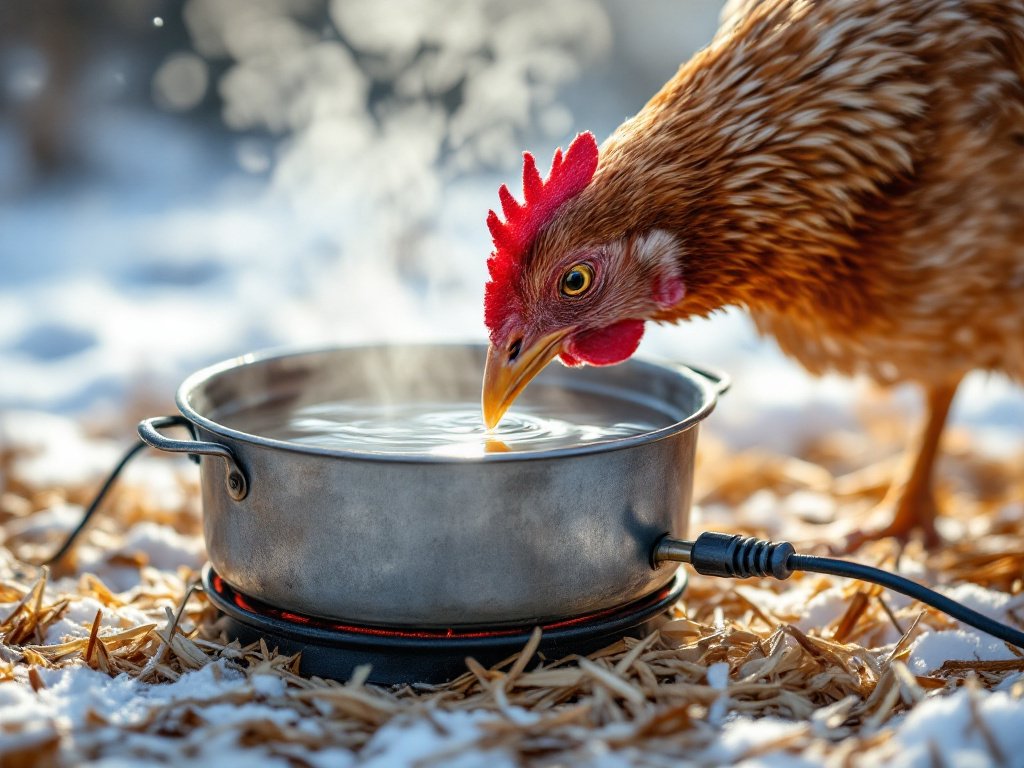
Want a full list of tested products? Read our detailed guide to the best heated chicken waterers for every climate and budget.
Top Picks for Heated Bases and Alternatives
- Thermostatically controlled heaters (100–250W) that only activate when temps near freezing are safest and most energy efficient.
- 2-gallon heated drinkers are a practical size for small to medium flocks — many users report fewer blockages and less refilling stress (see owner reviews).
- Insulated buckets and black rubber bowls work well for areas without reliable power. The dark color and material make dumping out solid ice easier than with rigid or clear-plastic containers (read more).
Make sure to fill drinkers with lukewarm water when possible, and avoid using hot water that could stress your birds. For optimal hydration and less stress, maintain a regular schedule of water changes as suggested here.
If you’re also updating your feeding setup, don’t miss out on our roundup of the best chicken feeders that minimize waste — many pair well with winter waterers.
Advanced Analysis & Common Pitfalls to Avoid
Even with the right gear, managing winter watering comes with headaches. Many owners end up disappointed when a new system still requires constant ice-break chores or cracks after a single cold snap.
| Waterer Type | Common Failures in Winter | Best Use |
|---|---|---|
| Plastic gravity waterer with base heater | Caps crack; poorly insulated; frequent overflow if ice forms inside | Short-term or mild climates; small flocks |
| Heated metal poultry fount | Heater may trip GFCI; exterior can still freeze if exposed | Best for draft-free, larger coops |
| Insulated bucket with nipple system | Nipples can freeze at subzero temps if not heated | Moderate climates or paired with separate heater |
| Black rubber bowl | Will freeze in deep cold; easy to de-ice, but manual labor required | No-power, rotating system |
| DIY pipe heating or aquarium heater | Potential electrical hazard if not carefully installed | Advanced users with experience |
Biggest pitfalls:
- Underpowered heaters or poor thermostatic control leave waterers too cold or risk overheating.
- Thin, uninsulated plastic or metal loses heat fast, so water freezes even when the main supply is heated — especially at the nipples or drinkers.
- Low-capacity models (small-capacity models) force too-frequent refills, especially harmful for larger flocks.
- Improper placement or leveling causes water to leak, overflow, or pool, inviting mess and mold.
- DIY setups without proper electrical protection (like GFCI outlets) have real fire and shock risks, as discussed here.
- If you’re automating both your waterer and door, double-check that your automatic chicken coop door operates reliably in low temps — condensation and ice can also jam doors.
Multiple owners report that even some premium models can have design flaws, such as hard-to-seat caps, bottom-filling methods that spill when moved, or ineffective thermostat calibration (full review). Always research real world use — marketing claims don’t always hold up!
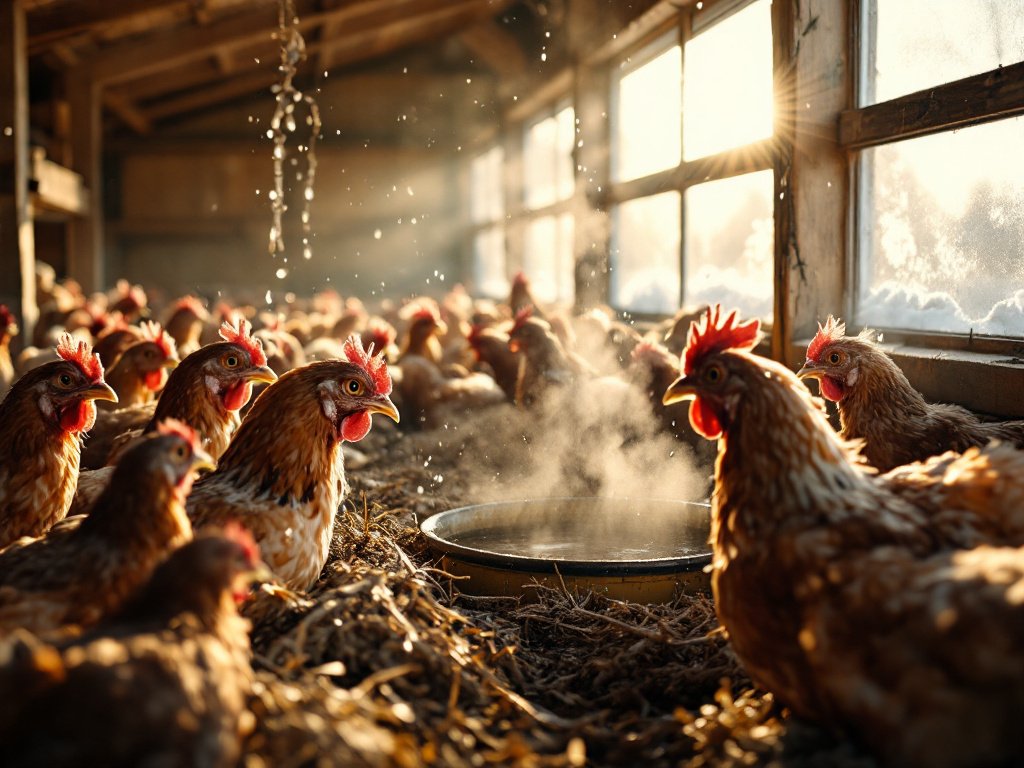
For details about keeping your flock healthy through winter, read our expert guide on keeping chickens warm in winter and our review of the best chicken coop heaters.
Conclusion
To really keep chicken water from freezing, you need more than a makeshift fix. Reliable winter watering means picking the right insulated or heated gear, using safe outlets, checking for leaks and cracks, and adapting your setup for your flock size and local lows. While no system is 100% maintenance-free, the right decisions keep emergencies rare — and your chickens hydrated, healthy, and laying long after the first frost. Ready to build your best setup? See our full guide or check current picks above to keep chicken water from freezing all winter long.
Frequently Asked Questions
What’s the best way to keep chicken water from freezing if I have no electricity?
Use a rotation of black rubber bowls. These absorb more sunlight and make it simple to knock out ice for quick refills. While they cannot totally prevent freezing, they minimize labor in off-grid setups. Bringing in a second batch to thaw indoors helps keep water always available.
Can I use aquarium heaters or pipe heat tape for my poultry waterer?
Aquarium heaters and pipe cables can work in limited cases, but must be rated for outdoor and livestock use. Always use a GFCI outlet, and understand these methods may not be as durable as commercial poultry heaters in sustained cold.
Why does my plastic waterer keep cracking every winter?
Most plastic cracks because water expands as it freezes. Thin plastic or poorly seated caps are especially likely to burst under pressure or when ice forms around seams. Using thicker, insulated models reduces this risk.
How do I know if my heated waterer is safe for my coop?
Choose heaters with built-in thermostatic control, UL listing, and always use outdoors-rated extension cords on a GFCI. Place units away from bedding and check cords for damage every season. For tips, see our guide to cold weather chicken coops.
Can a heated base be used with any type of chicken waterer?
No, always verify compatibility. Some bases are designed for metal only, while others may melt plastic. Follow manufacturer directions and consider full heated drinkers for the lowest maintenance.
—