
As an Amazon Associate we earn from qualifying purchases. This article contains affiliate links; we may earn a small commission at no extra cost to you.
Sour crop in chickens is a frustrating digestive problem that many backyard poultry keepers eventually face—especially if immediate veterinary care is tricky or expensive. Left untreated, this condition can become life-threatening within a few days, but hands-on owners have real options for treating and preventing it safely at home.
Key Takeaways
- Sour crop in chickens is usually associated with yeast overgrowth (often Candida), though underlying crop stasis or impaction is also involved marked by a persistently swollen, squishy crop, sour breath, and sluggishness—familiar signs to catch early.
- Effective home treatment is possible for mild cases, but recognizing warning signs and knowing when to call a vet can save both chickens and money.
- Prevention is realistic with a focus on feed quality, grit, hygiene, and simple monitoring—most mainstream advice omits these actionable checkpoints.
- What Is Sour Crop in Chickens?
- Step-by-Step Treatment for Sour Crop (Home & Vet Options)
- Cost, Pitfalls & Owner Challenges (What Most Miss)
- Conclusion: Mastering Crop Health
- Frequently Asked Questions
What Is Sour Crop in Chickens?
Sour crop in chickens is a digestive disorder where the crop (the food storage pouch in a chicken’s lower neck) doesn’t empty properly, creating the perfect environment for yeast—mainly Candida albicans—to overgrow. Unlike impacted crop in chickens, which is a firm, dry blockage, sour crop features a squishy, fluid-filled pouch that often smells sour or yeasty when you check your birds first thing in the morning. This happens because food and liquid ferment in the crop, leading to gas, swelling, and eventually, toxin buildup.
The crop’s job is to store and soften food before it moves to the true stomach (proventriculus) for digestion. If this system stalls—due to spoiled feed, gut imbalances, or blockages—bad microbes quickly take over.
Common symptoms of sour crop are a soft, distended crop, decreased appetite, lethargy, and noticeably sour or “bread-like” breath. Markedly, the crop will stay swollen and squishy overnight, which is very different from normal function. Impacted crop, meanwhile, feels hard or doughy rather than liquid-filled, and is more likely after a hen eats tough grass, straw, or indigestible scraps. Both are serious chicken digestive issues—especially if not addressed quickly.
If unaddressed, sour crop fermentation starts in about 12–24 hours and can escalate to life-threatening aspiration or systemic infection within several days (source).
Sour crop is most often seen after a period of gut disruption—such as moldy or high-sugar feed, recent antibiotic use (which kills beneficial bacteria), prolonged stress, or poor coop hygiene. Understanding these root causes is vital before you can fix or, even better, prevent crop problems in hens.
Step-by-Step Treatment for Sour Crop (Home & Vet Options)
Most mild cases of sour crop in chickens respond well to focused home care if caught early. Here’s a protocol used by experienced backyard poultry owners, with price and risk notes included.
- Isolate the hen and provide fresh water only for 12–24 hours. Remove all solid feed. Place the bird in a comfortable, stress-free environment, separate from the main flock.
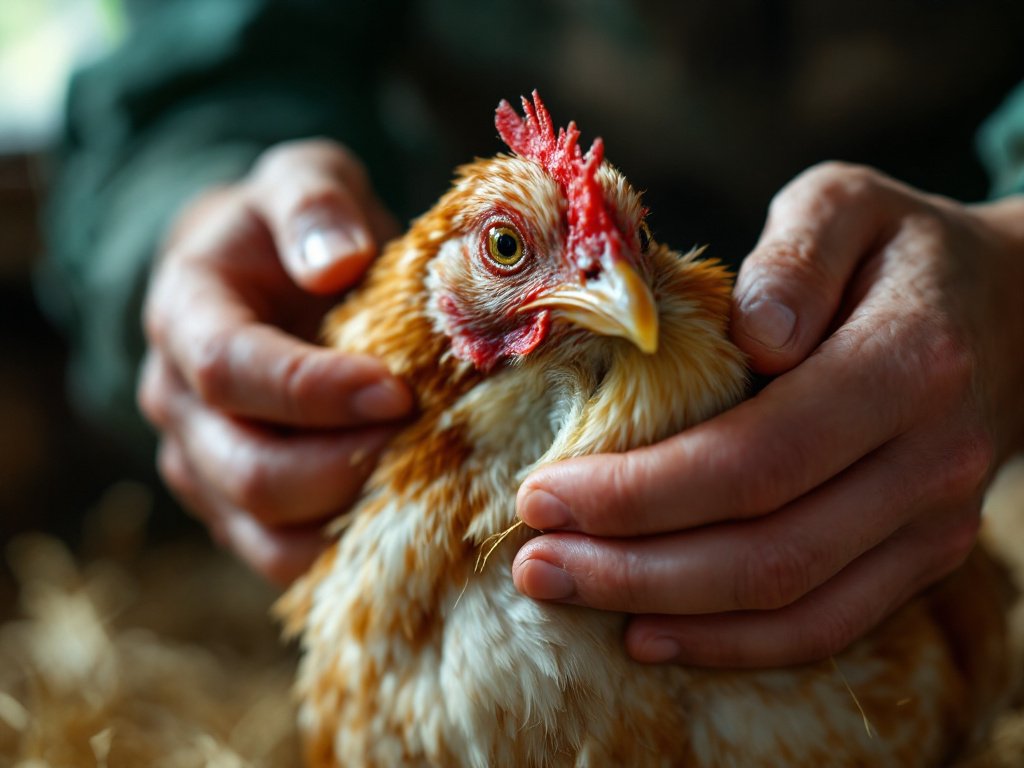
- Gently massage the crop: For about 5 minutes, work your fingers from the bottom of the crop toward the head and beak, but do not invert the bird. Fluid could otherwise enter the lungs. Many owners recommend a towel wrap for small or feisty hens.
- Add a few drops of olive or coconut oil: Use a dropper or syringe (without a needle) to help loosen congealed feed. Usual amount is “a few drops” – not more.
- Administer a probiotic supplement and diluted apple cider vinegar (ACV): Mix ACV at about 1 teaspoon per quart of water. Provide a probiotic—such as live yogurts or commercial poultry probiotics, if available. This helps restore healthy gut flora.
- Monitor for improvement over 24–48 hours: A healthy crop should be empty or nearly empty in the morning. If the mass persists 2 days after treatment, or if the hen becomes lethargic or dehydrated, you need to involve a poultry vet.
- If vet care is available: Veterinary intervention may include crop flushing (rarely safe to attempt at home), antifungal medication (nystatin or other antifungal medication prescribed by a poultry veterinarian), or minor surgery for severe impaction or necrosis. Always weigh the risk and cost; typical fees can range from $50 for a consult to $250 or more for procedures (source).
Home remedies like oil, ACV, and probiotics usually cost less than $10–$20 total. Commercial poultry antifungals (e.g., copper sulfate or nystatin) and professional vet care come with higher costs and increased risk if done without expert guidance. Mild cases often improve within a few days; severe cases may take 1–2 weeks or longer (source).
- Never try to flush the crop yourself unless trained—a misplaced tube or fluid can do more harm than good (source).
- Don’t give any copper sulfate or nystatin without dosage instructions from a knowledgeable poultry vet; copper toxicity is a real risk.
- Once resolved, gradually reintroduce soft, bland feed and grit. Check the crop every morning for a week.
For more step-by-step chicken health fixes and affordable feed options, see our guide to the best chicken coop bedding for odor control and hygiene, or upgrade to a no-waste chicken feeder to prevent feed contamination.
Cost, Pitfalls & Owner Challenges (What Most Miss)
Many sour crop home remedies are safe and effective for straightforward cases—but owner pain points, costs, and real-world challenges often get glossed over by generic advice. Here’s what you really need to watch out for:
Common Pitfalls When Treating Crop Problems in Hens
- Misidentifying sour crop vs. impacted crop: A squishy crop with sour breath points to yeast infection; a hard or doughy crop means impaction. Getting this wrong can make the problem worse.
- Unsafe or overly aggressive crop massage/flushing: Inexperienced handling can bruise, rupture, or cause aspiration (choking).
- Incorrect or risky dosing of antifungals: DIY copper sulfate or nystatin dosing can cause toxicity; always consult a poultry vet for guidance.
- Delaying professional help: If home measures don’t improve signs within 48 hours, hesitation can increase risk and cost—especially if surgery is eventually needed.
Cost Comparison Table: Home Remedies vs. Vet Care
| Option | Typical Cost | Time to See Results | Risks |
|---|---|---|---|
| DIY home care (oil, ACV, massage, probiotics) | $0–$10 (oil/vinegar), $5–$12 (probiotic), up to $20 with antifungal | 2–4 days (mild cases) | Missed diagnosis, risk of aspiration during massage |
| Veterinary exam + meds | $50–$150 (exam) + $10–$30 (meds) | 1–7 days | Higher cost, limited poultry vet access |
| Surgical crop flushing/minor surgery | $100–$250+ | Up to 2 weeks for recovery | Anesthesia risks, longer downtime, higher cost |
Owner Pain Points and Real-World Tips
- Lack of local, experienced poultry vets—rural areas in particular.
- Difficulty restraining and safely treating a distressed hen without extra hands.
- Frustration with conflicting advice about crop massage and home remedies.
- Hard to find reliable poultry probiotics or antifungal meds locally.
To address these, always have a basic chicken first aid kit on hand and establish contact with a poultry-knowledgeable vet even before problems arise. Order supplies in advance and keep a flock health log for monitoring patterns.
Uncommon but Vital Preventive Steps
- Rotate and clean feeders and waterers weekly to avoid mold and biofilm buildup.
- Use a dedicated chicken waterer for clean supply—even in winter (heated waterer guide).
- Offer grit and high-quality, dry feed. See our grit guide for proper types and ratios.
- Track flock health in a simple journal, noting crop texture, behavior, and appetite weekly.
- Follow an ongoing probiotic schedule post-antibiotics or illness.
For a deep dive on improving coop conditions to prevent crop and other digestive issues, learn how to clean a chicken coop properly, or see our advice for cold weather chicken coops if your flock faces seasonal stressors.
Conclusion: Mastering Crop Health
Sour crop in chickens doesn’t have to spell disaster for backyard or small-scale poultry owners. By recognizing squishy, sour-smelling crops early, acting fast with evidence-based home treatment, and committing to improved flock prevention, you can keep crop problems in hens from escalating—and avoid avoidable veterinary bills. Stay observant, invest in a few practical supplies, and always be ready to escalate to professional help if your DIY plan isn’t moving the needle. Your birds—and your budget—will thank you.
If you found this guide useful, check out our full run-down on best chicken feeder no waste, best nesting boxes for chickens, or best chicken run for next-level backyard poultry care.
Frequently Asked Questions
Can my chicken die from sour crop?
Yes, if left untreated, sour crop can become deadly within a few days due to aspiration or systemic infection. Early treatment at home is effective for most mild cases. Escalate to a vet if the hen worsens or the crop stays swollen after 48 hours.
How do I know if it’s sour crop or impacted crop?
Sour crop feels squishy and liquidy, often with sour-smelling breath. Impacted crop is firm or doughy and result of grass, straw, or debris. Always check crop texture first thing in the morning and monitor changes closely.
How long does recovery take for sour crop?
Most mild cases resolve in 2 to 4 days with home treatment (isolation, probiotics, oil, ACV). Severe or recurring cases and impactions may require 10–14 days and veterinary help.
Is crop massage safe for chickens?
Gentle upright crop massage is generally safe and helpful. Never hold the bird upside down or force fluids into the beak, as this risks aspiration. If in doubt, seek trained support.
What’s the best way to prevent sour crop in chickens?
Feed a clean, dry diet with proper grit, avoid moldy scraps, keep waterers and feeders clean, use probiotics after antibiotics, and check crops weekly to catch problems early. These steps also reduce other chicken digestive issues.