
As an Amazon Associate we earn from qualifying purchases. This article contains affiliate links; we may earn a small commission at no extra cost to you.
If you want your backyard flock to thrive, choosing the best grit for chickens is non-negotiable—yet many guides skip the gritty details that actually affect digestion, cost, and egg output. Here’s how to confidently pick chicken grit, avoid common buying traps, and know exactly what specs fit chicks, pullets, and layers at every stage.
Key Takeaways
- True granite grit, sized for your flock’s age, is essential for healthy chicken digestion and nutrient absorption.
- Never substitute oyster shell or limestone “grit” for insoluble granite; each plays a separate role in your birds’ diet.
- Common mistakes—like wrong grit size, poor feeder design, or unlabelled grit—lead to costly health and performance issues.
- Why Grit is Essential for Chicken Digestion
- Step-by-Step Guide: How to Choose and Use Grit for Chickens
- Advanced Analysis & Common Pitfalls: Chicken Grit Mistakes
- Conclusion: Final Tips on Chicken Grit
- FAQ: Chicken Grit Questions Answered
Why Grit is Essential for Chicken Digestion
Chickens don’t have teeth—so they rely on grit as their internal “millstone,” grinding grains and seeds in the gizzard to properly digest feed and unlock nutrients. Unlike oyster shell, which supplies calcium, insoluble granite grit stays in the digestive tract, acting as a permanent grinding tool rather than a dissolving supplement.
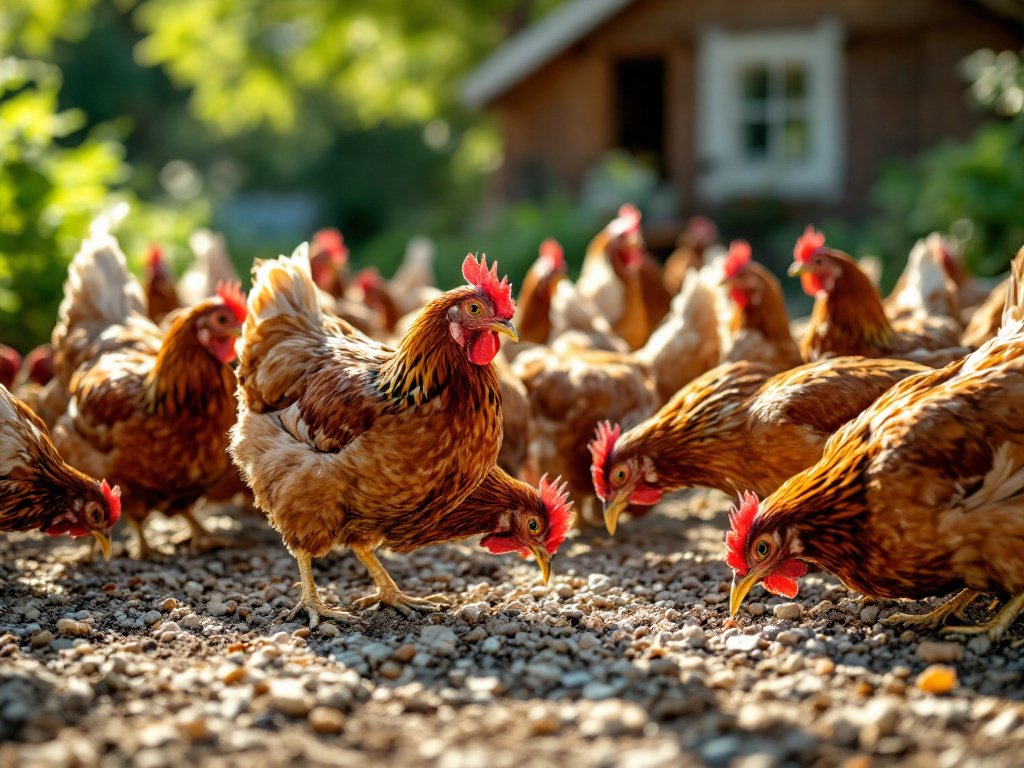
If your birds don’t get the right grit, food passes through only partially digested. This can lead to poor weight gain, dull feathers, pale combs, and even deadly crop impaction. As reported by Manning’s Feed & Seed, “Grit plays a critical role in your flock’s health and digestion. Without grit, your chickens can’t properly break down grains… this can lead to poor nutrient absorption and crop impaction.”
It’s a common backyard myth that chickens will always find what they need outside. In reality, chickens housed on grass, mulch, or sand often can’t find enough hard, insoluble material, which means they’re missing a vital piece of their digestive toolkit. This gap is amplified for birds on commercial feed, since pelleted or crumbled rations still require gizzard action for max efficiency—especially when offering scratch grains, garden trimmings, or free-range forage.
Critically, grit and oyster shell are not interchangeable. Grit = digestion, oyster shell = calcium and shell strength. Get this wrong, and you’ll run into health setbacks quickly.
Step-by-Step Guide: How to Choose and Use Grit for Chickens
Most brands now label their poultry grit clearly, but the specs can still confuse even experienced keepers. The “best grit for chickens” isn’t just the first granite bag you see—it should be matched to your flock’s life stage, sourced from a trusted mill, and offered in a way that prevents waste or harm.
Here’s how to match and use grit for all flock members:
- Chicks (up to 6 weeks): Use “starter” or “fine” chick grit, sized fine starter grit (about 1–2 mm). Never offer adult or even “grower” grade to chicks; large stones can choke tiny birds. Fine grit promotes rapid gizzard abrasion and healthy digestion from hatch. If chicks are on purely commercial crumble (no treats), grit is less essential but still beneficial for development.
- Growers (6‑18 weeks): Upgrade to “grower” grit, small grower grit (about 2–4 mm). At this stage, birds are curious and eat rapidly—choose a grade that’s easy to pick up but not so small it passes through undigested. The 2‑4 mm size strikes this balance and keeps pullets healthy as they bulk up for adulthood.
- Layers & Adults (over 18 weeks): Switch to “layer” or “adult” grit, larger adult grit (about 4–6 mm). Larger granite pieces give mature birds the surface area and longevity needed to grind grains, corn, and forage efficiently—and the stones will last weeks in the gizzard before passing through naturally.
Always buy bags that specify “insoluble granite grit” and ignore any labeled as oyster shell, limestone, or calcium grit. According to Scratch and Peck, “Grit is made from granite or flint… it has no nutritional content but aids in digestion. Oyster shell gives slow-release calcium.” For optimal results, store grit in a sealed, dry place and only refill when the feeder runs low—discard old, damp, or contaminated product.
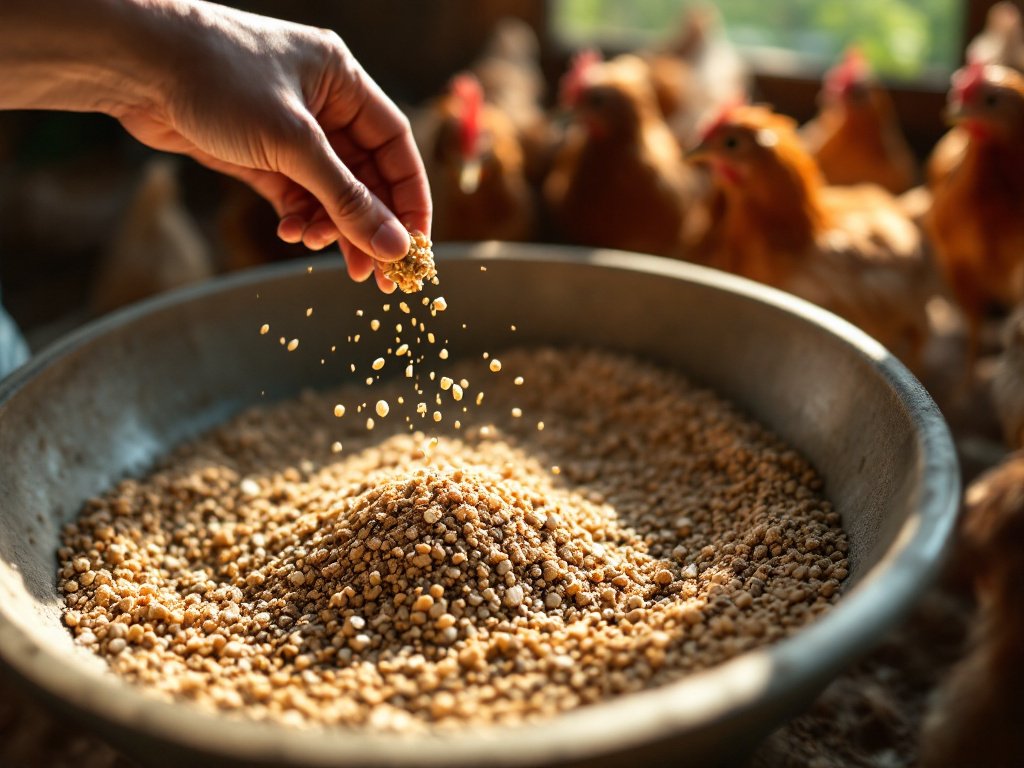
For price and quality, expect a small bags of chick grit often cost more per pound than bulk feed-store sacks, which are usually the most economical option for larger flocks. Certified organic, feed-grade or poultry-specific, or non-GMO feed-grade products often run a few dollars more per pound. Sourcing from bulk supply is more cost-effective for larger flocks, but always check for clean labeling, dust control, and ingredient transparency. For smaller flocks or those in extreme climates, check out guides to cold weather chicken coops and heated chicken waterers to support your birds in every season.
If in doubt, remember this: offer grit separately, choose the right size, and double-check the label for “granite” or “insoluble stone”—never oyster shell for digestion support.
Tip: Many poultry keepers mix up grit and oyster shell storage. Keep each supplement in its own dish with a clear label.
Want to reduce waste and prevent overgrazing? Try adding a no-waste feeder (see best chicken feeder no waste) beside your grit and oyster shell stations—your birds will thank you, and your wallet will too.
Chickens also benefit from tidy, draft-free coops and dry bedding, especially in winter—see best chicken coop bedding for options that work in all climates.
Advanced Analysis & Common Pitfalls: Chicken Grit Mistakes
Even with the basics down, several overlooked mistakes cause issues for backyard keepers. Here’s how these problems play out—and how to avoid them before they hit your flock or budget:
| Failure Mode | What Causes It? | How to Prevent |
|---|---|---|
| Choking or Gagging | Grit that is too large, irregular, or sharp-edged for your chicken’s age group | Always match grit size to life stage; examine the product before use |
| Gizzard or Crop Impaction | Grit that is too fine and passes through quickly, or clumps with moist feed | Choose proper grade; never mix grit into wet food; offer separately |
| Avoidance / Reduced Intake | Grit and feed mixed in same dish, or feeder is shallow, dusty, or hard to access | Use deep, separate grit feeders; keep product dry and dust-free |
| Substituting Oyster Shell or Limestone | Misreading labels or relying on calcium “grit” instead of actual granite | Buy only true “insoluble granite grit” |
| Buying Unlabeled/Unprocessed Grit | Products with excess dust, heavy metal residues, or inconsistent sizes | Purchase from reputable brands or known feed stores; avoid landscaping stone |
Many generic guides (and even some suppliers) push “multi-purpose” or “all-natural” mixes that contain limestone chips, oyster shell, or just poorly sorted stones. Resist the urge to experiment—always opt for granite with primarily hard, insoluble stone such as granite or flint and check for reputable processing or feed-grade certification if available.
Don’t ignore the feeder! A shallow or lightweight dish will tip and spill, letting dominant birds hog the grit while the rest go without. Competitive birds may also foul the supply. Opt for sturdy, deep-sided dispensers with enough access for all birds at once.
Unseen threat: unprocessed grit can harbor dust or even heavy metals from mining, especially if sourced from landscaping supply rather than a poultry mill. Stick to poultry-specific options, and when in doubt, rinse or sift bulk grit before offering.
If you’re seeing poor digestion, sluggish layers, or feed disappearing too quickly, review your grit setup before overhauling your feed formula. And, if your flock spends much of the year on muddy, grassy, or snow-packed ground, adjust grit offerings seasonally—as birds find less natural grit, your supplementation becomes even more critical.
To keep your entire setup efficient and predator-proof, consider hardware upgrades from guides on hardware cloth for chickens and predator proof chicken coops. Healthy digestion starts with safety and comfort, not just what’s in the dish.
Conclusion: Final Tips on Chicken Grit
Using the best grit for chickens boils down to three non-negotiables: always use true granite grit at the correct particle size for your birds’ age, buy from reputable poultry feed brands with clear labeling, and never mix grit with oyster shell or feed. Offering insoluble grit in a sturdy, dedicated feeder keeps your flock’s digestion—and your egg basket—running smoothly.
Ready to upgrade your flock’s nutrition and avoid the most overlooked pitfalls? Check your current grit label, feeder setup, and treat each life stage with a tailor-made approach. For more practical guides, browse our deep dives on weatherproof coops and winter care essentials.
Still unsure about when or how to swap grit sizes? Just remember: the best grit for chickens is the one perfectly matched to your birds’ stage—and offered fresh, clean, and separate from calcium or feed every time. Start this habit today and see healthier digestion, stronger egg production, and fewer costly flock setbacks.
FAQ: Chicken Grit Questions Answered
Can I use oyster shell as grit for chickens?
No. Oyster shell is a soluble calcium supplement and dissolves in the digestive tract. Granite grit is insoluble and provides the abrasion required for grinding food in the gizzard. Both should be offered, but never as substitutes for each other. Source.
What size grit do chicks, growers, and adult chickens need?
Chicks: 0.8‑1.2 mm “starter” grit. Growers: 2‑4 mm “grower” grit. Adults: 4‑6 mm “layer” grit. Always match particle size to your birds’ life stage for best results.
How often should I refill the grit feeder?
Replenish whenever the dish is nearly empty or the grit becomes dirty. Grit does not go bad quickly, but it should be kept dry, clean, and always available for free-choice access.
Can I use sand or landscaping gravel as chicken grit?
No. Unprocessed sand or gravel can be irregular, dusty, or contain contaminants like heavy metals. Only use feed-grade granite grit labeled safe for poultry to avoid health risks.
Do free-ranging chickens still need supplemental grit?
Yes, especially if your ground is mostly grass, mulch, or soft soil. Chickens may not find enough hard, insoluble stones for efficient digestion. Supplement with grit year-round, checking intake especially in winter or wet weather.
—