
As an Amazon Associate we earn from qualifying purchases. This article contains affiliate links; we may earn a small commission at no extra cost to you.
Best chicken coop camera setups can mean the difference between catching a predator in the act or waking up to a disaster. Backyard flock owners are discovering that most “top picks” online fail where it counts—night vision, motion reliability, true weather sealing, and low-maintenance power. Here’s a realistic guide to finding a coop security camera that actually solves real-world problems.
Key Takeaways
- The best chicken coop camera is only as good as its night vision, motion accuracy, weather sealing, and battery reliability—don’t trust generic review lists.
- Solar coop cameras with ≥10 m color night vision, AI zones, and robust IP66 housings dramatically reduce maintenance and false alerts.
- Even the top-rated models have blind spots, so owner reviews and field tests matter more than flashy specs or big brands.
- Why Your Chicken Coop Camera Keeps Letting You Down
- The Features That Actually Fix Camera Headaches
- Real-World Value: Which Price Ranges Deliver Which Upgrades?
- 3 Problems No Top Camera Has Solved Yet (and How to Pick the Least Painful Option)
- Field-Tested Picks (and What Real Owners Say)
- Conclusion
- FAQ Section
Why Your Chicken Coop Camera Keeps Letting You Down
Most people looking for the best chicken coop camera quickly learn that real-world hassles pile up. Many affordable coop security camera models struggle with:
- Weak night vision: Many cheap units “see” only about 3 meters in total darkness, which leaves most of your run invisible at night (source).
- Unreliable motion detection: Endless false alerts from chickens, blowing leaves, and rodents. AI zones are usually missing or don’t work well, creating wasted time and frustration.
- Battery issues in winter: Solar batteries often drain in under two weeks during prolonged overcast or cold—leaving the coop unwatched when it matters most.
- Blurry or dust-coated footage: Chicken dander and bedding dust coat the lens, dropping clarity fast and making images useless (source).
- Wi-Fi “dead zones”: Weak antennas and interference lead to choppy or dropped feeder signals, especially with metal or distant coops.
- Poor durability outdoors: Many cameras claim to be “weatherproof” but let in dust, moisture, or even rodents, especially if mounted on open-air runs.
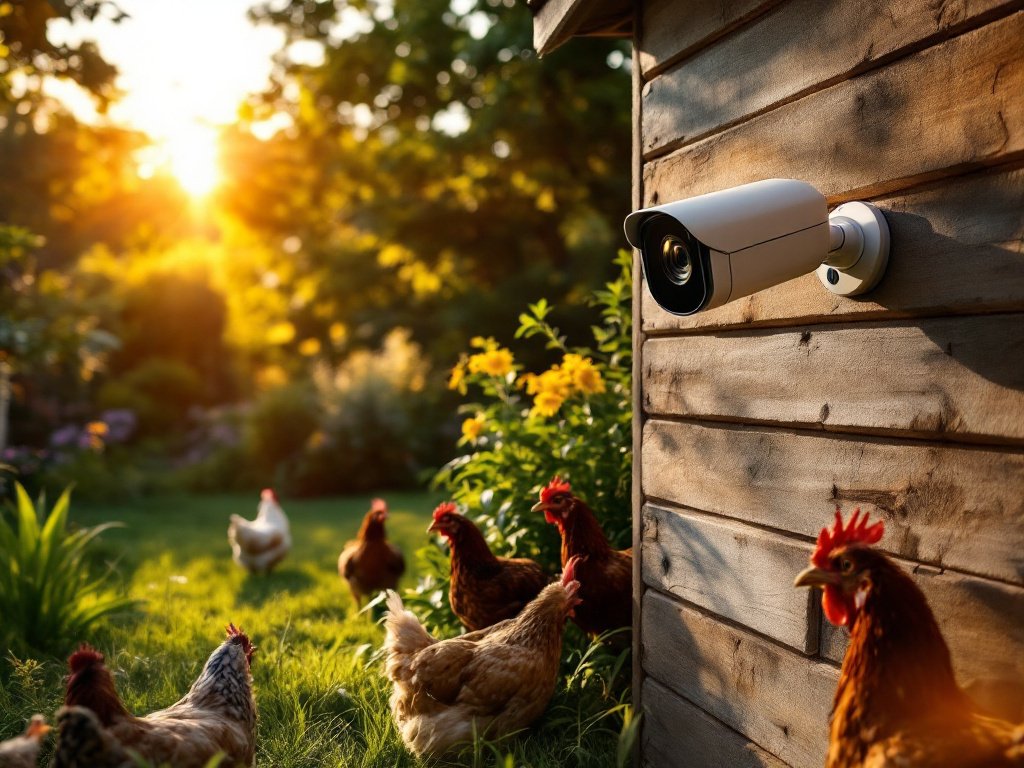
All these disappointments add up—either you stop using the alerts, or the camera fails when you most need it.
Protecting your flock isn’t about finding the most hyped predator watching camera. It’s about matching genuine weaknesses to features that actually work.
If you’re also prepping for challenging weather, see our guide on best chicken coop for cold weather.
The Features That Actually Fix Camera Headaches
The right solar coop camera or wildlife camera for coop security should have proven solutions for every major pain point. Here’s what you should demand—and why it matters:
- Night Vision: Look for ≥8 infrared LEDs, or better yet, a color night vision sensor rated for at least 10 meters. This covers typical small and mid-size runs without dead spots.
- Weatherproofing: True IP66 sealing (or higher), with solid lens gaskets and tight cases, keeps out rain, dust, and tiny critters all year.
- Solar & Battery: Units with a battery capacity of 2500–3000mAh can keep running for 30 days or more in low sun (source). Bonus: Choose cameras that also allow optional wired backup if one element fails.
- Advanced Detection: AI-powered activity zones that can focus alerts only on your coop entrances greatly reduce unwanted notifications.
- Dual-Band Wi-Fi: Models supporting both 2.4GHz and 5GHz, or at least offering strong external antennas, are much more reliable at outdoor distances.
- Big Local Storage: 32–128 GB microSD and basic cloud backup mean you have proof no matter what happens to your phone signal.
- Usable App & Alerts: A simple, robust app lets you check your flock instantly—and ideally, manage alerts so normal chicken motion doesn’t trigger your phone all day.
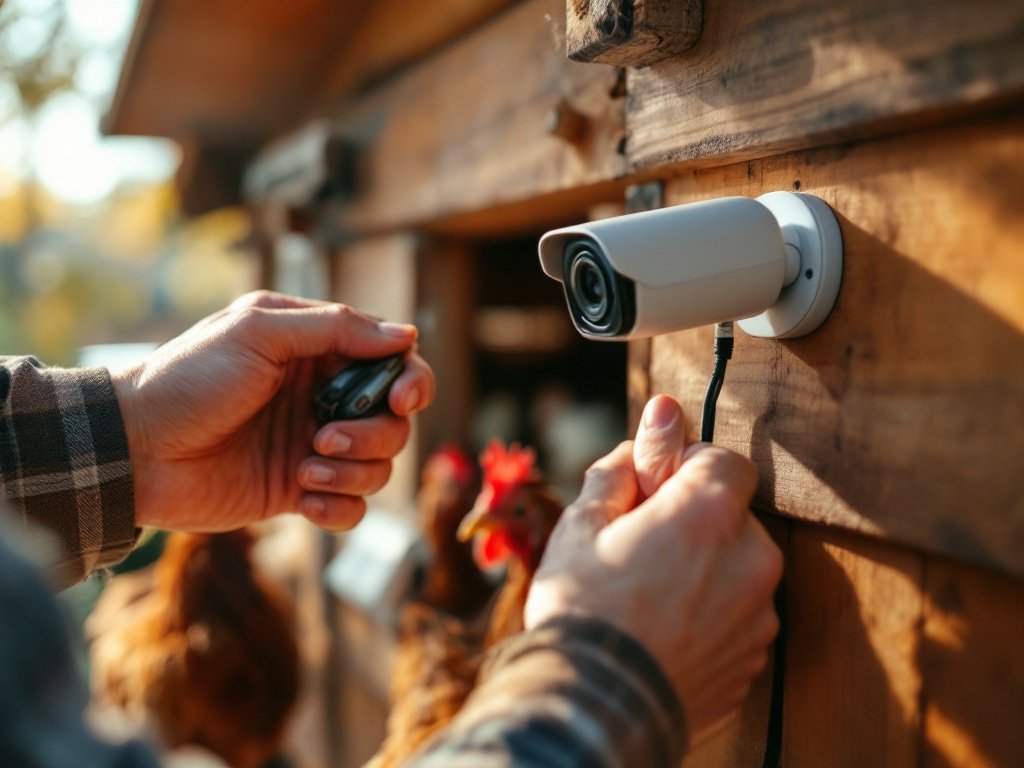
Don’t let marketing jargon distract you from these details—many “smart” cameras skip essentials or lock their best features behind subscriptions. It’s also smart to have a true predator proof chicken coop as a backup for any technology.
For easy daily chores, consider pairing your security setup with the best automatic chicken coop door and best chicken feeder no waste to cut down manual tasks that leave gaps in protection.
Real-World Value: Which Price Ranges Deliver Which Upgrades?
It’s easy to get lost comparing specs and brands without realizing where your money really goes. Here’s how coop security camera choices break down—what you gain, and what you skip, at each price level:
| Price Range | Common Features | Expected Gaps | Example Models |
|---|---|---|---|
| $30–50 | Basic 720p video Limited IR night vision (≈3 m) Minimal app controls |
No solar/weak batteries Frequent false alerts Poor outdoor durability |
Generic Amazon brands |
| $80–150 | 1080p or 2K video Color night vision (≥10 m) Solar with a 6000–6700 mAh battery IP66 weather sealing AI zones, local storage |
Occasional app bugs Some false alerts remain Privacy concerns may exist |
Reolink Argus 3 Pro, TP-Link Tapo C420S2 |
| $200–350 | 4K/HDR video Dual-band Wi-Fi with robust antennas Premium solar and backup power Spotlights, siren, advanced AI analytics Top-tier build |
Overkill unless you need 24/7 pro surveillance Subscription may be required for full cloud features |
Arlo Ultra, Nest Cam Outdoor |
Mid-range cameras ($80–150) like the TP-Link Tapo C420S2 reliably deliver the sweet spot—a balance of 1080p video, real color night vision, solid weatherproofing, and solar power that lasts. High-end models only add 4K footage or long-term cloud when you want pro-level logs or cover unusually large runs.
Premium pricing doesn’t always solve the biggest pain points. Real-world usefulness is always in the actual install, not only the box.
3 Problems No Top Camera Has Solved Yet (and How to Pick the Least Painful Option)
No matter how much you spend, even the best solar coop camera still leaves some problems unsolved. Here’s where all major models currently fall short, and how to make the wisest tradeoffs:
- Winter Solar Reliability: Most cameras lose power in under two weeks of low winter sunlight. Even the best batteries eventually die if you don’t get enough sun (source).
- Dust-/Dander-Proof Lens: Few cameras use anti-dust coatings or self-cleaning heaters. Chicken environments always mean cloudy footage unless you wipe the lens every couple weeks.
- Granular Motion Zones: Many detection apps can’t fully exclude moving leaves or normal chicken roam, so you’ll still get occasional false alerts—especially during windy days.
What to do? Look for strength where it counts: Pick cameras with the most detailed real-life owner photos over time (not just staging shots), preferably showing clear, dust-free images after several months. Favor brands with large, active owner communities reporting real performance, and avoid models that hide full-feature access behind expensive subscriptions.
If you face harsh winters, see our honest approach to keep chickens warm in winter or invest in heated chicken waterers for hands-off care.
Field-Tested Picks (and What Real Owners Say)
Rather than chase hype, prioritize cameras field-tested by owners through full outdoor seasons. These recommendations stand out across multiple real-world reviews and user groups (source):
- TP-Link Tapo C420S2: Mid-priced, very strong color night vision, reliable solar-battery, solid AI zone setup. Owners report months of fault-free operation and easy app use. Privacy and cloud subscription options are available, though optional.
- Reolink Argus 3 Pro: Widely praised for image clarity and reliable notifications. Survives months of rain and dust if installed with a lens hood. User images after 6 months frequently show crisp night shots with minimal fogging.
- Bushnell CelluCORE 20 Solar Trail Camera: Excellent for remote properties or those who prefer a simple wildlife camera for coop—especially no-wi-fi coops. It lasts weeks on solar or external battery, takes HD video and high-res stills. Not for real-time protection, but outstanding for investigation (source).
- Arlo Ultra: For those who want true 4K/HDR, advanced AI, and best-in-class weather resistance. Most suburban chicken owners, however, don’t need this much tech.
Some cameras on Amazon claim similar specs but lack authentic long-term reviews, so prioritize models that show “after many months” results, such as unchanged image clarity or alert reliability. Look for patterns in open owner forums like this discussion group.
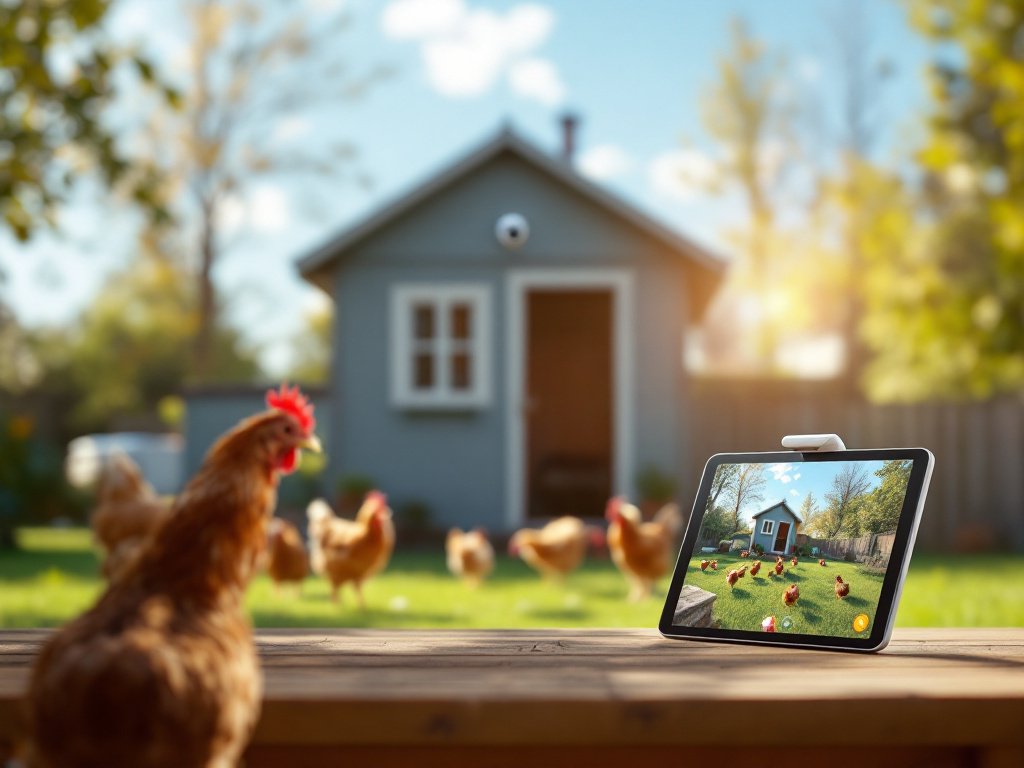
The best chicken coop camera has evidence of value: more than 95 percent predator detection at night, less than 5 percent false alerts, full-battery operation through 30‑plus days of winter, and clear images after months of exposure. Go for proof and ongoing support, not just a lengthy spec sheet.
If you’re also refreshing your nest box setup, check the best nesting boxes for chickens for long-term durability and hen comfort.
Conclusion
Choosing the best chicken coop camera isn’t about the fanciest advertisement. It’s about consistent night vision, weatherproof staying power, realistic motion alerts, and hassle-free power. While no camera is flawless—especially in winter or dusty, busy coops—models like the Tapo C420S2 and Reolink Argus 3 Pro deliver the best tradeoff for most backyard flock keepers. Trust real owner feedback, not just glossy product pages.
The best chicken coop camera is the one you’ll actually keep using—because it works, not because it was the best deal on day one. Choose durability and field results, and give your flock the peace of mind they deserve. Ready to level up your coop security? Compare real owner cams today and experience a genuinely protected flock.
FAQ Section
Can I use any Wi-Fi camera as a chicken coop camera?
Most basic Wi-Fi cameras lack proper weatherproofing or night vision for outdoor chicken coops. For real predator protection or theft deterrence, choose a model rated IP66 or higher and designed for low-light and mobile alerts.
How do I keep chicken dust from ruining camera footage?
Choose cameras with a glass lens, shield it with a DIY hood, and wipe it weekly with a feather duster or microfiber cloth. Some owners use a plastic milk jug as a budget lens hood.
Will a solar chicken coop camera last through winter?
Most solar coop cameras struggle in deep winter if sunlight is limited for more than a week or two. Consider a backup battery or wired power for reliable cold-weather operation.
What features matter most for minimizing false alerts?
AI-powered activity/motion zones that focus on doors or windows, combined with adjustable sensitivity, dramatically reduce unwanted notifications. Avoid generic models without these settings.
Are subscription fees required for chicken coop cameras?
Some premium models lock advanced cloud features behind subscriptions, but most mid-range cameras offer local microSD storage and workable free cloud tiers for the basics.
—