
As an Amazon Associate we earn from qualifying purchases. This article contains affiliate links; we may earn a small commission at no extra cost to you.
Best poultry vitamins and electrolytes aren’t just for show birds or big farms—they’re a lifeline for backyard chickens, especially when heat, stress, or illness hit your flock. If you care about strong eggshells, happy birds, and reliable production, ignoring their vitamin and mineral balance is risky. This expert guide compares the most recommended products by real keepers, details exactly what’s in them, and warns you about overlooked issues that could affect your flock—so you don’t waste money or jeopardize your hens.
Key Takeaways
- Choosing the right poultry vitamin and electrolyte supplement improves flock health, especially during heat or illness, but picking the wrong type can reduce water intake or cause unnecessary waste.
- Many chicken keepers struggle with dosing confusion and don’t get clear answers about safe long-term use and product compatibility—be cautious and start simple.
- Sav-A-Chick, Dawelyte, Poultry Pack, Hydro-Hen (verify product name before publication), and Nutri-Drench Poultry are the leading picks for 2026, but each has unique tradeoffs in cost, ingredients, and ease of use.
- Why Electrolytes and Vitamins Are Essential for Healthy Chickens
- Top 5 Best Poultry Vitamins and Electrolytes (Specs, Prices, and Formulations)
- User Pain Points: What Most Chicken Keepers Struggle With
- Essential But Overlooked: 3 Topics No One’s Covering (and Why They Matter)
- Choosing What’s Best for Your Flock: Key Takeaways and Action Steps
- FAQ: Best Poultry Vitamins and Electrolytes
Why Electrolytes and Vitamins Are Essential for Healthy Chickens
Balanced minerals and vitamins do more than “boost immunity.” For backyard and small-flock keepers, the right vitamin supplement for chickens means improved egg production, resilience to weather swings, and better survival under stress. Chickens, like all animals, need a balanced diet rich in vitamins and minerals to thrive. For laying hens, even a tiny deficiency will decrease egg production
(source).
When weather spikes or birds are stressed, electrolytes—sodium, potassium, magnesium, calcium—help prevent dehydration and metabolic collapse. Electrolytes work fastest in water. Vitamins A, D3, E, and C help with immunity and recovery, especially during molting or after illness. Using a water additive or vitamin mineral supplement for chickens is critical in summer or after flock disruptions.
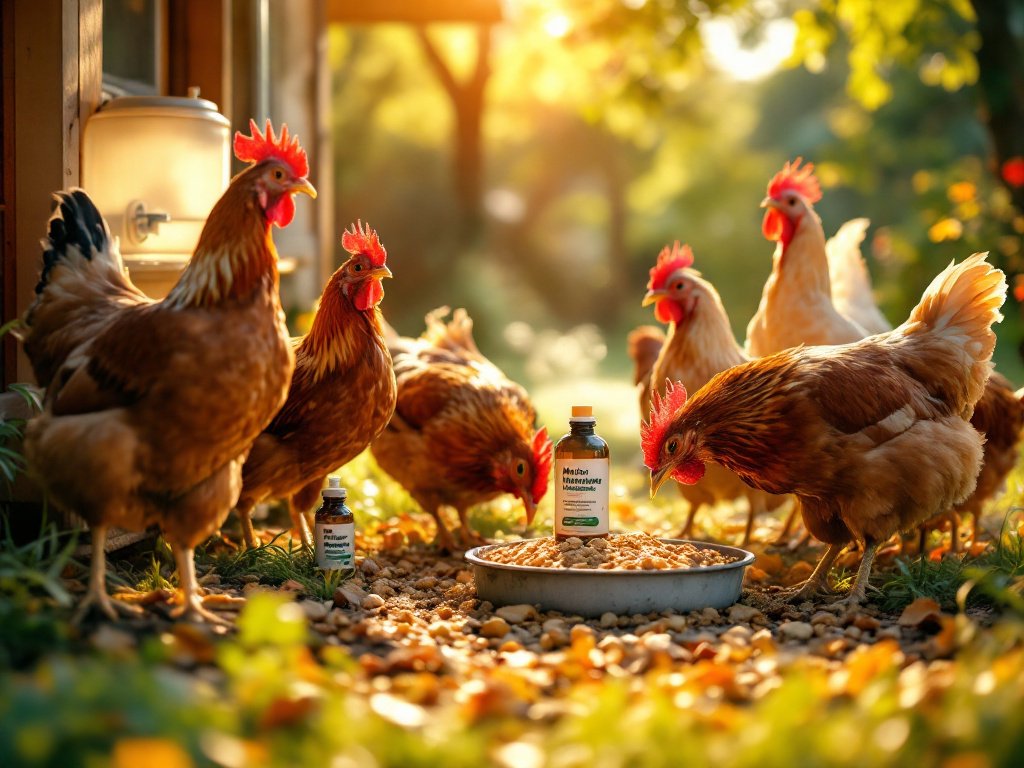
Top 5 Best Poultry Vitamins and Electrolytes (Specs, Prices, and Formulations)
Thousands of poultry keepers compare brands, but product labels rarely make it easy. Here’s how to break down the top 5 picks for 2026 in exact terms—so you can decide what fits your flock, budget, and comfort level.
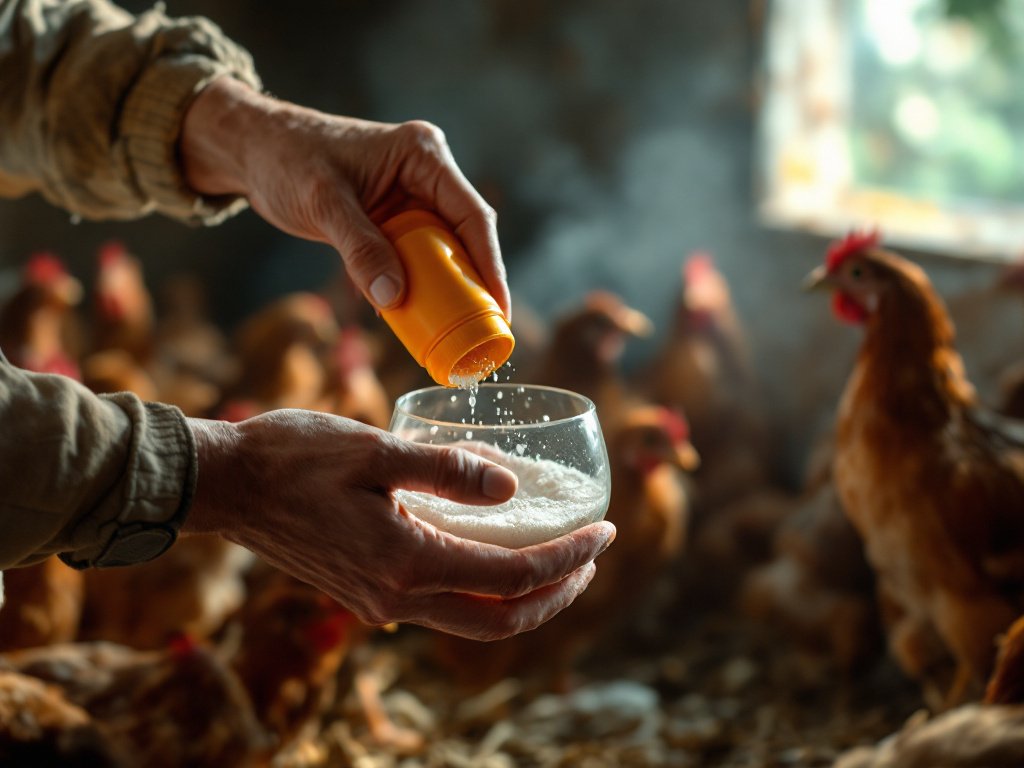
Here’s a head-to-head look at the most commonly recommended water additive and vitamin supplement for chickens, with ingredient transparency and mixing instructions.
| Product | Type | Ingredients | Dosing & Admin | Formulation Year | Price Range | Notable Advantages |
|---|---|---|---|---|---|---|
| Sav-A-Chick Vitamin & Electrolyte Packets (see details) |
Powder, single-use packet | 3g blend (sodium chloride, potassium carbonate, magnesium sulfate, calcium carbonate, vitamins A, D3, E) | 1 packet/1 quart or 1 packet per label-directions | 2024 | $8–$12/3-pack | No measuring, stays potent, minimal waste |
| Dawelyte® (see details) |
Liquid concentrate | Sodium, potassium, magnesium, calcium, trace zinc, copper, manganese, vitamin C, vitamin E | 8 oz/128 gal, 3-5 days | 2023 | $22/10-oz bottle | Easy bulk mixing; heat stress & scours support |
| Poultry Pack | Powder, resealable | Full B-complex, vitamins A, C, D3, E, minerals (sodium, magnesium, potassium), trace minerals | 1 pack/2 gal, 3-5 days | 2022 | $18/10-oz pack | Wide vitamin profile, good for recovery |
| Hydro-Hen | Powder, bulk bag | Vitamin C, D3, E, sodium, potassium, magnesium, calcium, β-hydroxy-β-methylbutyrate | 2 tbsp/10 gal, 7 days | 2025 | $15/5-lb bag | Gut health booster, lasts long, summer use |
| Nutri-Drench Emergency Electrolyte | Powder, individual packets | Sodium chloride, potassium chloride, magnesium sulfate, calcium lactate, vitamin C, B-complex (B1, B2, B6, B12) | 1 packet/1 gal, 3-5 days | 2024 | $10/30-packet kit | Rapid recovery, easy portioning |
All these chicken electrolyte powder and liquid options are mixed with drinking water. Some (like Sav-A-Chick Electrolyte Packets and Nutri-Drench) are easy for new keepers because they come in single-dose packets—no math or scoops. Others (like Hydro-Hen and Dawelyte) offer bulk options, which are cheaper per treatment for larger flocks. Pick a supplement that matches your scale, flock stress levels, and willingness to measure accurately.
For more ways to keep birds hydrated in all seasons, see our guide to the best heated chicken waterer.
User Pain Points: What Most Chicken Keepers Struggle With
It’s not all sunshine—many flock keepers experience frustration or setbacks with chicken electrolyte powder, vitamins, and water additives. Here’s what to watch out for:
- Poor palatability: Some supplements taste odd or smell strong, discouraging hens from drinking. If water intake drops, birds become dehydrated even faster in heat.
- Dosing confusion: Label instructions may rely on gallons, liters, or even “flock size” math, leading to wide concentration errors if you’re mixing quickly or distracted.
- Heat stress relief isn’t always as simple as “just add powder.” Birds may need added ice, fans, or other cooling methods, not just minerals, especially during severe heat waves. For advice on direct summer cooling and managing heat risk, visit keep chickens cool in summer.
- Storage life: Opened bulk tubs can suffer from clumping or lose potency if exposed to humidity or heat. Single-use packets last longer but waste more packaging.
- Mixing headache: If you only have a small flock, mixing five gallons just for dosing is overkill and leads to waste or incorrect dilution. It’s best to choose a format that matches your daily water needs exactly.
Users repeatedly cite three core pain points: inadequate heat-relief dosing guidance, poor palatability that reduces water intake, and cumbersome mixing or measuring that leads to inconsistent concentrations.
| Format | Examples | Key Pros | Main Cons |
|---|---|---|---|
| Powder, single-dose packets | Sav-A-Chick, Nutri-Drench | No scooping, always fresh, great for small flocks | Costs more per dose, more packaging waste |
| Bulk powder | Poultry Pack, Hydro-Hen | Cheaper per use, ideal for bigger flocks | Easy to mismeasure, can clump after opening |
| Liquid concentrate | liquid concentrate | Fast mixing for big waterers/brooders | Can settle or leak, sometimes tricky for tiny flocks |
For those especially worried about waste and mess, options like chicken nipple waterers help keep treated water fresh and prevent accidental spills.
Essential But Overlooked: 3 Topics No One’s Covering (and Why They Matter)
Even the top search results rarely mention these critical subtopics, but they matter for long-term flock health and practical decision making.
- Safe long-term use and mineral balance: Some keepers wonder: “Can I use electrolytes every day?” Most products don’t clarify how prolonged use might build up sodium or potassium. Without clear guidance, there’s risk of mineral imbalance or wasted money from unnecessary use. Always monitor for changes in droppings, appetite, or eggshell quality.
- Mixing with medicated feeds, vaccines, or probiotics: Few guides or labels explain if it’s safe to dose water with supplements while feeding medicated feeds, giving vaccines, or using flock probiotics. Compatibility matters—you don’t want vitamins, antibiotics, and probiotics clashing in the same waterer. The market lacks obvious compatibility charts, so consult products directly or mix in sequence with fresh water.
- Environmental and packaging impact: Many small packets mean extra plastic waste. Some bulk tubs use recyclable plastic, while others do not. Environmentally-minded keepers should look for brands disclosing their packaging recyclability and ingredient sourcing. For more on responsible flock management, see our tips on managing feed waste.
Top competitors also neglect three sub-topics: (i) clear guidance on safe long-term use and monitoring, (ii) compatibility charts for co-administration with medicated feeds, vaccines or probiotics, (iii) sustainability information on packaging waste and raw-material sourcing.
For practical resource-saving flock tips beyond supplements, see our guides to bedding and grit for chickens.
Choosing What’s Best for Your Flock: Key Takeaways and Action Steps
Here’s how to take action and avoid wasting money or risking bird health when choosing the best poultry vitamins and electrolytes for your flock.
- Keep it simple: For most backyard flocks, start with single-use packets or small batch products. Gradually move to bulk if your confidence and flock size grow.
- Monitor palatability: Watch water consumption closely in the first day of use. If birds consume less, stop and try another brand or dilution.
- Only supplement when needed: Use vitamins and electrolytes after heat waves, times of stress, sudden egg drop, or illness. For routine days with normal eating and drinking, plain water is safest.
- Review compatibility before mixing: Avoid overlapping supplements with probiotics, vaccines, or antibiotics unless the label allows it. When in doubt, offer plain water between doses.
- Choose products easy to use and measure: Ease of administration is key—“Choose a supplement easily mixed into drinking water without affecting palatability.” (source)
Some keepers like to keep electrolytes in their chicken first aid kit or brooder setup. For more checklists, see our best chicken first aid kit and brooder setup tips.
With so many options, choosing the best poultry vitamins and electrolytes is easier when you match your supplement to your flock’s typical stress points, waterer style, and your willingness to monitor outcomes. Focus on products with clear dosing, proven palatability, and minimal mixing drama. Try one, observe, and stick with what your flock responds to. Ready to support your birds with confidence? Choose a supplement from this list and watch your flock thrive.
FAQ: Best Poultry Vitamins and Electrolytes
How often should I use poultry vitamins and electrolytes?
Use supplements during times of stress, extreme heat, after illness, transport, or flock changes. For routine days, clean water is usually best unless a vet recommends ongoing support.
Can I use vitamin and electrolyte water additives with medicated feed?
Most labels don’t specify—so, if using medicated feed or giving vaccines, alternate plain and supplemented water, or check with a poultry-savvy vet before combining products.
What if my chickens refuse treated water?
If a product reduces water intake by smell or taste, stop immediately and flush the waterers with fresh plain water. Try another brand or dilute the product further as directed. Hydration comes first.
What is the shelf life for chicken electrolyte powder?
Single-use packets stay fresh longest, bulk powders often lose potency or clump after opening, especially in humid environments. Always store in sealed, dry containers and check the expiry date before use.
Can I give vitamins and electrolytes to chicks?
Yes, but use only chick-safe formulas and follow age-specific dosing instructions on the product label for best results.
—
Sources
- Raising Chickens: Best Chicken Vitamins and Supplements
- Tractor Supply: Rooster Booster Vitamins and Electrolytes with Lactobacillus
- Tractor Supply: Rooster Booster Poultry Booster Vitamin and Mineral Supplement
- MSD Veterinary Manual: Vitamin Deficiencies in Poultry
- Chickhen World: Best Vitamins for Chickens