
As an Amazon Associate we earn from qualifying purchases. This article contains affiliate links; we may earn a small commission at no extra cost to you.
Fix a muddy chicken run fast—or you risk far more than just dirty boots. Soggy, poorly drained runs bring real headaches, from sick flocks to costly coop repairs and ongoing mud management stress. The good news? With the right drainage plan, most backyard chicken keepers can reclaim a dry, healthy run—without breaking the bank.
Key Takeaways
- Trapped moisture in a chicken run causes health hazards, potent odor, and persistent mud issues—proper drainage solutions are the cure.
- Effective fixes range from quick, low-cost mud management tricks to permanent upgrades like gravel, grid panels, and French drains—with price tags and labor to match.
- Plan for real-world pitfalls: clogged pipes, shifting gravel, and the reality of hard digging can turn run upgrades into more work and expense if you’re not prepared.
- Why Fixing a Muddy Chicken Run Matters (And What Can Go Wrong If You Don’t)
- Quick Guide: What Causes Standing Water in Your Chicken Run?
- Chicken Run Drainage Solutions—Specs, Materials, and Real Costs
- The French Drain Chicken Run: How (and When) It Works Best
- Pitfalls, Owner Reviews, and What to Watch Out For
- Fast Fixes vs. Long-Term Solutions (What’s Best for Your Flock?)
- Final Cost and Time Chart: Choose Your Ideal Fix
- FAQs About Fixing a Muddy Chicken Run
Why Fixing a Muddy Chicken Run Matters (And What Can Go Wrong If You Don’t)
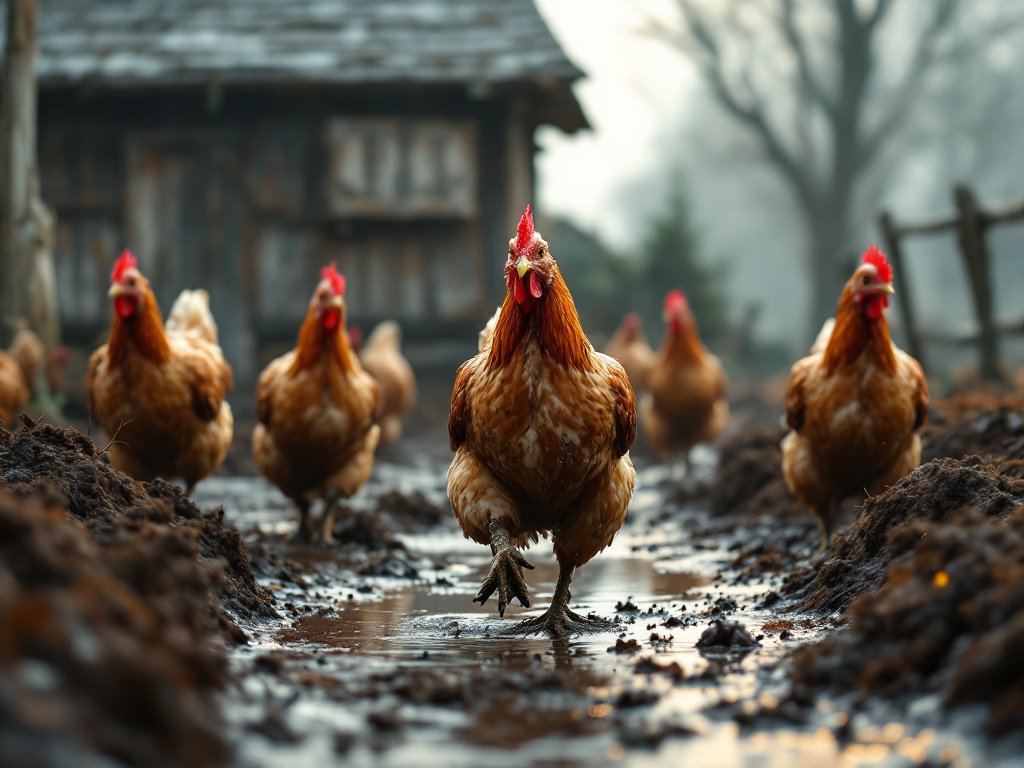
Letting mud and standing water take over your chicken run is a recipe for disaster. According to many keepers, the five biggest complaints with muddy chicken runs are persistent ammonia odors from wet bedding, spikes in parasites and bacteria such as bumblefoot and fly infestations, stress and leg injuries as birds slip in muck, damage to your coop’s foundation and walls, and predators lurking in soggy ground. If drainage isn’t fixed, everything from egg production to coop structure is at risk. Poor drainage creates muddy, parasite-laden, disease-promoting conditions that harm flock health year-round—even for owners trying their best with bedding swaps and cleaning.
Quick Guide: What Causes Standing Water in Your Chicken Run?
Sometimes the real culprit for standing water in run is hidden in your yard’s design. Top causes include:
- Poor site selection: Low spots or clay-heavy soils trap water instead of draining it away.
- Lack of natural slope: Flat ground or backward sloping patches direct water towards the coop, not away.
- Saturated soils and compaction: Over time, chicken traffic compresses soil, closing up even sandy ground to water.
- Enclosed run design: Solid roofing or fencing can reroute rain directly onto the run surface if not channeled away.
“Poor chicken run drainage creates muddy, parasite-laden, disease-promoting conditions that harm flock health year-round.” (Buff Clucks)
Strategic planning and small grading changes go a long way toward preventing water trapped in your chicken run in the first place.
Chicken Run Drainage Solutions—Specs, Materials, and Real Costs
The right mud management for chickens doesn’t have to bankrupt you. Here’s a breakdown of the best chicken run drainage upgrades according to real backyard keepers and farm experts:
- Gravel/Stone Base: Lay 2–4 inches of pea gravel or crushed stone over landscape fabric for basic drainage. For an 8 x 10 ft run, expect to use about 1–2 tons of gravel, with delivery costs varying by local supplier. Learn more here.
- Perforated PVC Pipe: 20 ft of 4-inch perforated pipe typically costs more than that, depending on brand and supplier and allows standing water to disperse into gravel below.
- Gravel Grid Panels: Heavy-duty drainage stabilizers cost $2–$8 per square foot, but prevent gravel from shifting and help runs stay walkable even when soaked. See specs at FarmstandApp.
- Professional Installation: Homeowners report pricing varies by contractor and project scope for a contractor to trench, lay pipe, backfill, and install grids.
- Total DIY Cost: $150–$300 (4–6 hours of labor, depending on soil, run size, and the number of hands helping).
- Typical Pro Install: $500–$1,000 all-in for a complete run (materials plus labor).
Gravel and pipe systems handle mud management for chickens long term and can be layered for both budget and premium setups. Remember: prices quoted reflect real-world averages, but your materials store or soil type can change costs quickly.
For chicken keepers who want a side-by-side look at run upgrades versus ready-made enclosures, check out our deep-dive on best chicken run options for every kind of backyard flock.
Don’t forget: while gravel and pipe handle mud, keeping chickens healthy year-round involves proper feeding, secure hardware cloth fencing, and smart accessories. See our tips for no-waste chicken feeders, hardware cloth for predators, and bedding that controls odor and moisture.
The French Drain Chicken Run: How (and When) It Works Best
A French drain is often the gold standard for chicken run drainage—especially if your yard slopes toward your coop or has standing water after heavy rain. The process is:
- Dig a shallow trench (6–12 inches deep) around the run perimeter or through boggy spots.
- Line with landscape fabric to stop soil clogging the drain.
- Add a layer of gravel.
- Lay in 4- or 6-inch perforated PVC pipe (holes down), sloping slightly away from the enclosure.
- Backfill with more gravel, then landscape fabric, then soil, wood chips, or straw if desired.
This design safely channels excess water away from your chicken run and can, according to FarmstandApp, “reduce standing water during peak rainy seasons.”
Benefits: Lasting reduction in standing water, health protection from mud-related illnesses, and less smell.
Limitations & Tips: Pipes can freeze in northern zones unless buried below frost line. Roots and silt will eventually clog any French drain, so maintenance and inspection are key. To prevent pipe freezing, always bury drains deeper than your region’s frost line. For heavy foot traffic, support gravel with a grid mat.
French drains work best for large, permanent runs with real drainage problems. Smaller runs or portable tractors typically don’t need a full trench system.
Pitfalls, Owner Reviews, and What to Watch Out For
Backyard keepers report several recurring issues when tackling muddy chicken runs:
- High upfront cost: Whether DIY or hiring out, real upgrades aren’t free. Price out every piece before digging in.
- Labor-intensive installation: Digging trenches for drains or hauling gravel is hard work, and not everyone has friendly neighbors with wheelbarrows.
- Drainage failures: Some systems don’t redirect enough water, especially if the original slope is wrong or pipes/clogs get clogged with silt and hay.
- Pipe freezing/clogging: In cold climates, pipes can freeze or get packed with debris, requiring annual inspection or rework.
- Gravel grids shifting or breaking: Budget grids may buckle under chicken or human weight, sending rocks into the dirt in wet weather.
- Persistent puddles: If your run sits in a natural basin, even the best drain may only help—not fix—severe flooding without larger landscaping changes.
Compare solutions quickly here:
| Solution | DIY Cost | Pro Cost | Install Time | Best For | Main Drawback |
|---|---|---|---|---|---|
| Pea Gravel Base | $100–$240 | $400–$700 | 2–4 hrs | Small or moderate runs with puddles | Tends to shift or mix with mud over time |
| Perforated PVC Drain + Gravel | $150–$300 | $500–$1,000 | 4–6 hrs | Runs with high water table or heavy rain | Can freeze or clog, labor-intensive digging |
| Gravel Grid Panel + Gravel | $160–$400 | $600–$1,200 | 3–6 hrs | Heavy foot traffic, level runs | Panels can break, higher upfront cost |
| Temporary Straw/Wood Chips | $20–$40 | N/A | 30 min–1 hr | Short-term, quick fixes | Breaks down fast, needs frequent replacement |
Get more troubleshooting insights on muddy runs from fellow keepers at the Chicken Run Cost Reddit thread.
Fast Fixes vs. Long-Term Solutions (What’s Best for Your Flock?)
Some problems call for a quick fix, and others need infrastructure. Here’s how to pick:
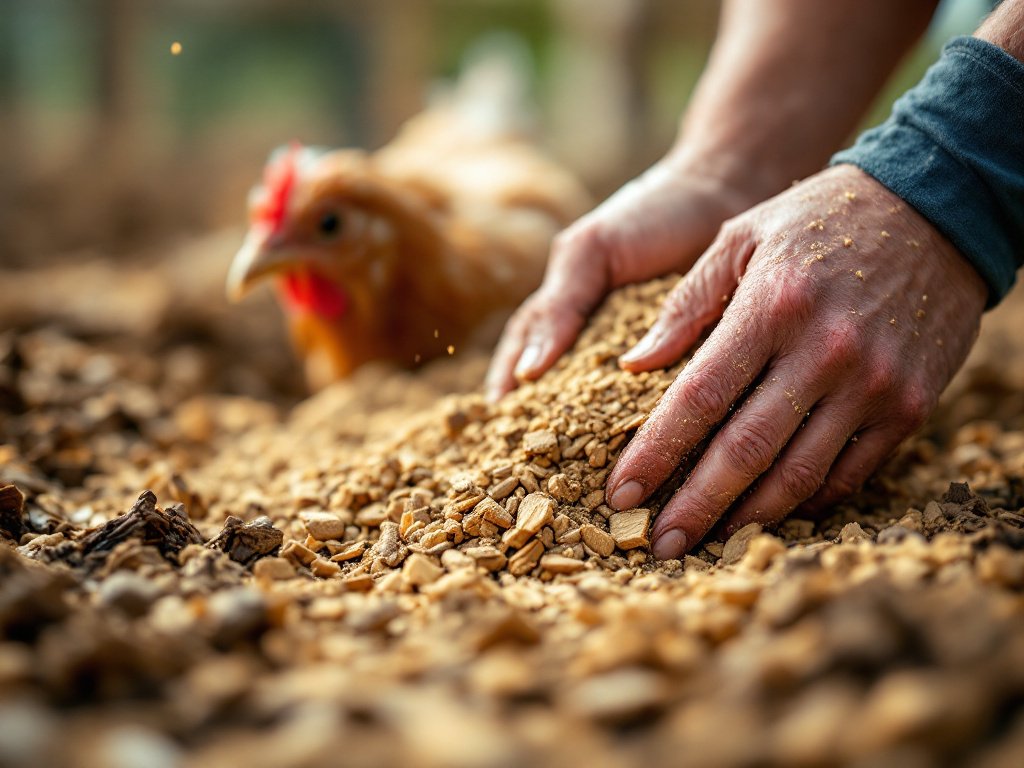
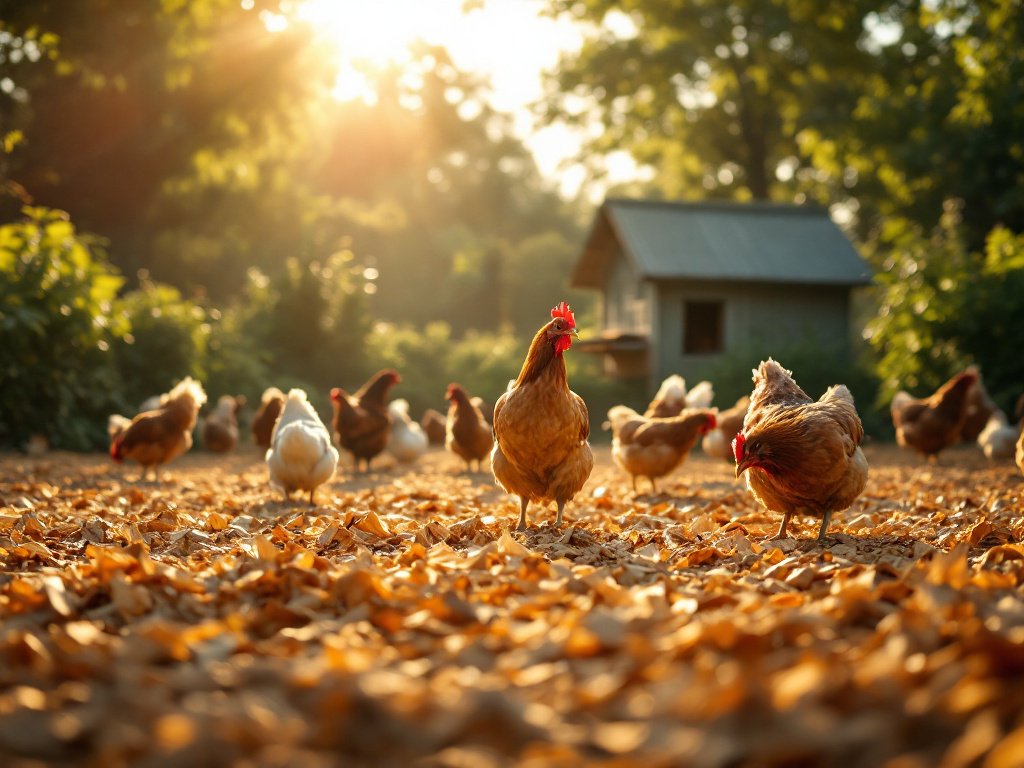
- Fast Fixes: Spread straw, wood chips, or a thin layer of gravel to cover slick mud during rain spells or while planning a big upgrade. These keep birds off wet ground—briefly—but break down quickly and must be replaced after storms or heavy use. For practical tips, see Timber Creek Farm.
- Long-Term Solutions: For runs that stay wet throughout the year, permanent changes like a gravel base, grid panel, and French drain are the only real fix. According to the research, “Simple short-term solutions—wood chips, gravel, or straw—can help in minor cases, but well-draining gravel plus a pipe system is essential for persistent mud.”
New to building or expanding your setup? Our guides on chicken coop space requirements and keeping chickens warm in winter offer more infrastructure tips so your run stays safe and sanitary in every season.
Final Cost and Time Chart: Choose Your Ideal Fix
Pick a mud management chickens solution that fits your yard, wallet, and patience:
| Drainage Fix | Material Cost (8×10 ft) | DIY Time | Pro Install Cost |
|---|---|---|---|
| Pea Gravel Base | $100–$240 | 2–4 hours | $400–$700 |
| French Drain w/ Pipe | $150–$300 | 4–6 hours | $500–$1,000 |
| Gravel Grid Panel | $160–$400 | 3–6 hours | $600–$1,200 |
| Straw/Wood Chip Layer | $20–$40 | 30 min–1 hour | N/A |
For a clear view of what materials you’ll need, how long each fix takes, and the true cost, refer to supplier quotes and local contractors. Each chicken keeper’s property is different: drain just enough to handle standing water or go all-in for year-round dry runs—it’s up to you.
Want more tips? Discover our recommendations on the best ground cover for chicken run for additional mud proofing ideas.
FAQs About Fixing a Muddy Chicken Run
What’s the fastest budget-friendly way to fix a muddy chicken run?
Spread wood chips or clean straw liberally over trouble spots. While this is not a permanent fix, it lifts chickens above the muck for a few weeks and keeps their feet clean heading into the coop. Replenish material as it breaks down.
Is a French drain always needed to fix standing water in a run?
No—French drains are best for big, chronic drainage problems in larger runs. Smaller or temporary enclosures can often be dried by regrading, adding gravel, or using grids without pipe installation.
How do I keep drainage pipes from freezing in cold climates?
Bury pipes below the frost line—typically around 18–24 inches deep, depending on local frost depth and site conditions, but this may vary. You can also add extra gravel above the pipe for insulation. Annual inspection prevents blockages that trap water and freeze.
Do gravel grids really work for chicken runs?
Yes, especially for busy runs. Grids hold gravel in place and prevent chickens from scratching stones into the mud. Choose commercial-grade for bigger flocks—the cheapest versions may break under constant use.
Will these fixes control ammonia odor in my run?
Yes—good drainage is the key step in combating odors. Pair it with the right bedding (see our bedding guide) and frequent muck-outs, and ammonia build-up becomes far less of a problem.
—