
As an Amazon Associate we earn from qualifying purchases. This article contains affiliate links; we may earn a small commission at no extra cost to you.
How to tell if a chicken is sick is one of the most urgent questions backyard flock owners face, yet most miss the earliest warning signs until it’s almost too late. Acting fast can mean saving a beloved hen—and sometimes your whole flock. In this realistic guide, you’ll learn exactly how to spot sick hen symptoms early, what to check every day, and cost-saving first steps trusted by real poultry keepers and veterinarians.
Key Takeaways
- Listlessness, appetite drop, and breathing trouble can develop quickly, and untreated illness may worsen over several days.
- Missed subtle signs like poor posture, ruffled feathers, or pale combs are a common cause of late diagnosis and flock outbreaks.
- At-home remedies can be affordable for mild problems, but respiratory illness or sudden energy loss means it’s time to call the vet immediately.
- How to Tell if a Chicken is Sick—Warning Signs and Timeline
- What to Check: A Step-by-Step Chicken Health Check
- Common Mistakes Owners Make When Diagnosing Sick Chickens
- Key Facts Every Chicken Keeper Should Know
- Treating a Sick Chicken: What to Do and How Much Will It Cost?
- When to Call the Vet—and Ways to Prevent Illness
- FAQ
How to Tell if a Chicken is Sick—Warning Signs and Timeline
Recognizing sick hen symptoms early makes all the difference between a quick recovery and a flock-wide crisis. Illness in chickens usually follows a predictable path. Many owners first notice a bird is just “off”—less interested in food, standing apart, or moving slowly. Research and extension guidance show that lethargy, reduced appetite, and isolation are common early signs of illness. With some respiratory illnesses, you may hear noisy breathing, sneezing, or see open-mouth breathing as the illness progresses. If left untreated, illness can worsen rapidly over several days. This rapid timeline is a major reason acting quickly is critical.
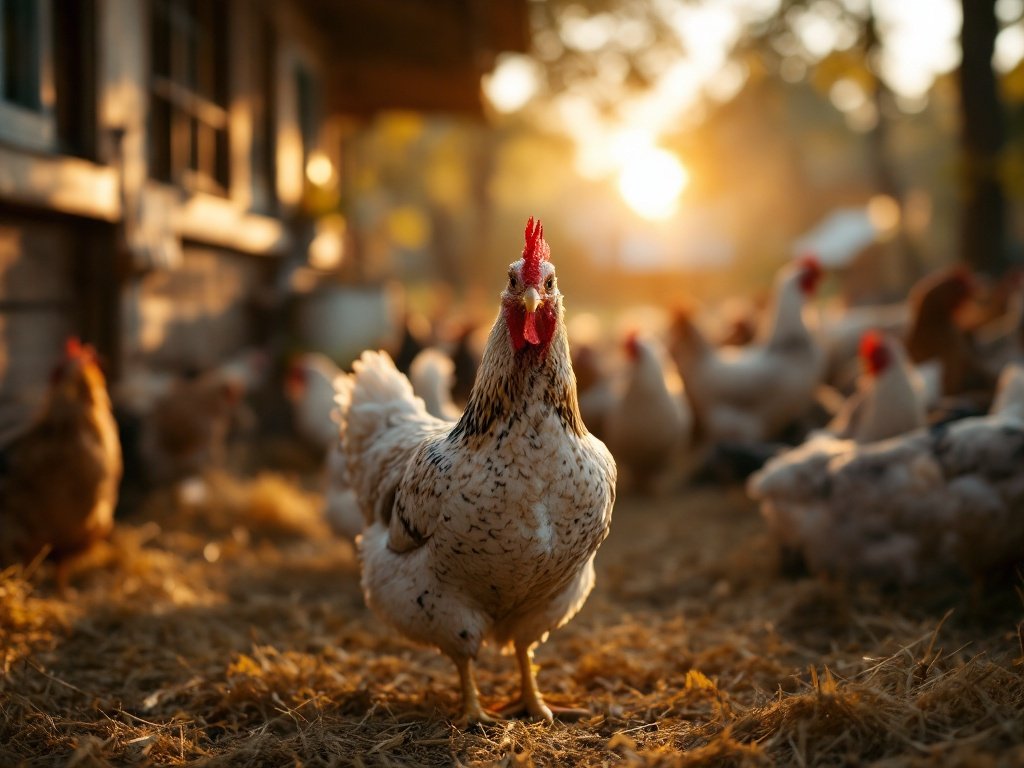
Here’s what to watch for, in order of appearance:
- Lethargy: A chicken sits or stands alone, looks tired, and has less interest in normal activities. This is usually the very first sign.
- Decreased Appetite: Not eating treats, picking at food, or leaving feed uneaten. Water intake often drops too.
- Respiratory Symptoms: Coughing, sneezing, nasal or eye discharge, wheezing, or open-mouth breathing develop next, especially during respiratory illness.
- Abnormal Droppings: Watery, off-colored, or very loose droppings often appear after the appetite changes.
Do not delay—sick hen symptoms can get dramatically worse in less than a week. For more on why flock health breaks down quickly, see this guide on poultry diseases.
What to Check: A Step-by-Step Chicken Health Check
Daily attention pays off. A five-minute chicken health check can catch problems before they spread. Here’s a practical routine you can use every morning or at least weekly:
- Check energy level: Look for alert, active movement. Lethargic chickens stand with heads tucked down or away from the others.
- Inspect posture and stance: Are feathers smooth or ruffled? Droopy wings or a hunched back can signal illness even before other symptoms show.
- Examine the comb and wattles: Fresh, vibrant red is normal. Pale, darkened, or blue-ish tones point to stress or poor circulation.
- Feather and skin condition: Are feathers clean and tight? Ragged or missing patches without a molt may indicate parasites or weakness.
- Droppings check: Look for runny, bloody, or greenish spots under roosts and in the run.
- Breathing: Quiet is good. Any raspy sound, snick, gasp, or visible chest effort needs attention.
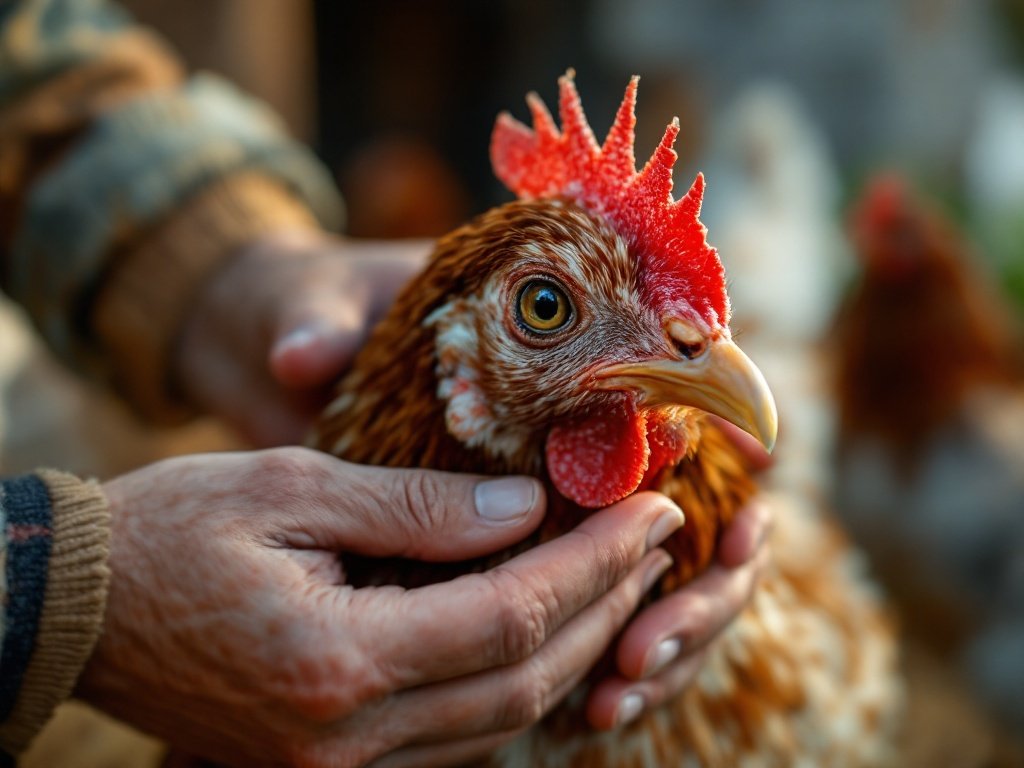
Remember, most changes start subtle. Data shows that changes in comb color, feather ruffling, and posture frequently happen before classic sick hen symptoms show up (source).
Power tip: Keep a clipboard or note app with your quick health check results. Noticing patterns makes calling for help much earlier and easier.
For more on hands-on chicken health, you might also find it useful to read about building a chicken first aid kit for backyard emergencies.
Common Mistakes Owners Make When Diagnosing Sick Chickens
New and even experienced keepers often miss the early cues, or make missteps that risk both flock health and their own peace of mind. Here are the top risk factors drawn from owner experiences and evidence-based poultry resources:
| Mistake | Why It’s Risky | How to Avoid |
|---|---|---|
| Waiting too long | Chickens often hide illness, and outbreaks can spread quickly, especially in close quarters. | Get to know what’s normal. Isolate and act at the first sign of not eating, lethargy, or abnormal sound. |
| Poor coop ventilation | Damp, closed spaces accelerate respiratory illness and pathogen spread among birds. | Inspect vents often and check for ammonia smells. Read this guide on coop ventilation for practical upgrade tips. |
| DIY misdiagnosis | Self-treating without knowing your flock’s baseline can lead to wrong or delayed treatment, sometimes missing highly contagious respiratory illness. | Document normal chicken health checks; always get vet confirmation if you see signs beyond the very mildest changes. |
Many also struggle with moldy bedding or feed and hidden coop moisture. See our practical resources on chicken coop bedding and no-waste chicken feeder design to reduce hidden health risks.
Biosecurity is another key factor. Parasite or respiratory problems can sweep through unprotected flocks in days. Learn how to quarantine new chickens and set up a safe space for rapid isolation at the first sign of trouble.
Key Facts Every Chicken Keeper Should Know
Healthy flocks thrive on more than feed and water. Here are three non-negotiable facts every keeper must know:
- Chickens hide illness until it’s severe. If you see listlessness or sudden appetite drop, assume it’s urgent. Trust your gut and respond right away, even if you’re not 100% sure.
- Respiratory illnesses spread fast. Some poultry diseases can spread quickly through a flock. If you spot respiratory illness—like sneezing, rattling breaths, or a “gurgle”—isolate affected birds and call a vet quickly (see more).
- Baseline observation is your best weapon. Know your flock. Keep short notes (or even a checkmark system) for each bird. Subtle shifts from “normal” are more meaningful than textbook symptoms.
Neglecting these facts is the #1 reason keepers lose birds to outbreaks or delayed treatment. Learn about winter chicken care and safe heating in our guide to keeping chickens warm for more year-round health strategies.
Treating a Sick Chicken: What to Do and How Much Will It Cost?
Treating sick chickens safely and cost-effectively starts with isolation. Remove the affected bird to a clean, warm area away from the flock. Start with these at-home steps:
- Hydration: Offer plenty of clean, fresh water. Adding electrolytes or a teaspoon of honey to a cup of water can boost weak birds, as recommended by many experienced keepers (read more).
- OTC medications: Over-the-counter antibiotics, coccidiostats, or probiotics can be used for isolated, mild issues—but always follow the package and research label, and consult a vet if you’re unsure.
- Rest and warmth: A low-draft, predator-safe “hospital” cage or crate with soft bedding is ideal.
At-home remedies such as water, electrolytes, and OTC medications usually cost between $5 and $25 for the average backyard flock. Professional veterinary help, which includes examinations, basic diagnostics, and prescription medications, commonly ranges from $120 to $250 for the initial visit and $80 to $150 for follow-up care. These figures represent a realistic range from actual owner reports and cited research.
Serious respiratory illness, collapse, or total appetite loss almost always require prompt veterinary help. Find a poultry-savvy vet early on—don’t wait until you have an emergency in progress. To reduce future health emergencies and medication costs, ensure you’re using a draft-free winter chicken coop and a automatic coop door for evening lockdown.
When to Call the Vet—and Ways to Prevent Illness
You should call the vet immediately if you notice:
- Labored or open-mouth breathing, rattling, or gurgling sounds
- Rapid drop in energy, food, or water intake
- Sudden isolation from flock, collapse, or inability to stand
Respiratory illness and flock-wide transmission can happen fast. Isolate affected birds, disinfect common tools, and practice strict biosecurity any time you introduce new chickens. For practical prevention:
- Monitor coop airflow—learn about coop ventilation for optimal air quality.
- Keep cleaning supplies, bedding, and first aid on hand. Check out these bedding tips and sanitizing steps.
- Quarantine every new bird for at least two weeks; find more about safe flock introductions here.
Don’t wait for “all the symptoms.” Acting at the first doubtful sign will save birds, money, and heartache. Bookmark the best chicken ailment resources for rapid reference.
Conclusion
Spotting illness early isn’t about guesswork. If you follow this guide and act on the first lethargic chicken or mild sick hen symptoms, you’ll not only protect your flock—you’ll save money, stress, and heartbreak in the long run. Remember, knowing how to tell if a chicken is sick is about noticing subtle changes, running routine chicken health checks, and not hesitating to ask for help. Be ready, be observant, and protect your chickens’ health every season.
Ready to upgrade your flock care? Explore our year-round guides, and check your coop setup for risk factors—smart flocks start with smart owners.
FAQ
What is the very first sign that a chicken might be sick?
Lethargy—such as sitting alone, looking tired, or moving less—is often the first visible sign of trouble. Appetite loss or subtle feather ruffling quickly follow.
Should I separate a sick chicken right away?
Yes. Move the bird to a clean, warm, draft-free area at the first hint of illness to prevent possible spread and monitor her closely.
What does normal chicken droppings look like?
Most healthy droppings are firm, brownish, and capped with white urates. Runny, bloody, green, or foamy stools often signal health problems.
When do I need a vet for a sick chicken?
If you see labored breathing, sudden collapse, or rapid loss of energy or appetite, call a poultry-savvy vet without delay. These signs often point to serious conditions.
How can I keep disease from spreading in my flock?
Practice strict biosecurity: isolate sick birds, clean often, control ventilation, and always quarantine new chickens before adding them to your flock.