
As an Amazon Associate we earn from qualifying purchases. This article contains affiliate links; we may earn a small commission at no extra cost to you.
Keep coop warm without electricity is a top concern for off-grid and budget-conscious chicken owners facing harsh winters. If you want real, field-tested ways to heat your chicken coop with zero reliance on power, this guide walks you through side-by-side comparisons of non-electric options—including deep litter, passive solar tricks, and advanced insulation—plus costs, real pain points, and what most chicken blogs miss.
Key Takeaways
- Deep litter, passive solar tricks, and enhanced insulation are the three main ways to keep a coop warm without electricity.
- Common mistakes—like poor ventilation—can lead to moisture, mold, and illness, even when you insulate well.
- Upfront planning and matching warmth strategies to your local climate are key for affordable, long-term off-grid coop heating.
- How to Keep a Chicken Coop Warm Without Electricity: Options Compared
- Deep Litter Heat: Composting for Cozy Coops
- Passive Solar Coop Design: Harnessing Sunlight, No Power Needed
- Enhanced Insulation: Building It Right for Cold Climates
- Real-World Pain Points: Moisture, Mold, Drafts, and Maintenance
- Overlooked Details: What Most Guides Miss (With Data)
- FAQ: Non-Electric Coop Heating
How to Keep a Chicken Coop Warm Without Electricity: Options Compared
When winter hits and the grid is unreliable—or simply too expensive—keeping your flock warm without power becomes a core problem. Off grid coop heating isn’t about fancy gadgets. It’s about layering old-school, proven strategies: compost-based heating, sunlight capture, and serious insulation. Each comes with pros, cons, and quirks. For example, chickens can handle cold far better than people think, but body heat alone may not cut it in deep winter.
- deep litter method may generate some heat as bedding decomposes, but the temperature increase in a coop is not established without electricity, making it a top solution for many off-grid owners.
- Passive-solar coop design leverages sunlight through windows and smart orientation to boost warmth. Costs depend on materials, not monthly bills.
- Enhanced insulation prevents heat loss but brings challenges—moisture, condensation, and ventilation must be balanced or birds will suffer.
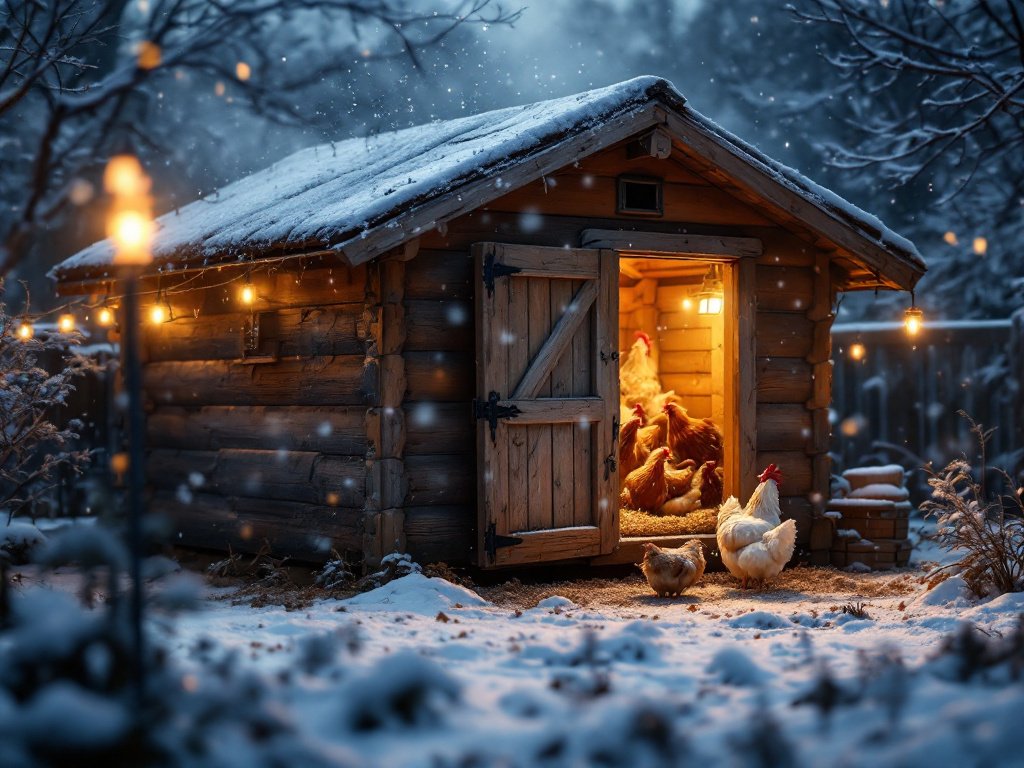
Deep Litter Heat: Composting for Cozy Coops
The deep litter method isn’t just about reducing chores—it’s the foundation of non-electric coop warmth. By layering and turning bedding, you turn the coop floor into a mini compost pile that actually generates real heat.
- Start with a 4–6 inch base of dry straw or pine shavings. This is your thermal foundation.
- Add a new thin layer of bedding each week, raking to promote mixing. As the bottom layers decompose, they naturally warm the coop.
- Monitor conditions—if there’s any smell, ammonia buildup, or soggy spots, turn the bedding and add more dry material.
- Ventilation is non-negotiable: Always maintain adequate airflow—roof vents or high side vents are best.
According to owner reports, decomposing bedding may generate some heat, but the temperature increase in a coop is not established. Costs for bedding are ongoing but modest, since the material doubles as fuel and eventually as compost for gardens (full composting guide here).
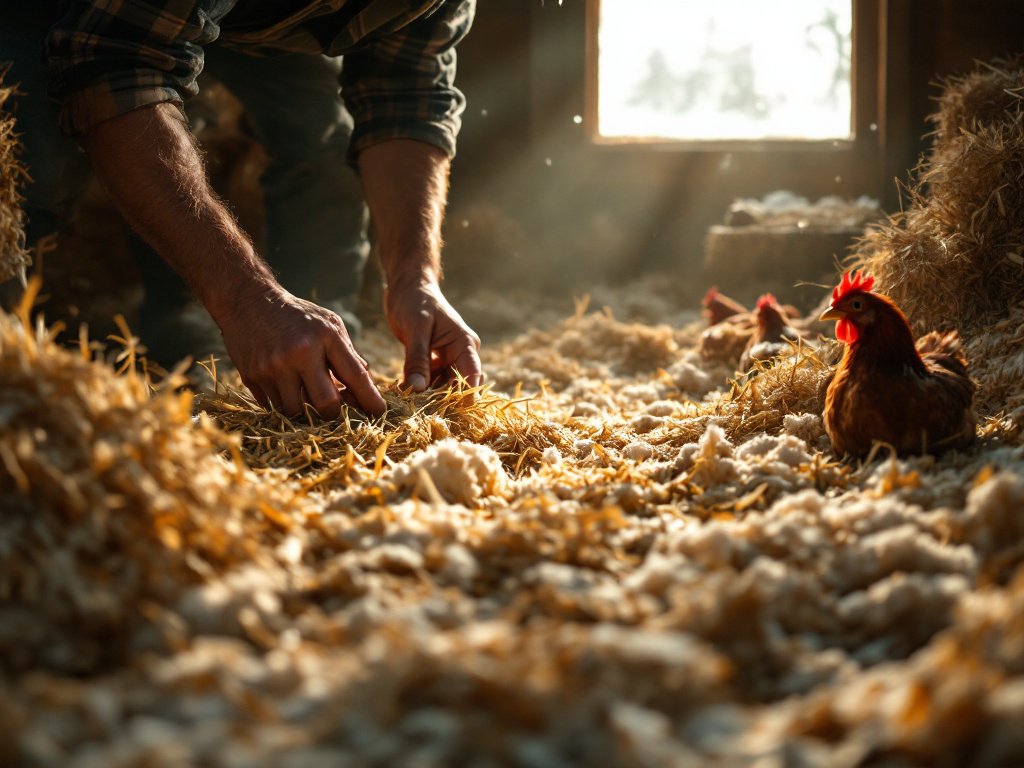
Downsides: Deep litter without enough venting can trigger a serious moisture and ammonia spike—leading to frostbite, respiratory issues, and mold. Spot-check under the top layer weekly. See our full bedding guide for more.
Passive Solar Coop Design: Harnessing Sunlight, No Power Needed
Passive solar coops turn sunlight into free heat—no wires, no bills. This method focuses on orientation, window placement, and strategic use of glazing.
- Position new coops, or retrofit existing ones, so the largest window areas face true south.
- Install double-pane or polycarbonate panels. These let in sunlight but hold heat surprisingly well (passive solar analysis).
- Roof overhangs shade the windows in high-sun months, preventing summer overheating.
- Operable vents and blinds help bleed heat in sudden winter sunshine—rely on manual control, not electronics.
Materials cost includes glass/panels, framing, and sealing. Labor varies from simple (single window/skylight) to complex (multi-window, insulated build). No hard R-value, so site climate and tree cover matter a lot—works best in areas with strong, low-angle winter sun.
These approaches are expanded in our cold-weather coop guide, focusing on climate-matched builds for USDA zones 3–6.
Enhanced Insulation: Building It Right for Cold Climates
Insulation is where theory hits real-life coop maintenance head-on. Chicken coops lose heat through the roof, floor, and doors—directly sapping any warmth from the flock.
- Choose insulation based on wall/floor thickness, pest/rodent concerns, and cost:
- Fiberglass batts: typically about R-2.9 to 3.8 per inch (see insulation breakdown), lowest cost but needs careful vapor sealing and chicken-proofing.
- Cellulose (loose fill or batts): R-3.2 to 3.8 per inch, eco-friendly and budget-friendly for DIY walls and ceilings. Must stay dry.
- closed-cell spray foam: R-6 to 7 per inch, water and pest-resistant but highest upfront cost.
- Radiant barriers can reflect much of the radiant heat that strikes them, but their effectiveness depends on installation and climate; they are not a general substitute for insulation. Effective as an add-on for south-facing walls or ceilings.
- Install solid sheathing (plywood/osb) over insulation so chickens can’t peck or scratch it loose. For rodent-prone areas, a layer of hardware cloth helps.
- Seal drafts with foam tape or weatherstripping at doors/window edges. Remember, even small gaps chill birds fast—see tips in our chicken winter guide.
Note: Over-insulation without calculated ventilation causes condensation, freezing fog, and mold. Always readjust vents seasonally. For more, see our coop ventilation guide.
Cost: Wide range. Fiberglass is cheap but needs more repairs. Spray foam is expensive upfront but durable. Many DIYers mix two methods for best value—cellulose or batts in walls, radiant barrier in roof/floor.
For a low-cost insulation walkthrough, check out this off-grid insulation breakdown.
Real-World Pain Points: Moisture, Mold, Drafts, and Maintenance
For every owner who nails off grid coop heating, several hit a wall with real-life maintenance headaches and overlooked details. Here’s what’s consistently reported in forums and owner feedback:
- Moisture overload: Deep litter plus tight insulation without vents causes condensation, ammonia spikes, and mold. Wet bedding is a health crisis—ventilate, check, and turn often.
- Drafts: Cracks, gaps, or unsealed doors rob heat in seconds and stress birds. Wind direction and snowpack can expose new leaks every season. See our guide to draft-free coops.
- Maintenance: Deep litter means weekly raking, more frequent in wet climates. Insulation panels may need to be re-attached if chickens peck or mice chew. Caulking and weatherstripping breaks down over time—plan seasonal checks (see seasonal maintenance checklist).
- Ventilation balancing act: Opening enough vents to shed moisture—without causing drafts or wind tunnels—takes trial and error. Vents near the roof, angled outward, mitigate chill on roosting birds.
| Method | Heat Gain | Upfront Cost | Chores/Maintenance | Pain Points |
|---|---|---|---|---|
| Deep Litter Method | May generate some heat; coop temperature increase is not established | Low (ongoing bedding) | Weekly turning, add bedding | Moisture, ammonia, mold if not vented |
| Passive Solar | Variable (sun dependent) | Variable (windows, framing) | Clear windows, adjust vents/blinds | Overheating, poor solar gain in cloudy weather |
| Enhanced Insulation | Reduces heat loss (no direct heat) | Low to high (material choice) | Seal gaps yearly, check pest damage | Condensation, hidden mold, rodent/insect damage |
*Deep litter effectiveness based on owner reports and source.
Overlooked Details: What Most Guides Miss (With Data)
Most coop heating posts gloss over vital fine print that can make or break your effort to keep coop warm without electricity. Here’s what deserves extra attention:
- Climate-Specific R-Values: Insulation recommendations are rarely tailored. Northern climates will want higher-R wall and ceiling specs than mild regions. For coldest zones, prioritize closed-cell foam or thick batts, and combine with radiant barrier.
- Moisture Calculations: Chickens emit a surprising amount of vapor overnight. Without exhaust vents, moisture exceeds material absorbency and can freeze or rot wood. Monitor humidity—High humidity can contribute to moisture problems; there is no universal relative-humidity threshold for coops.. For more, explore our cold-hardy coop breakdown.
- Compost Value of Deep Litter: Managed well, last year’s bedding becomes next spring’s top garden amendment. See our composting tips here for best use.
- Cost-Benefit of Insulation Materials: Higher cost often means longer maintenance cycles and less rodent or water damage. Cheapest batts need more patching, spray foam can last many years if undisturbed.
As noted in owner forums and research, many guides omit detailed vapor and airflow calculations or skip the financial analysis of bedding, insulation, and replacement. Success is about balancing local cold, coop size, bird count, and your own willingness to turn, patch, and vent as needed.
FAQ: Non-Electric Coop Heating
What is the best way to keep a chicken coop warm without electricity?
The safest, most consistent strategy is a combination: deep litter heating for bottom-up warmth, passive solar for daytime gains, and enhanced insulation to reduce heat loss. Each method works best when adjusted to your climate and coop design.
How much warmer does deep litter make a coop?
Deep litter can raise the coop temperature by roughly 10–15 °F according to owner reports and guides, as long as bedding is properly maintained and vented.
Is passive solar enough to keep chickens warm in winter?
Passive solar works best as a supplement. Well-placed south windows provide a boost, but cloudy or short winter days limit its effect. It pairs well with deep litter and insulation for full coverage.
What insulation is safest for chicken coops?
Closed-cell spray foam offers the highest R-value and moisture resistance, but is expensive. Fiberglass and cellulose are great for DIYers if kept dry and fully covered. Always shield insulation from curious chickens and pests.
Can too much insulation cause problems?
Yes. Over-insulated coops without enough ventilation trap moisture, leading to condensation, mold, and potential health issues for your flock. Monitor humidity and vent accordingly.
—