
As an Amazon Associate we earn from qualifying purchases. This article contains affiliate links; we may earn a small commission at no extra cost to you.
If you want reliable flock safety, overhead netting for chicken run isn’t an optional accessory—it’s the critical line between a peaceful coop and a hawk-proof disaster. Suburban and backyard poultry keepers are tired of “one season” solutions, mystery warranties, and daily predator anxiety. This guide zeros in on what actually works, what fails, and how to invest in netting that delivers real, stress-free protection.
Key Takeaways
- Choose mesh size and material that match your flock’s age and local predator risks—½-inch for chicks, 1 to 2-inch for adults, with true UV-inhibited polymers or hardware cloth.
- Real durability comes from verified wind-load specs, consistent tensioning, and maintenance—not just price or a “hawk proof” claim.
- Kits are affordable but may be short-lived; custom installs cost more upfront but deliver longer, stronger peace of mind, especially for larger runs or exposed locations.
- Why Overhead Netting is Essential for a Chicken Run
- Choosing the Right Chicken Run Aviary Netting: Specs That Matter
- Real Costs: Off-the-Shelf Kits vs. Custom Installs
- Failure Modes and Owner Pain Points (And How to Prevent Them)
- The Overlooked Specs Competitors Miss—And Why They Matter
- Maintenance Made Easy: Extending the Life of Your Covered Run
- Conclusion
- FAQ
Why Overhead Netting is Essential for a Chicken Run
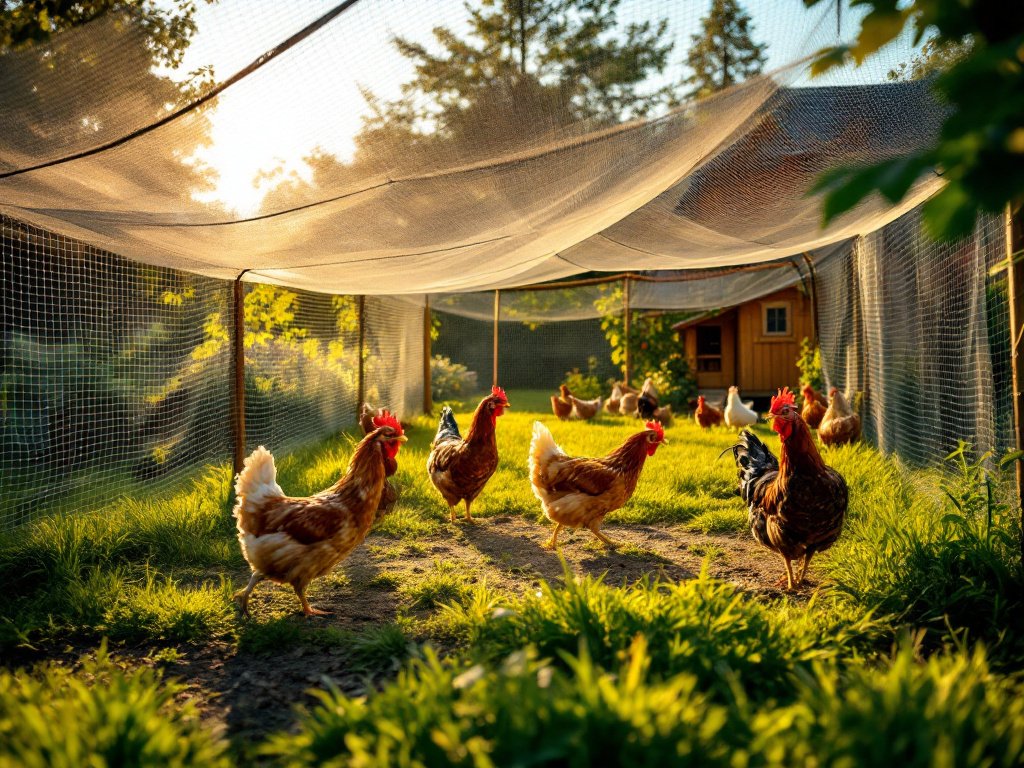
Open chicken runs leave your birds exposed to hawks, owls, and opportunistic climbers. Overhead netting for chicken run is your first—and sometimes only—line of defense. With no cover, predator attacks can happen in seconds, especially in suburban landscapes where raptors adapt quickly. Netting doesn’t just block attacks; it helps keep nervous birds calm, prevents panicked escapes, and lowers stress-induced health problems. According to data gathered from FarmstandApp’s best netting guide, the ideal mesh opening is ½-inch for chicks or small birds, and 1 to 2 inches for mature chickens. For maximum safety, install netting securely over the entire run, with no gaps; extension beyond the roof is site-dependent and does not by itself make aerial entry nearly impossible.
Choosing the Right Chicken Run Aviary Netting: Specs That Matter
Construction quality, mesh size, and reinforcement details are what separate “bird netting chicken run” solutions that last a decade from those that sag or tear within a season. Start with flock age: hardware cloth (½-inch) or sturdy UV-treated polyethylene/polypropylene nets keep out almost all predators and prevent escapes by young birds. For older flocks, a 1 to 2-inch mesh is usually enough, as referenced by this bird netting material guide.
What really matters:
- Verified UV inhibitors: Only netting with integrated UV protection stands up to years of sun exposure. Unprotected netting gets brittle and fails quickly.
- Wind-load ratings: Use netting and supports with manufacturer-published strength specifications appropriate for your site; there is no universal 30-to-45-mph rating or 10-to-15-foot post spacing for all installations. For long runs or exposed locations, these numbers matter. Skipping this step leads to dangerous blowouts.
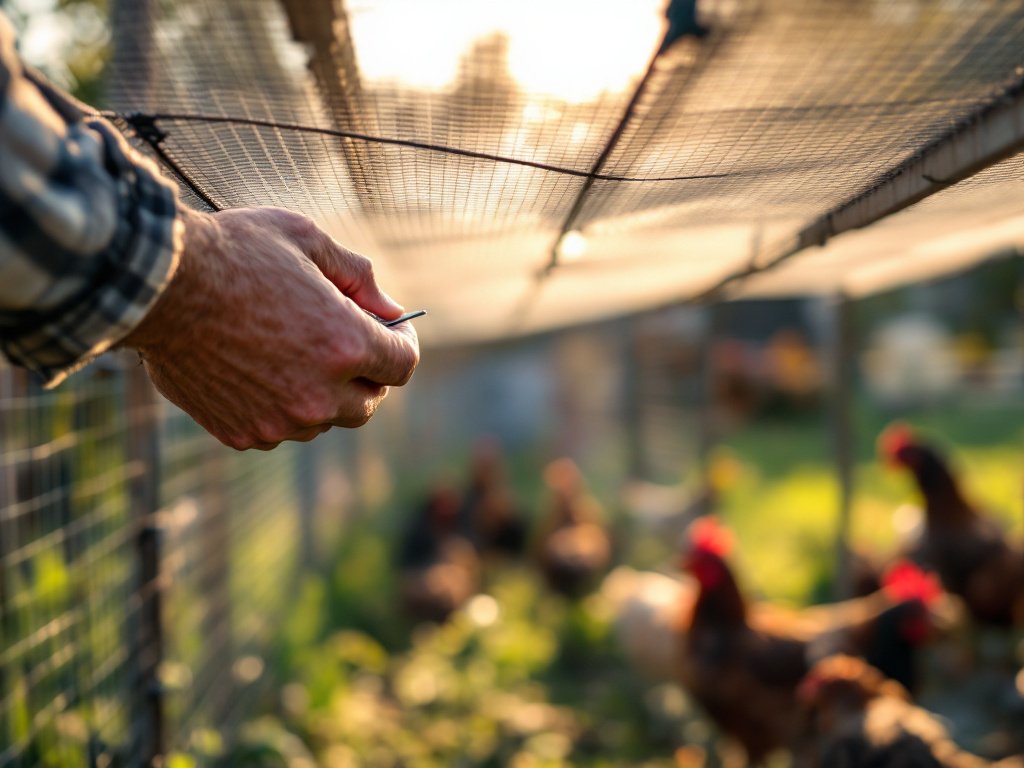
- Installation height and tension: Mount netting securely over the run at a height suited to the enclosure, and eliminate gaps and excessive sag; roof-edge extension is site-dependent.
- Choose tensioned hardware: Add cable or rope along the perimeter and mid-span to prevent sag—loose nets are nearly as bad as open tops.
Material choice matters for long-term care and ROI. UV-treated polyethylene and polypropylene netting will outlast cheap, uncoated plastic mesh. If raccoons or strong predators are a concern, welded hardware cloth or galvanized panels—with known wind and break ratings—are the gold standard, as discussed in US Netting’s guide.
Real Costs: Off-the-Shelf Kits vs. Custom Installs
The price of chicken run aviary netting runs from “budget” to “serious investment.” Basic kits advertise low upfront costs but may lack durability. More robust custom solutions offer longer warranties and custom-fitted materials—if your run is an unusual shape or in a high wind area, this is often the better solution.
| Option | Typical Material | Included Features | Approximate Price* |
|---|---|---|---|
| Off-the-Shelf Kit | Poly or basic hardware mesh | Netting, sometimes clips/ties | Varies widely (see next paragraph) |
| Custom Install | UV-rated poly/steel, custom cut | Design, reinforced edges, custom supports | Higher, depends on size/labor |
Off-the-shelf netting kits often cover 100 sq ft per roll of 2-inch mesh and may be attractively priced. For up-to-date figures based on research, kit and custom-install prices vary substantially by material, dimensions, hardware, labor, and supplier; check current product and installation quotes rather than relying on these fixed ranges depending on your run size, shape, and labor—in exchange, you get reinforced seams, true fit, and installation support (see full comparison).
Kits are easier for small or temporary projects. For oversized or permanent covered run setups, custom systems with integrated tensioning and enhanced break strength may pay for themselves in durability and fewer mid-season repairs. Always consider what’s included—many kits don’t provide posts, anchor hardware, or extra ties, which adds to your outlay.
Failure Modes and Owner Pain Points (And How to Prevent Them)
Choosing bird netting chicken run supplies wisely is about more than material. Even “hawk proof” solutions can fail if not maintained and checked against real-world pitfalls. Here’s what to watch for, with prevention measures:
- Sagging: All netting stretches over time, especially poly netting. This creates low spots where raptors or squirrels can land and attack.
- Mesh size mismatch: Using mesh too large allows chicks to slip through and lets small predators or pests enter. Stick to the recommended sizing for your flock’s age.
- Chewed holes and tears: Raccoons, opossums, and rats can chew weak or untensioned areas. Overlap seams, avoid gaps, and regularly check for early damage.
- Bird entanglement: Loose, frayed, or sagging mesh causes injuries or deadly entrapment. Tensioning, trimming, and using stronger perimeter lines will solve most issues.
- UV breakdown: Cheap netting may degrade and split within months of intense sun, while UV-treated netting can last much longer when maintained. According to US Netting, UV-resistant polyethylene and hardware cloth netting can last from five to ten years with proper care.
Routine maintenance—monthly tensioning, trimming fraying edges, and immediate patching—stops small problems from becoming disasters. If more than 10% of any panel is damaged, replace the whole section. Store extra or unused netting in the shade to avoid sunlight damage during storage. Custom installations often include better tension hardware and reinforced seams to help avoid these pitfalls.
The Overlooked Specs Competitors Miss—And Why They Matter
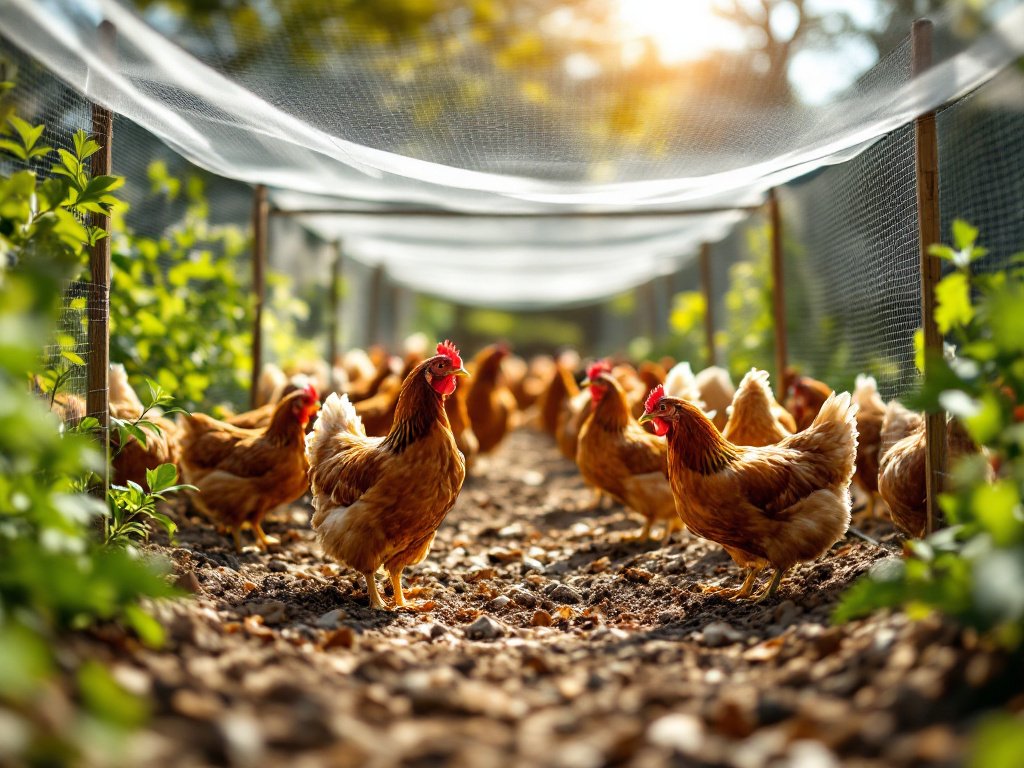
Many popular overhead netting for chicken run products leave critical specs off the label—and buyers pay the price when wind, weather, or predators test the install.
- No wind-load/break-strength data: Most brands don’t publish wind resistance or break-strength numbers, leaving you to guess if the net will hold in an actual storm. There is no universal 1 kN/m² break-strength threshold for poultry-run netting; compare the manufacturer’s stated mesh-strength or strand-strength test results with the installation’s hazards and support design.
- No tension adjustment hardware: Kits rarely include perimeter tensioning systems or midline cable placements. This makes it hard to keep netting taut over time, especially for larger spans.
- Unclear or weak warranty terms: Warranty coverage often excludes UV breakdown or “normal wear,” making claims difficult. Look for products with published warranty periods—three to five years for standard UV-treated, up to ten years for custom polymer systems.
Buyers should also demand clear installation times. Kits for a 200 sq ft run should take around two hours, while custom jobs may require a dedicated day or two but deliver a worry-free result.
Don’t settle for mystery specs or vague “heavy duty” claims—ask suppliers directly about wind specs, UV rating, break strength, and warranty details. These are the true differentiators between a lasting covered run and another trip to the hardware store mid-season.
Maintenance Made Easy: Extending the Life of Your Covered Run
A low-maintenance, covered run isn’t just about initial installation—it’s about easy upkeep that protects your investment for years. Monthly and annual attention is the key to maximizing netting life and minimizing flock stress or losses.
- Inspect for slack, sags, or holes every month. Use a tensioning strap or ratchet line to retighten as needed.
- Trim or repair any frayed or ragged edges promptly to stop holes from spreading.
- Apply only products specifically approved by the netting manufacturer; do not assume a UV-protective spray is compatible with polyethylene, polypropylene, or other netting materials.
- Patch small holes with manufacturer’s repair kits or zip ties, but if more than 10% is damaged, replace the section.
- Store spare or unused netting in the shade—full sun, even off-duty, accelerates degradation.
With these routines, most covered run netting should give at least five years—with up to ten for premium UV-inhibited products. For an easy overview of coop care, see our guide on how to clean a chicken coop.
For more winter or weather protection, read about the best winter chicken coops and top-rated chicken run covers.
Combine these strategies and your “set and forget” flock setup is absolutely within reach.
Check out our full security checklist in the predator proof chicken coop guide and don’t forget proper hardware cloth for chickens for the run perimeter.
Conclusion
Smart poultry keepers know that overhead netting for chicken run pays off the most when specs, installation, and care are dialed in to match real threats—not marketing fluff. Mesh size by flock age, wind-load, UV protection, and ongoing tensioning are the fundamentals. Consider total lifetime value and look for suppliers willing to show their break and wind-strength numbers. Don’t put your trust (or birds) in guesswork—choose proven netting and maintain it for peace of mind. Ready to upgrade your setup? Compare your current run to these standards above, and take action today for truly hawk proof, low-fuss poultry protection.
FAQ
What mesh size is best for overhead netting in a chicken run?
Use ½-inch mesh for chicks or small breeds and 1 to 2-inch mesh for most adult chickens. Tighter mesh offers better protection from small predators and stops chicks slipping out.
Does bird netting really stop hawks and owls?
Yes—when installed tightly and extended beyond the coop roof, quality bird netting prevents aerial attacks. Make sure it’s free of gaps and tensioned to avoid sagging.
How long will UV-protected netting last?
Properly installed and maintained, UV-resistant netting can last five to ten years. Routine inspection and occasional UV spray help to get to the longer end of that range.
Is hardware cloth better than plastic netting?
Hardware cloth is stronger and more predator-proof, but can be heavier and more expensive. For the most exposed or high-risk coops, it’s often the safest choice.
How do I repair a torn section?
Patch small holes with zip ties or manufacturer repair tape. If more than 10% of a section is damaged, replace the panel for flock safety.