
As an Amazon Associate we earn from qualifying purchases. This article contains affiliate links; we may earn a small commission at no extra cost to you.
Best chicken breeds for beginners aren’t just about pretty feathers or trendy names—they’re about happiness, kids’ safety, and getting those first delicious eggs with the least stress possible. If you’ve never raised chickens but want friendly, reliable layers in your backyard, this guide shares realistic, actionable advice to help you choose, set up, and avoid rookie mistakes with your first backyard flock.
Key Takeaways
- Beginner chicken breeds stand out for calm temperaments, solid egg production, adaptability, and easy care—essential for new families and small backyards.
- Getting the right coop setup, run size, and budget estimates up front drastically reduces stress and cost overruns for first-time chicken keepers.
- Practical troubleshooting—like boredom fixes, floor substrate choices, and climate-matched breed selection—makes your first flock healthy and sustainable for years.
- What Makes a Chicken Breed “Beginner-Friendly”?
- Top 5 Chicken Breeds for First Backyard Flocks
- Setup Specs and Real Costs: What Beginners Need to Get Right
- Common First-Timer Mistakes—and How to Fix Them
- Matching Chicken Breeds to Your Climate and Family Needs
- Care Schedule & Long-Term Considerations New Owners Overlook
- Quick Reference: Best Breeds for Beginners by Key Criteria
- FAQ
What Makes a Chicken Breed “Beginner-Friendly”?
Beginner chicken owners—especially those with kids—need birds that are docile, productive, adaptable, and forgiving of mistakes. “Docile temperament is probably the single most important trait for new owners, especially if you have children around or plan to handle your birds regularly.”
Friendly chicken breeds are less likely to peck, run from you, or get stressed in a lively backyard with young helpers. Egg yield is nearly as crucial: most easy chicken breeds for beginners lay about 3 to 5 brown eggs per week and reach maturity by around 18 to 24 weeks. Minimal fuss over weather, feed, or daily handling rounds out the key factors—so you can worry less and enjoy your backyard flock more.

Top 5 Chicken Breeds for First Backyard Flocks
If you’re starting from scratch, the following five breeds have stood out for generations as the best chicken breeds for beginners. Each offers excellent temperament, reliable egg laying, and tends to thrive even when owners are still getting the hang of things. Let’s look at exactly what to expect from each, including average egg numbers, temperament, hardiness, and starting costs.
| Breed | Temperament | Eggs/Year | Age at First Lay | Hardiness | Price Range* |
|---|---|---|---|---|---|
| Rhode Island Red | Confident, resilient, not aggressive | 200–300 | 5–6 months | Cold & heat tolerant | Wide range |
| Barred Rock (Plymouth Rock) | Docile, friendly | 200–300 | 5–6 months | Cold hardy | Wide range |
| Buff Orpington | Ultra gentle, calm | 200–280 | 5–6 months | Very cold hardy | Wide range |
| Australorp | Quiet, curious | 200–300 | 5–6 months | Cold hardy | Wide range |
| ISA Brown/Red Star (hybrid) | Sweet, people-oriented | High (250+) | 4.5–5.5 months | Hardy | Wide range |
*Pricing varies widely depending on location, source, and bird age. Expect higher upfront costs for started pullets than chicks. Research local breeders for the best deals.
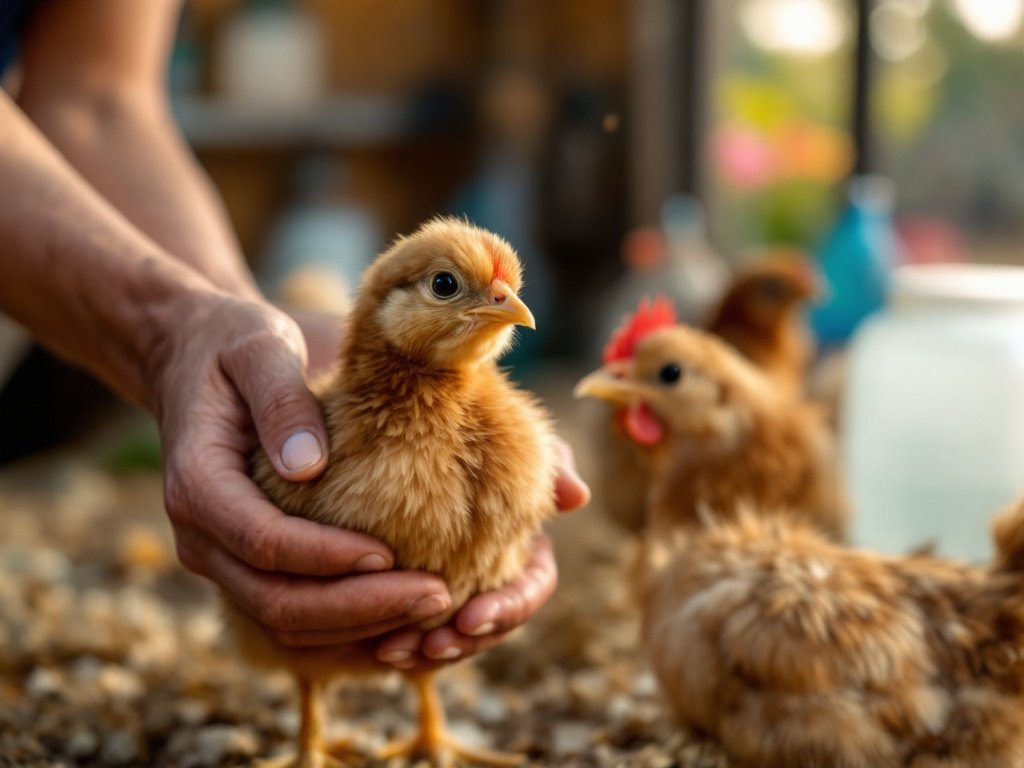
Each of these easy chicken breeds is popular because they forgive simple errors and adapt well to family backyards. For more comparison details and insight on breed pros/cons, see this expert roundup.
Setup Specs and Real Costs: What Beginners Need to Get Right
It’s easy to focus on the birds, but success is built on good coop setup and understanding real costs from day one. “They thrive on a minimum of about 8 to 12 inches of roost space per bird inside the coop and at least 10 square feet of run area per bird.”
[Synthesized Answer]
This isn’t optional—cramped coops lead to bored, stressed, or sick hens, even if you choose docile breeds.
- Coop space: 4 square feet per bird inside, ideally more. For up-to-date sizing rules, see chicken coop space requirements.
- Run area: 10+ square feet per hen minimum. More run = healthier, happier chickens. Consider these outdoor run upgrades to avoid future crowding.
- Roosts and nesting boxes: 1 foot roost space per chicken, and one nest per 3–4 hens. Review nesting box options for easy egg collection.
- Ventilation and bedding: Draft-free but not air-tight. Natural bedding like straw or wood chips is best. For year-round comfort, check best bedding for coops.
Typical per-bird startup costs are highly variable—there’s no universal figure. Beyond purchasing chicks or pullets, budget for feed, bedding, waterers, predator-proofing upgrades, and basic health supplies. Save money using DIY feeders (waste-free chicken feeders) and automatic coop doors if you travel or work late. Many costs (like nesting boxes and heaters) can be added over time as your flock grows.
Ongoing costs to expect: feed, fresh bedding as needed, based on flock size, season, and cleanliness, vet checkups if needed, and seasonal upgrades for weather. For cold climates, don’t forget coop heaters and heated waterers. For more cost-saving ideas, see essential chicken coop accessories.
First-Timer Mistakes That Cost Money and Sanity
- Underestimating required coop/run space, leading to pecking, dirty eggs, and stressed birds
- Building the run or coop after birds arrive (always build first!)
- Choosing “funny” or exotic breeds over reliable egg layers
- Poor ventilation or wrong bedding (“Hard flooring = hard pass… Sand and concrete seem easy to clean, but sterile surfaces can prevent chickens from doing what they love most: digging, scratching, and foraging.” )
- Skipping secure latches or predator-proof fencing (predator proof your coop early)
- Forgetting backup water in summer/winter
Many new owners assume the friendliest breed is a magic fix, but “a handsome breed cannot compensate for a damp, overcrowded, poorly ventilated coop or an unsecured run.”
Plan and budget before you buy your first birds.

Matching Chicken Breeds to Your Climate and Family Needs
Even among easy chicken breeds, not all are equal in every environment. Cold winters? Focus on Buff Orpingtons, Barred Rocks, Australorps, or Wyandottes. According to one expert, “Australorps and Buff Orpingtons fare better in cold climates rather than climates that are hot and humid year-round.”
Hot summers? ISA Browns and Leghorns are more heat-tolerant but may be less snuggly with kids.
For families with small children, prioritize breeds called “docile hens” like Buff Orpington, Barred Rock, and Wyandotte. These birds enjoy gentle handling, rarely peck, and often follow kids in the yard. For very small yards, bantam versions of these breeds can work, but keep in mind bantams lay smaller eggs.
For more cold-hardy coop tips, see best chicken coop for cold weather and keep chickens warm in winter. For summer concerns, check how to keep chickens cool in summer.
Care Schedule & Long-Term Considerations New Owners Overlook
Reliable routines make flocks thrive—and prevent most rookie headaches. Here is an actionable starter schedule:
- Every morning: Check food and water, observe bird activity.
- 2–3 times a week: Collect eggs, add dry bedding, check for muddy spots in run.
- Weekly: Spot-clean coop, check for signs of illness or injury, refresh dust bath area (crucial to prevent mites—never skip).
- Monthly: Clean feeders, update health log, rotate foraging spots if possible.
“Not providing enough feeder space, forgetting fresh water changes daily, skipping dust bath areas, panicking during molting—these are common first-timer oversights.”
Time commitment is modest, but as hens age, egg production tapers. Plan for retirement, not just their peak laying years. Don’t neglect seasonal upgrades or emergency care—predictable routines avoid most flocks’ sudden trouble.
Need help with chicks? Visit chick brooder setup essentials for the safest start.
Quick Reference: Best Breeds for Beginners by Key Criteria
Balance your goals: many families start with Buff Orpington or Barred Rock for calmness and then add ISA Brown or Rhode Island Red for a mix of friendliness and exceptional egg yield.
Conclusion
Choosing the best chicken breeds for beginners is about more than pretty eggs—it’s about giving your family a safe, friendly, productive start with backyard chickens. Match breeds to your climate, build your coop before your flock, use proven care routines, and you’ll avoid most rookie mistakes. Ready to get started? Review your setup checklist, pick great birds, and enjoy every step with your new flock.
Check how to introduce new chickens to a flock if you expand in the future, and see our other chicken care guides for expert tips.
FAQ
Which chicken breed is the absolute easiest for first-timers?
Buff Orpingtons and Barred Rocks are consistently rated as top “starter” breeds due to their friendly nature, solid egg yield, and low anxiety—ideal for both families and small backyards.
How many chickens should a beginner start with?
Three to five hens is a manageable number for most new owners, making flock care and coop cleaning easy without crowding. Too few can lead to a stressed, lonely flock.
How soon will beginner breeds lay eggs?
Most beginner-friendly breeds start laying at five to six months of age. Hybrids like ISA Brown may start a few weeks earlier, speeding up your first egg reward.
Are there chicken breeds to avoid as a beginner?
Yes. Avoid flighty, aggressive, or ornamental breeds unless you have specific experience or needs. Fancy feathered breeds are fun, but typically lay fewer eggs and require specialized care.
What major mistake do first-time chicken owners regret most?
Underestimating coop and run space. A snug, draft-free, well-sized setup saves money, reduces odor, and keeps chickens healthy—a small coop is rarely easier for beginners.
Sources
- Freedom Ranger Hatchery: Best Beginner Chicken Breeds: First Flock Guide
- Rural Sprout: The Best Beginner Chicken Breeds & 4 to Avoid Entirely
- Audrey’s Little Farm: 7 Best Chicken Breeds for Beginners
- Happy Chick Coop: Best Chicken Breeds for New Owners: A Starter Guide
- Raising Happy Chickens: Wyandotte Chickens