
As an Amazon Associate we earn from qualifying purchases. This article contains affiliate links; we may earn a small commission at no extra cost to you.
Best roosting bars for chickens are the foundation of a healthy, low-stress coop—and yet, most chicken keepers don’t realize how much the right bar shape, height, and material affects flock health. Whether you’re assembling your first backyard coop or replacing a perch that isn’t working, choosing with care can prevent sore feet, fighting, and dirty eggs for years ahead.
Key Takeaways
- Picking the best roosting bars for chickens directly influences sleep quality, foot health, and coop cleanliness—don’t settle for what comes with a prefab setup.
- Breed, bar diameter, height, spacing, and material all matter: there is no true “one size fits all” perch.
- Ignoring perch maintenance leads to splinters, wobble, and the types of foot injuries or bad habits most new keepers want to avoid.
- Why Choosing the Right Roosting Bar Matters
- Step-by-Step: Picking, Installing, and Upgrading Roosting Bars
- Advanced Analysis & Common Pitfalls
- Conclusion
- FAQ: Best Roosting Bars for Chickens
Why Choosing the Right Roosting Bar Matters
Most chicken keepers mean well, but few realize that roosting problems are behind many flock health headaches—dirty eggs, sore feet, bullying, or birds refusing to use bars at all. The best roosting bars for chickens keep birds above bedding and droppings for healthy, restful sleep, letting them perch securely and warm their feet. Good perch design doesn’t just feel safer for the birds; research shows properly positioned roosts can help reduce foot injuries and discourage sleeping in nest boxes, and improve flock health through better sleep quality (Backyard Chickens Hub).
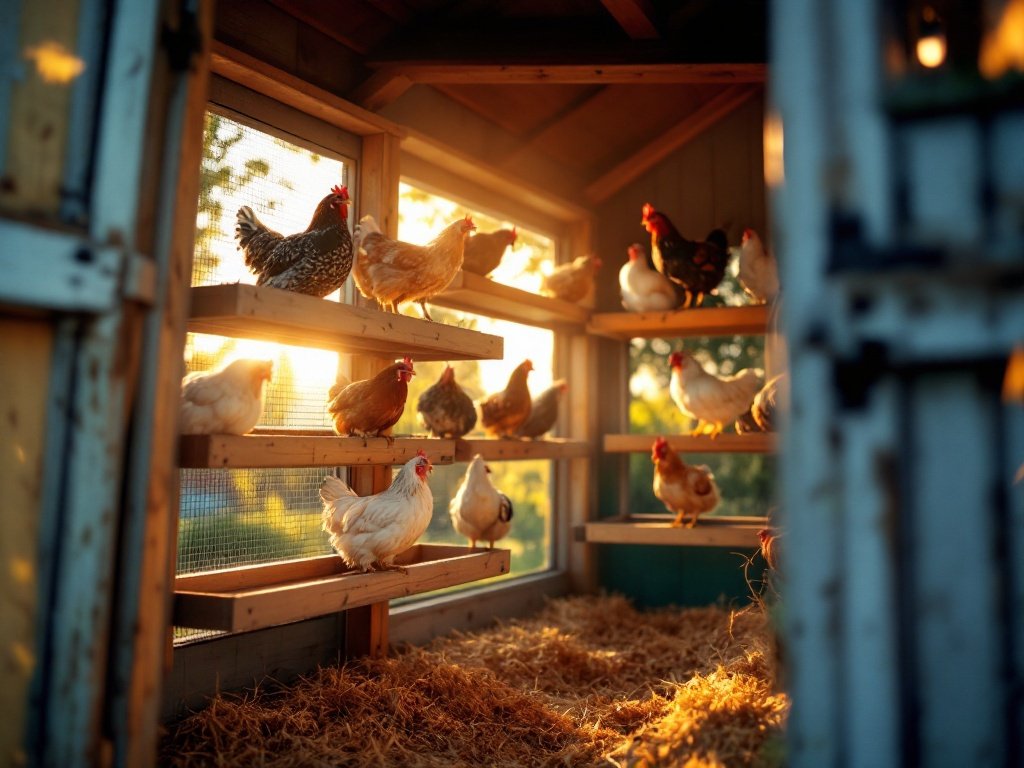
Cramped or awkward perches often lead to overcrowding, dirty feathers, traumatized birds, and even bumblefoot. Flat bars at 2 inches wide (not perfectly round) let chickens cover their toes to prevent frostbite, while the right height and spacing stop birds from sleeping in nest boxes or competing for space.
It’s worth noting: the wrong bar size can push dominant chickens to claim the best spots, leaving smaller or docile birds to crowd unsafe heights or sleep in the litter. When you get it right, the whole flock benefits—even if you have a mix of breeds.
Step-by-Step: Picking, Installing, and Upgrading Roosting Bars
Whether building a fresh setup or retrofitting an old coop, here’s exactly what to do for the safest, healthiest chicken perch you can provide.
- Measure Your Coop and Count Your Flock
Allow about 10-12 inches of roost bar length per standard chicken (Chicken Coop Company). Plan for more if you have large breeds or want extra elbow room in winter, when birds may spread out their feet. - Select Your Material and Shape
- Wooden roost bars (like smooth pine or cedar) remain the top choice for comfort and warmth. Sand all edges—the #1 maintenance step people skip (AgriStuff).
- Metal or plastic bars are easy to clean but can be cold or slippery; use these only in mild climates or add grip tape for safety.
- Pick Roost Bar Height and Spacing
Set the lowest bar about 12-18 inches from the floor (From Scratch Farmstead), but 18-24 inches is better for standard breeds. Lighter breeds and bantams may prefer lower bars, while heavy breeds such as Orpingtons or Brahmas will want more space between bar levels (12-18 inches vertical/horizontal). - Install Using Secure Brackets or Frames
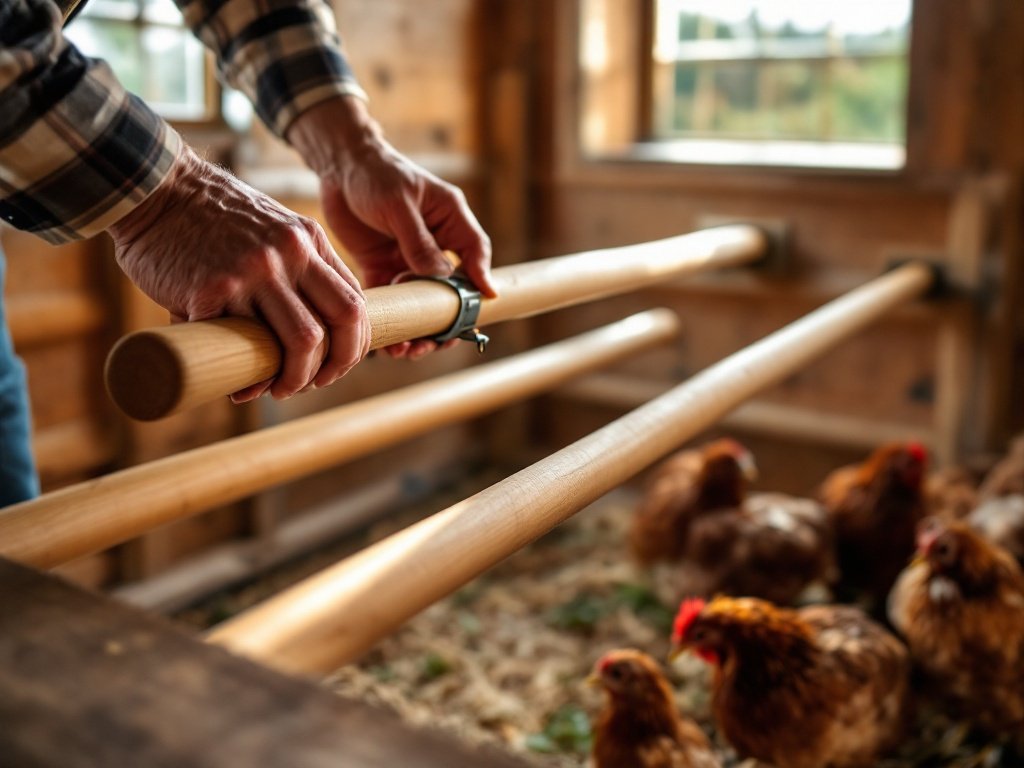
Support at each end, and avoid long, unsupported bars that might flex or bow. Use bolt-on or screw-in mounts for maximum stability, especially for heavy hens. - Test and Adjust
Watch your flock the first few nights. Tweak height or add ramps if birds seem nervous or reluctant to hop up; ensure no chickens end up sleeping in boxes or corners.
- Routine Maintenance
Inspect bars for splinters, loose brackets, or droppings build-up weekly (AgriStuff). Sand any roughness. Wipe down with water and mild soap; for wood, oil with food-safe mineral oil bi-annually to reduce weathering. - DIY Upgrades
For budget builders, repurposed branches (1.5-2 inches diameter, bark removed and sanded) or a simple ladder-style roost from 2x4s often outperform the basic metal bars shipped with prefab kits.
Want more project ideas? Check our full chicken coop accessories guide for everything from dropping boards to night lights.
Advanced Analysis & Common Pitfalls
Even experienced keepers hit roadblocks with roosting bar choices. Here is a realistic breakdown of market options, user pain points, and how to avoid the most common mistakes found in real backyards:
| Model Type | Diameter/Width | Material | Length | Height | Spacing | Weight | Mount/Install | Warranty | Typical Price |
|---|---|---|---|---|---|---|---|---|---|
| Round Pine Bar | 2” dia | Wood | 6 ft | 20” | 10” per bird | 5 lb | Screw Bracket | 1 Year | $24 |
| Flat Cedar Plank (2×4 up) | 2” wide | Wood | 8 ft | 24” | 8” per bird | 6 lb | Wall-mount Kit | 2 Years | $32 |
| Galvanized Pipe | 1.5” dia | Metal | 5 ft | 18” | 8” per bird | 6 lb | Pipe Clamp | 3 Years | $30 |
| Multi-Ladder Roost | 2×4 flat | Wood | 8 ft (total) | 12”-24” | 12” per bird | 10 lb | Bolt Frame | 2 Years | $45 |
| PVC Pipe | 1.75” dia | Plastic | 5 ft | 20” | 9” per bird | 3 lb | Zip Brackets | 1 Year | $22 |
Common pitfalls and failure modes:
- Wobbling and bracket failure—either the bar flexes or mounting hardware loosens, causing unsafe movement and birds to distrust the perch (AgriStuff).
- Splinters and rough surfaces on wooden roosts—primary cause of bumblefoot and recurring foot injuries.
- Rust and corrosion on metal perches, especially in damp or coastal environments.
- Cleaning headaches—metal or plastic bars can become slick, while wood needs regular scraping and sanding to prevent buildup.
- Bar too narrow or too round—chickens may refuse to use, or risk falling overnight. Studies favor 2-inch-wide, flat-topped or gently rounded roosts, especially for large hens and roosters (Dine-a-Chook).
Avoid “kit” roosts with thin, cheap metal bars—often under 1 inch diameter—since most breeds (especially adult hens) struggle to balance safely or experience pressure points. Always upgrade or DIY for your flock’s needs.

Don’t forget ongoing care: schedule monthly inspections, sand away any roughness, tighten brackets, and replace hardware as needed. Droppings will build up on any perch—add a removable dropping board, or check out how to clean a chicken coop to streamline chores.
Still worried about cold, drafty nights? Review our top picks for best chicken coop for cold weather and smart coop heaters that make roosting safer year-round.
Conclusion
The best roosting bars for chickens aren’t a one-size-fits-all answer. Instead, you’re aiming for a safe, splinter-free, 2-inch-wide flat or slightly rounded perch installed above your nesting boxes with enough space for every bird in your flock. Pick the right material, prioritize solid mounting, and schedule regular maintenance. Your chickens will sleep healthier, your eggs will stay cleaner, and your coop will stay in top shape for the long run.
Looking for more actionable advice or DIY plans? Explore our guides on best nesting boxes, waste-free feeders, and proper space planning for the healthiest flock possible.
Ready to upgrade your chicken perch? Assess your setup tonight, and start planning your next coop improvement!
FAQ: Best Roosting Bars for Chickens
Should I use round or flat roosting bars for chickens?
For most backyard chickens, flat-topped bars about 2 inches wide work best. This lets hens rest with feet flat and cover their toes on cold nights. Perfectly round or narrow bars may cause balance trouble or foot sores (Chicken Coop Company).
What’s the ideal material for a chicken perch?
Sanded, splinter-free wood is the healthiest and most comfortable. Metal and plastic are easy to clean but may be cold or slippery. Always check for rough edges, splinters, rust, and flex, regardless of type (AgriStuff).
How often should I clean my chicken roosting bars?
Check and clean at least weekly. Scrape droppings off wood or plastic, and sand smooth if needed. For metal or plastic bars, wipe down with mild soap. Consider a dropping board for easier daily cleaning and healthier feet.
How high should I place roost bars in my coop?
Mount the lowest bar a minimum of 12 inches off the ground, but 18-24 inches is best for standard breeds. Always install roosts above nest box height to discourage sleeping in the boxes (Backyard Chickens Hub).
Can heavy breeds use the same roosts as lighter hens?
Heavier and larger breeds benefit from wider, flat perches and more spacing (12-18 inches between levels and birds). Avoid high, narrow, or round bars for heavy birds—they are more prone to foot and leg injuries.
—