
As an Amazon Associate we earn from qualifying purchases. This article contains affiliate links; we may earn a small commission at no extra cost to you.
Egg bound hen treatment is something every hands-on chicken keeper needs to know—because when a hen gets egg bound, fast, correct action is crucial to save her life and avoid unexpected vet bills. This guide strips away guesswork to show what works, when to escalate, how much it really costs, and what risks you’re taking at each fork in the road.
Key Takeaways
- Recognizing egg binding early is vital—classic symptoms and gentle confirmation can make all the difference.
- Most egg bound hen treatments at home (warm bath, calcium, gentle massage) work well if used fast, but carry risks if done wrong or too late.
- Knowing when to stop home remedies and get professional help keeps costs down and survival rates high.
- How to Recognize Egg Binding in Chickens Fast
- Home Remedies for Egg Bound Hen Treatment—What Actually Works?
- When to See a Vet—and What to Expect at the Clinic
- Advanced Veterinary Treatments: Success Rates, Risks, and Recovery
- Costs Breakdown: What Egg Binding Might Really Cost You
- Preventing Egg Binding: Reducing Risk in Your Flock
- Conclusion
- Egg Bound Hen Treatment FAQ
How to Recognize Egg Binding in Chickens Fast
Spotting egg binding in chickens at an early stage makes a dramatic difference in what happens next. Classic signs include a hunched or “penguin walk,” swollen or tense abdomen, and sudden stop to egg laying. Affected hens may fluff up, look lethargic, strain to pass something, or even sit with their tail down. In some cases, you can gently feel the stuck egg by pressing just inside the vent with a gloved finger, but be extremely gentle—too much pressure can cause harm.

Time matters. If a hen shows these signs for more than a couple of hours, especially combined (straining, swollen belly, stopped laying), quick action is needed. Egg binding in chickens is an emergency because it can progress to internal damage, infection, or shock if the egg doesn’t pass. Always double-check for similar issues like prolapse or soft-shelled eggs before proceeding, as treatments differ.
Read more about how to tell if a chicken is sick to help differentiate symptoms.
Home Remedies for Egg Bound Hen Treatment—What Actually Works?
When time is short and the vet isn’t an immediate option, many chicken owners try a common three-part DIY egg bound hen treatment: a warm bath, a calcium boost, and gentle massage. Here’s how real owners do it—and what the outcomes are, based on the latest peer and owner-reported success rates.
- Warm Bath Egg Bound Method: Immerse the lower half of your hen in a tub of warm (not hot) water mixed with Epsom salts for 10–20 minutes. The warmth helps relax the oviduct; Epsom salt can soothe and reduce swelling. Avoid baths if the hen is weak or distressed; prolonged or repeated soaks add stress.
- Calcium Supplementation: Immediately after the bath, orally dose with a rapidly absorbed calcium source (poultry-specific liquid or crushed calcium carbonate tablet, adjusted for your hen’s size). calcium boost triggers muscle contractions, vital for egg expulsion.
- Gentle Abdominal Massage: After the bath, dry the hen and use a gloved, lubricated finger to apply extremely gentle pressure from the abdomen toward the vent. Feel for the egg, but never use force. Gentle is key—too much pressure risks breaking the egg, which may cause infection or peritonitis.
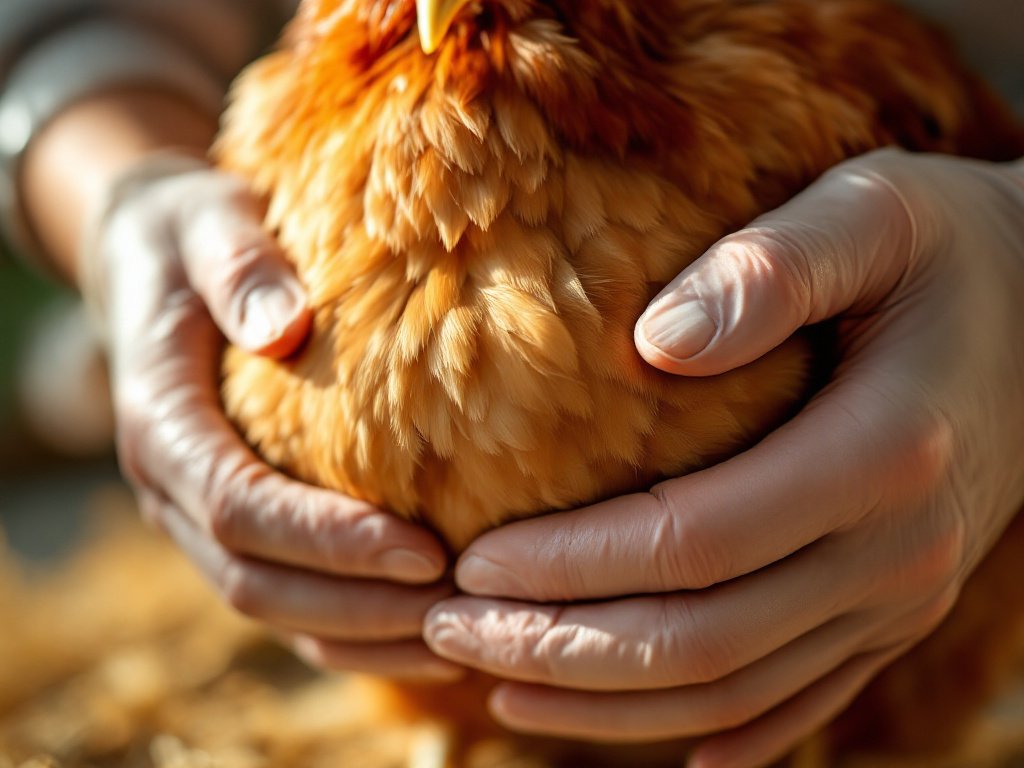
According to owner reports and expert sources , these three steps resolve egg binding for many hens if begun within a few hours of symptom onset. Risks include the possibility of breaking a fragile or soft-shelled egg, inducing shock in a weak hen, or missing the true cause (such as internal laying).
Most keepers can perform these actions for almost no out-of-pocket cost, especially with supplies on hand. If you’re still unsure about the bath, consult this practical egg binding treatment overview.
For rural and winter keepers, learn how to keep your hens warm after a stressful experience in our keep chickens warm in winter guide.
When to See a Vet—and What to Expect at the Clinic
Knowing when to stop home remedies is the most important skill for a responsible flock owner. If your hen does not lay within 12–24 hours of starting home treatment, if she is unable to stand, is panting, or becomes visibly worse, seek veterinary help right away.
Most poultry vets start with a gentle examination and may recommend an x-ray to confirm whether the egg is truly stuck and where. A typical vet visit can cost $50–$100, and diagnostic imaging may add to the total. If needed, the vet may administer calcium (injection or oral), pain medication, and fluids, which are generally inexpensive add-ons. Rapidly acting medications can trigger the hen to pass the egg without further intervention, sometimes within hours.
For scenarios where budgets are tight, planning flock health costs is crucial. While costs are a concern, delayed intervention greatly raises the risk of death.
Knowing your limits is critical—if you attempt home egg bound hen treatment but see no progress, you are not failing your hen by calling in a pro.
More info: Egg bound chickens: support and veterinary treatment.
For ongoing flock health and minimizing emergencies, see automatic feeders for chickens to prevent stress-induced episodes.
Advanced Veterinary Treatments: Success Rates, Risks, and Recovery
When home solutions and basic veterinary care aren’t enough, more aggressive medical interventions are needed. This is usually the case if the egg has been stuck for over 24 hours or if the hen is declining rapidly.
- Medical Intervention: Vets may administer injected medications like prostaglandin or oxytocin to trigger egg expulsion. According to poultry medicine sources, these therapeutic agents can push success rates high, but do carry a small risk of adverse effects such as tissue rupture.
- Surgical Removal: Sometimes, the only safe solution is surgical removal of the egg. While it is an involved procedure, most hens recover basic mobility and appetite within a day or two, though return to laying can take a week or more. Surgery usually becomes necessary only when the egg is already broken, soft, or the hen is in clear distress and other methods fail.
Expect costs to vary widely for surgery, with most of that due to anesthesia and intensive post-op monitoring. A successful outcome is likely if treatment is not delayed, but every hour counts. Many hens that receive timely surgery or advanced drug intervention may return to normal activity, but outcomes vary, but a small percentage will experience post-procedure complications.
If you are concerned about calcium deficiency in hens, upgrade to a premium layer feed with balanced minerals to prevent repeat egg binding incidents.
Costs Breakdown: What Egg Binding Might Really Cost You
Egg bound hen treatment can be resolved cheaply or become expensive based on response time and escalation.
| Treatment Level | Cost Range (USD) | Includes | Risks/Downsides |
|---|---|---|---|
| At-Home Remedy | Negligible to $20 | Epsom salt, calcium, warm bath | Missed diagnosis, risk of egg breakage |
| Vet Visit + Basic Care | $70–$120 | Exam, x-ray, calcium, basic meds | Delay increases cost/risk |
| Advanced Medical/Surgical | $250–$450 | Surgery, anesthesia, drugs, aftercare | Stress, post-op infection or slow recovery |
Watch out for hidden costs—these treatments often lead to extra bedding changes or feeding adjustments, especially if infection is involved. See recommendations in best chicken coop bedding to help with post-treatment clean up and odor control.
If you rely on your hens for egg yield, check how many eggs chickens lay to plan for losses during recovery.
Preventing Egg Binding: Reducing Risk in Your Flock
Prevention centers on flock management—addressing all the major risk factors detailed in recent research :
- Calcium Deficiency in Hens: The most common culprit. Use a solid commercial layer feed and provide free-choice oyster shell or crushed eggshells.
- Obesity: Keep treats in check and offer daily exercise. Use quality chicken runs for movement.
- Genetics: Some breeds are prone to reproductive issues. Investigate your chosen breeds at best egg-laying chicken breeds before purchasing.
- Cold Weather and Stress: Insulate the coop, minimize sudden changes, and keep nesting boxes comfortable. Consider a well-insulated chicken coop in cold climates.
- Cleanliness and Diet: Clean nesting boxes, reduce stress, avoid overfeeding treats, and never force artificial lighting without proper calcium input.
Regular flock checks and learning to spot abnormal hen behavior early can catch problems before they become emergencies.
Conclusion
Egg binding is one of the most serious emergencies backyard chicken owners face, but prompt and informed egg bound hen treatment can make all the difference. Most hens recover well with early action and basic veterinary care, and the out-of-pocket costs remain reasonable if you know when to escalate—and when not to. For the health of your flock, always review biosecurity basics and prep your supplies after each close call. Ready for more? Check out our guides to chicken first aid kits and chicken wound care to stay ahead of the next flock emergency.
Egg Bound Hen Treatment FAQ
How do I know if my hen is truly egg bound?
Look for a hunched walk (penguin stance), swollen or hard abdomen, and straining without laying. You can sometimes feel the egg by gentle palpation just inside the vent, but be careful not to apply force. Always rule out a prolapse or internal laying, which look similar but need different treatments.
What is the safest way to give a warm bath to an egg bound hen?
Use a shallow basin or sink with water a bit below body temperature (75–80°F), add Epsom salts, and gently lower the hen’s lower body in while supporting her. Soak for 10–20 minutes, keeping her calm and warm. Dry thoroughly before returning to her coop.
When should I stop home remedies and find a vet?
If you see no progress within 12–24 hours, if the hen is in clear distress, cannot stand, or worsens after initial treatment, seek professional help. Delayed medical care increases risk of complications or death.
How much does veterinary treatment for an egg bound hen cost?
Basic vet visits and x-rays usually range from $70–$120. Advanced procedures like surgery or specialized drugs can raise the total to $250–$450 per episode.
Can egg binding be prevented?
Many cases can. Feeding a complete layer diet with proper calcium access, minimizing stress, keeping hens at a healthy weight, and maintaining clean coops all help prevent egg binding.
—