
As an Amazon Associate we earn from qualifying purchases. This article contains affiliate links; we may earn a small commission at no extra cost to you.
Cold hardy chicken breeds are essential for anyone raising chickens in northern climates, where frostbite, heat loss, and winter flock losses can turn home egg production into an expensive struggle. Choosing the right winter chicken breeds does more than increase survivability—it’s the only way to protect your investment and keep eggs coming all season long. This data-driven guide shows you exactly which breeds thrive in USDA zones 3–6, how much you’ll really pay in your region, and the smartest steps to winterproof your flock from the start.
Key Takeaways
- Breed selection impacts flock survival and egg yield in subfreezing seasons—comb type, feathering, and genetics directly affect frostbite risk.
- Chantecler, Wyandotte, Buckeye, and Brahma are top cold climate hens with low frostbite incidents and consistent winter egg production by region.
- Winter problems like frostbite, water freeze-over, and heat loss can cause major losses—prevention requires both breed selection and practical husbandry upgrades.
- What Makes a Chicken Breed Truly Cold Hardy?
- Top Cold Hardy and Winter Chicken Breeds: Breed-by-Breed Comparison
- Cold Hardy Chicken Pricing by Region (2024)
- Top 3 Winter-Keeping Pain Points (and How to Solve Them)
- Where Most Winter Breed Guides Fail: Regional, Long-term, and Performance Data
- Cold-Hardy Chicken Selection by Climate Zone: Smart Matches for USDA Zones 3–6
- Conclusion
- FAQ
What Makes a Chicken Breed Truly Cold Hardy?
Not all chickens react to winter the same. Cold hardy chicken breeds share key physical and genetic traits which help them resist frostbite, maintain body temperature, and lay through the coldest months. The top biological factors to examine include the shape and size of the comb, density and coverage of feathers, body mass, and even behavioral differences.
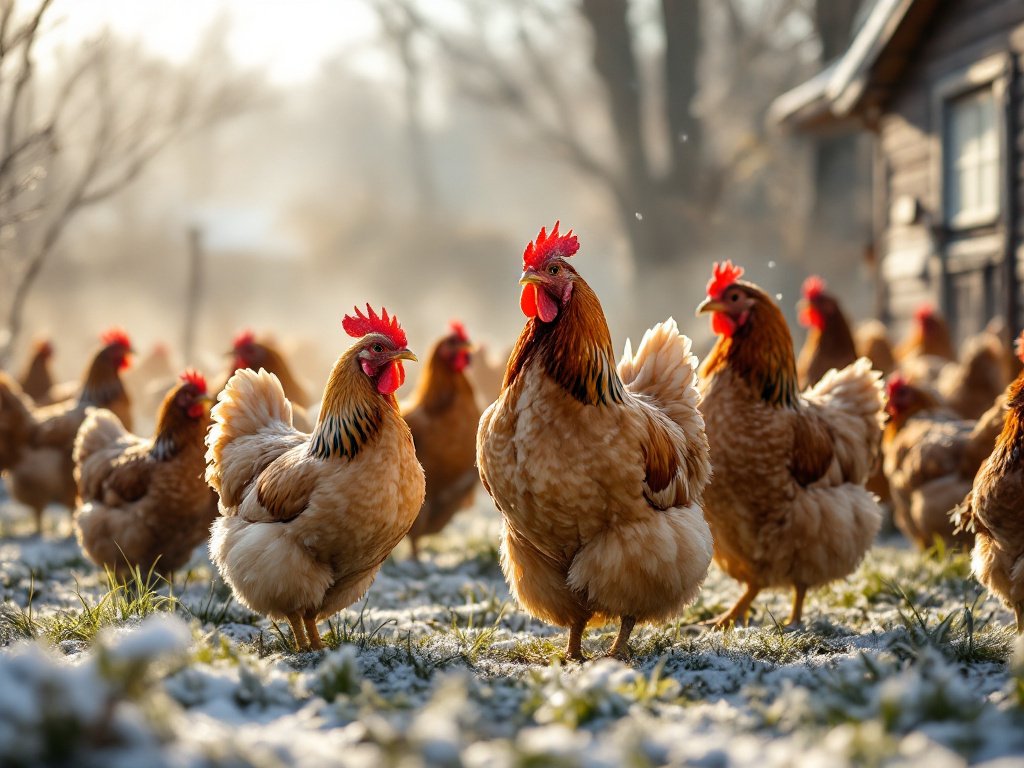
Breeds like Chantecler and Wyandotte show “very low” or “extremely low” frostbite risk due to their cushion and rose combs. These frostbite resistant combs significantly reduce exposed surface area, compared to the larger, upright single combs of breeds like the Rhode Island Red, which carry moderate frostbite risk. Heavier birds with abundant, tight feathering—such as Brahmas and Buckeyes—also hold warmth better and buffer cold snaps.
Genetics matter: lines developed in cold climates (like the Quebec-bred Chantecler) are noticeably better at withstanding winter stress. For small and mid-scale keepers in USDA zones 3–6, picking breeds with these built-in defenses saves on heating, medical care, and bird losses year in, year out.
For more practical winter chicken setup tips, see how to keep chickens warm in winter.
Top Cold Hardy and Winter Chicken Breeds: Breed-by-Breed Comparison
Comparing winter chicken breeds side by side reveals clear performance gaps in egg output, frostbite risk, and long-term ROI. Below is a data-driven breakdown focused on the breeds with the strongest records as hardy layers in real northern winters.
| Breed | Avg. Hen Weight | Eggs/Year | Egg Color | Comb Type | Frostbite Risk | Winter Laying |
|---|---|---|---|---|---|---|
| Chantecler | ~6.5 lb | 180–220 | Brown | Cushion | Virtually zero | Very strong |
| Wyandotte | 6–7 lb | 200–240 | Brown/Cream | Rose | Extremely low | Excellent |
| Buckeye | ~6 lb | 150–200 | Brown | Pea | Low | Reliable |
| Brahma | 8.5–10.5 lb | 150–200 | Brown | Pea | Very low | Steady |
| Rhode Island Red | ~6 lb | 200–300 | Brown | Single | Moderate | High, but more frostbite risk |
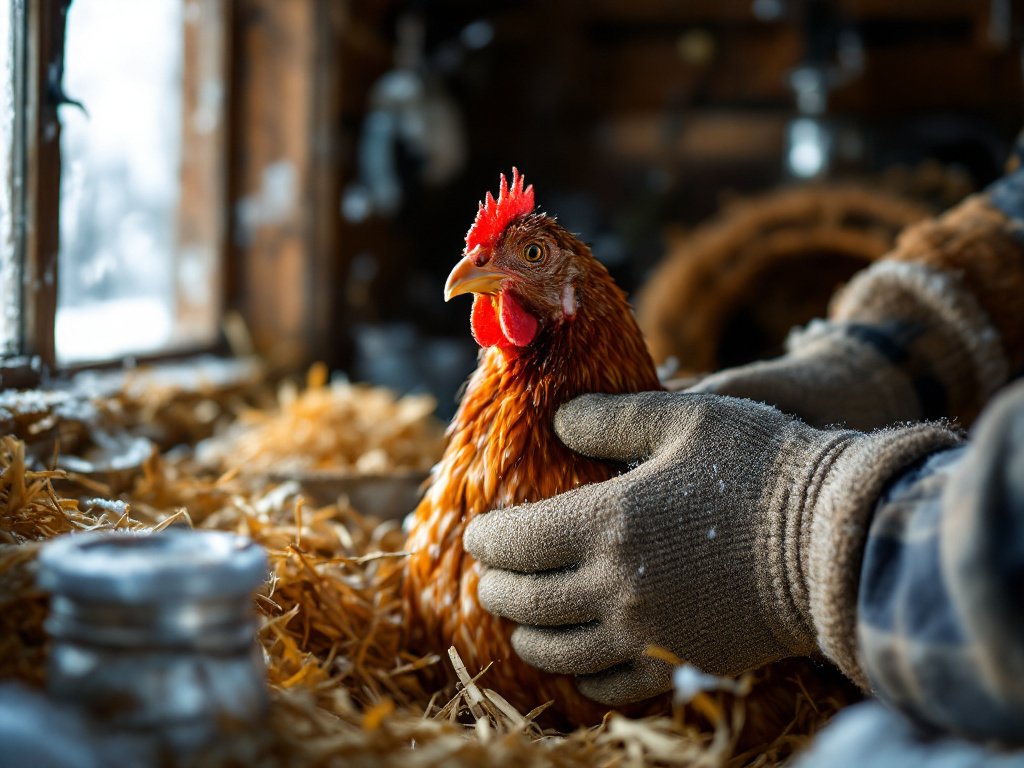
Chantecler hens, bred for Canadian winters, are top picks for USDA zones 3–4 due to nearly unbreakable frostbite resistance. Wyandottes combine excellent winter laying and rose combs, making them popular for zones 5–6. Buckeyes provide lower output but great reliability and low comb injuries. Brahmas, with heavy mass and tight feathering, shed cold exceptionally well. Rhode Island Reds lay heavily but need extra protection for their single combs.
For more about the best egg laying chicken breeds in all seasons, see our in-depth comparison.
Cold Hardy Chicken Pricing by Region (2024)
Upfront flock cost varies widely by breed type and buyer location. Cold hardy chicken breeds with rare genetics or slow growth often command higher prices, especially in colder zones where local demand spikes in fall. Here’s how top cold climate hens are priced regionally in early 2024 (based on available market ranges and direct farm sources):
| Breed | Upper Midwest | Northeast | Pacific Northwest | South | Colder Zones | Nationwide |
|---|---|---|---|---|---|---|
| Chantecler | $3.09–$15.99 | $35–$50 | $— | $— | $— | $— |
| Wyandotte | $30–$45 | $— | $25–$40 | $— | $— | $— |
| Buckeye | $— | $— | $— | $— | $— | $20–$30 |
| Brahma | $— | $— | $— | $25–$35 | $30–$45 | $— |
| Rhode Island Red | $15–$25 | $15–$25 | $15–$25 | $15–$25 | $15–$25 | $15–$25 |
Rare cold hardy breeds, like Chantecler, can be harder to source in the central US but are highly valued in the Midwest and Northeast. Buckeyes are more broadly available. For an honest, region-specific look at flock costs and budgeting, check our guide to the cost to raise chickens from hatch to laying.
Top 3 Winter-Keeping Pain Points (and How to Solve Them)
Even hardy layers suffer if key winter risks are left unchecked. Based on real reports and research:
- Frostbite—especially in single-comb birds: Tips of combs, wattles, and toes are most vulnerable. Loss leads to pain, infection, permanent damage, and even reduced fertility for roosters ([source](https://www.thesilverfoxfarm.com/blog/winter-chicken-care){:target=”_blank” rel=”noopener”}). Use breeds with cushion, pea, or rose combs; manage moisture and drafts with the right winter chicken coop design.
- Frozen waterers: Dehydration lowers feed intake and rapidly cuts egg production. Insulated or heated waterers eliminate daily labor and loss. See real heated waterer solutions here.
- Heat loss and cold stress: Even top breeds can drop 10–30% in egg output during weeks of sub-32°F weather if housing is drafty, uninsulated, or overcrowded. Use the best chicken coop heater (if needed) and match flock density to proper chicken coop space requirements.
Don’t rely on breed alone—strong cold hardy genetics plus good husbandry is the only way to avoid winter setbacks.
Where Most Winter Breed Guides Fail: Regional, Long-term, and Performance Data
Most cold hardy chicken breed guides skip critical regional matches and ignore farm-level data that backyard keepers need. Three big gaps stand out:
- No USDA zone mapping: Not matching breeds to the right climate risks disappointment—Chantecler is superb for zone 3–4, Wyandotte for zone 5–6, Buckeye fits best in zone 4–6.
- Lack of long-term productivity stats: Multi-year info on average egg output and survivability by region is rarely provided, making it hard to predict ROI or manage flock turnover.
- Missing actionable, local care protocols: True winter success needs region-specific advice on insulation, draft management, supplemental heating cutoffs, wind break layouts, and water freeze prevention systems, not just a list of breed names.
If you want eggs and live hens next April, it’s worth hunting for breed-specific guidance by zone, plus upgrades that target your area’s coldest nights directly. For proper ventilation—a key winter success factor—see our full chicken coop ventilation guide.
Cold-Hardy Chicken Selection by Climate Zone: Smart Matches for USDA Zones 3–6
The ideal breed isn’t “most cold hardy ever”—it’s the one proven to survive, avoid comb injuries, and lay well in your precise climate. Here’s a simplified matrix to match breeds with USDA zones and avoid wasted investment or flock loss:
| USDA Zone | Suggested Breeds | Frostbite Risk | Egg Productivity | Notes |
|---|---|---|---|---|
| Zone 3 | Chantecler | Virtually zero | High | Bred for brutal winters; rare outside Midwest/Northeast |
| Zone 4 | Chantecler, Buckeye | Low–zero | Moderate–high | Buckeye adds diversity; both breeds avoid frostbite |
| Zone 5 | Wyandotte, Brahma | Extremely low–very low | High–moderate | Widely available; excellent winter layers |
| Zone 6 | Wyandotte, Brahma, Rhode Island Red (with care) | Low–moderate | High | Single-comb breeds need extra protection in deep-freeze |
For a bigger breakdown of breeds for zone 3–6, check this Practical Self Reliance breed guide and regional University of Minnesota advice.
Conclusion
Choosing the right cold hardy chicken breeds is the simplest, highest-ROI move backyard flock owners in northern climates can make. Breed genetics, regional price comparison, and practical winter prevention combine for less stress, more eggs, and healthier birds all season. Build your flock the data-driven way this winter and you’ll cut avoidable losses, keep your ROI strong, and enjoy home-produced eggs when supermarket shelves are bare.
Ready to winterproof your flock selection? Use this guide, share it with other keepers, and check our in-depth lists on related winter care topics. Whatever your experience level or zone, strong cold hardy chicken breeds are your best tool for reliable winter egg production and flock survival.
FAQ
Which chicken breed is most cold hardy?
Chantecler chickens, bred in Canada, are widely recognized for their extreme cold hardiness thanks to their cushion combs and thick feathers, which make them virtually frostbite-proof in USDA zones 3–4.
Can Rhode Island Reds survive harsh winters?
Rhode Island Reds can lay well in cold weather, but their single combs are at moderate risk for frostbite. Use extra coop protection and watch for comb injuries if you choose them in zones 3–5.
How can I prevent frostbite in my chickens?
Select breeds with small cushion, rose, or pea combs. Keep your coop draft-free but ventilated, use wide wooden roosts, and invest in heated waterers to avoid moisture build-up.
How much should I budget for cold hardy hens?
Expect to pay more for rare cold breeds—such as Chantecler ($30–$50)—compared with more common options like Rhode Island Reds ($15–$25) depending on your region and seller.
What’s the best coop upgrade for winter layers?
Insulate walls, use deep bedding, install a safe heat source only if truly needed, and ventilate at roof height to let moisture out while holding warmth in. See our full winter chicken care guide.
—